





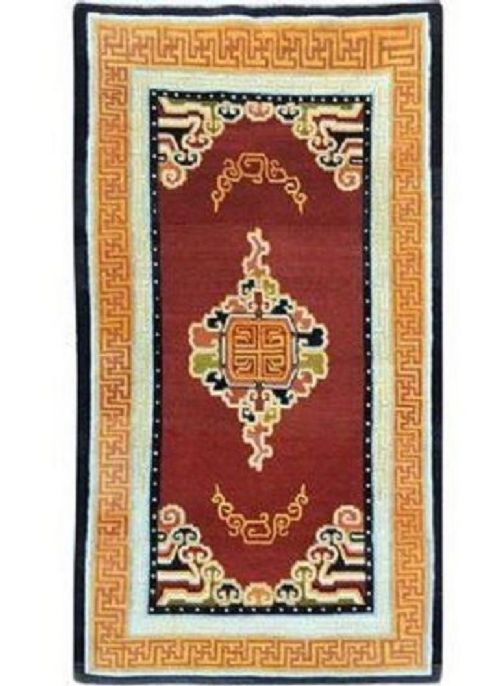
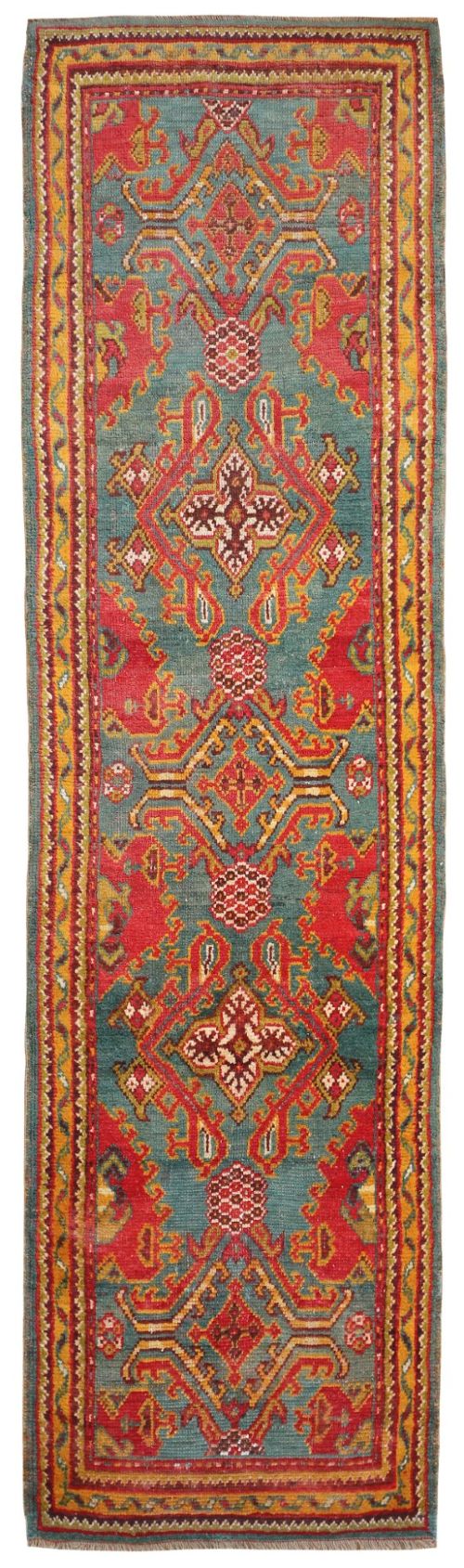
Traditional Hand Knotted Runner
A traditional hand knotted runner brings warmth and pattern to long corridors, uniting diverse periods from the nineteenth and twentieth centuries.
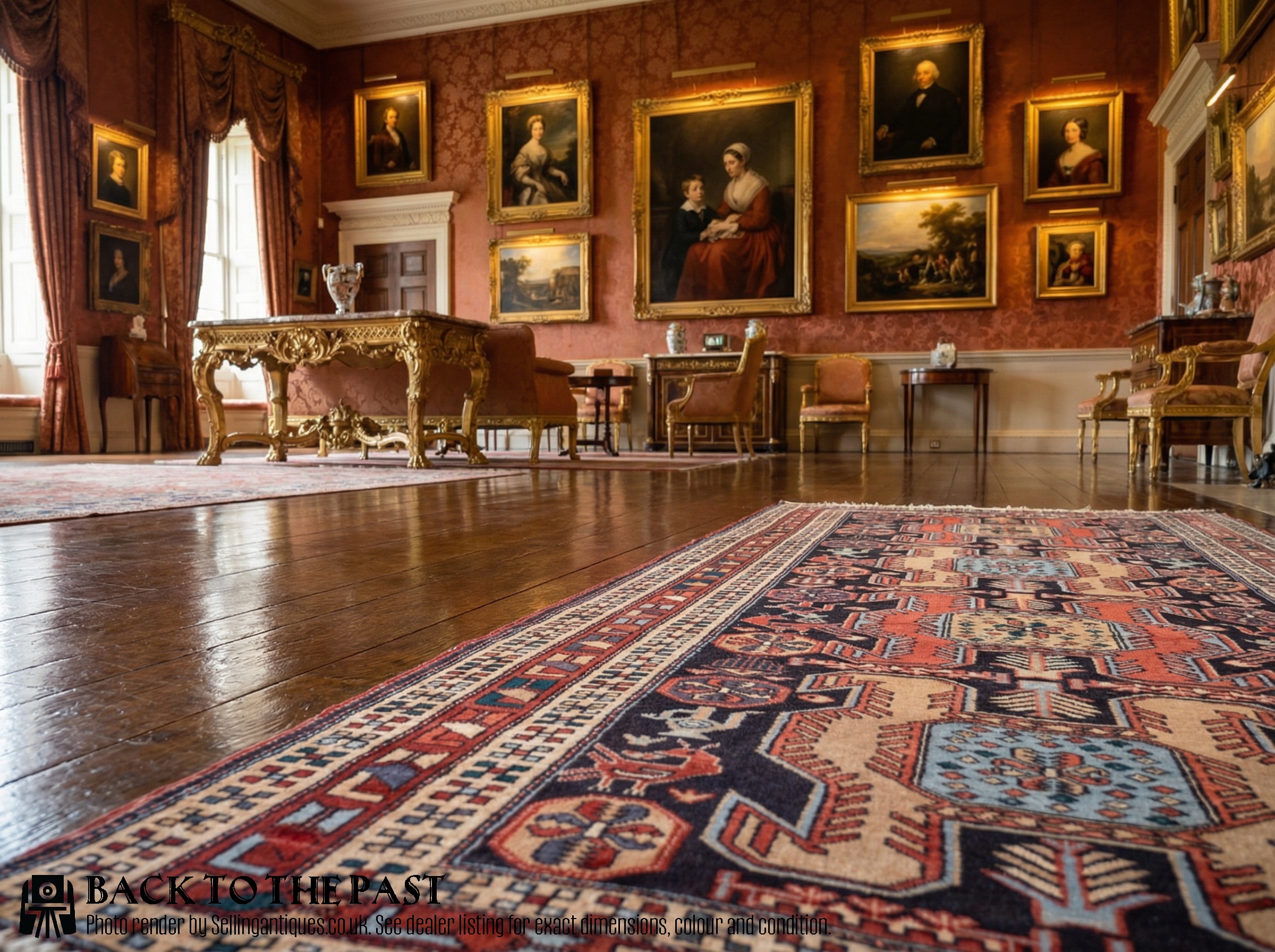
Traditional Hand Knotted Runner
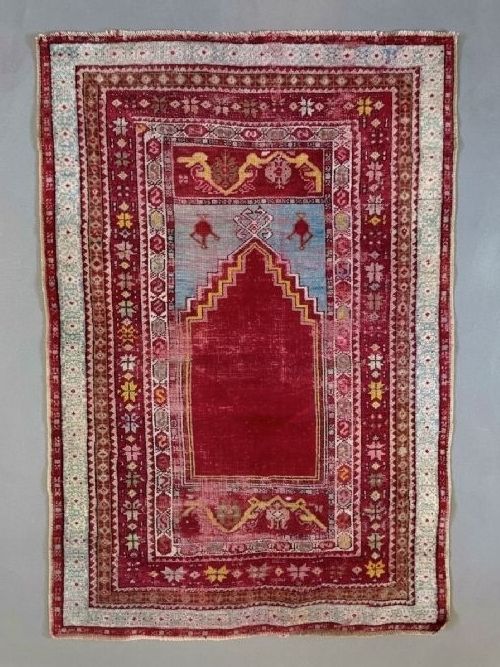
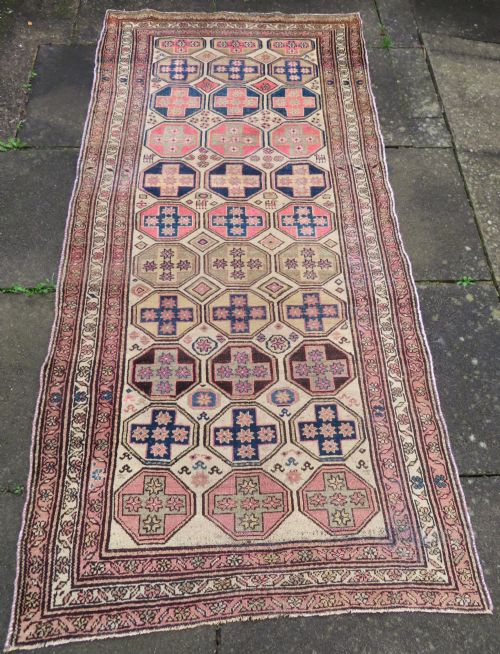
A traditional hand knotted runner serves narrow spaces such as hallways and landings, offering elongated proportions that guide movement through a home. These floor coverings emerge from various regional weaving traditions, spanning Persian, Caucasian, Turkish, and Tibetan origins.
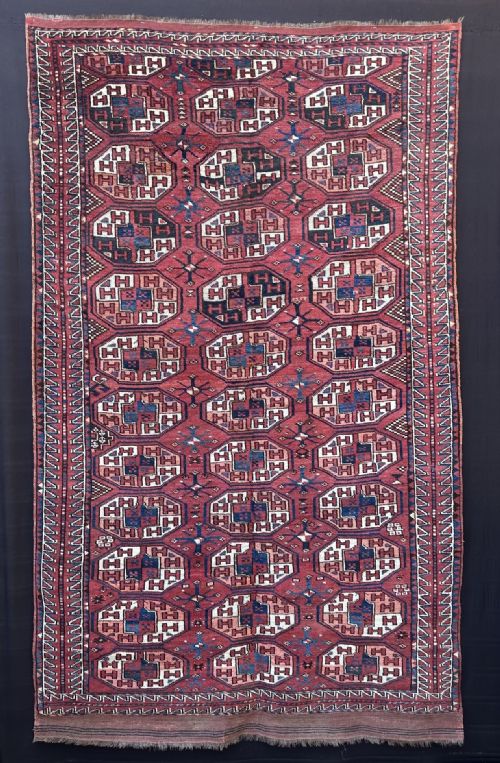
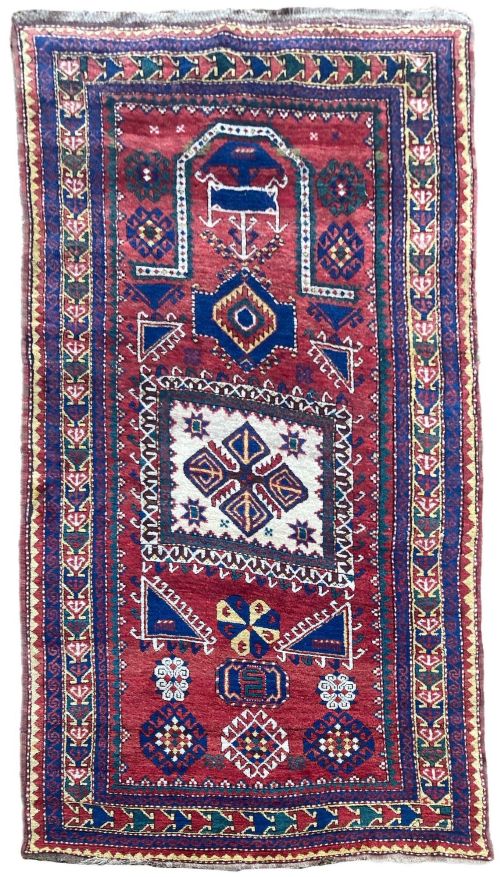
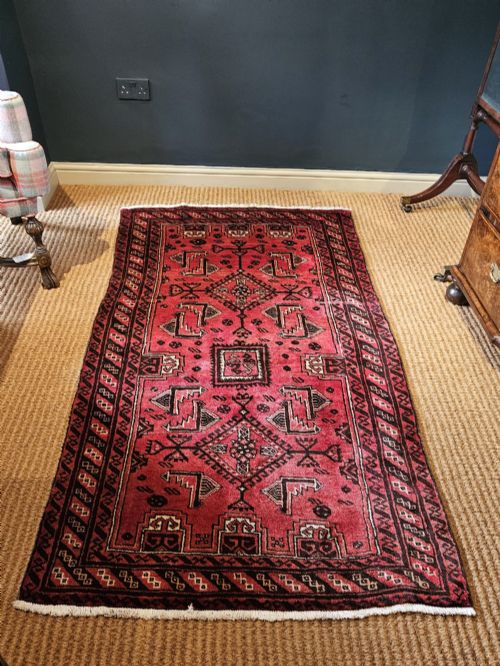
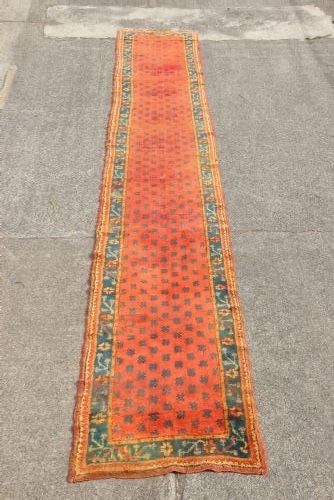
The pieces available here encompass antique and vintage examples dating from the mid-nineteenth century up to the 1930s. Buyers frequently encounter regional formats like Heriz, Hamadan, and Caucasian runners alongside long narrow Turkish Oushak pieces.
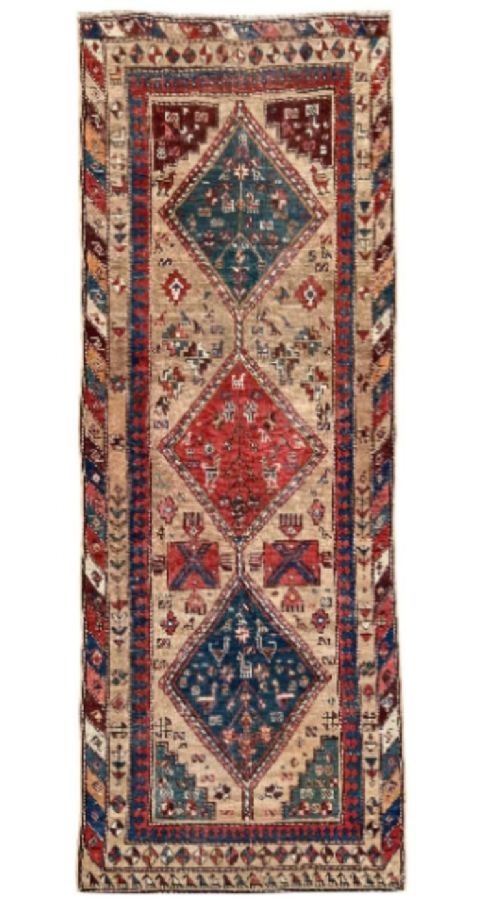
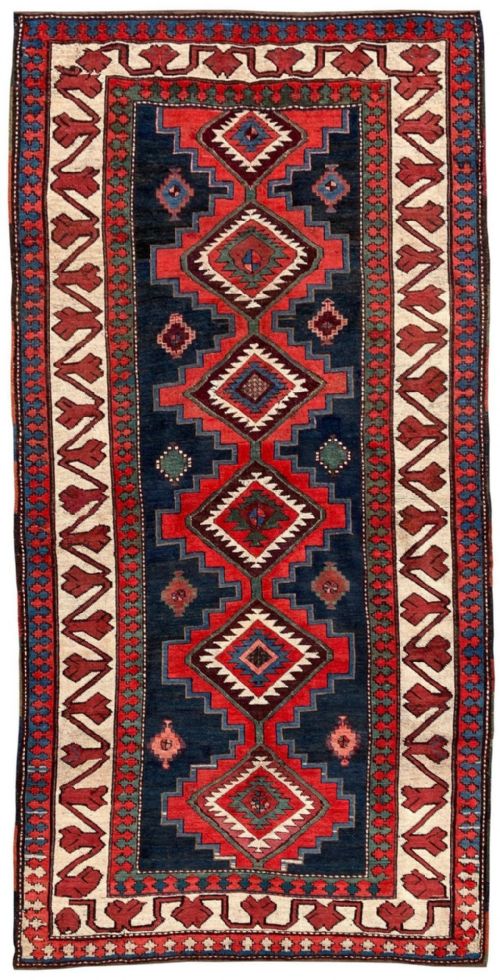
Makers and weavers utilised traditional village and tribal designs, incorporating geometric medallions, lattice patterns, and repeating motifs. Each runner reflects the specific cultural lexicon of its origin, whether woven by Kurdish, Baluch, or Kazak tribes.
Materials and construction
These textiles rely primarily on natural wool, pure wool, and occasionally silk or camel hair, combined with sturdy cotton foundations. Weavers tied individual knots by hand onto warp threads, creating dense piles designed to withstand generations of foot traffic in busy hallways.
Dyers employed natural and early synthetic colourants to achieve the mellow hues, rust backgrounds, and vibrant contrasts visible across the selection. The structural integrity depends upon tight selvedges and secure end finishes executed by hand.
Materials documented in the inventory comprise wool, pure wool, cotton, silk, and camel hair used in tribal and village formats.
Assessing quality and wear
Quality in a traditional hand knotted runner rests upon knot density, the resilience of the wool, and the clarity of the design geometry. Higher grade pieces display precise patterning and even wear across the entire length of the pile.
The handling of natural dyes also dictates distinction, as skilful dyeing creates complex variations in colour tone across the surface. Structural preservation, including intact ends and firm foundation threads, separates well-maintained examples from those requiring extensive conservation.
The Traditional Hand Knotted Runner Glossary
- Runner
- A long, narrow floor covering specifically suited for hallways, corridors, and staircases.
- Knot
- An individual loop of yarn tied around warp threads by hand to form the pile of the textile.
- Warp
- The vertical threads stretched tightly on the loom that provide the structural foundation of the rug.
- Pile
- The upright surface of yarn formed by the cut ends of knots, determining the thickness and soft texture underfoot.
- Medallion
- A central decorative motif or ornament placed symmetrically within the field of the rug.
Traditional Hand Knotted Runner: Frequently Asked Questions
Where should I place a long runner?
These narrow textiles fit naturally in hallways, corridors, and galley kitchens where floor warmth and protection are required. Their elongated dimensions guide the eye along narrow architectural spaces.
Ensure you measure the walkway carefully, leaving exposed timber or stone margins on either side for a balanced interior layout.
How do I clean an old wool runner?
Regular gentle vacuuming without a rotating brush roll prevents dust accumulation in the wool pile. Professional specialist cleaning remains essential for deep washing.
Avoid immersion in water or chemical spot treatments that can destabilise natural dyes and damage the delicate cotton foundation threads.
Are these runners durable for heavy traffic?
Hand knotted wool construction offers exceptional durability, making these pieces well suited for busy domestic environments. The resilience of natural animal fibres withstands decades of daily footsteps.
Pairing the textile with a quality underlay prevents slipping and cushions the weave against hard subfloors.
How do I distinguish regional styles?
Regional characteristics reveal themselves through specific palette choices, structural stiffness, and geometric versus curvilinear motifs. Caucasian designs typically favour sharp geometric polygons, while Persian village workshops often incorporate floral lattices.
Comparing border bands and knot structures helps attribute a piece to its specific weaving origin.