


Traditional Hall Seating
Traditional hall seating encompasses sturdy benches and settles designed to anchor an entranceway, offering both practical utility and enduring craftsmanship.
Traditional Hall Seating
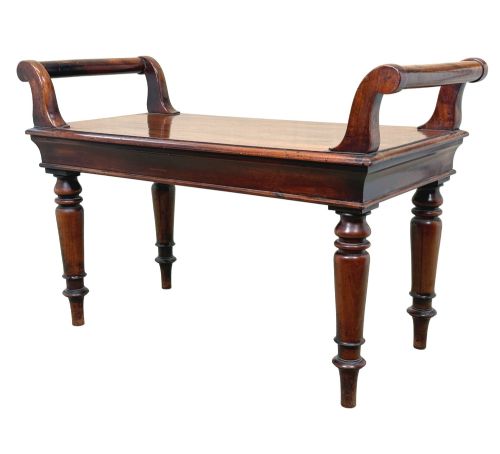
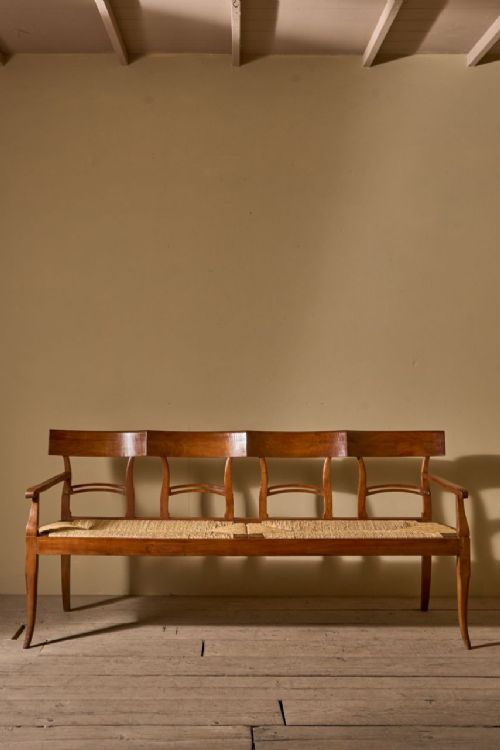
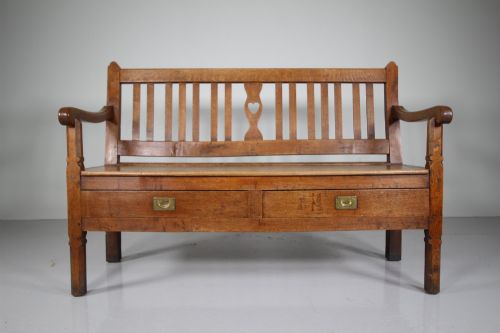
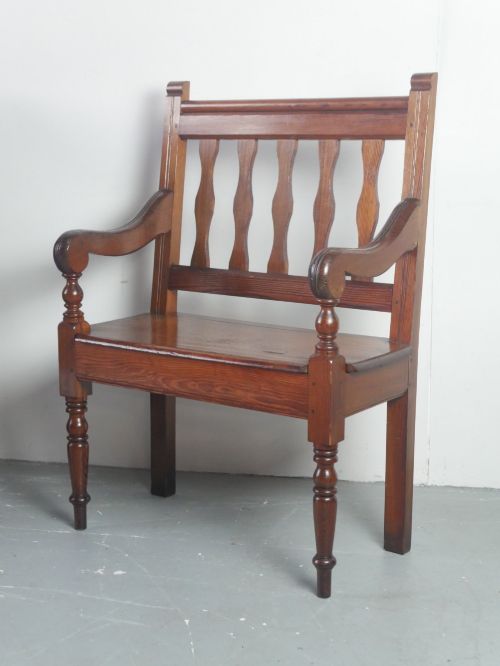
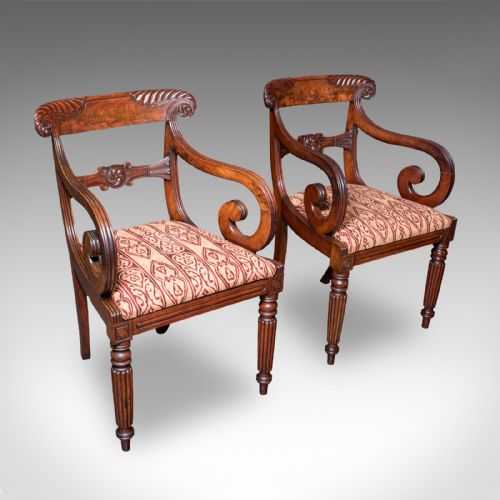
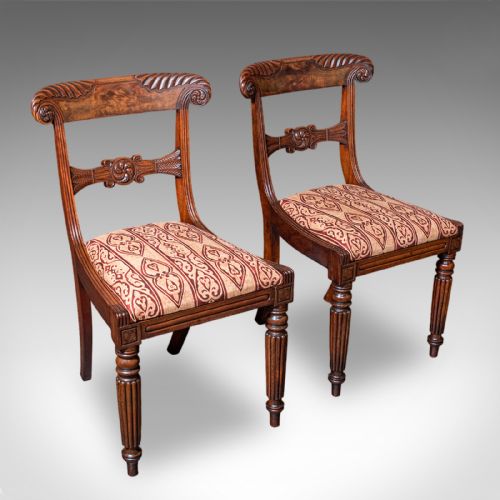
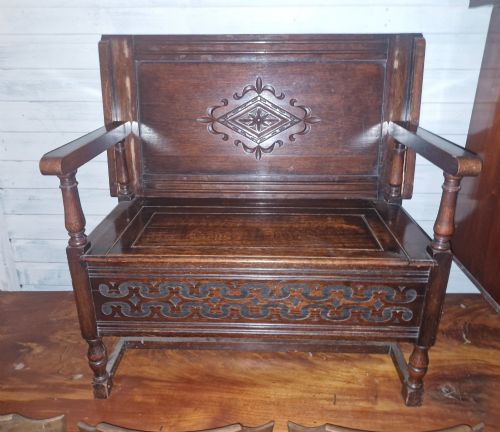
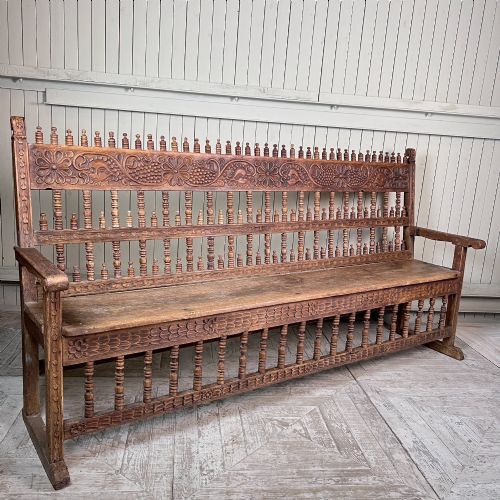
Traditional hall seating primarily consists of heavy benches, box settles, and upright hall chairs fashioned for placement in entranceways and corridors. The pieces appearing here span centuries from the Georgian era through the Victorian period and into the early twentieth century.
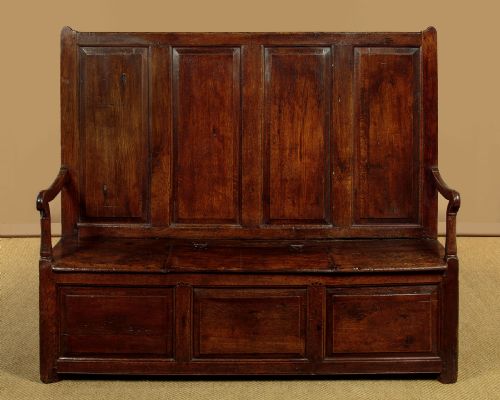
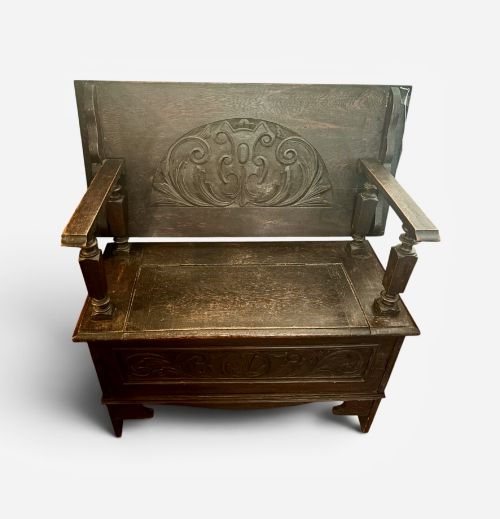
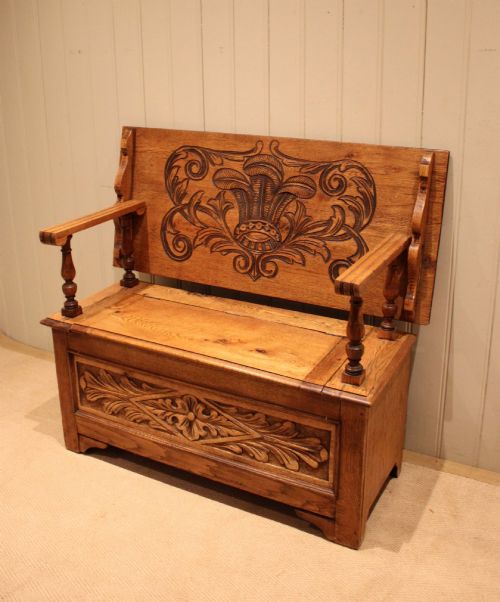
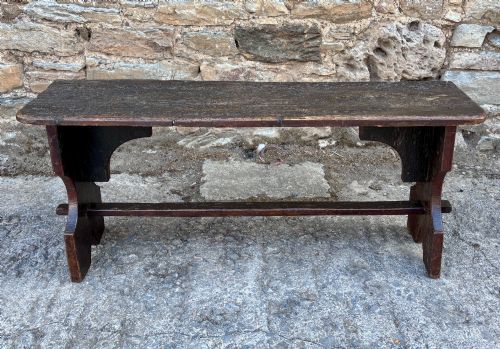
A buyer examining this selection will frequently encounter solid oak benches alongside mahogany window seats, pine country forms, and carved box settles with lift-up lids. These items serve the historic function of providing a seat to remove boots while concealing storage within their frames.
Origins vary widely across the inventory, ranging from English regional workshops and Scottish country houses to Welsh farmhouses and continental European traditions. Simpler rustic farmhouse forms appear alongside formal Regency and Jacobean Revival pieces.
Assessing Quality and Character
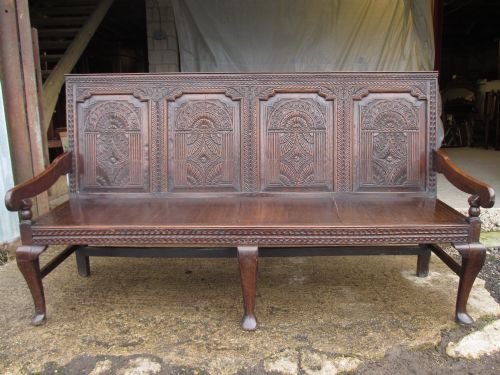
Quality in these seating forms rests upon the integrity of the timber, the depth and crispness of the hand-carved ornamentation, and the preservation of original surfaces. Pieces retaining their deep natural patina and original structural joins stand apart from later adaptations or heavily restored examples.
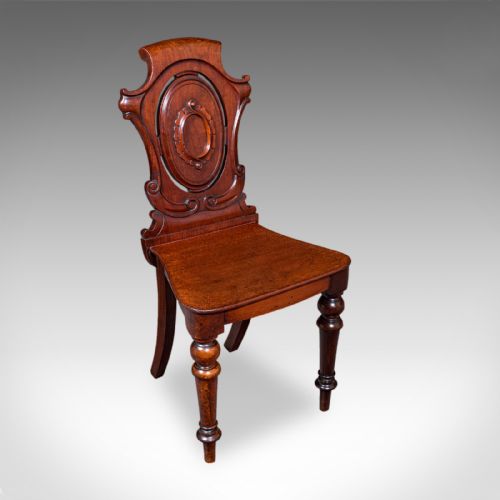
Proportion and utility dictate distinction, where balanced proportions in smaller box settles or matched pairs of mahogany hall chairs demonstrate superior design. The thickness of the solid boards and the complexity of panelled backs reveal the hand of a skilled maker.
One extraordinary bench accommodates equestrian enthusiasts with an integrated horse shoe design.
Charles Tozer
The Traditional Hall Seating Glossary
- Settle
- A wooden bench with high back, solid arms, and often a storage box beneath the seat. This form protected sitters from draughts in entrance halls.
- Monk's bench
- A multi-functional piece featuring a hinged back that folds down to convert the seat into a table. This design maximised space in period homes.
- Shield back
- A chair back shaped in the outline of a heraldic shield, popular during the Georgian and Regency periods. Cabinetmakers carved delicate drapery or fan motifs within the frame.
- Wainscot chair
- An early wooden armchair constructed with panelled backboards and turned legs. These heavy seats originated when oak was the primary domestic timber.
- Box settle
- A heavy wooden bench incorporating a lidded compartment beneath the seat for storing blankets or footwear. They formed central fixtures in traditional farmhouse halls.
Traditional Hall Seating: Frequently Asked Questions
What is traditional hall seating?
Traditional hall seating comprises benches, settles, and chairs designed for entranceways and corridors.
These functional items often incorporate hidden storage compartments beneath the seats for domestic items.
How were box settles used historically?
Box settles provided seating near entrance doors while blocking cold draughts from sweeping through hallways.
The lidded box underneath served as convenient storage for boots, heavy garments, and household blankets.
How do I identify a Georgian hall piece?
Georgian pieces typically display restrained classical proportions, honest oak or mahogany construction, and minimal carved detail.
They rely on the natural grain of the wood and solid joinery rather than heavy ornamentation.
Can I use a settle in a modern hallway?
A wooden settle fits naturally into contemporary hallways by offering practical seating and concealed storage.
Their robust timber construction withstands daily use while adding historical character to modern interiors.