


Scottish Hall Chairs
When you handle scottish hall chairs, you hold heavy oak and walnut pieces shaped by generations of cabinet-makers.
Scottish Hall Chairs
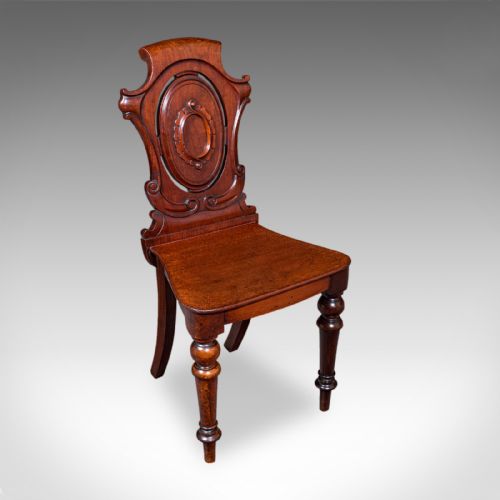
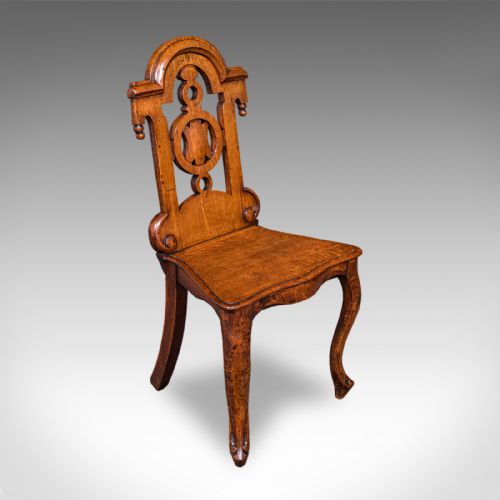
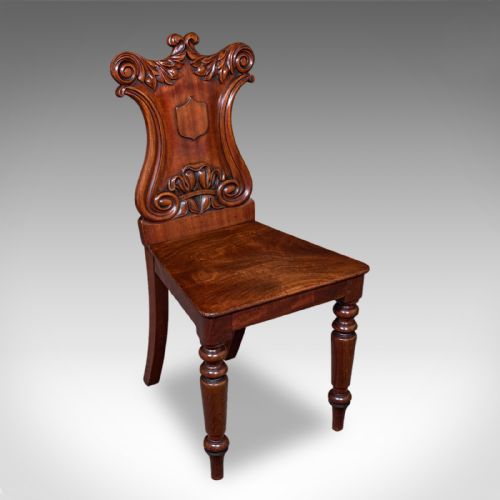
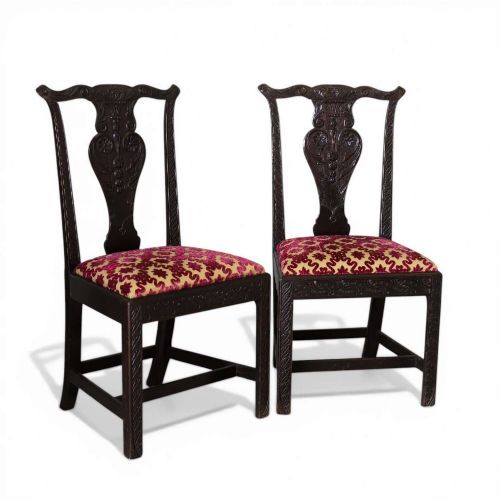
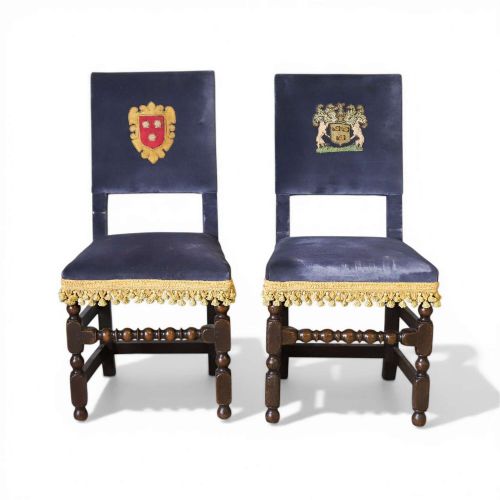
Scottish hall chairs appear in forms ranging from austere 17th-century oak clan seating to ornate Victorian shield backs and Gothic revival reception chairs. These heavy timber seats served entrance halls and reception rooms, bearing carved armorial crests or plain shield panels intended to impress visitors before they entered the main house.
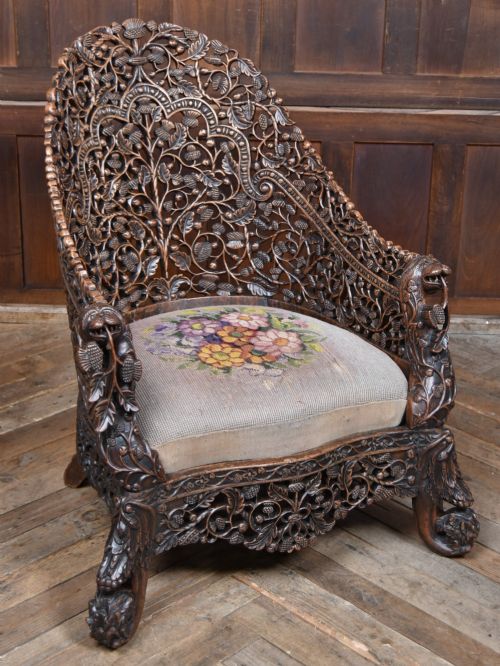
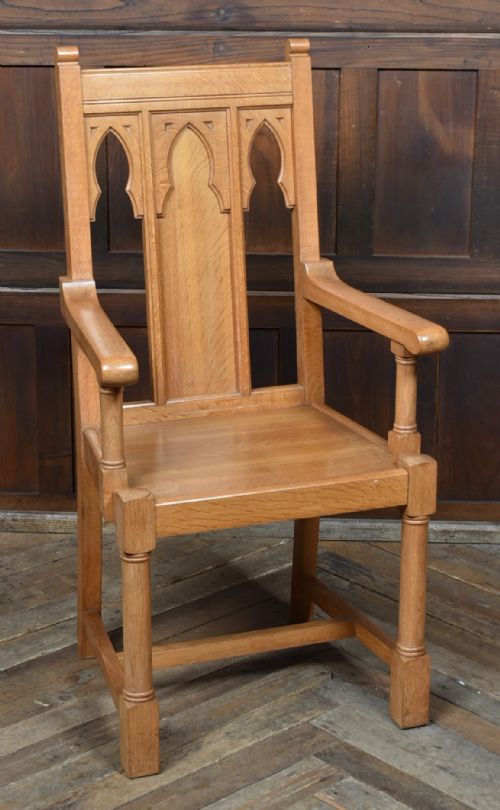
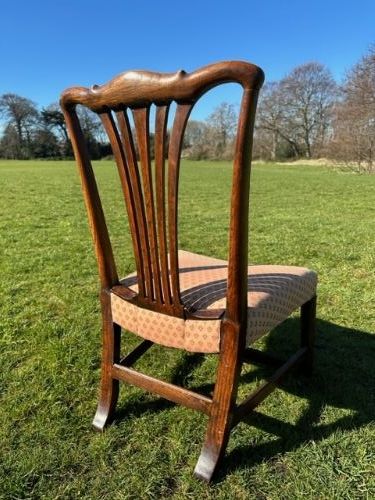
The pieces seen most frequently on this page date from the Victorian and Regency periods, rendered in solid oak or rich walnut with carved details. Alongside standard side chairs, the selection includes occasional seats, armchairs, and occasional chapel thrones that reflect distinct regional Scottish cabinet-making traditions.
Assessing Quality
Quality rests in the crispness of the timber carving and the selection of the wood grain, particularly where armorial crests or shield backs define the silhouette. Better examples show confident proportions and deep relief work that remains sharp across the crest and back panel.
Timber choice and structural heft separate standard seating from exceptional examples, with dense mature oak and figured walnut commanding greater presence. The integration of period upholstery fabrics or well-preserved needlepoint seats further distinguishes the upper tier.
Listings span periods from the seventeenth century through to the 1920s, dominated by oak and walnut timbers.
Whytock and Reid of Edinburgh
The Scottish Hall Chairs Glossary
- Shield Back
- A chair back shaped in the outline of a heraldic shield, frequently carved or painted with crests.
- Armorial
- Bearing heraldic arms or family crests, often carved directly into the timber of Scottish hall seating.
- Bobbin Turned
- A style of turning where timber is shaped on a lathe to resemble a series of rounded bobbins or beads.
- Gothic Revival
- An architectural and decorative style drawing on medieval forms, prominent in 19th-century hall chairs.
Scottish Hall Chairs: Frequently Asked Questions
Where were scottish hall chairs placed?
These chairs stood in grand entrance halls and reception rooms, designed to offer visitors a brief and formal seat.
Their substantial timber frames and carved heraldic crests created an immediate impression of lineage and status upon entering a home.
How do I identify a 17th-century chair?
Seventeenth-century examples rely heavily on dark, dense oak with deep hand-carved panels and often feature robust turnings.
They carry a distinct heft and simpler structural geometry compared to the lighter, more decorative shield backs of the Regency and Victorian eras.
What wood was most commonly used?
Oak and walnut dominate the selection, chosen for their durability and dark, rich tones that suited formal interior schemes.
Mahogany and elm appear less frequently, reflecting specific stylistic preferences during the Georgian and Regency periods.
Can these chairs be used daily?
Most pieces possess sturdy timber construction capable of handling regular use in modern hallways or reception spaces.
Care should be taken with antique upholstery and delicate fabric finishes to preserve their historical integrity over time.