
Traditional Hall Lantern
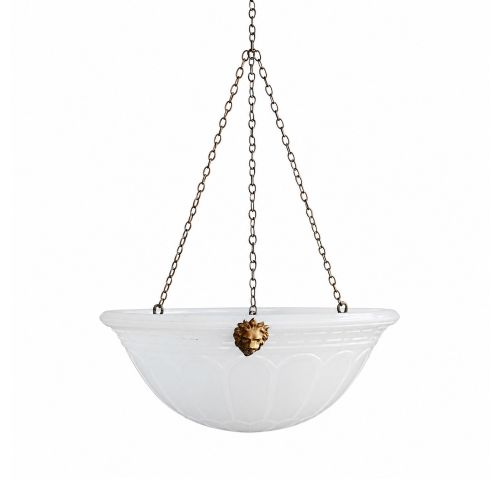
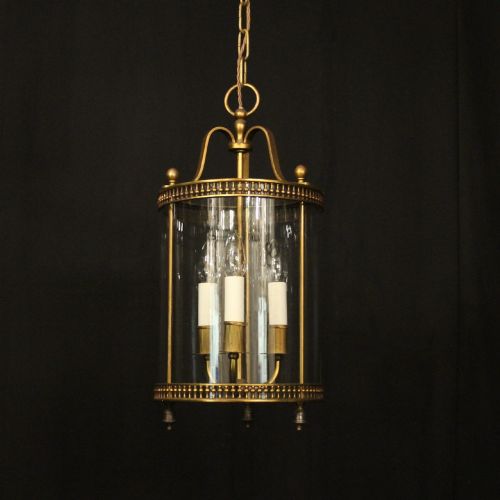
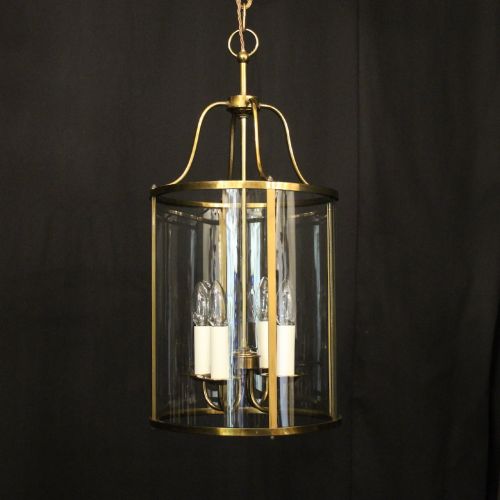
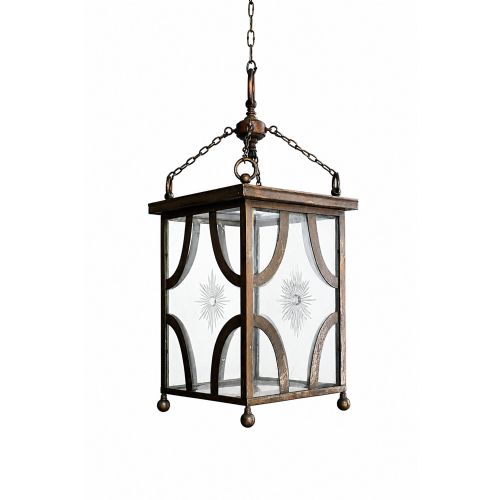
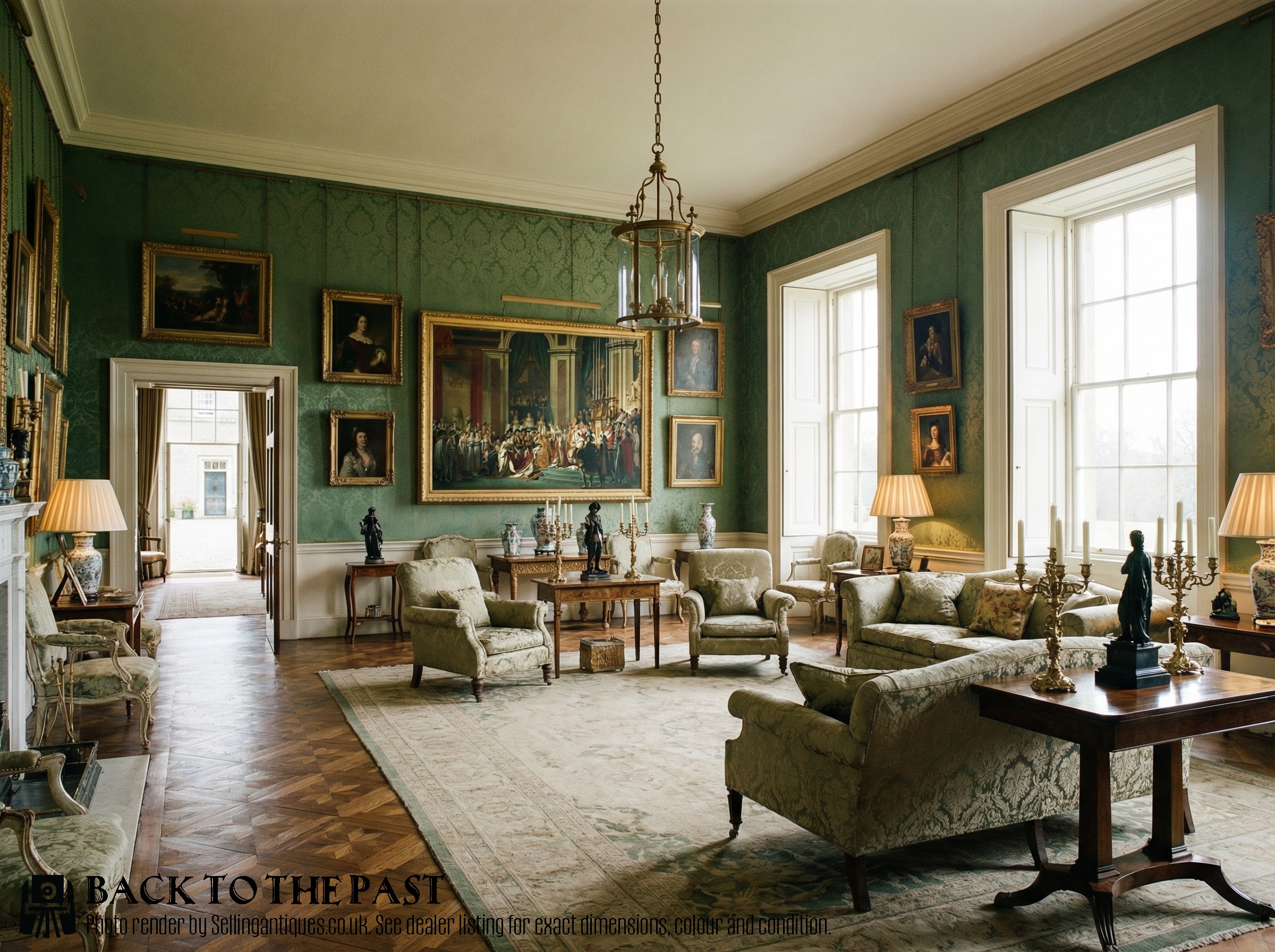
A traditional hall lantern provides an immediate statement in an entranceway, cast in brass, bronze, and glass across Victorian, Edwardian, and later periods.
Traditional Hall Lantern
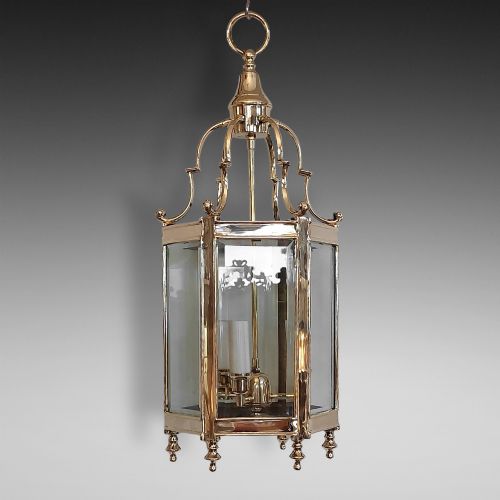
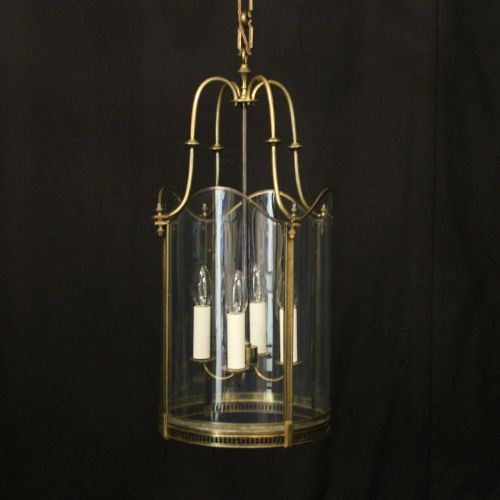
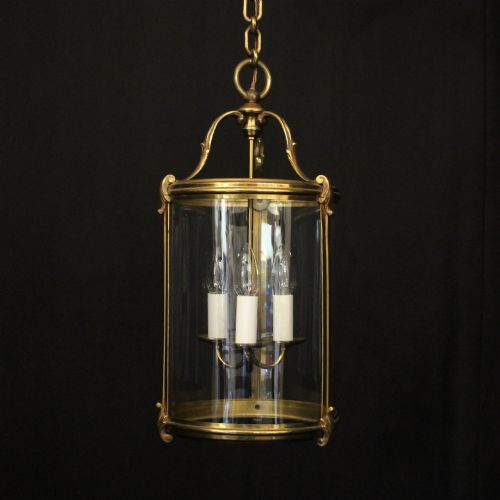
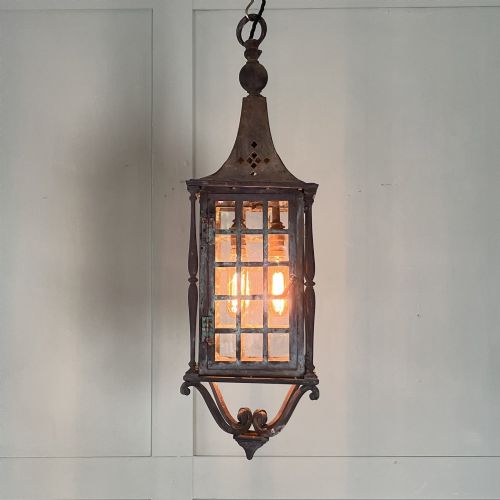
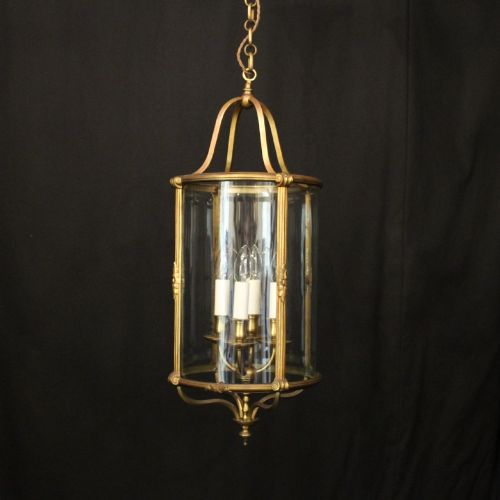
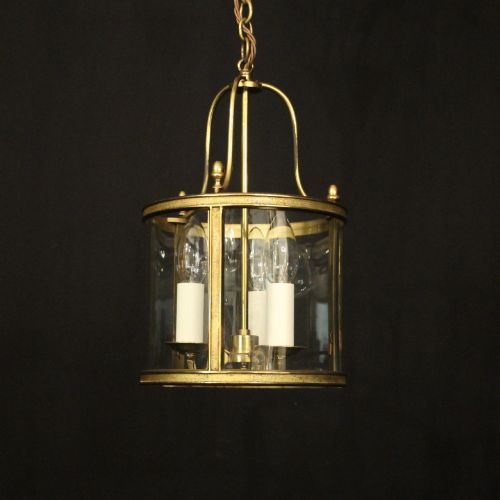
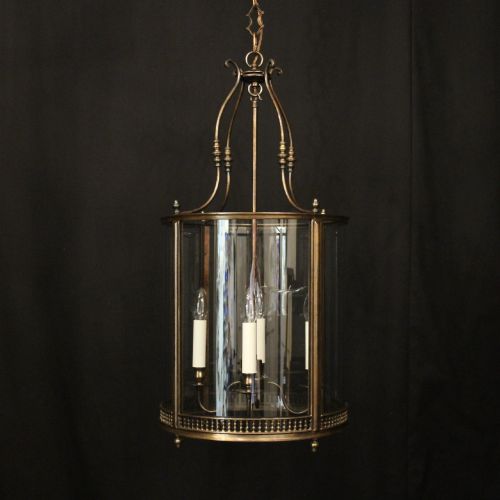
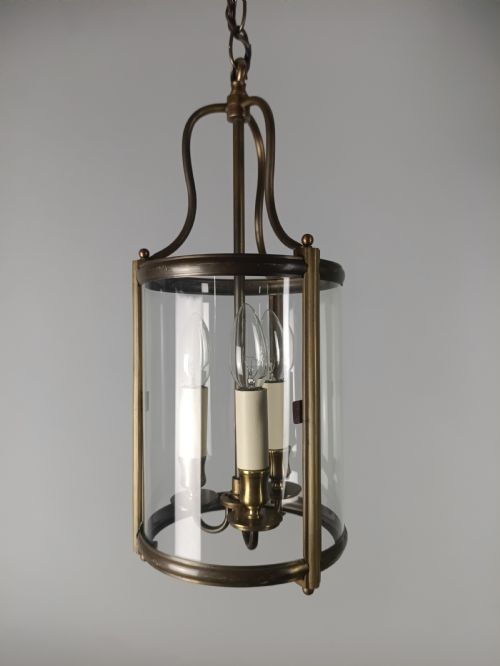
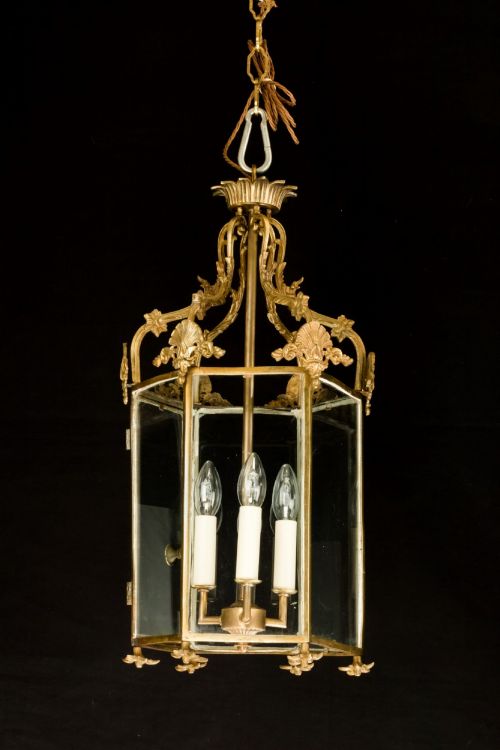
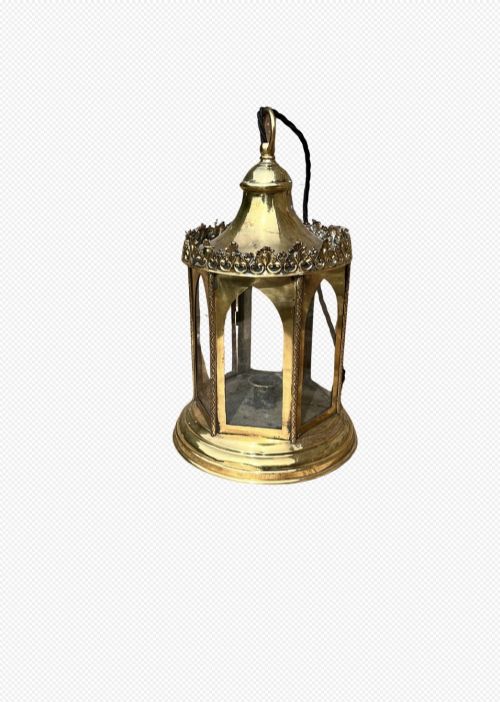
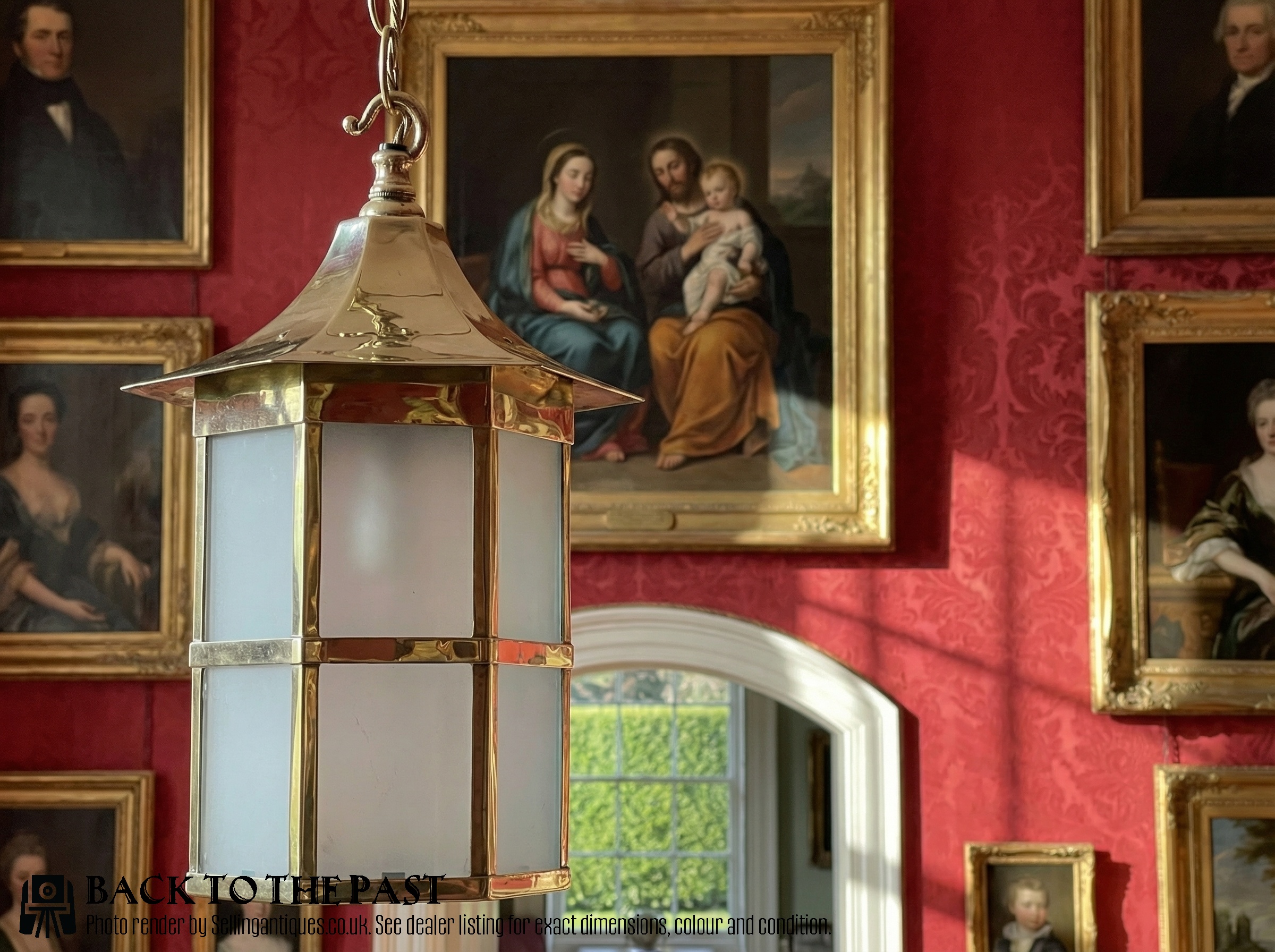
The selection ranges from simple hexagonal brass frames of the Edwardian era to ornate French gilded bronze models with convex glass. Examples span the nineteenth century through the 1930s, encompassing styles from Gothic Revival and Arts and Crafts to French Neoclassical.
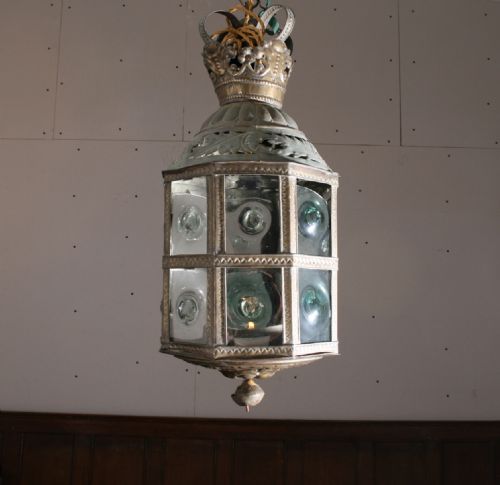
Most pieces seen here operate as pendant lights or hanging lanterns, housing single or multiple internal bulbs. Buyers frequently encounter English brass designs alongside French gilded bronze fixtures equipped with bevelled or hand-blown bullseye glass.

How they were made
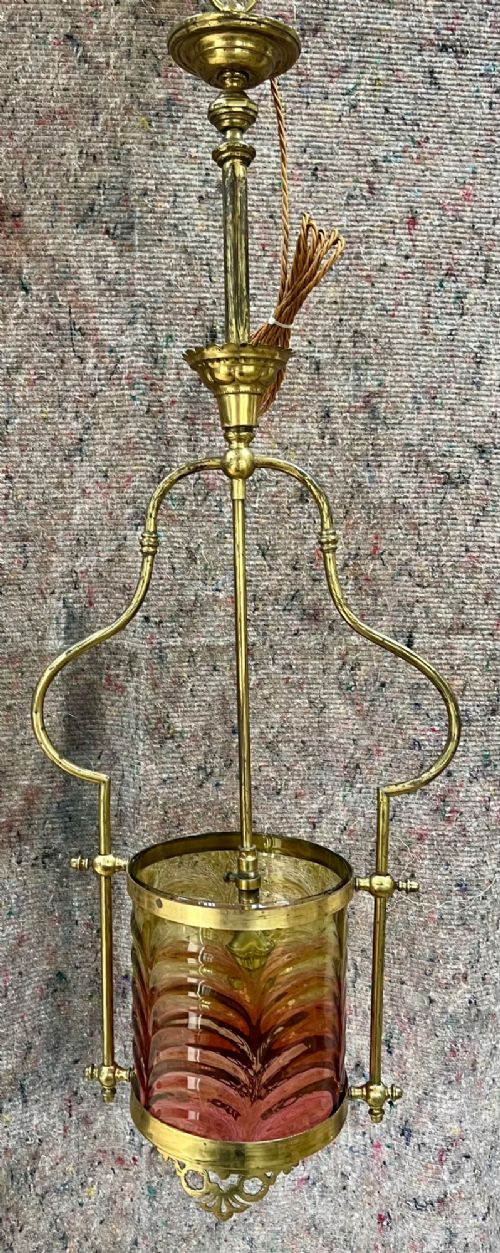
Metalwork forms the structural backbone of these lanterns, utilising cast and sheet brass, wrought iron, and bronze. Artisans gilded or polished the metal frames to catch the ambient light of gas or early electric bulbs.
Glazing techniques defined the character of each piece, incorporating flat panels, bevelled glass, or curved convex and moonstone panes. Makers also employed hand-blown bullseye glass, creating optical distortions that softened the internal illumination.
Traditional Hall Lantern Retail Price Guide 2026
Typical asking prices for traditional hall lantern among the pieces listed under this phrase on Sellingantiques today, from the lower quarter to the upper quarter. They describe what is for sale here now, not the wider market.
Early twentieth-century makers occasionally utilised heavy bullseye glass originally intended for ship decks in domestic hall lanterns.
What varies in quality
Quality rests in the weight of the metal casting and the crispness of decorative details on the brass or bronze frame. Superior lanterns utilise heavier gauge metals and hand-formed components rather than thin stamped sheet metal.
The glass selection similarly separates standard production from finer pieces, particularly where artisans cut bevels into thick plates or blew specialised convex and bullseye panes by hand.
The Traditional Hall Lantern Glossary
- Convex glass
- Curved glass panels that project outward from the lantern frame. This technique diffuses light more broadly across an entrance hall.
- Bevelled glass
- Glass panes featuring an angled edge ground along the perimeter. This treatment catches light and creates prismatic reflections.
- Hexagonal lantern
- A fixture built with six sides, commonly seen in Edwardian brass designs. This geometric form allows for balanced light distribution in narrow spaces.
- Gilded bronze
- Bronze metal coated with a thin layer of gold leaf or gilt wash. The finish provides a rich, warm tone that resists tarnishing over decades.
- Bulls-eye glass
- Circular glass panes featuring a prominent raised centre left by the glassblowing pontil. It adds distinct historic texture to the lantern body.
Traditional Hall Lantern: Frequently Asked Questions
Where should a hall lantern be hung?
These lanterns suit entrance halls, high-ceilinged corridors, and stairwells where overhead pendant lighting is practical. Ensure adequate clearance below the fixture for doors to open freely.
Position the lantern centrally in the space to allow the glazed panels to cast balanced illumination across the walls and flooring.
How do I date a brass hall lantern?
Dating relies on stylistic clues, construction methods, and materials associated with specific eras like the Edwardian period or the 1930s. Arts and Crafts examples display simpler, hand-finished metalwork, while French Neoclassical pieces feature formal cast ornamentation.
Examine the joins, screws, and wiring channels for signs of period manufacturing techniques. Earlier nineteenth-century pieces often exhibit heavier bronze casting and hand-blown glass variations.
Can these antique lanterns be wired for modern electricity?
Most antique lanterns adapt readily to modern electrical standards by replacing perished internal wiring with contemporary lamp holders. Professional rewiring preserves the original metal frame while ensuring safety compliance.
Consult a qualified electrician to inspect the internal fixtures and determine the appropriate bulb wattage for historic glass panels.
What is the difference between brass and gilded bronze?
Brass is an alloy of copper and zinc, valued for its bright golden appearance and durability in everyday domestic lighting. Gilded bronze contains a copper and tin base finished with a gold surface treatment.
Bronze offers greater weight and allows for sharper, more intricate cast decorative details than standard brass.