




Traditional Hall Armchairs
Traditional hall armchairs are robust, upright seats designed for entranceways and reception spaces, offering sturdy construction and enduring historical style.
Traditional Hall Armchairs
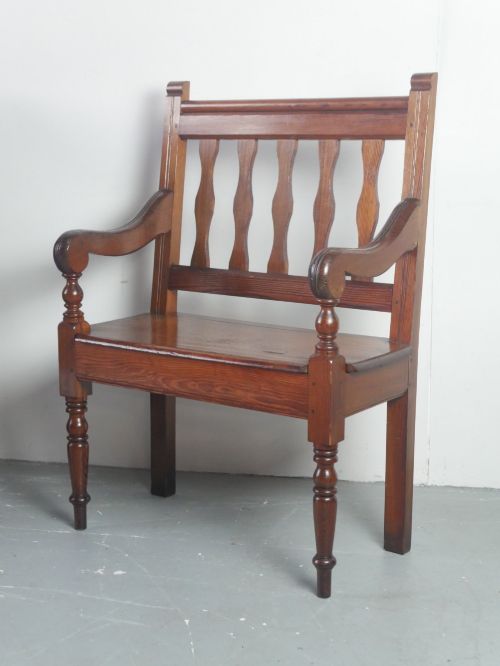
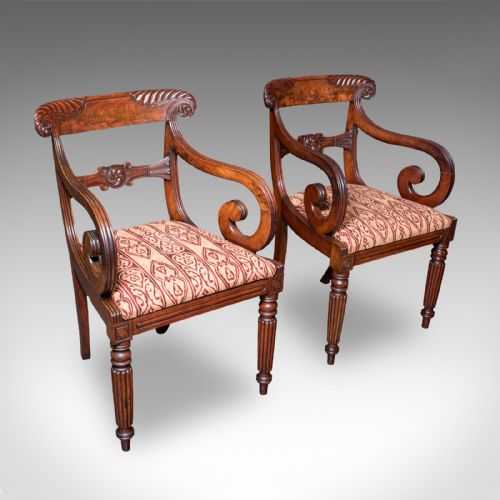
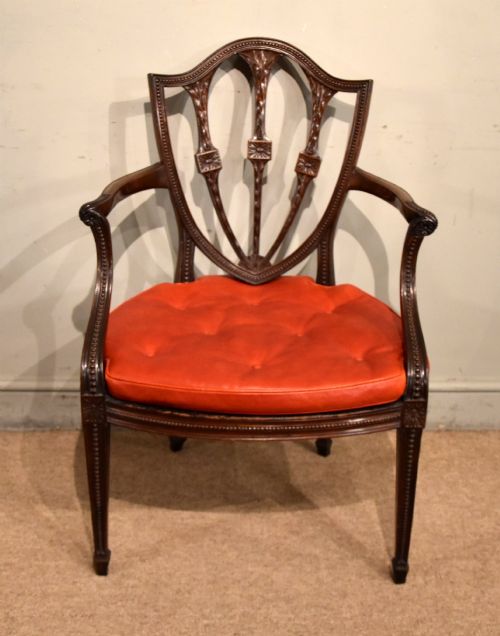
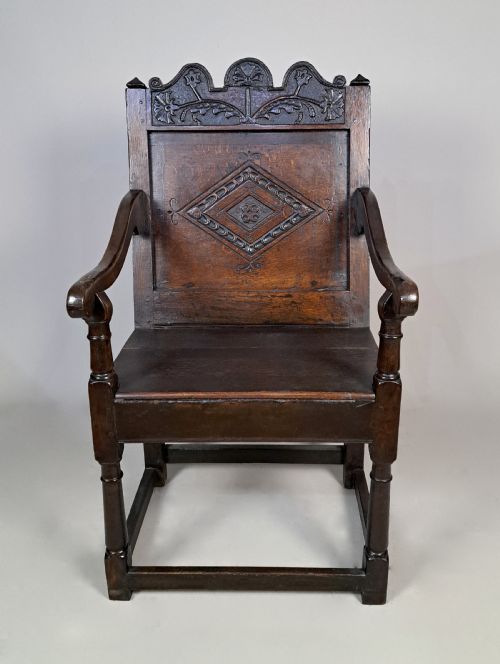
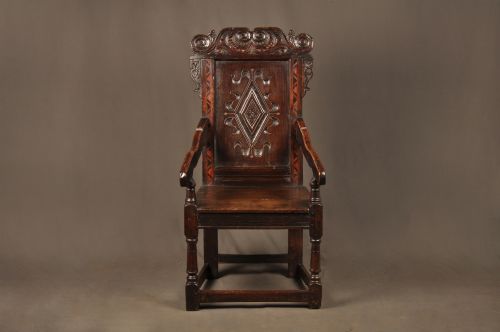
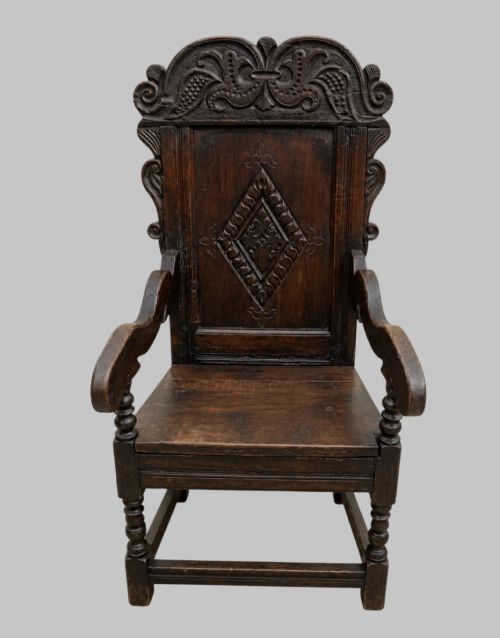
Traditional hall armchairs encompass heavy, structural seating options intended primarily for entryways, vestibules, and reception spaces. When exploring traditional hall armchairs, buyers frequently encounter pieces originating from the seventeenth century through to the Edwardian era and the nineteen-thirties.
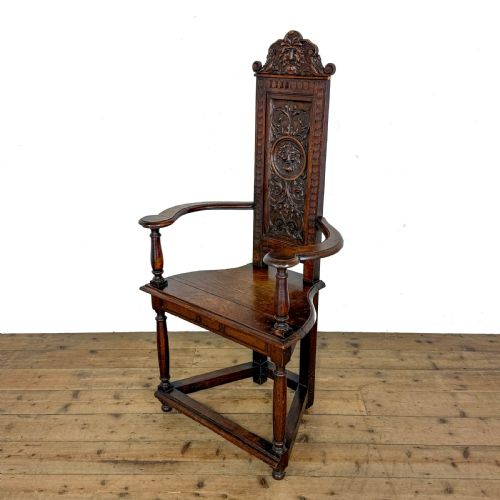
The selection ranges from early oak wainscot forms and barley twist carvers to Victorian corner chairs, Edwardian highback designs, and Chinese hardwood horseshoe benches. These seating options often double as functional benches, settles, or monks benches incorporating practical storage compartments.
Meticulous woodworking defines the core aesthetic, with particular emphasis on panelled backs, carved ornamentation, and substantial armrests. Pieces span diverse stylistic revivals, including Jacobean, Tudor, and William IV influences, alongside distinct Qing Dynasty items.
Assessing Quality and Craftsmanship
Quality in these seating items rests upon the integrity of the timber selection and the precision of the underlying joinery. Superior examples demonstrate tight, stable joints and wood that has aged naturally with a deep, undisturbed patina.
The depth and crispness of the hand-carved elements distinguish exceptional pieces from simpler, more mass-produced revival items. Furthermore, the preservation of original structural components without excessive modern timber replacement elevates the desirability of older pieces.
Some nineteenth-century hall porters' chairs feature enclosed hooded hoods originally designed to trap body heat from drafty castle entrances.
The Traditional Hall Armchairs Glossary
- Monks bench
- A multifunctional furniture piece featuring a hinged back that folds down over the arms to convert the seat into a small table. This practical design was utilised in compact or multi-use hallways.
- Barley twist
- A decorative turning technique resembling a spiralling rope, frequently utilised on the legs and arm supports of seventeenth-century and revival seating. Master turners carved these symmetrical grooves by hand using chisels and files.
- Settle
- A wooden bench featuring a high solid back designed to block cold draughts in entrance halls, often incorporating a storage box beneath the seat. They served as communal seating near the hearth or entryway.
- Corner chair
- A square seat set diagonally with a curved backrest supported by three or four legs, designed specifically to fit into room angles. This form gained popularity during the eighteenth and nineteenth centuries.
Traditional Hall Armchairs: Frequently Asked Questions
Where should I place a hall armchair?
These chairs suit entranceways, hallways, and large landing spaces where their upright posture and narrow profile make efficient use of circulation areas.
They also function effectively as occasional reception seating in studies or living rooms when paired with a side table.
How do I clean wooden armchairs?
Dust the timber regularly with a soft, dry cloth to prevent particulate buildup from dulling the surface finish. Apply a quality beeswax periodically to nourish the wood and maintain its natural lustre without using harsh chemical polishes.
Are these chairs comfortable for daily sitting?
Traditional designs prioritise sturdy upright posture and structural support over deep cushioning, reflecting their original placement in transition spaces. Most examples function best for brief periods of rest rather than extended lounging.
How can I date an oak armchair?
Examine the construction methods, tool marks, and wood grain patterns to determine the manufacturing period. Hand-cut joinery, pegged joints, and natural oxidation generally indicate older craftsmanship compared to later factory-produced revival pieces.