



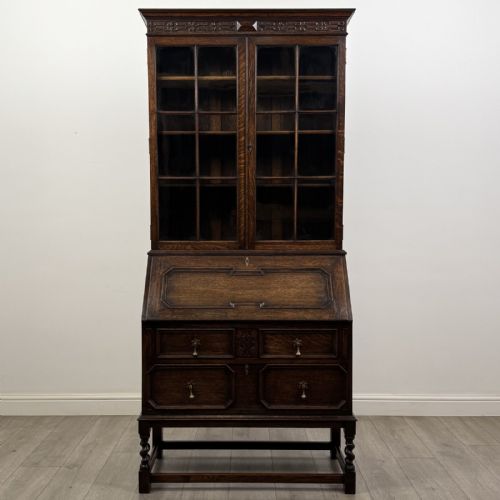
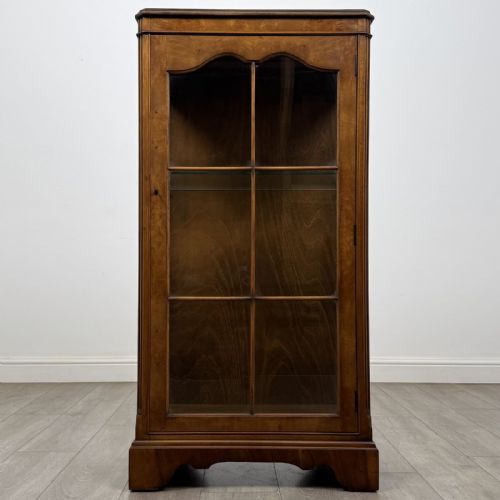
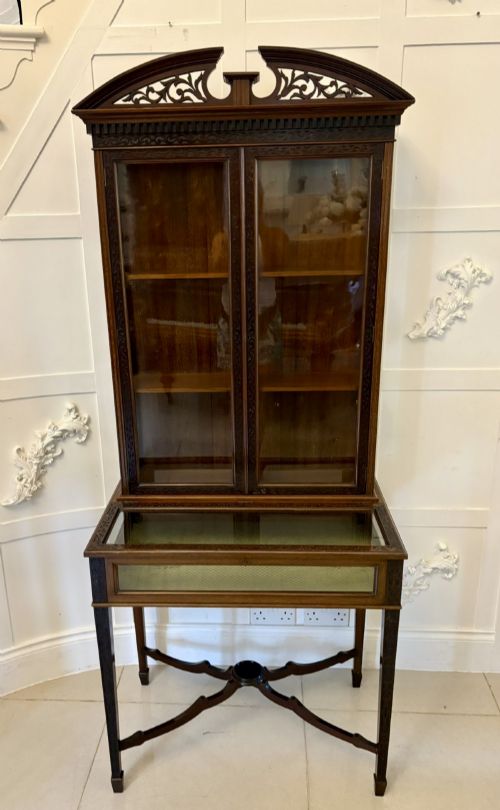
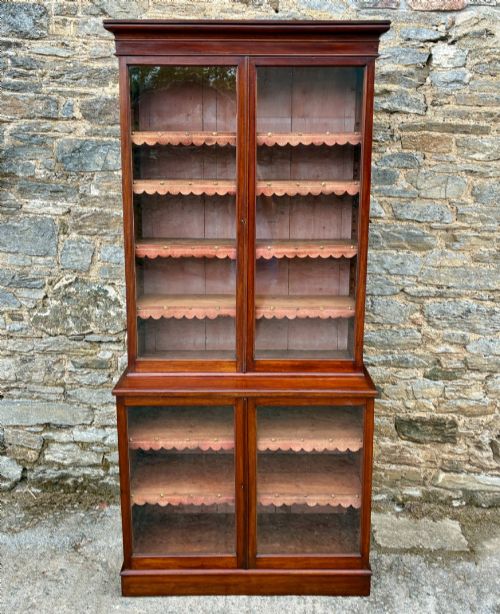
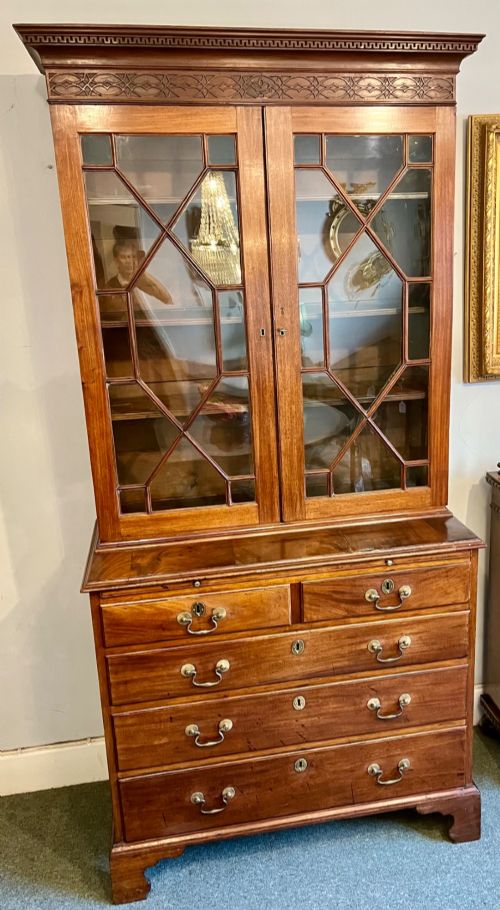
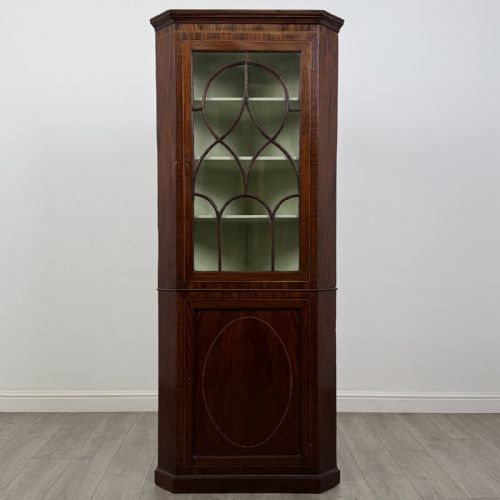
Traditional Glazed Cabinet
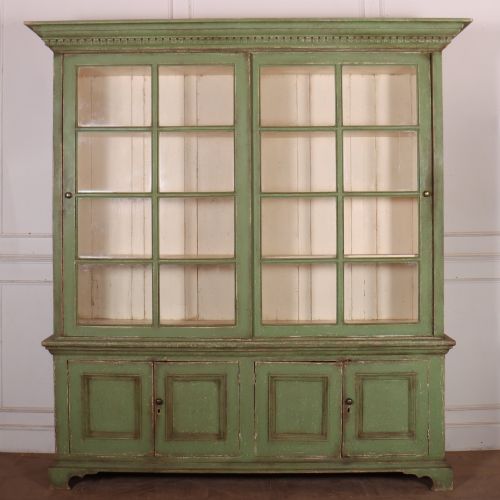
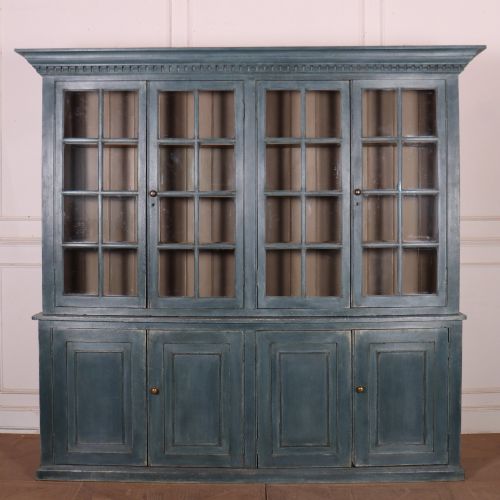
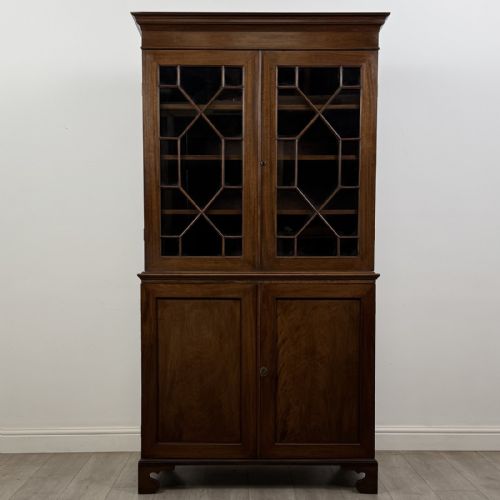
A traditional glazed cabinet is a storage piece with glass doors, designed to keep books or display objects visible yet protected.
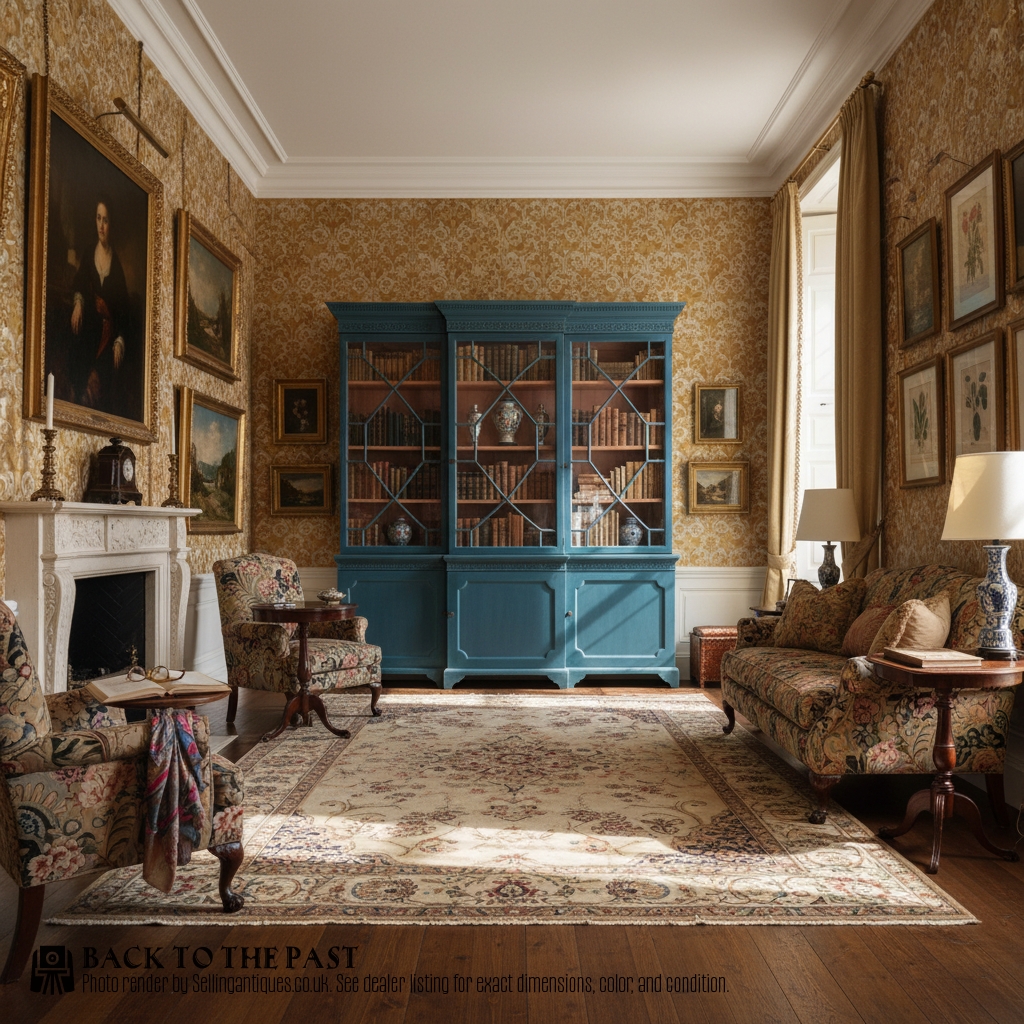
Traditional Glazed Cabinet
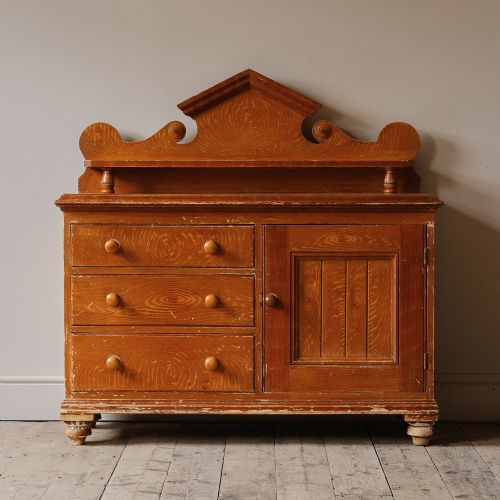
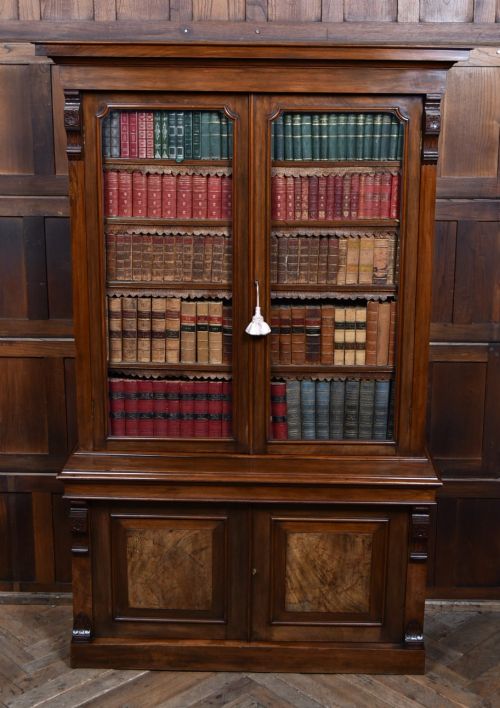
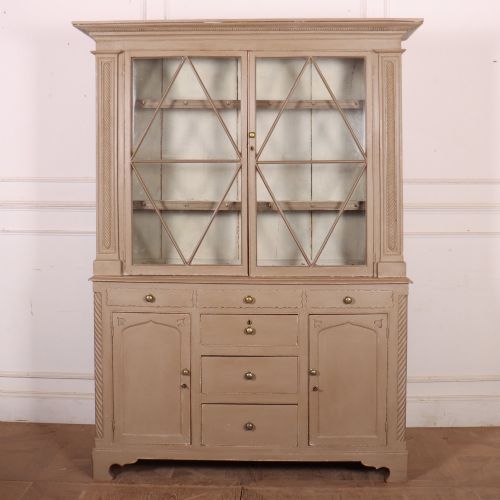
A traditional glazed cabinet appears in forms such as bookcases, display cabinets, corner cupboards, and kitchen dressers. These pieces serve both practical storage and display functions within domestic interiors.
The selection ranges from Georgian and Victorian periods through to Edwardian and later pieces dated around nineteen-twenty and nineteen-thirty. Oak, mahogany, and pine dominate the materials seen across these varied forms.
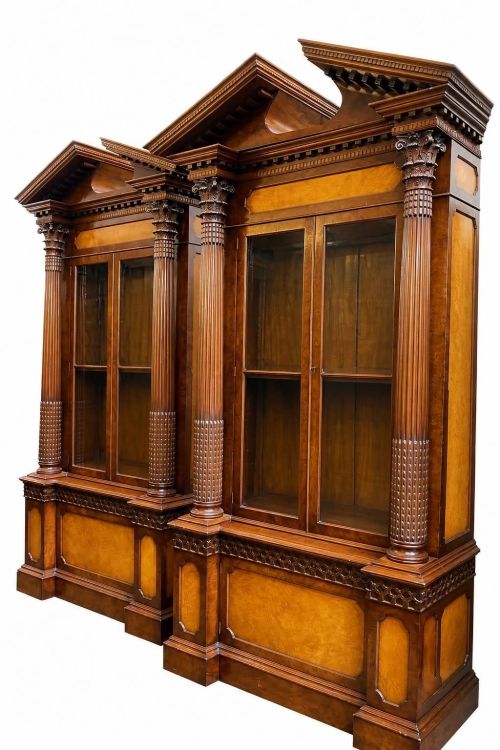
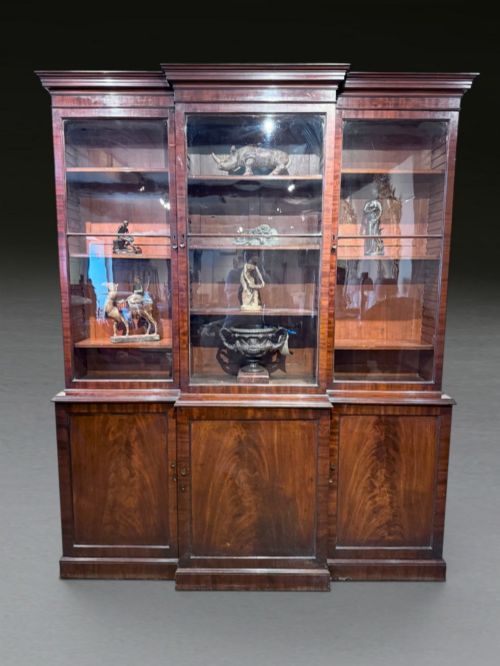
Buyers encounter examples spanning regional kitchen furniture to formal breakfront bookcases and bureau bookcases. Each type reflects the domestic habits and interior tastes of its original period of manufacture.
How they were made
Cabinet makers utilised hardwoods such as mahogany, oak, and burr walnut alongside softer timbers like pine for kitchen and country pieces. Timber selection dictated the structural weight and the potential for decorative carving or veneer work.
Glass panes are held within timber frames, sometimes supplemented by lead or brass fittings, whilst internal surfaces often received paint or wax finishes. Construction methods combine traditional joinery with period hardware to create functional shelving and cupboard space.
Traditional Glazed Cabinet Retail Price Guide 2026
Typical asking prices for traditional glazed cabinet among the pieces listed under this phrase on Sellingantiques today, from the lower quarter to the upper quarter. They describe what is for sale here now, not the wider market.
Listings feature pieces spanning the eighteenth, nineteenth, and twentieth centuries, utilising mahogany, oak, pine, brass, and glass.
What varies in quality
Quality rests upon the selection of timber, the crispness of any carved detailing, and the integrity of the original glass and framework. Finer pieces demonstrate superior joinery and thoughtful proportions that elevate them above standard utility furniture.
The refinement of the styling, whether straightforward English country or detailed Jacobean revival, sets the character of the piece. Finish and surface preservation further distinguish standard workshop production from finer cabinet work.
The Traditional Glazed Cabinet Glossary
- Breakfront
- A cabinet design where the central section projects forward from the flanking wings. This architectural arrangement creates depth and visual interest on larger bookcases.
- Bureau bookcase
- A combination piece featuring a sloping writing flap above shelving or enclosed storage. It provides a compact workspace alongside traditional display capacity.
- Corner cabinet
- A triangular storage unit built to fit neatly into room angles. These pieces maximise space in smaller apartments or dining rooms.
- Vitrine
- A glass-sided display cabinet designed primarily for showing porcelain and small artefacts. The style often incorporates decorative marquetry or fine woodwork.
- Linenfold
- A carved wooden panel motif resembling folded cloth. This decorative detail frequently appears on Edwardian oak furniture.
Traditional Glazed Cabinet: Frequently Asked Questions
What is a traditional glazed cabinet used for?
These cabinets serve primarily to store and display books, ceramics, and valued possessions behind protective glass doors. They keep dust away while maintaining visibility in living areas or studies.
Historically, larger versions housed household libraries or kitchen crockery in domestic settings. Today, they continue to organise collections whilst acting as central decorative furniture.
Where should I place a corner cabinet?
Corner cabinets fit directly into room intersections, making efficient use of otherwise neglected angles. They work well in dining rooms or studies to display glassware or books.
Their triangular footprint ensures they do not crowd walkways whilst adding architectural interest to empty corners. Proper placement balances the visual weight of surrounding furniture.
How do I care for antique pine furniture?
Pine furniture benefits from regular dusting with a soft, dry cloth to prevent surface grime buildup. Avoiding direct sunlight and extreme temperature changes protects the timber and wax or paint finishes.
Occasional waxing maintains the moisture balance of the wood without leaving heavy residues. Gentle maintenance preserves the character accumulated over decades of use.