


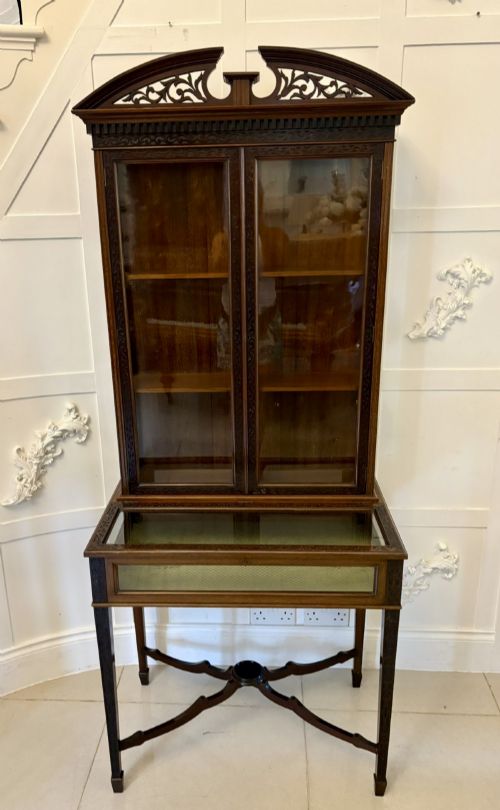
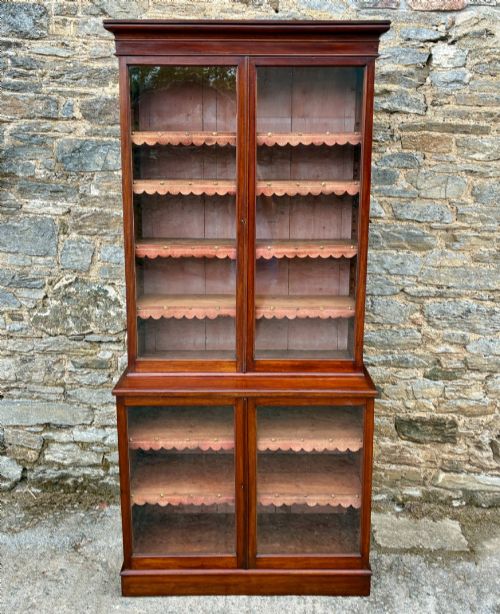
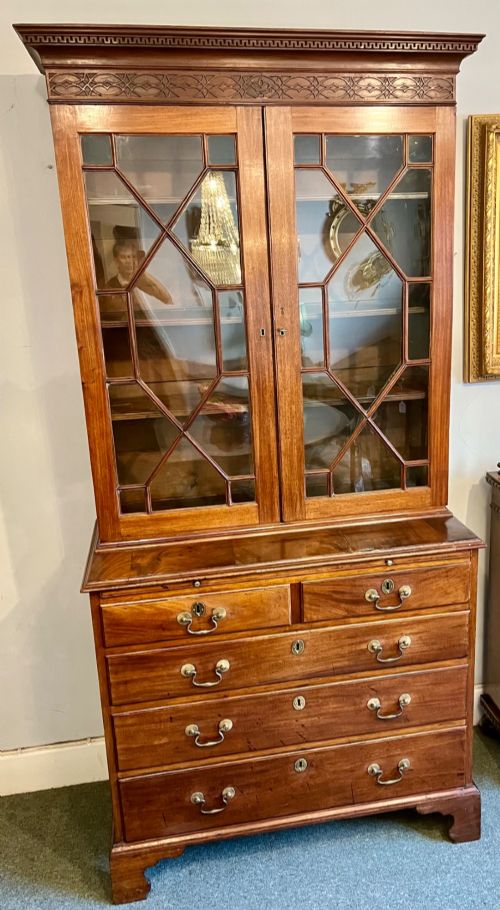
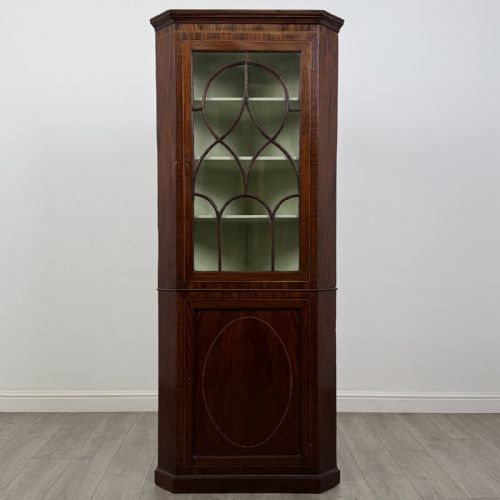
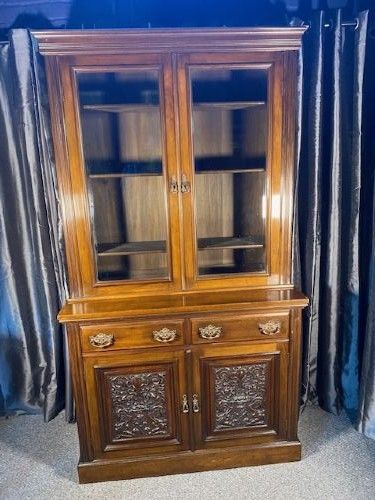
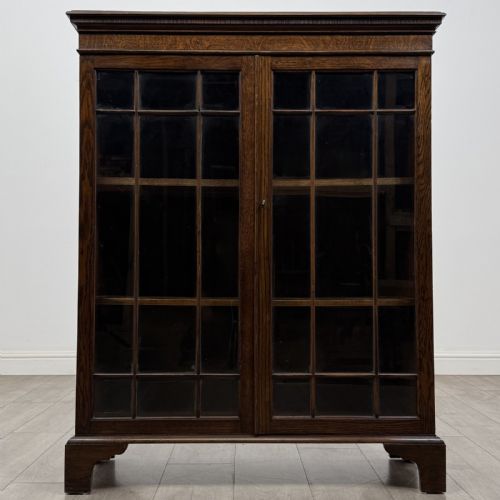
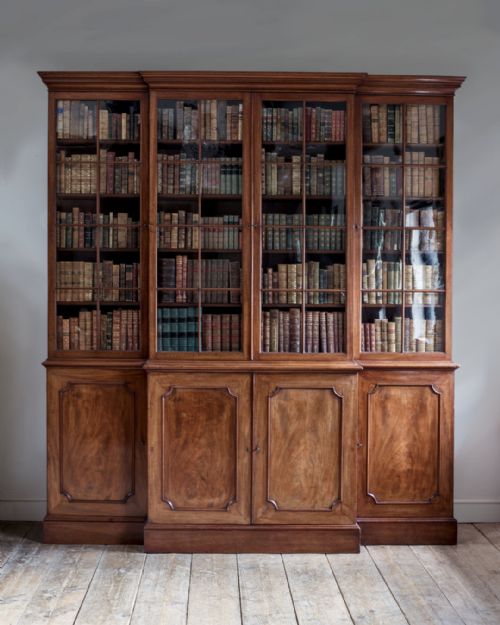
Traditional Glazed Bookcase
A traditional glazed bookcase brings together glass and timber to house a library while keeping volumes visible and protected.
Traditional Glazed Bookcase
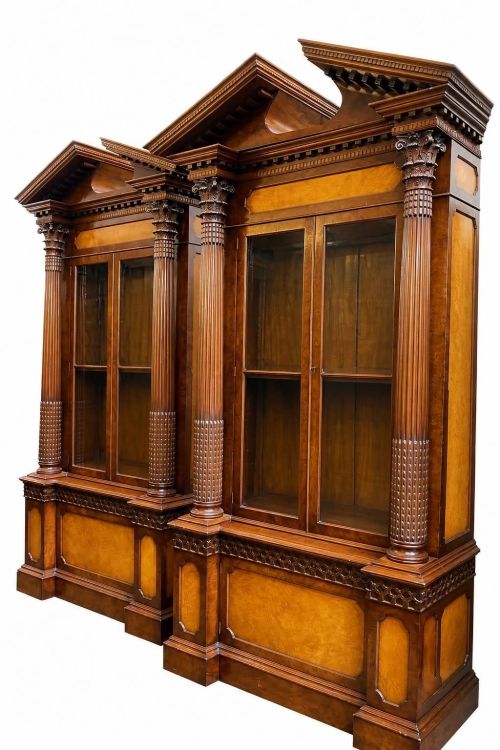
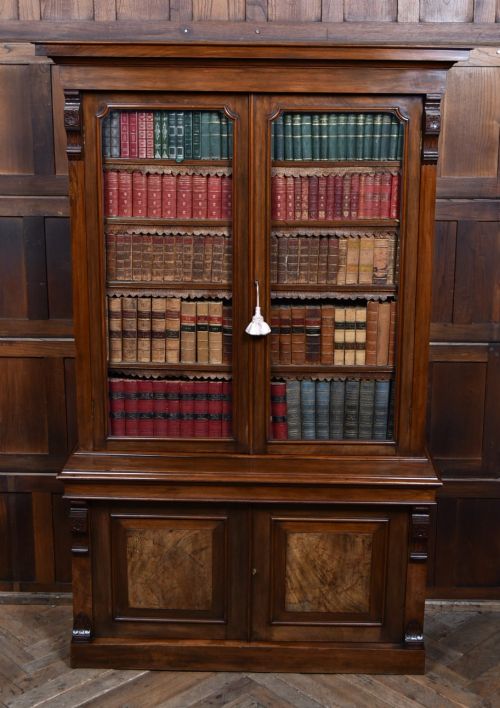
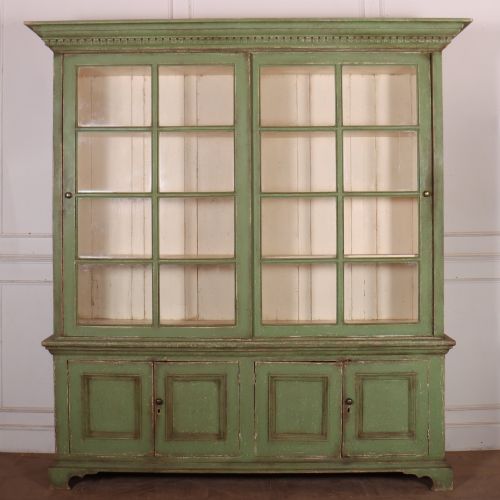
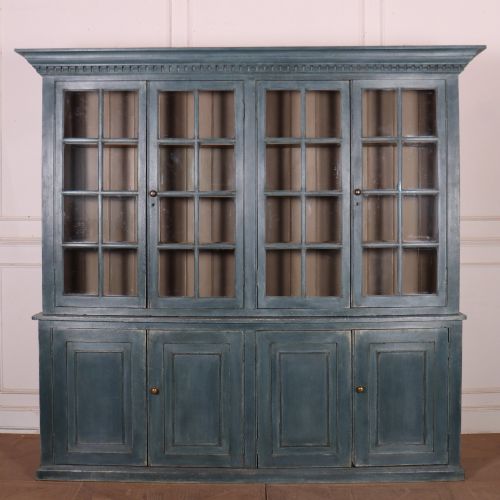
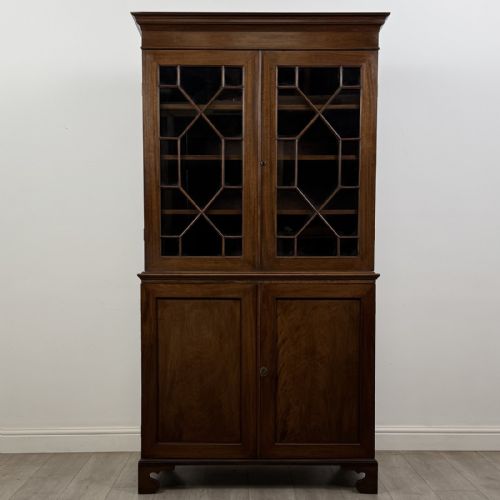
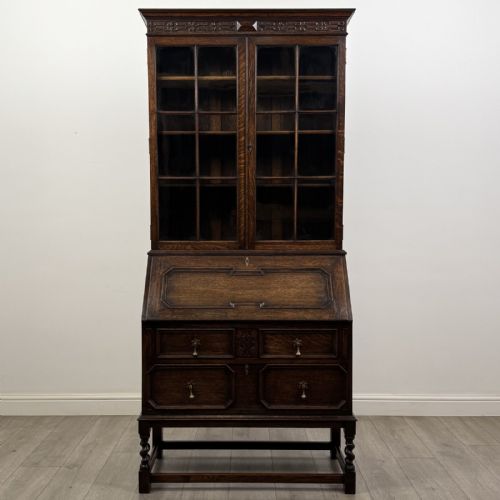
A traditional glazed bookcase is what you meet when searching for furniture designed to display and store books behind glass doors. These pieces span centuries, taking the form of tall library pieces, bureau bookcases, and kitchen dressers with glazed upper sections.
The versions most common on this page lean heavily towards nineteenth-century and early twentieth-century examples in oak, mahogany, and pine. You will encounter Georgian and Victorian variations alongside Edwardian and later twentieth-century interpretations.
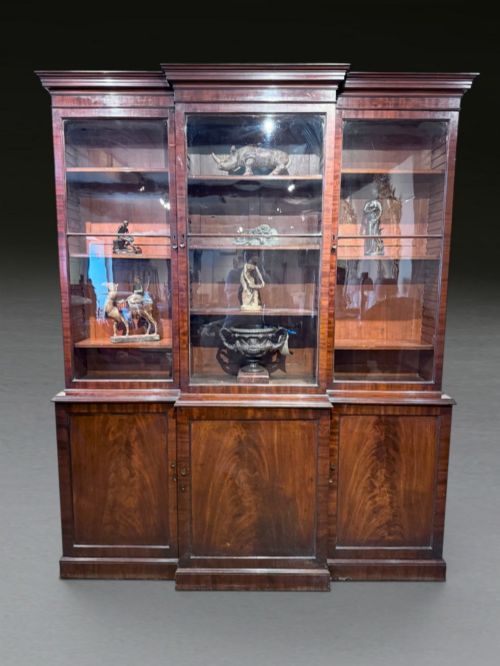
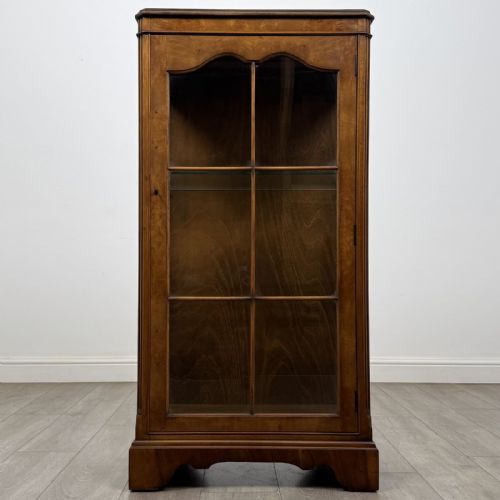
Forms range from breakfront library bookcases to compact display cabinets and stacking barristers. Many incorporate lower cupboards, bureau desks, or drawers beneath the glazed upper shelving.
Distinctions in quality
Quality rests upon the selection of timber and the precision of the cabinetmaker's joinery. Fine examples display carefully chosen mahogany grain, tight dovetailing in the drawers, and well-balanced proportions across breakfront or bureau configurations.
Simpler vernacular pieces, such as painted pine dressers or school library cupboards, prioritise utility over decorative cabinetry. The presence of original glass panes, working brass locks, and intact internal fittings elevates the standing of any piece.
Traditional Glazed Bookcase Retail Price Guide 2026
Typical asking prices for traditional glazed bookcase among the pieces listed under this phrase on Sellingantiques today, from the lower quarter to the upper quarter. They describe what is for sale here now, not the wider market.
Listings feature eighteenth-century, Victorian, Edwardian, and twentieth-century periods in mahogany, oak, pine, and walnut.
The Traditional Glazed Bookcase Glossary
- Bureau bookcase
- A combination of a sloping writing flap enclosing small drawers and pigeonholes with a glazed bookcase top.
- Breakfront
- A cabinet front where the central section projects forward from the flanking outer wings.
- Secretaire
- A piece of furniture incorporating a pull-out writing drawer fitted with a drop-front writing surface.
- Vitrine
- A glass-sided display cabinet used primarily for showing porcelain or decorative objects rather than books.
Traditional Glazed Bookcase: Frequently Asked Questions
What is a traditional glazed bookcase?
A traditional glazed bookcase is a piece of furniture featuring glass-paned doors enclosing shelving for book storage and display. They combine timber framing with transparent panels to protect volumes from dust while keeping titles visible.
These pieces range from tall nineteenth-century library bookcases to bureau formats and kitchen dressers with glazed tops. They serve as functional storage that doubles as a display focal point in a room.
How do I date a glazed bookcase?
Dating relies on observing the timber species, construction methods, and stylistic details present in the piece. Georgian and Victorian examples often feature mahogany with hand-cut dovetails, while Edwardian and later twentieth-century pieces frequently utilise oak or pine.
Hardware such as brass hinges and locks also provides clues to the period. Comparing the mouldings and overall proportions against known historical styles helps narrow down the decade of manufacture.
Can these hold heavy books?
Most traditional glazed bookcases are built with solid timber shelving designed to support substantial libraries. Solid oak, mahogany, and pine boards provide the structural rigidity needed for heavy volumes.
Earlier library and school bookcases were engineered specifically for heavy working use. However, checking the thickness and support of individual shelves remains sensible when storing large collections.
Where should I place one?
These bookcases suit studies, living rooms, and libraries where books require both protection and visibility. Tall breakfront or bureau formats demand adequate wall space and ceiling height to sit comfortably in a room.
Keeping them away from direct sunlight and dramatic temperature swings protects the timber and glass. Their enclosed shelving keeps dust away from paper collections in daily domestic environments.