


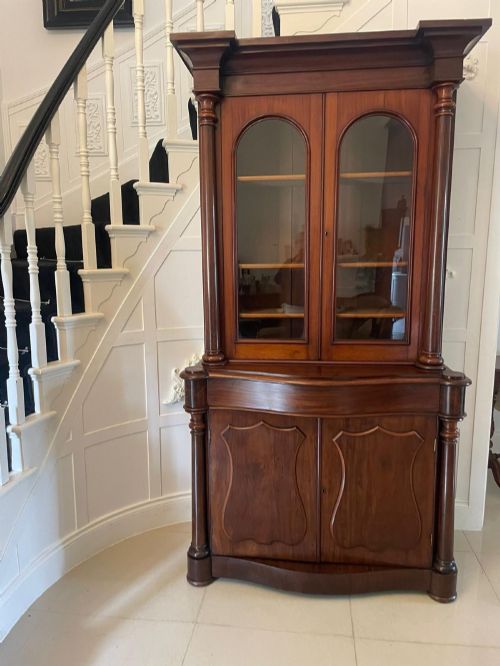
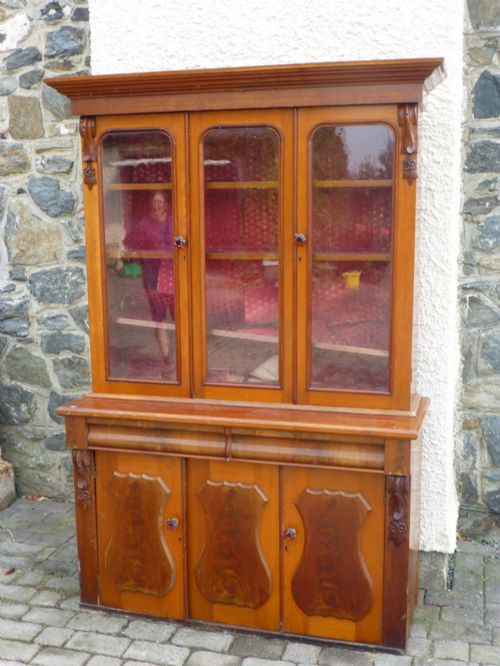
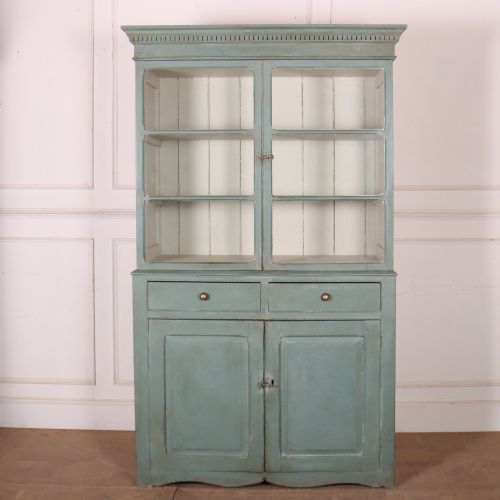
Traditional Glass Display Cabinet
A traditional glass display cabinet brings timber and clear panes together to hold china and books.
Traditional Glass Display Cabinet
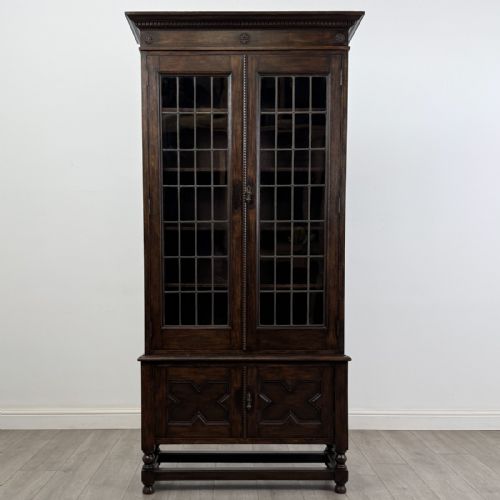
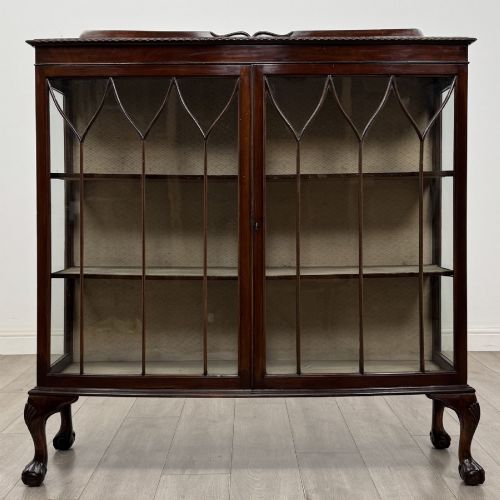
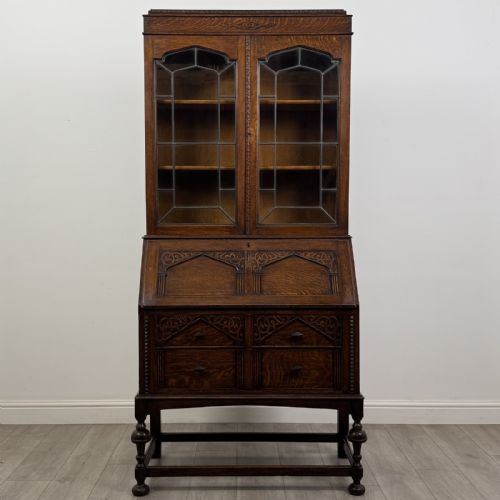
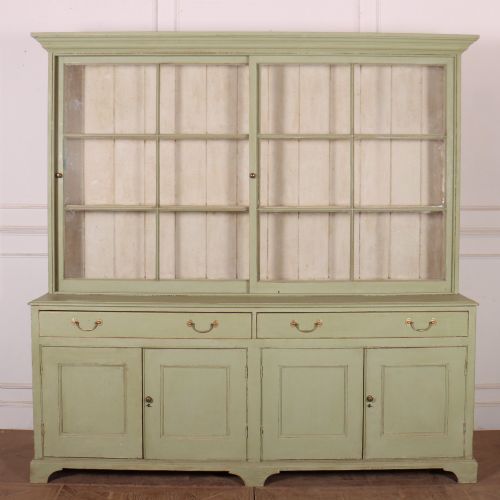
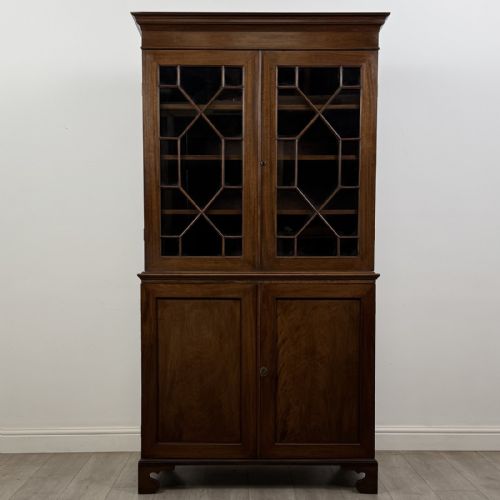
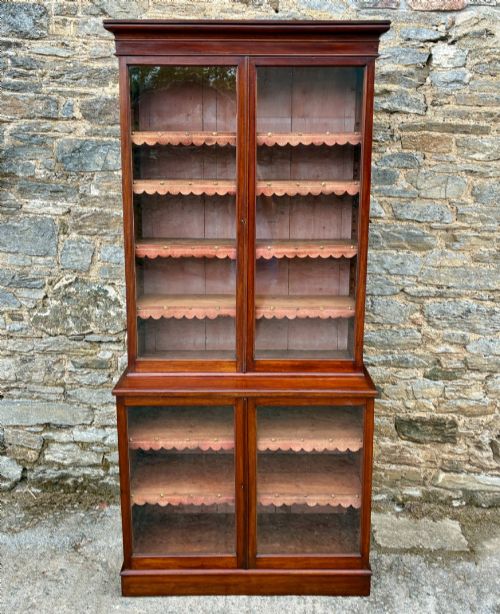
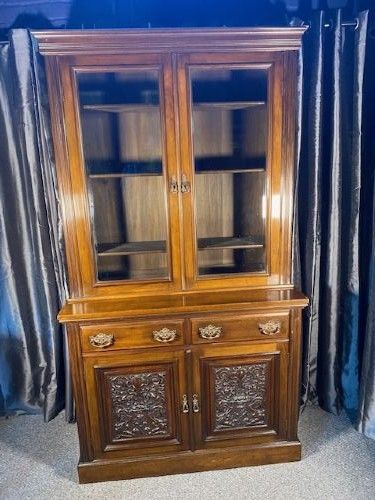
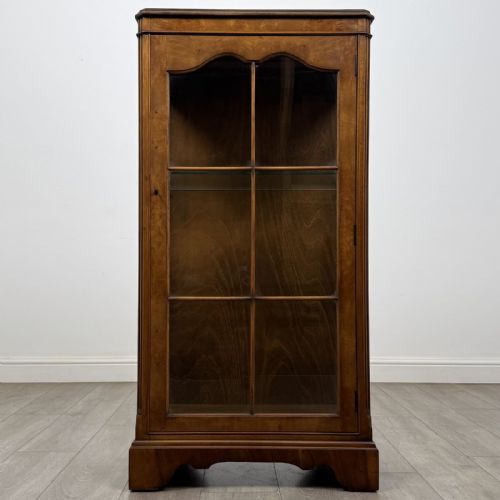
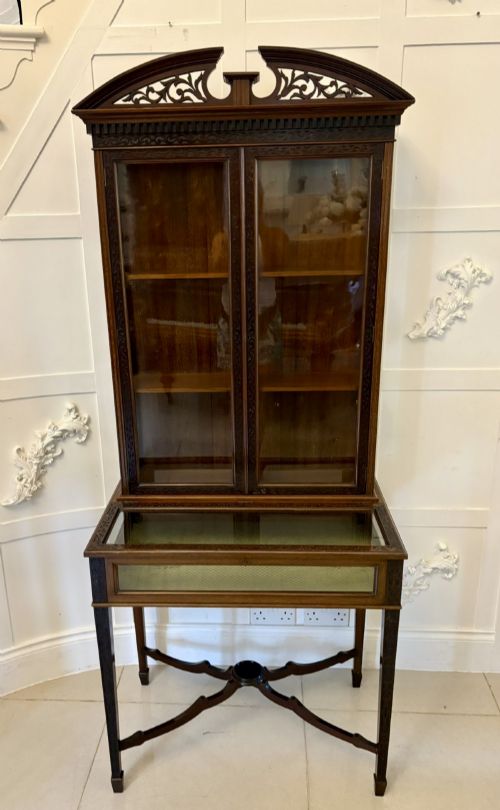
A traditional glass display cabinet takes several architectural forms, appearing as tall bookcases, bureau bookcases, dressers, and freestanding vitrines. These items serve to organise and exhibit valued collections behind transparent doors while protecting the contents from dust.
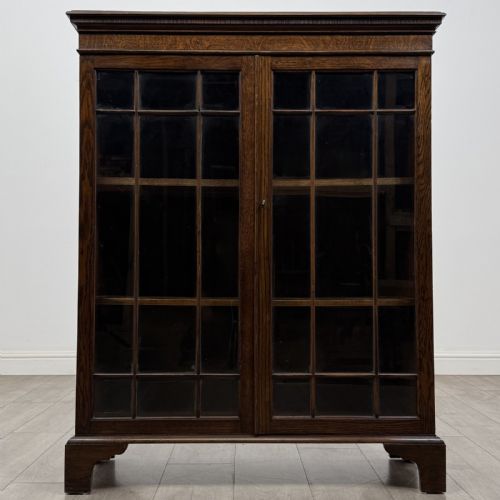
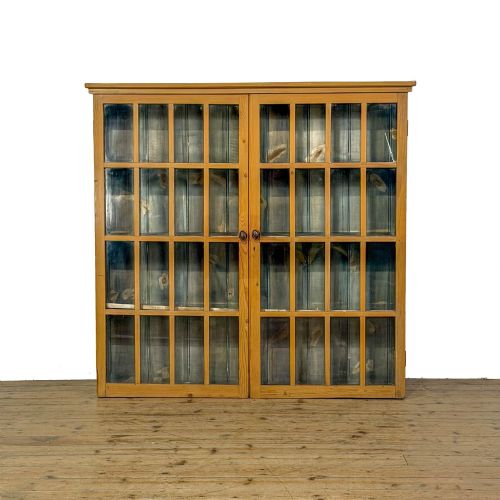
The selection includes pieces spanning the nineteenth and early twentieth centuries, drawing on Victorian, Edwardian, and Georgian design influences. Oak, mahogany, walnut, and pine form the primary structure of these cabinets, often featuring glass panels held by lead or wooden framing.
How they were made
Cabinet makers utilised dense hardwoods such as mahogany, oak, and walnut, alongside softer pine, constructing carcasses with panelled doors and fitted shelving. Brass hardware, carved wooden panels, and marquetry inlay ornament the exterior surfaces.
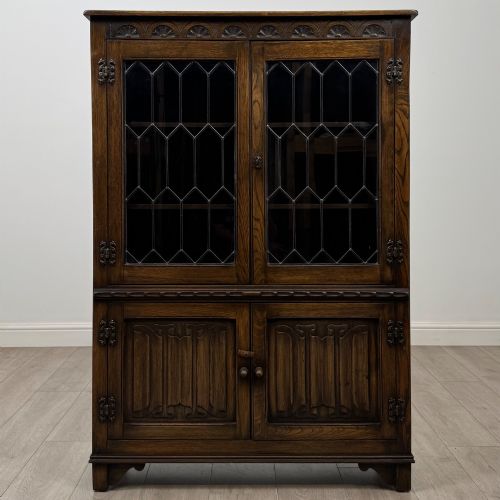
Glazing techniques involve leaded glass, astral bars, and large single glass panes fitted into timber doors to showcase the interior. Iron and brass fixings secure the opening mechanisms and structural joints.
Traditional Glass Display Cabinet Retail Price Guide 2026
Typical asking prices for traditional glass display cabinet among the pieces listed under this phrase on Sellingantiques today, from the lower quarter to the upper quarter. They describe what is for sale here now, not the wider market.
Listings feature oak, mahogany, walnut, and pine cabinets spanning the nineteenth and early twentieth centuries.
What varies in quality
Construction standards differ between mass-produced items and bespoke pieces, showing in the thickness of the timber and the precision of the joinery. Burr walnut veneers and detailed hand-carved panels elevate a piece above simpler utilitarian storage.
The clarity and original state of the glass panes, alongside the survival of matching brass and iron fittings, influence the overall character of the cabinet. Finer examples retain their original polished finishes and well-fitted doors without warping.
The Traditional Glass Display Cabinet Glossary
- Vitrine
- A glass display cabinet designed primarily for the exhibition of porcelain, curiosities, and small objects. These pieces often feature glass on multiple sides to let light pass through.
- Astral glazing
- A method of dividing a glass window or door into smaller panes using narrow wooden bars. This technique creates a grid pattern typical of eighteenth and nineteenth-century cabinetry.
- Bureau bookcase
- A dual-purpose piece combining a slant-front writing desk at the bottom with a glazed shelving section above. The upper cabinet safely stores books or china.
- Leaded glass
- Small panes of glass joined together by strips of lead cames to form geometric or decorative patterns. It frequently appears in Edwardian and revival style cabinets.
Traditional Glass Display Cabinet: Frequently Asked Questions
How do I clean the glass?
Wipe the glass panes gently using a lint-free cloth and a mild glass cleaning solution applied to the cloth rather than directly onto the wood.
Keep moisture away from the timber frames and lead cames to preserve the surrounding finish.
Can I adjust the shelves?
Many older cabinets feature fixed wooden shelving grooved into the carcass sides rather than modern adjustable metal pegs.
Heavier books and large ceramic pieces require sturdy support within these older configurations.
How do I identify the wood type?
Examine the grain patterns, colour tones, and weight of the timber to distinguish between oak, mahogany, walnut, and pine.
Mahogany typically shows a deep reddish-brown hue, while oak displays prominent growth rings and medullary rays.
Are the locks original?
Original brass and iron locks often accompany period escutcheons, though working keys may vary due to replacements over time.
Inspect the interior mechanism and bolt movement to see if the hardware dates to the manufacture period.