
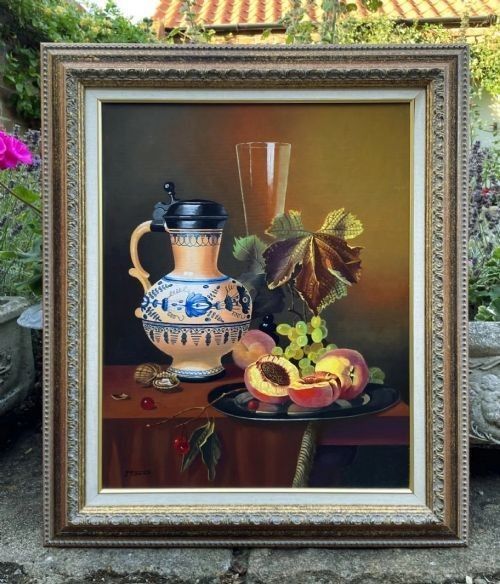
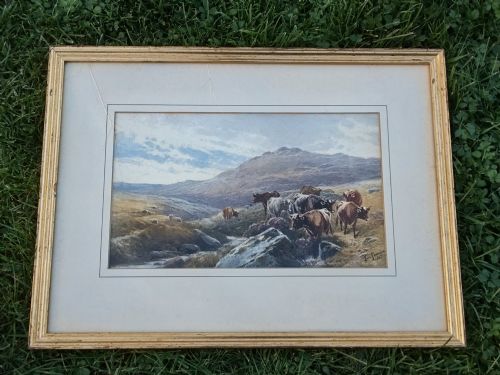
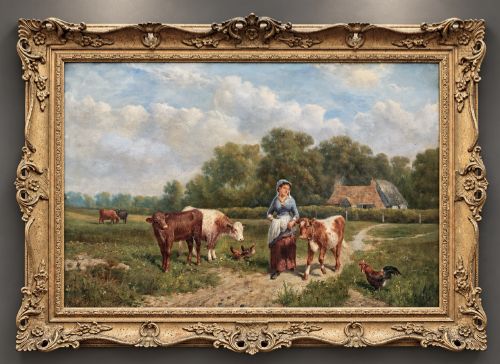
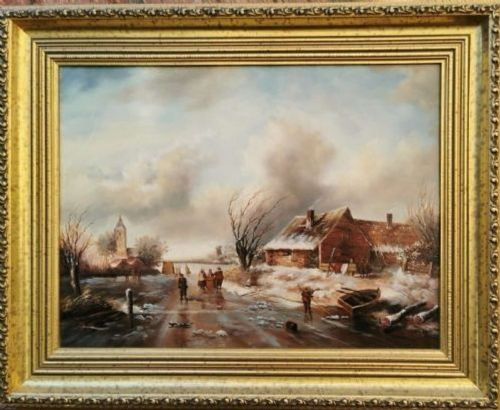
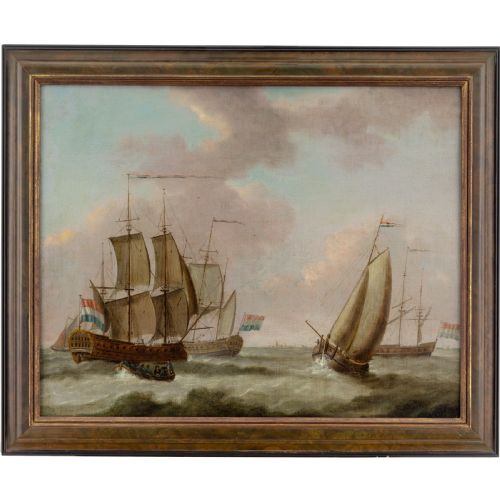
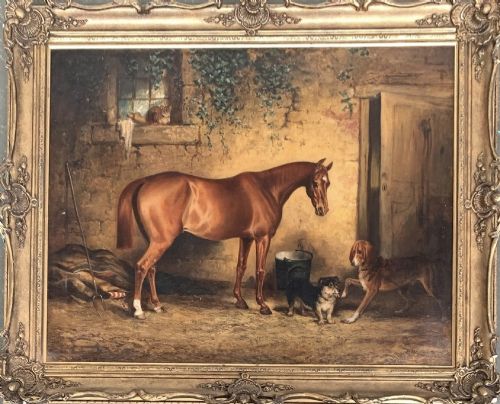
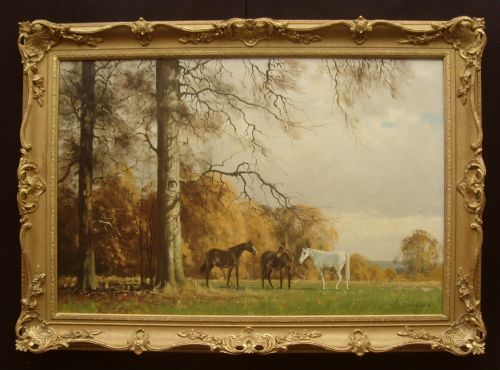
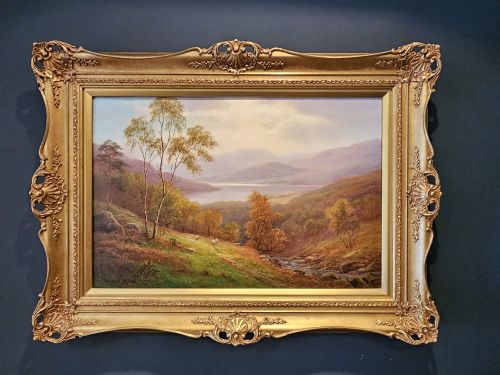
Traditional Gilt Artwork Frame
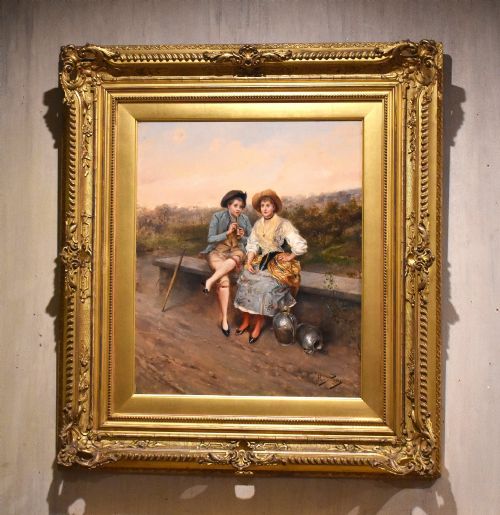
When you search for a traditional gilt artwork frame, you are looking at framing built to hold period oil paintings and watercolours using wood, gesso and gold leaf.
Traditional Gilt Artwork Frame
A traditional gilt artwork frame provides a decorative boundary for period canvases, panels and works on paper, designed to complement the subject matter within.
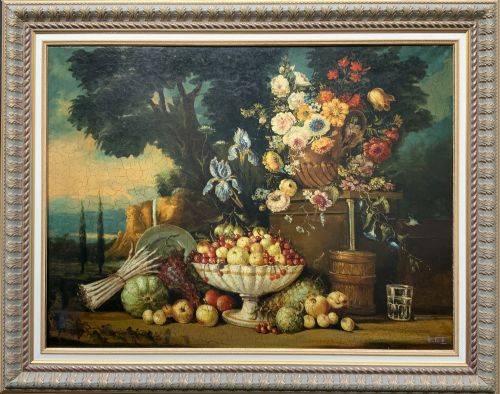
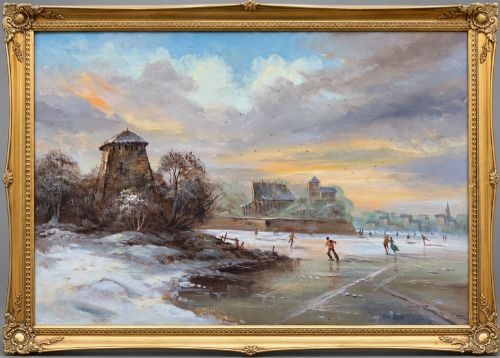
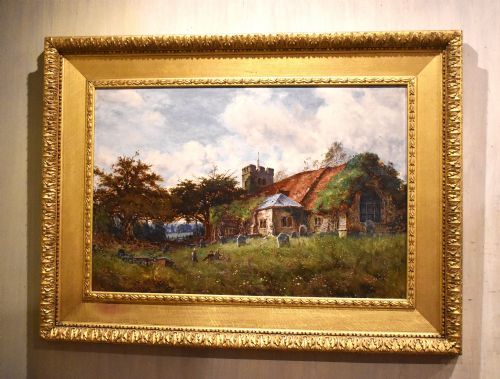
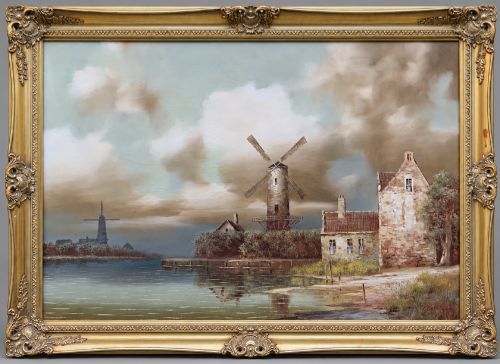
The versions most commonly met on this page combine wood construction with sculpted gesso and gold leaf finishes, often housing 19th-century or earlier oil paintings.
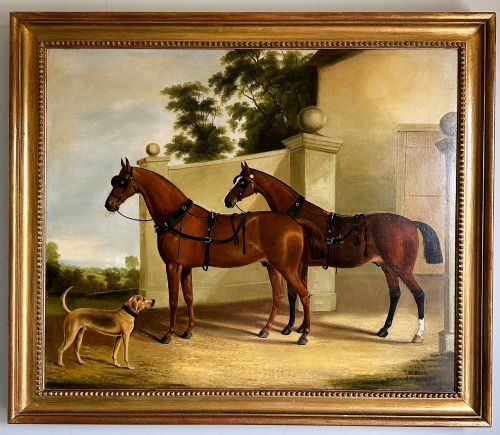
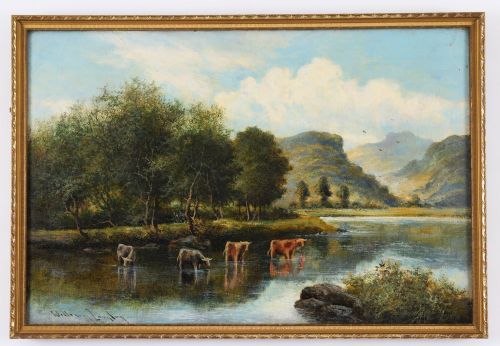
Many examples arrive paired with landscapes, portraits or sporting scenes dating from the Georgian, Victorian and Edwardian eras.
How they were made
Makers constructed the foundational structure using timber such as wood, shaping the primary mouldings by hand or machine depending on the period.
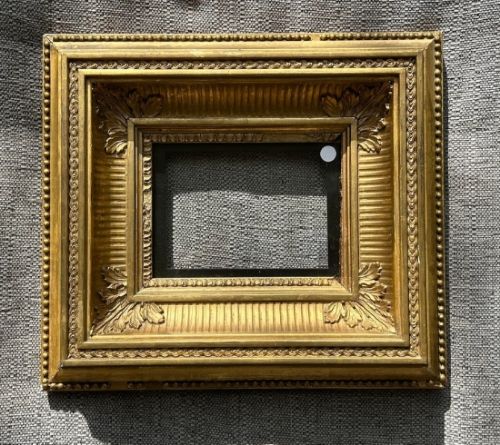
Applied gesso created the raised ornaments, fluting and hollow profiles, which were then gilded with metallic leaf or painted to achieve a reflective surface.
Several frames enclose horses, cattle and even a game of chess.
What varies in quality
The depth of the moulding and the complexity of the fluted or carved hollow profiles separate standard framing from more ambitious workshop production.
The crispness of the gesso detailing beneath the gilding indicates the skill involved in the original manufacture and subsequent preservation.
James Elliot·Alonso Perez·Christopher Osborne·William Langley·Thomas Rowden·Samuel Joseph Clark·Henry Barraud·Walter Robin Jennings·William Mellor·Hugh Barry-Scott·William Manners·Margaret Sarah Carpenter·Edmund Bristow·Edward Charles Williams·William Shayer·James Hardy·William Oliver·Leonardo Da Vinci·Jozsef Molnar·Hans Harlander·Percy Lancaster·William Howard Hardy·James Watson·Sir Joshua Reynolds
The Traditional Gilt Artwork Frame Glossary
- Giltwood
- Wood that has been coated with gold leaf or a metallic substitute. This finish provides the characteristic metallic sheen seen on period frames.
- Gesso
- A plaster-like mixture applied to wood bases and carved or moulded into relief patterns. It forms the smooth or textured ground for gilding.
- Oil on Canvas
- Pigment mixed with drying oil applied to a woven fabric support stretched over a wooden frame. This medium frequently populates traditional frames.
- Fluted Hollow
- A concave moulding profile decorated with parallel vertical grooves. It draws the eye inward toward the artwork.
Traditional Gilt Artwork Frame: Frequently Asked Questions
What periods do these frames date from?
The listings span several centuries, with examples originating from the 18th century, the Victorian era, and into the 20th century.
Each period utilises distinct moulding styles and finishing techniques that reflect the prevailing taste of the time.
What materials make up these items?
The primary components recorded are wood, gesso, and gilt, combined to create durable and decorative borders.
Many of these frames currently house oil paintings on canvas or panel alongside watercolours and prints.
How do I choose the right frame?
Consider the depth, profile width, and decorative motifs such as fluting to ensure the frame complements the artwork it houses.
Matching the period of the frame to the date of the painting is a common approach for traditional displays.
Are these frames sold with artwork included?
The items listed on this page typically combine the frame with an accompanying oil painting, watercolour, or print.
Subjects range from landscapes and portraits to sporting scenes and still lifes.