
Vintage Gold Leaf Frame
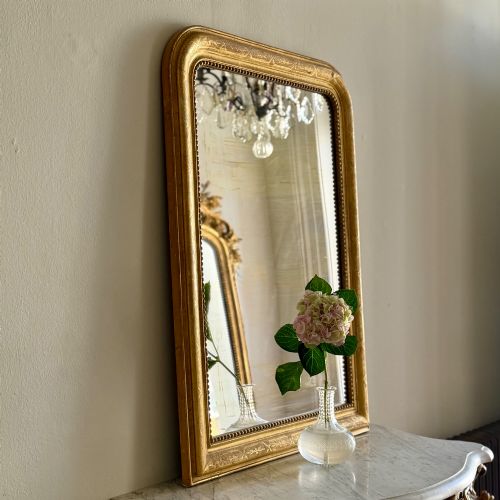
A vintage gold leaf frame brings warmth and historic presence to any wall, holding oils, watercolours and mirrors with quiet authority.
Vintage Gold Leaf Frame
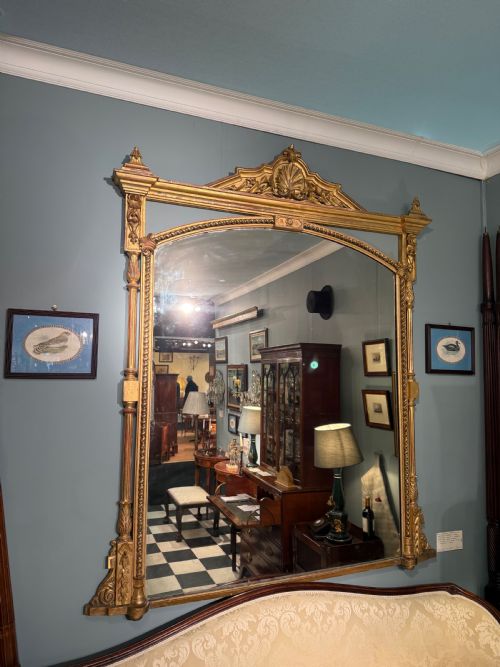
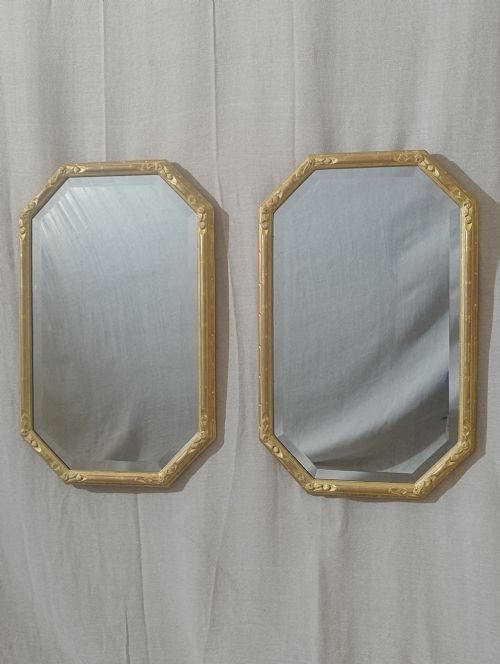
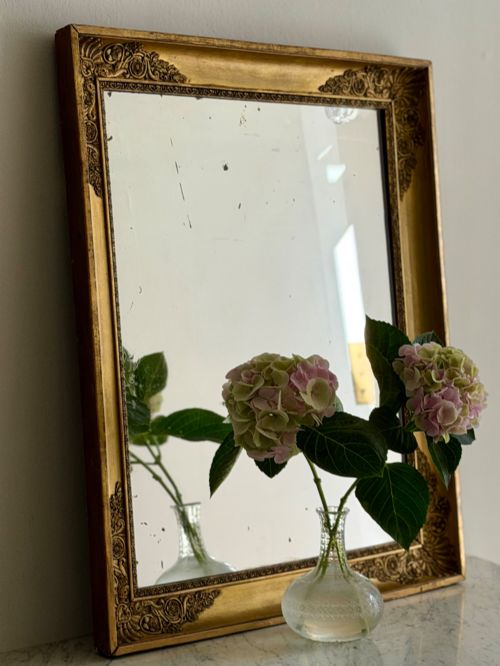
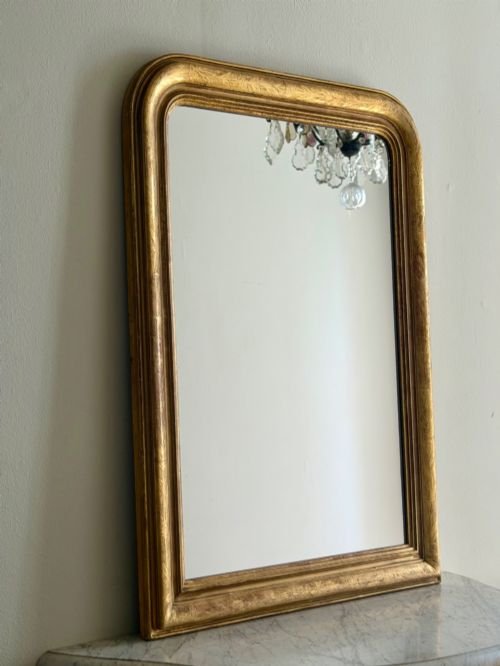
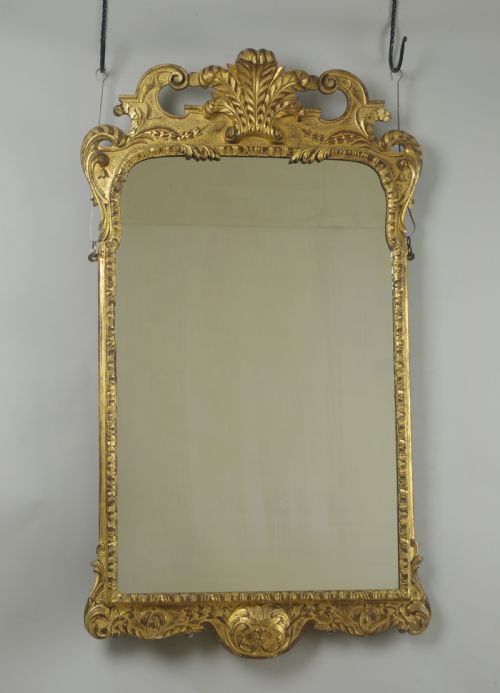
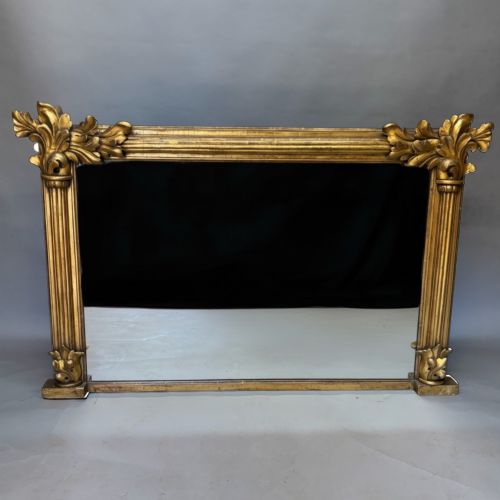
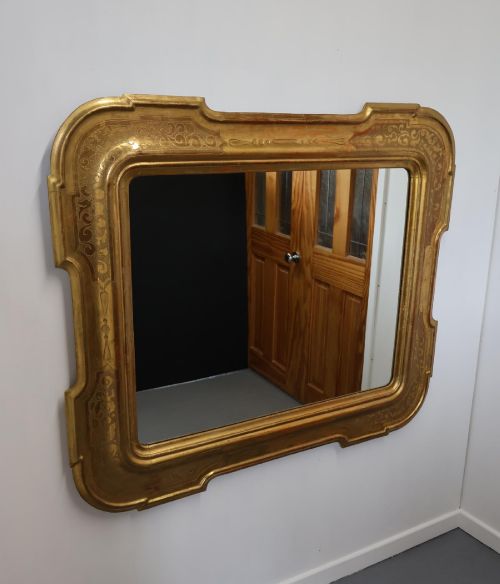
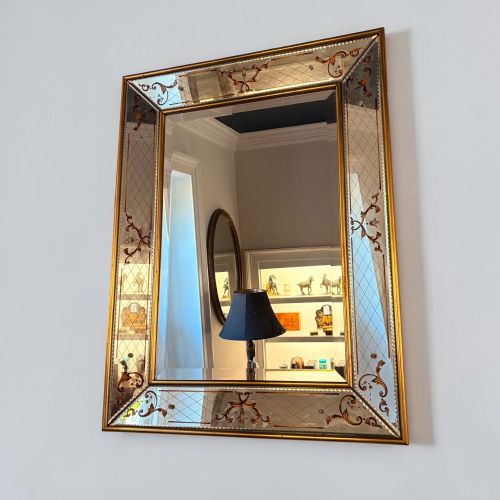
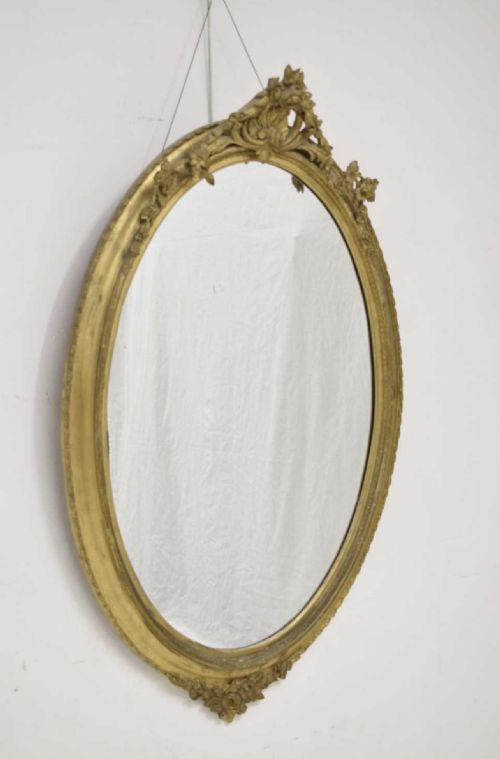
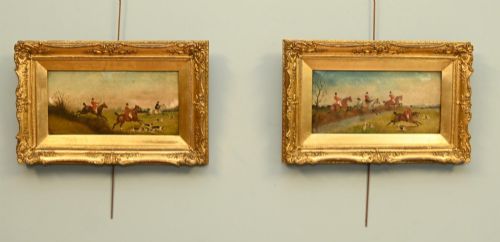
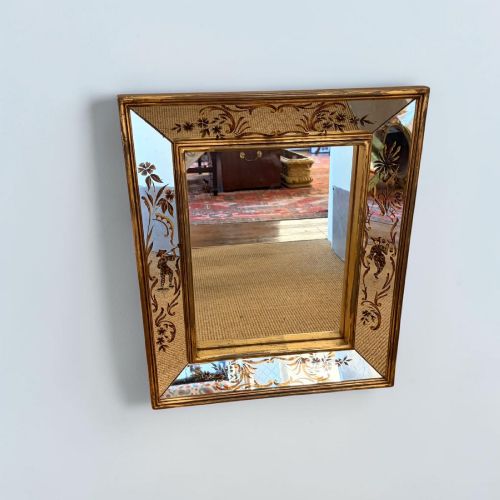
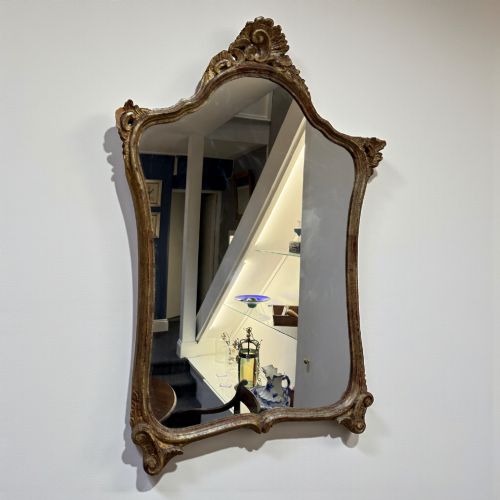
When someone searches for a vintage gold leaf frame, they encounter a diverse selection of wall mirrors, picture frames and artworks spanning the eighteenth, nineteenth and early twentieth centuries. The listings here lean heavily towards French and European mirror plates and picture surrounds, alongside Victorian and Edwardian examples.
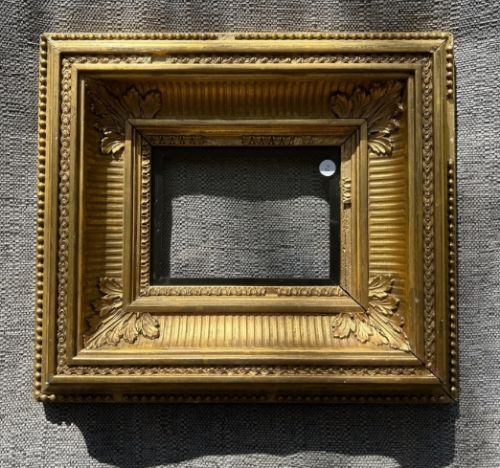
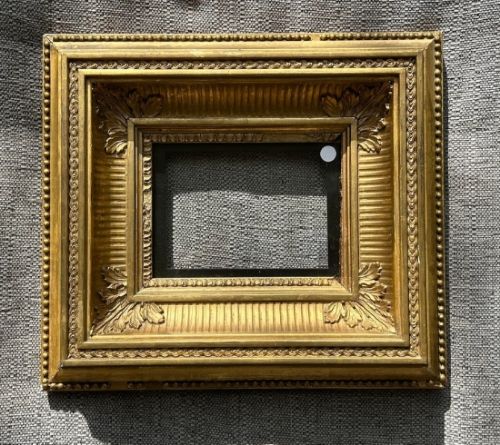
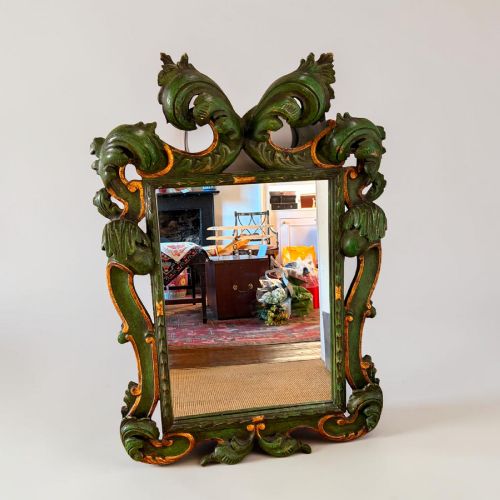
Most pieces combine timber or gesso foundations with hand-applied gold leaf or water gilding, often shaped into rectangular, oval or deep hollow profiles. Styles range from French Rococo and Louis Philippe to Florentine and Chinoiserie designs, reflecting the interior tastes of their respective periods.
Buyers frequently find that these frames have evolved in function, with many antique picture surrounds now adapted to house mirrors or retained for original oil paintings and engravings. The variety encompasses everything from tall wall mirrors with ribbon crests to deep fluted picture frames.
How they were made
Traditional makers built these frames using timber bases of wood, walnut or carved timber, upon which they applied layers of gesso to create smooth surfaces for ornamentation. Carved details such as floral motifs, rose vines or rope twists were modelled directly into the gesso or carved into the wood before gilding.
The characteristic metallic finish relies on gold leaf applied over bole, often water gilded or hand-finished to achieve a lustrous sheen that ages gracefully. Mercury glass and antique mirror plates frequently accompany these frames, showing the characteristic soft speckling of age.
Listings span multiple centuries, ranging from eighteenth-century carved oval mirrors to nineteen-thirties framed prints.
What varies in quality
The distinction between ordinary and exceptional examples lies in the crispness of the carved ornamentation and the depth of the gesso work. Superior pieces display hand-carved details that retain sharp definition beneath layers of gold leaf, whereas lesser examples show softened contours and heavier, uniform moulding.
The integrity of the gilding and the authenticity of the glass plate also dictate the character of the piece. Original mercury glass plates with natural foxing and intact water-gilded surfaces command greater appreciation than later replacements.
George Augustus Holmes·James Stroudley·Robert Thorne Waite
The Vintage Gold Leaf Frame Glossary
- Giltwood
- Wood that has been coated with gold leaf or gold paint. This material forms the primary structure of many classical frames and mirrors.
- Gesso
- A plaster-like mixture applied to wood frames to create a smooth base for carving and gilding. It allows intricate relief work to be applied before the gold leaf.
- Water Gilding
- A traditional technique where gold leaf is applied to a wet bole base and burnished to a high shine. This method produces a deep, luminous finish characteristic of finer antiques.
- Mercury Glass
- A type of silvered glass produced by pouring a liquid mercury amalgam between double-walled blown glass. It creates a distinctive mottled reflection unique to older mirrors.
- Rococo Revival
- A nineteenth-century design style mimicking the asymmetrical curves, scrolls and natural motifs of the eighteenth-century Rococo movement. Frames in this style feature exuberant leaf and floral carvings.
Vintage Gold Leaf Frame: Frequently Asked Questions
How do I date a vintage gold leaf frame?
Dating relies on examining the construction methods, the composition of the gesso, and the style of the carving. Eighteenth and nineteenth-century pieces often feature hand-cut joinery and authentic gesso layers that differ markedly from twentieth-century reproductions.
Secondary clues include the type of glass plate, backing boards and fixings used at the back of the frame. Original fixings and mercury glass strongly point towards an earlier nineteenth or eighteenth-century origin.
Can I hang a heavy giltwood mirror safely?
Hanging heavy giltwood and gesso pieces requires secure wall fixings distributed evenly across the primary wooden structure. Professional mirror hangers utilise heavy-duty wall plugs and brackets suited to the weight of the timber and glass.
It is essential to anchor the mirror directly into masonry studs or use appropriate cavity fixings for plasterboard walls. Regular inspection of the hanging wire and back frame ensures the piece remains secure over time.
How should I clean a gold leaf frame?
Cleaning requires a soft, dry ostrich feather duster or a very gentle microfibre cloth to remove surface dust without disturbing the delicate gold leaf. Moisture and modern chemical cleaners must be avoided entirely, as they strip the historical gilding.
If the glass plate requires cleaning, apply glass cleaner directly to the cloth rather than the mirror to prevent fluid seeping beneath the frame edge. Professional conservators should handle any structural cleaning or repairs.
What is the difference between a picture frame and a mirror frame?
Picture frames are typically constructed with deeper rebate depths to accommodate canvas stretchers and backing boards, often featuring hollow or fluted profiles designed to draw the eye inward. Mirror frames are built to securely house heavier glass plates, sometimes incorporating wider proportions to balance the reflection.
Historically, many frames were manufactured as mirrors from inception, while others were later adapted from artwork frames to hold antique glass plates. Examining the rebate and back construction reveals whether a piece started life as a painting surround or a wall mirror.