
Traditional Gilded Framed Art
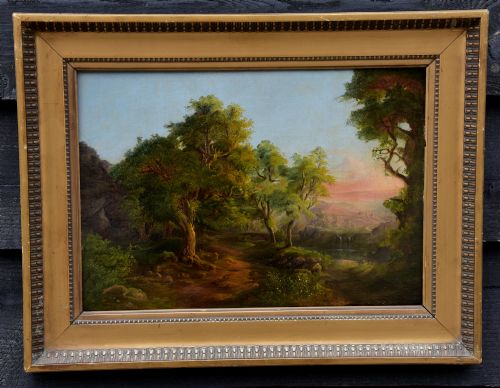
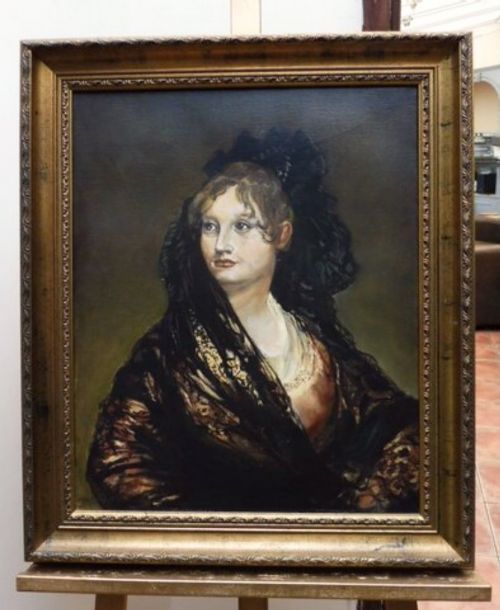
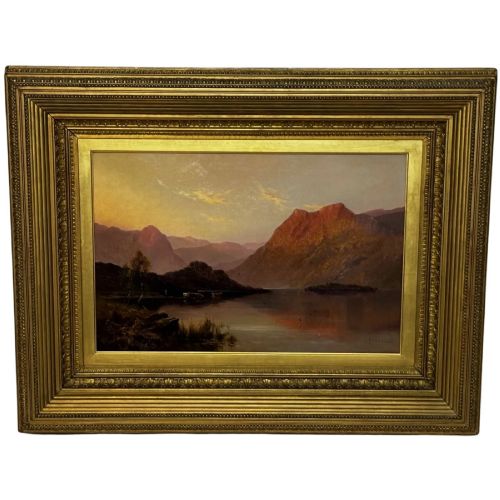
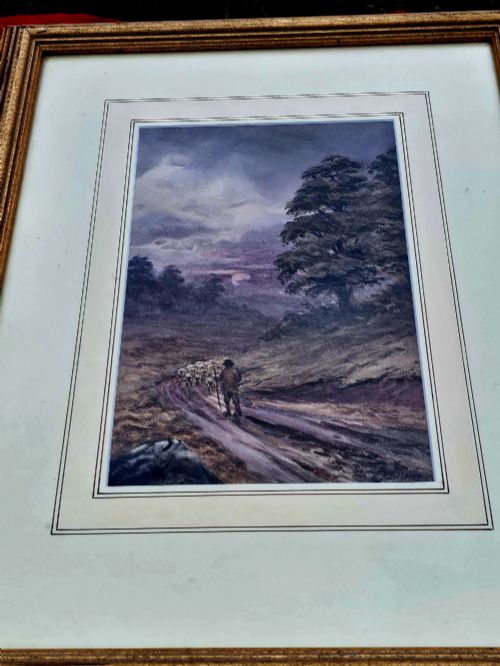
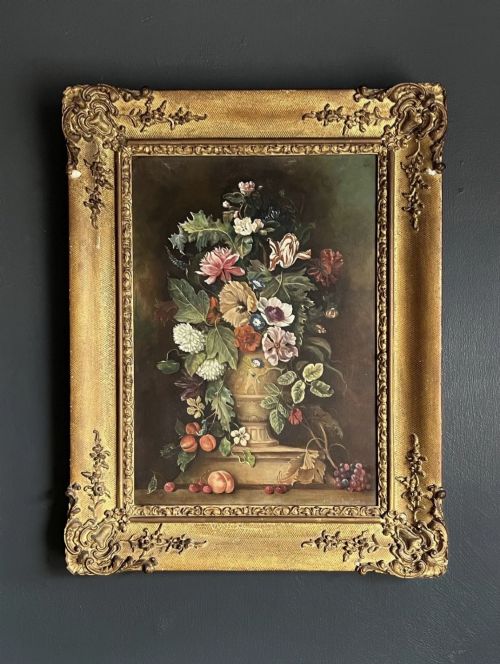
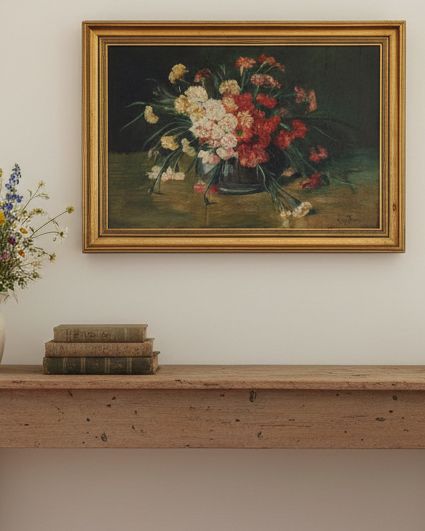
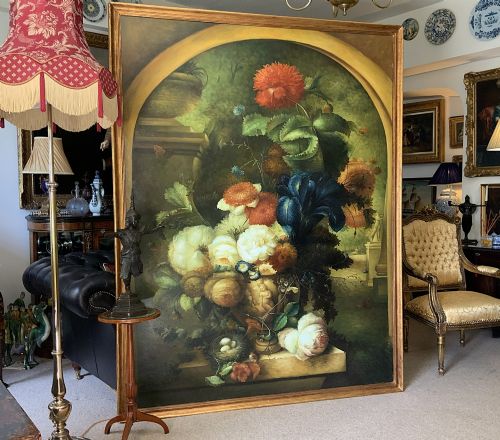
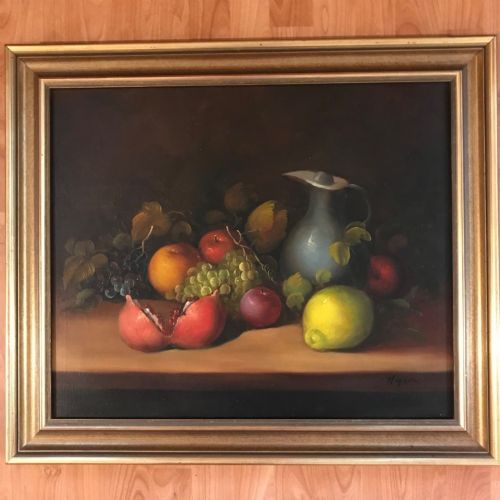
Traditional gilded framed art brings together centuries of painted oil on canvas, wood panels, and watercolours set inside gleaming gold leaf and gesso mouldings.
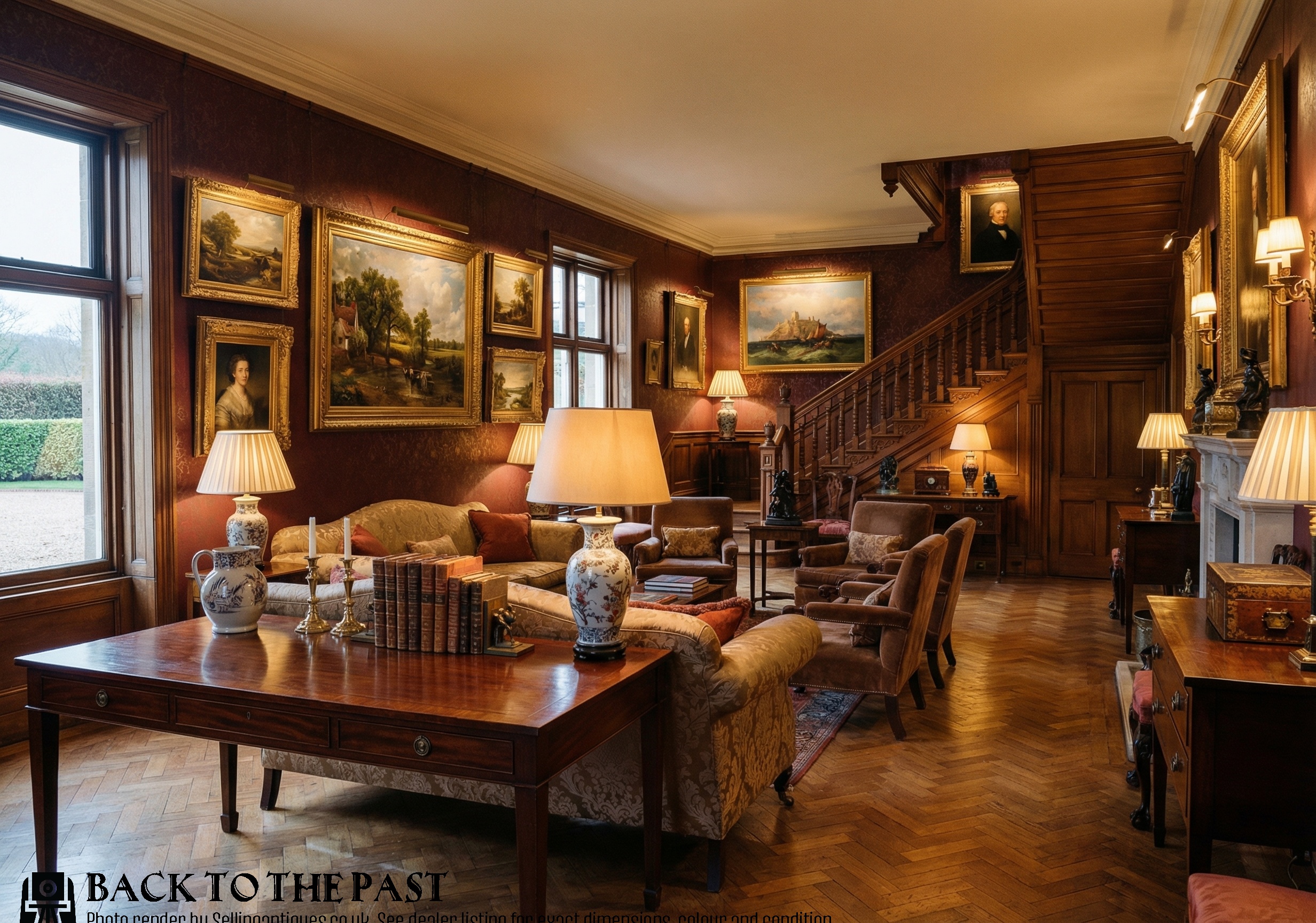
Traditional Gilded Framed Art
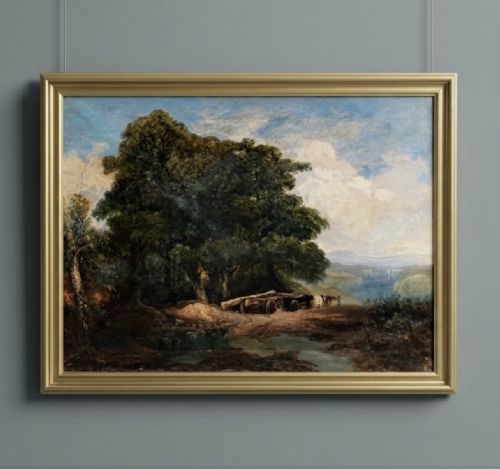
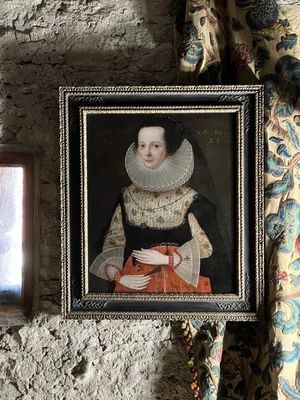
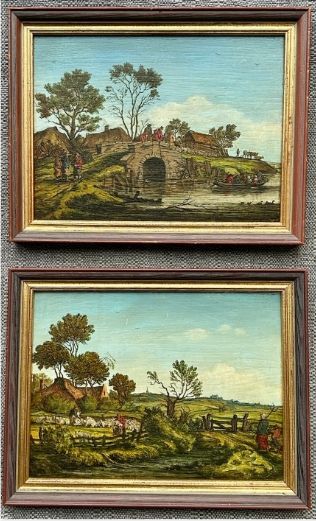
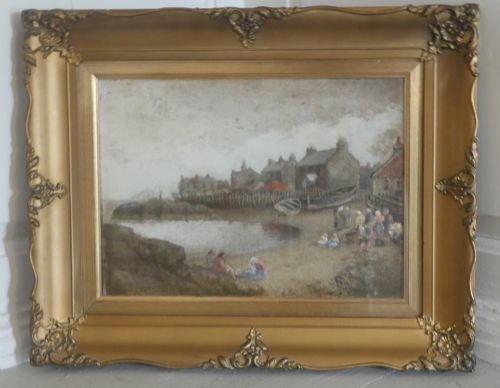
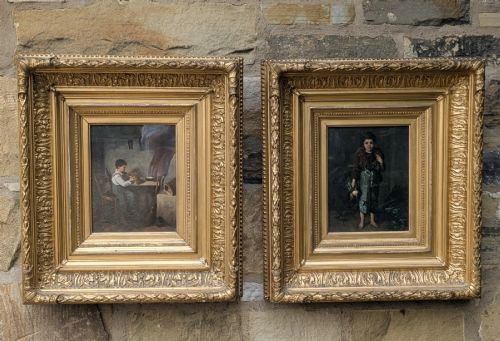
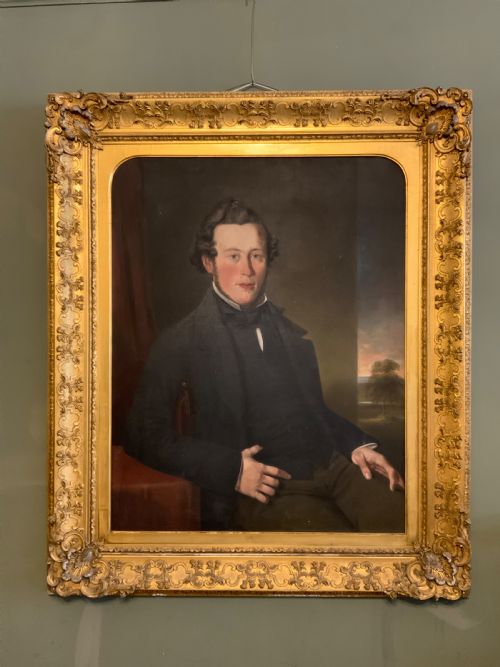
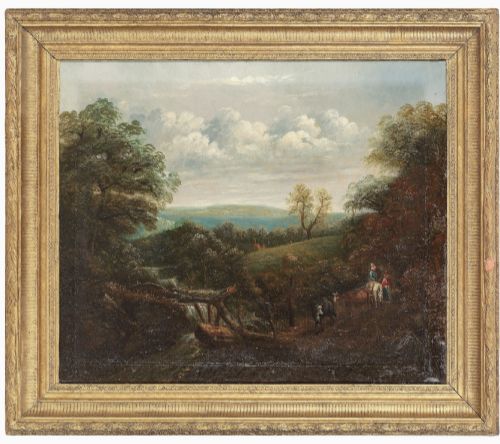
Traditional gilded framed art centres on framed paintings, oil paintings, portraits, and landscape studies produced across the nineteenth and twentieth centuries alongside earlier historical styles. Buyers encounter framed canvas works, oil on board, and watercolours housed within decorative gold leaf or giltwood surrounds.
The selections span distinct creative movements, including Dutch School floral still lifes, Victorian sporting art, and nineteenth-century realism. Many works reflect historical portraiture, pastoral scenes, and architectural interiors paired with ornate period frames.
Most examples originate from British, Dutch, and European schools, carrying signatures from established artists or remaining attributed to regional traditions. The combination of painted canvas and heavy gilt moulding defines the visual identity of this group.
Materials and construction methods
Painters utilised oil paint on stretched canvas, wooden panels, and card, building rich tones through successive layers of pigment. Watercolours on paper appear alongside these oil works, often protected beneath glass within traditional mounts.
Frames rely on timber foundations shaped from wood before receiving applications of gesso, a plaster-like mixture used to sculpt intricate mouldings and relief details. Artisans then applied sheets of gold leaf to the prepared gesso surfaces by hand.
Listings feature works across nineteenth and twentieth century periods, utilising oil paint, gesso, gold leaf, and canvas.
Distinctions in quality
Quality rests upon the execution of the painted surface, where the brushwork, handling of light, and anatomical proportion in figures or subjects demonstrate the painter's proficiency. Masterful oil paintings display depth and texture that lesser decorative copies lack.
The integrity of the surrounding frame matters equally, with hand-carved wooden mouldings and crisp gesso relief holding greater distinction than simple applied composition ornament. Complete original pairings of canvas and period gilt frame elevate the status of the piece.
Richard Sebastian Bond·Alfred Fontville de Breanski Jr·David Bates·Robert John Hammond·George Wright
The Traditional Gilded Framed Art Glossary
- Giltwood
- Wood that has been coated with gold leaf or a gold-coloured finish. This method provides a brilliant metallic sheen to decorative mouldings.
- Gesso
- A plaster mixture applied to wooden frames as a base for moulding and gilding. It allows craftsmen to carve detailed relief ornamentation before applying gold leaf.
- Oil on Canvas
- Pigment mixed with drying oils applied to a woven fabric support. This technique permits rich colour blending and long-term durability.
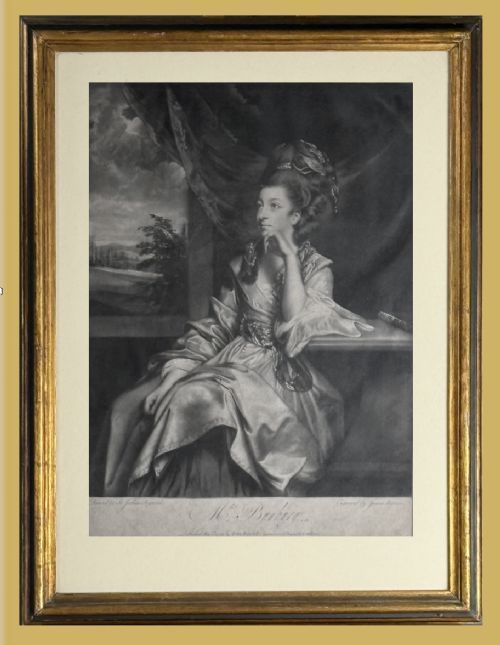
- Mezzotint
- A printmaking process of the print family where artists work from dark to light on a copper plate. The method creates subtle tonal gradations.
- Oleograph
- A mechanical colour lithograph textured to imitate an oil painting. These prints replicate traditional canvases for broader domestic decoration.
Traditional Gilded Framed Art: Frequently Asked Questions
What periods do these paintings come from?
The works span multiple centuries, ranging from seventeenth-century portraits and Dutch style still lifes to nineteenth-century landscapes and mid-twentieth-century compositions.
Victorian and Edwardian pieces appear frequently alongside works reflecting earlier Georgian and Regency traditions.
How should I clean a gilded frame?
Dust the ornate gesso and gold leaf surfaces gently using a soft, dry brush or feather duster.
Avoid liquid cleaners, damp cloths, and chemical solvents, which can lift the delicate gold leaf from the underlying wood.
Are all the frames original to the paintings?
Many pieces retain their original period giltwood or gesso frames, showing appropriate signs of age corresponding to the canvas.
Over the centuries, certain works have been paired with complementary replacement frames from the same era to match the original aesthetic.
What is the difference between oil on canvas and oil on board?
Oil on canvas involves applying paint to stretched fabric fixed over a wooden stretcher frame, offering slight flexibility.
Oil on board utilises a rigid wooden or cardboard panel as the painting surface, providing a firm foundation for the pigment.