



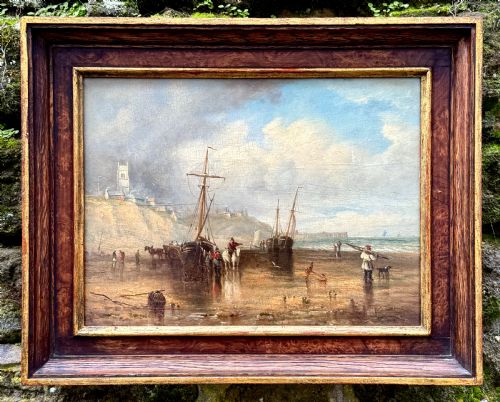
Antique Boat Marine Painting
When an antique boat marine painting catches the eye, it brings the movement of coastal tides and nineteenth-century shipping straight into the room.
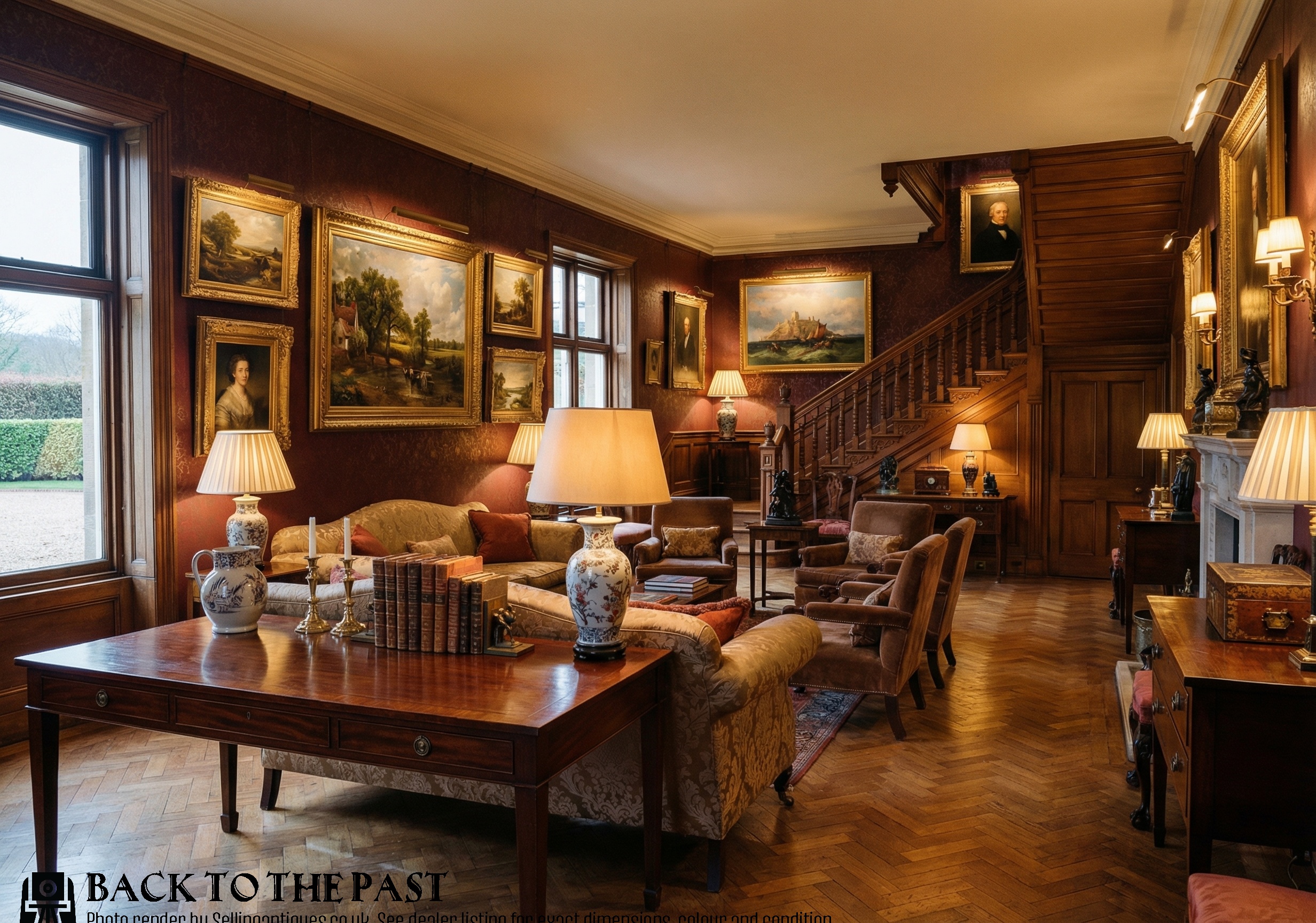
Antique Boat Marine Painting
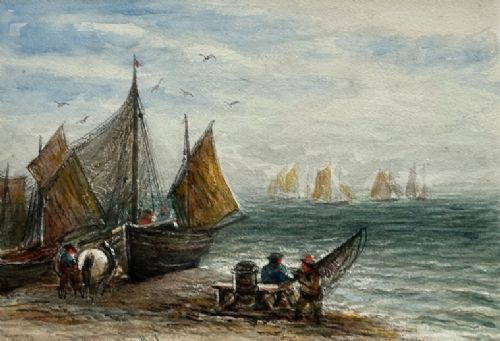
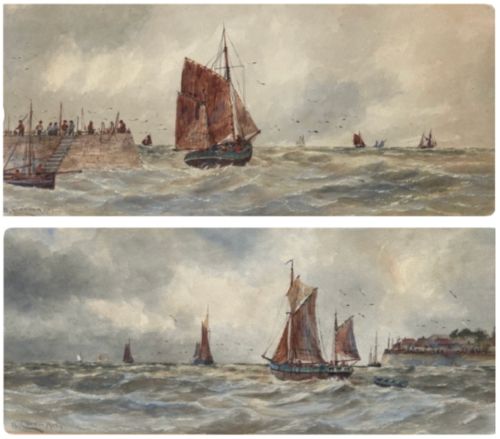
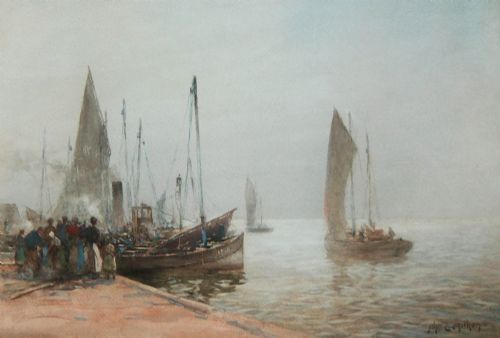
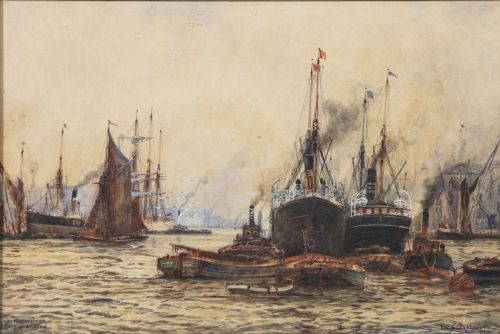
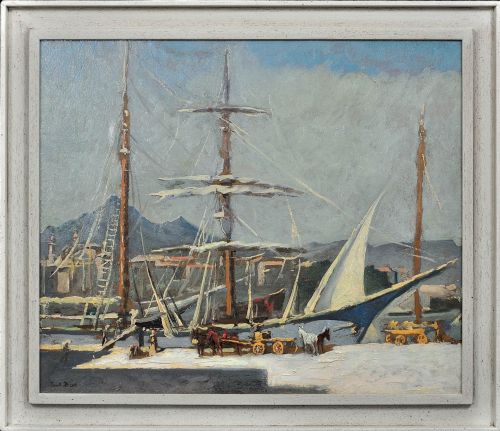
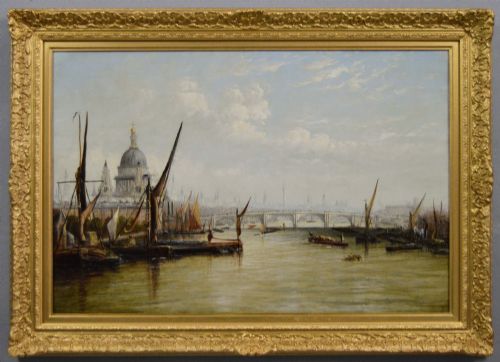
An antique boat marine painting captures maritime life, coastal views, and shipping vessels across water, rendered through periods stretching from the nineteenth century into the mid-twentieth century.
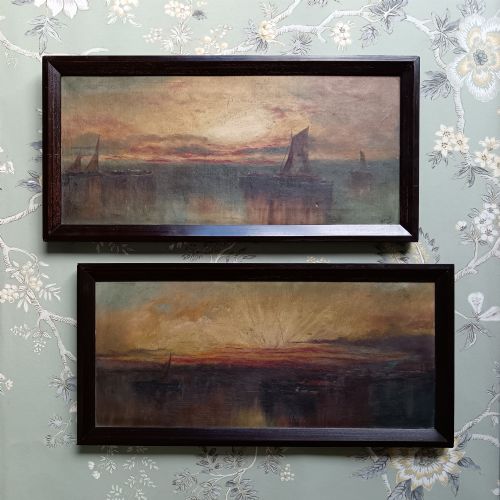
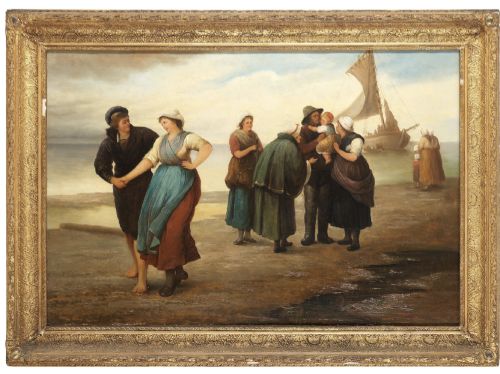
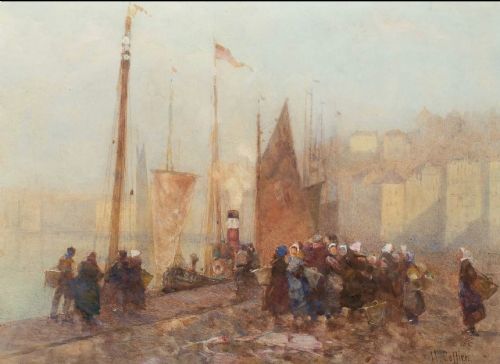
Most examples encountered here take the form of framed oil paintings on canvas or board, alongside delicate watercolours on paper depicting harbour scenes and fishing fleets.
These works document British and European coastal topography, recording historical vessels, coastal architecture, and changing weather conditions at sea.
How these marine works were made
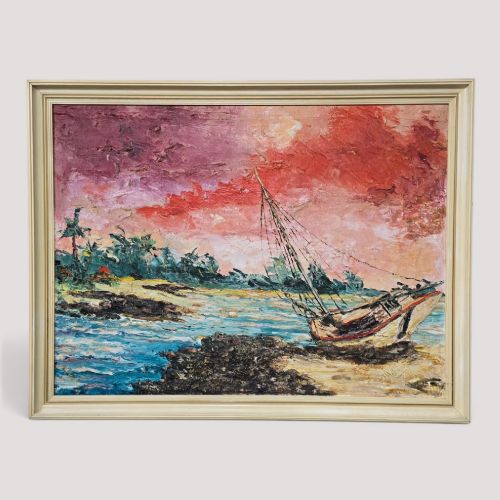
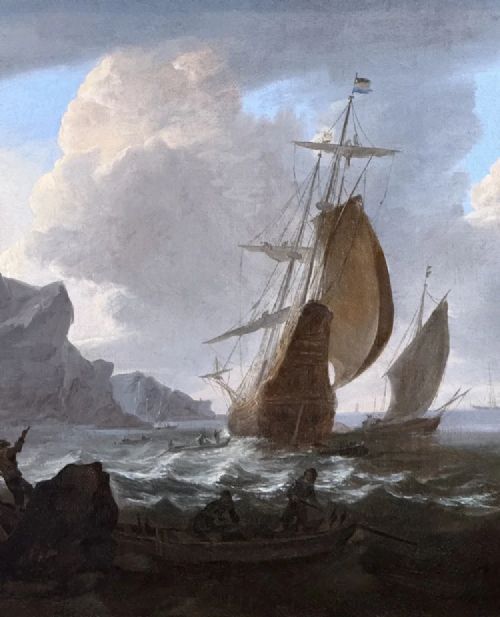
Artists built their compositions using oil paint on stretched canvas or wooden boards, allowing for rich textures and deep tones in turbulent water and stormy skies.
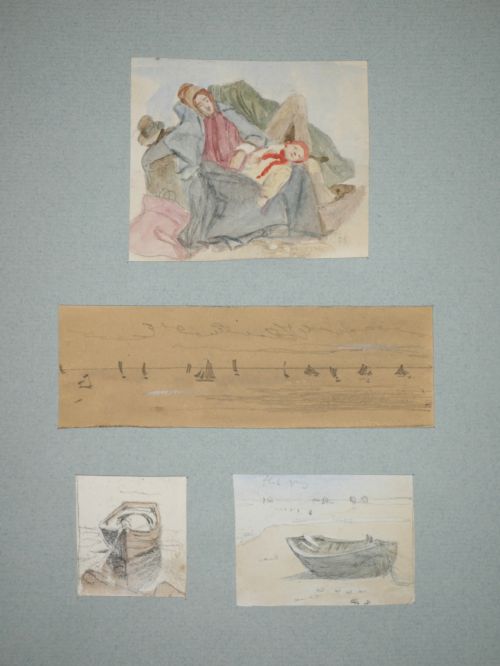
Watercolour paintings on paper utilised fluid washes to capture transparent light across estuaries and coastal air, frequently finished with fine pencil or ink detailing.
Surviving pieces are typically housed within their original gilt wood frames, which complement the maritime subject matter.
Materials recorded across the inventory include gilt wood frames, canvas, board, and traditional oil and watercolour paints.
What varies in quality
Mastery in handling light upon water and the accurate rigging of vessels distinguishes a skilled hand from a more formulaic studio production.
Compositional depth and atmospheric conviction separate standard coastal views from works that successfully convey the heavy swell of the sea or the stillness of a calm harbour.
James Orrock·William Cannon·James Smetham·B. Nash·James E. Aitken·Bonaventura Peeters·Frank William Scarbrough·Francis Moltino·Hector Caffieri·Thomas Creswick·Willem Bos·John Wilson Carmichael·Richard B. Spencer·William Henry Williamson·Bernard Benedict Hemy·George Stanfield Walters·Abraham Hulk I·Henry Barlow Carter·William Edward Webb·Charles Napier Hemy·William Lee Hankey·Gustave De Bréanski·Pieter Cornelis Dommersen·Thomas Bush Hardy·Emil Ekman
The Antique Boat Marine Painting Glossary
- Seascape
- A painting depicting the sea, coastal views, or marine activity. These works focus heavily on the atmospheric conditions of open water or coastal shores.
- Watercolour
- A paint consisting of colour suspended in a water-soluble vehicle, applied to paper. It allows for translucent washes and delicate tonal gradations.
- Gilt wood
- Wood that has been coated with a thin layer of gold leaf or gilt paint. This finish is commonly found on the period frames surrounding nineteenth-century canvases.
- Canvas
- Heavy woven fabric used as a surface for oil painting. It provides the tensile strength required for large historical maritime scenes.
Antique Boat Marine Painting: Frequently Asked Questions
What subjects appear in these paintings?
The subjects range from local fishing boats and bustling harbour scenes to large steamships and dramatic open seas during gales. Artists frequently documented specific coastal locations across Britain and Europe.
Many works highlight the daily labour of fishermen, sailing vessels navigating coastal waters, and iconic rivers like the Thames under nineteenth-century skies.
How do watercolours differ from oil paintings?
Watercolour paintings utilise paper supports and translucent washes to capture bright daylight, coastal air, and calm harbours with delicate precision. They are generally smaller in scale and mounted behind glass.
Oil paintings on canvas or board offer deeper tones, visible brushwork, and heavy textures that suit stormy seas, dramatic sunrises, and large maritime compositions.
How should I hang a marine painting?
These works suit traditional spaces where their original gilt wooden frames can complement period interiors. They benefit from stable wall placements away from direct sunlight to protect pigments and paper.
Consider the natural lighting of the room to ensure the varnished surface of an oil painting or the delicate wash of a watercolour remains clearly visible without excessive glare.
How do I identify the period of a painting?
Dating relies on stylistic clues, clothing on figures, the type of vessels depicted, and the construction methods of the frame or canvas stretcher. Victorian works often show romantic or dramatic coastal realism.
Signatures, artist biographies, and recorded exhibition dates help narrow down the exact decade, particularly for documented British and European marine artists from the nineteenth and early twentieth centuries.