





Traditional Gilded Chimney Mirror
A traditional gilded chimney mirror brings scale and reflection to a room, and these overmantel and wall pieces offer the presence collectors seek.
Traditional Gilded Chimney Mirror
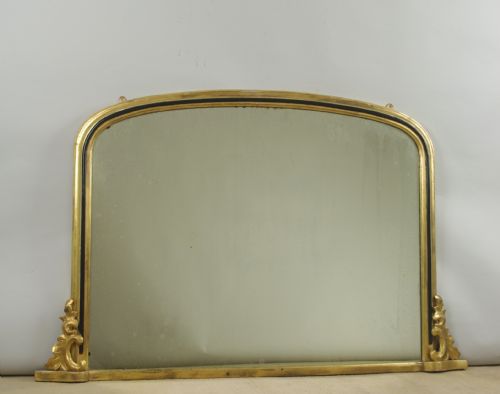
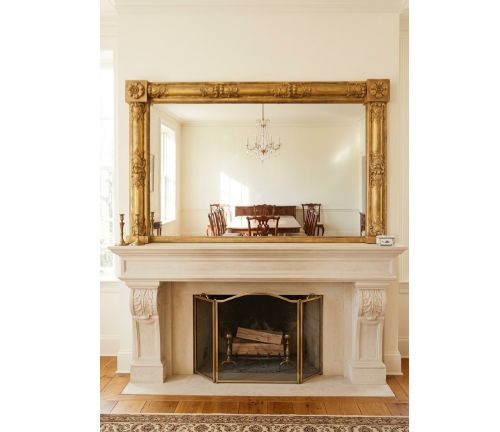
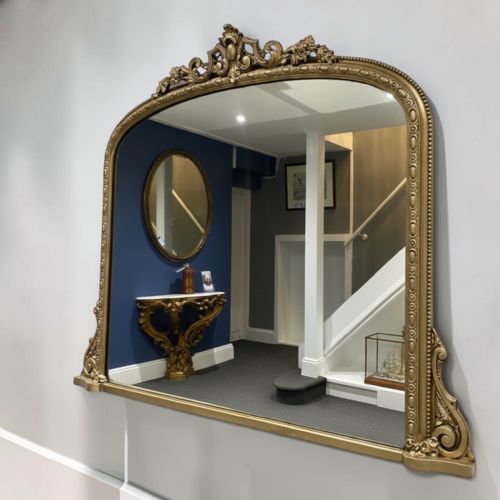
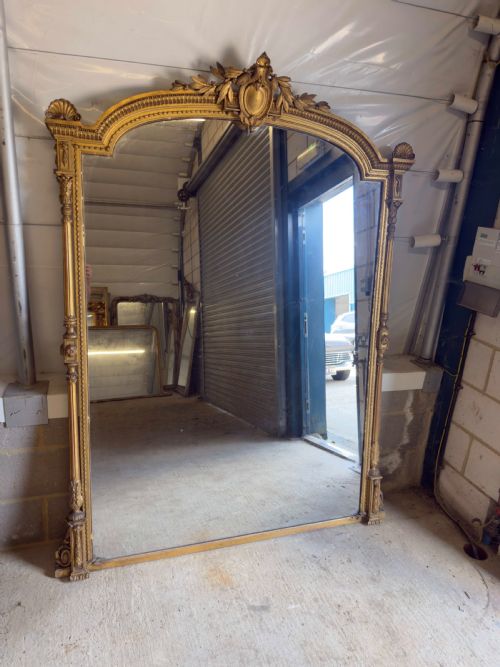
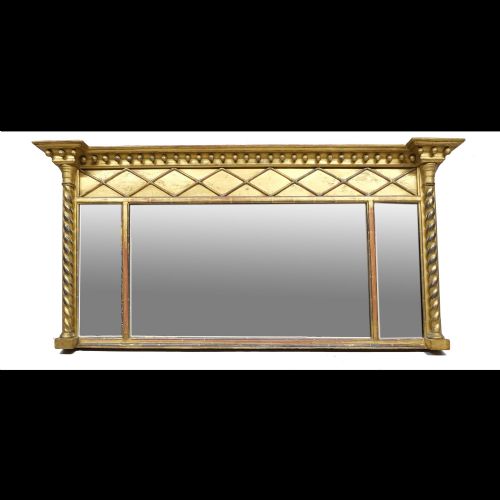
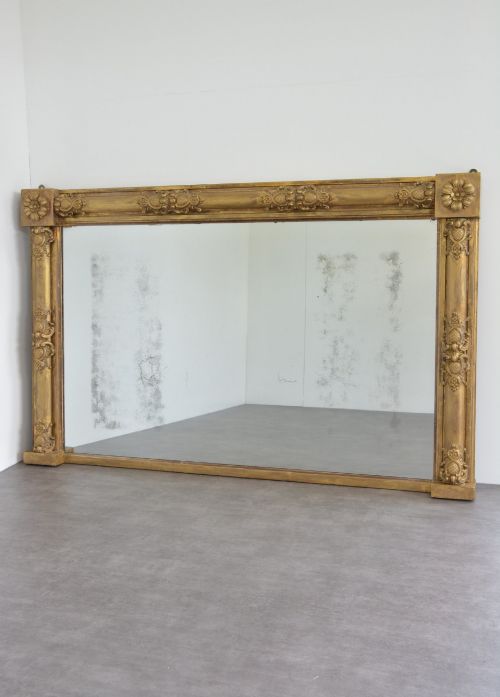
A traditional gilded chimney mirror sits above a fireplace, anchoring the mantelpiece with architectural form and reflective glass. The pieces found here span the Victorian, Regency, and Edwardian eras, predominantly taking the form of large overmantel mirrors with arched or shaped tops.
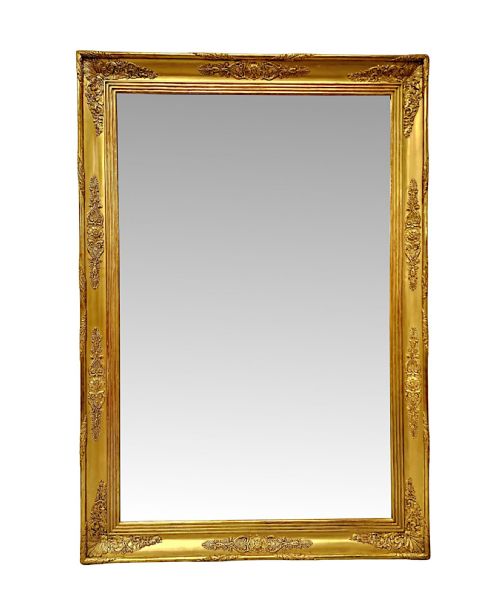
French chateau and nineteenth century French influences appear alongside English pieces, showing variety in regional styling. Buyers encounter grand proportions designed specifically to bounce light around high-ceilinged period rooms.
How they were made
Makers built the foundational frames using carved wood, oak, or composite materials, applying layers of gesso to create crisp relief details before applying gold leaf or water gilding. This traditional preparation provided a smooth, absorbent base for the metallic finish.
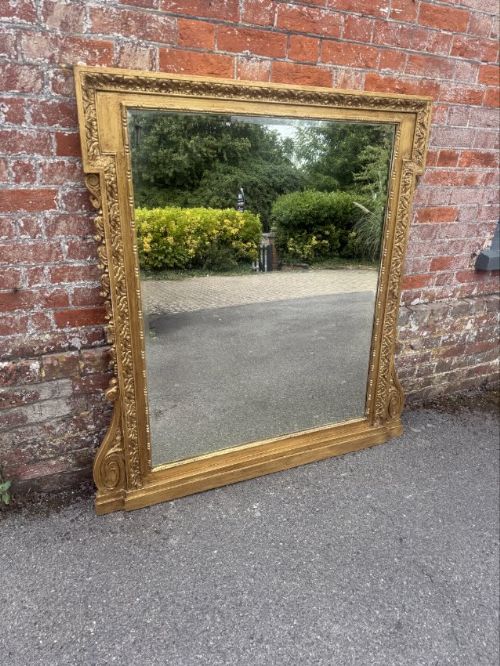
Mirror glass was set into these heavy frames, occasionally surviving with original characteristics such as light foxing. The combination of carved wood, gesso, and giltwood created sturdy yet decorative structures capable of supporting substantial dimensions.
Traditional Gilded Chimney Mirror Retail Price Guide 2026
Typical asking prices for traditional gilded chimney mirror among the pieces listed under this phrase on Sellingantiques today, from the lower quarter to the upper quarter. They describe what is for sale here now, not the wider market.
Materials recorded across the inventory include carved wood, gesso, giltwood, and mirror glass.
What varies in quality
The refinement of the carved wood and gesso ornamentation distinguishes standard production from finer work. Crisp, deeply sculpted foliage and moulding show the hand of a skilled craftsman rather than hurried mass production.
The preservation of the original gilt surface and the condition of the mirror glass determine the integrity of a piece. Original gilding that retains its depth and texture holds greater appeal than heavy modern repainting.
The Traditional Gilded Chimney Mirror Glossary
- Giltwood
- Wood that has been coated with gold leaf or a metallic substitute. This finish provides the characteristic bright or antiqued metallic sheen seen on period frames.
- Gesso
- A plaster-like mixture applied to wood frames and carved before gilding. It allows for intricate, sharp decorative mouldings.
- Overmantel mirror
- A large mirror designed to hang or rest specifically above a fireplace mantel. These pieces often feature wide horizontal or arched proportions.
- Foxed glass
- Mirror glass that shows spots, clouding, or discoloration due to the degradation of the backing over time. Collectors often value this sign of genuine age.
- Water gilding
- A traditional technique where gold leaf is applied to a wet bole base and burnished to a high shine. It creates a luminous finish distinct from oil-based gilding.
Traditional Gilded Chimney Mirror: Frequently Asked Questions
How do I hang a heavy overmantel mirror?
These large mirrors require secure wall fixings distributed into structural studs or masonry to support their substantial weight safely. Professional installation is strongly recommended given the heavy combination of wood, gesso, and glass.
Position the mirror at a height that reflects the room rather than just the ceiling, usually resting slightly above the mantelpiece or anchored securely to the wall behind it.
Are these mirrors meant to sit on a mantel?
Many nineteenth-century overmantel mirrors were designed with flat or shaped bases specifically to rest directly on a fireplace shelf while being secured to the wall with hidden fixings. This positioning integrates the frame with the architectural fireplace surround.
They function equally well hung independently as large wall mirrors in hallways or living rooms, provided the wall structure bears the load.
What does foxed glass mean?
Foxed glass refers to the natural ageing of the silver or mercury backing behind the mirror plate, resulting in speckled dark spots or soft clouding. This patina develops over decades of exposure to air and moisture.
Many collectors appreciate foxed glass because it confirms the genuine antique origin of the mirror plate rather than indicating a modern replacement.
How do I tell a Regency mirror from a Victorian one?
Regency mirrors often display classical restraint with architectural motifs like reeding, ball accents, and bolder neoclassical lines. They date from the early nineteenth century and lean towards structured symmetry.
Victorian and later nineteenth-century examples tend towards heavier, more ornate carved wood and gesso decoration, frequently featuring arched tops and elaborate foliage.