



Traditional French Fireplace Mirror
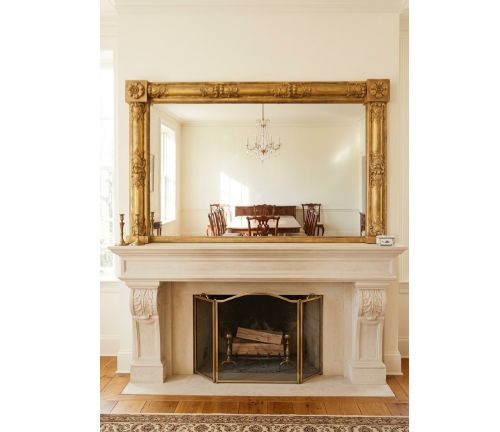
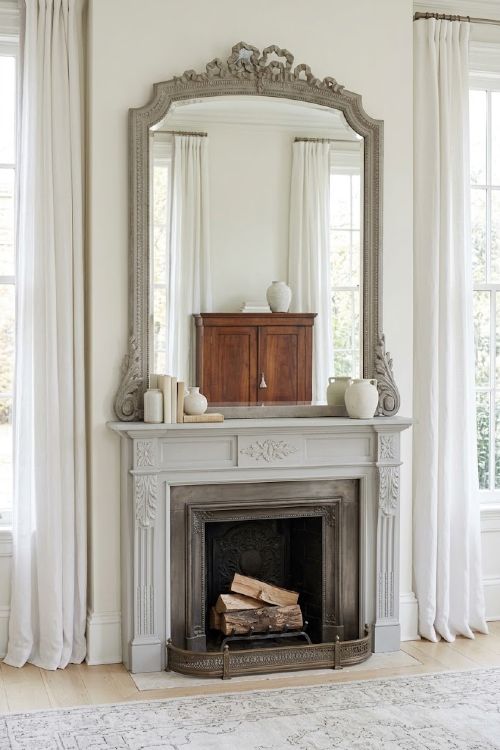
A traditional french fireplace mirror brings scale and reflected light into a room, sitting naturally above a mantelpiece.
Traditional French Fireplace Mirror
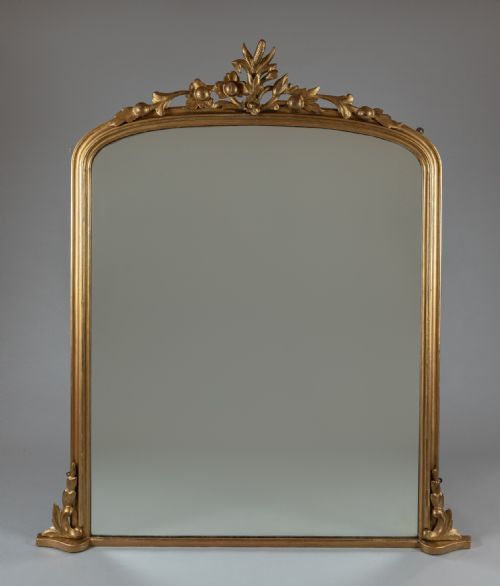
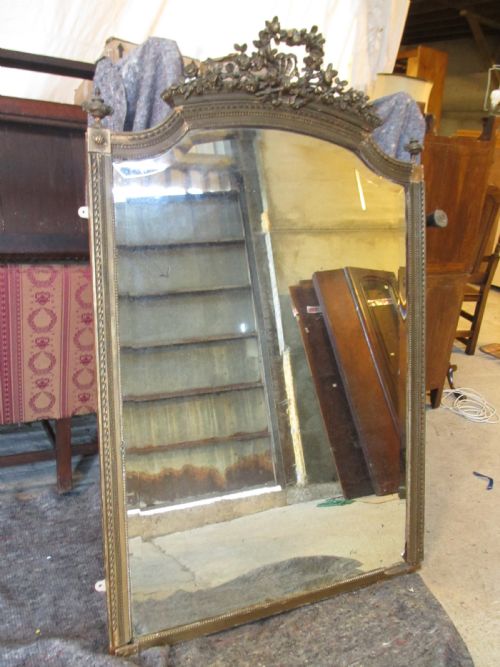
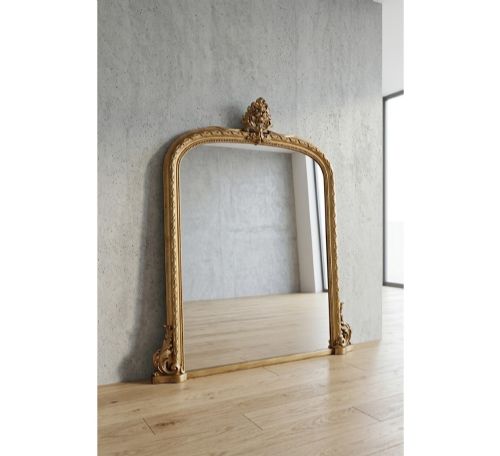
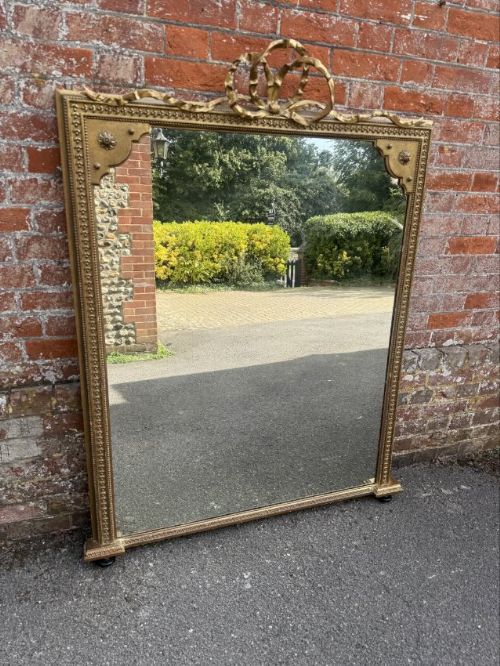
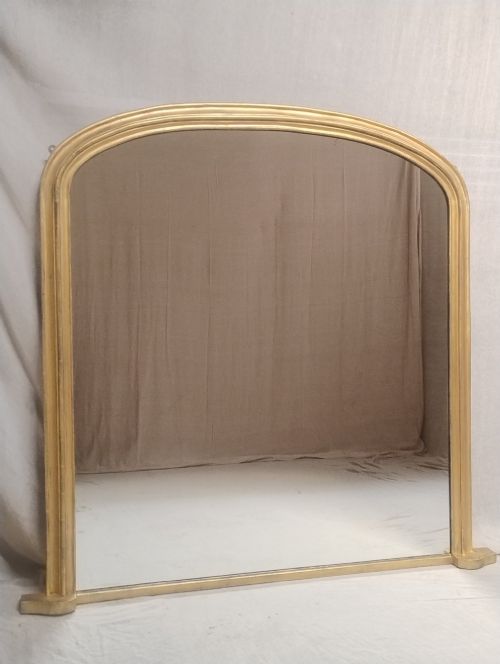
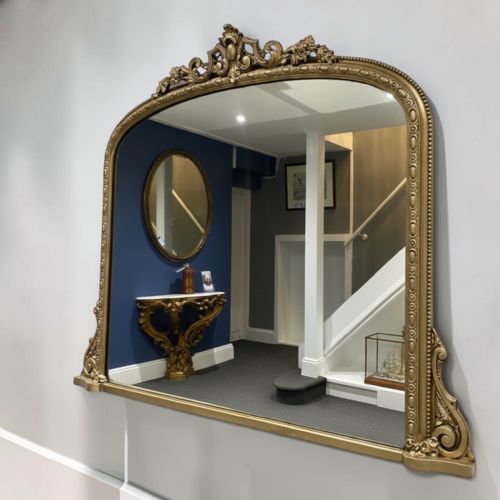
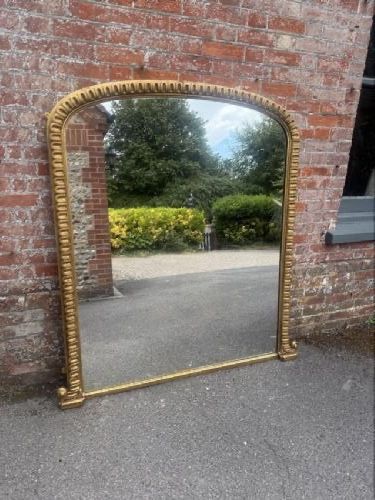
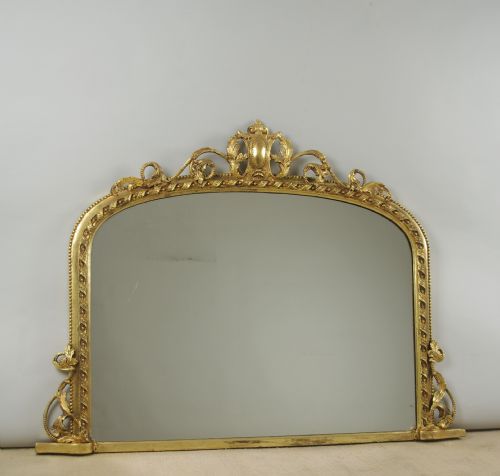
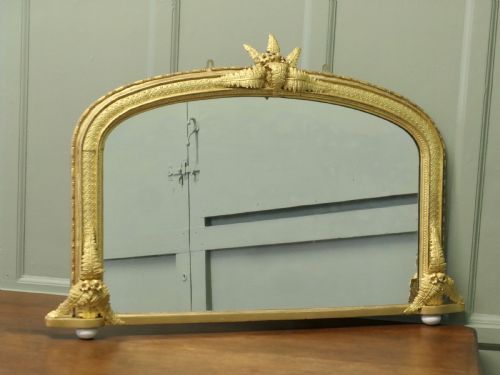
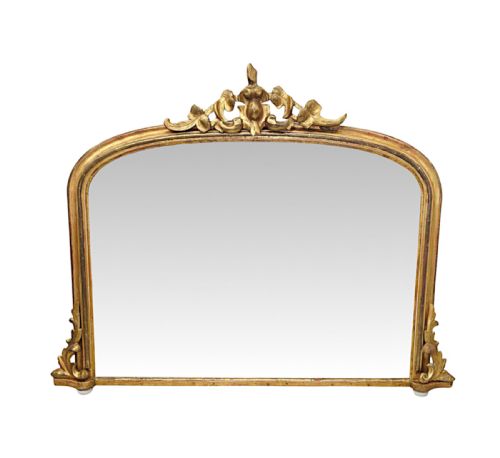
A traditional french fireplace mirror is typically encountered as a large overmantel mirror designed to sit above a mantelpiece, drawing the eye upwards with its generous proportions. These pieces mostly date from the nineteenth century, encompassing Victorian and Regency periods alongside Louis XV style and French Rococo Revival designs. The primary forms seen here are overmantel mirrors and wall mirrors, often shaped with an arched top to soften the rectangular opening of a fireplace.
Makers and craftsmen of the period constructed these looking glasses to anchor a formal interior, utilising the grand proportions typical of French chateau and nineteenth century traditional aesthetics. Buyers seeking this search phrase find themselves looking at substantial giltwood and painted frames that reflect period decorative arts. The physical presence of these pieces makes them central to the spatial balance of a room, exactly as intended by their original nineteenth century makers.
How they were made
Makers built the structural framework of these mirrors using carved wood, applying layers of gesso to create smooth surfaces for subsequent decoration. Gold leaf and gilding were then applied over the prepared gesso base to achieve a brilliant metallic sheen, while other examples received layers of paint.
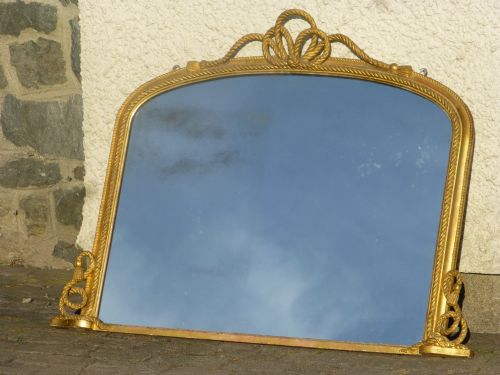
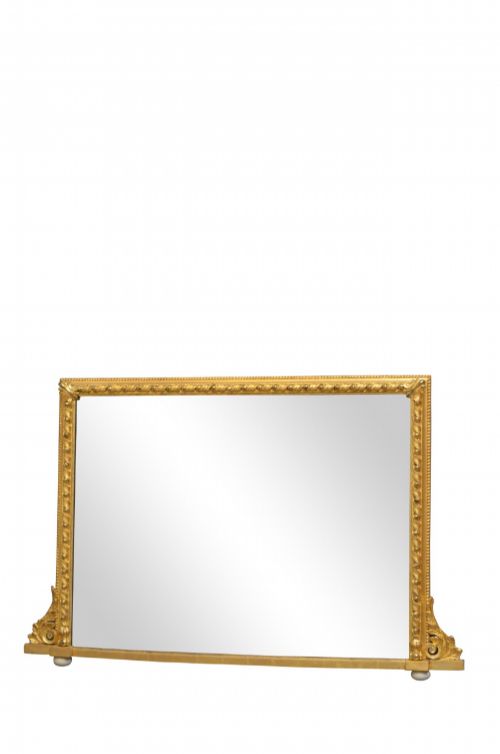
Mirror glass was fitted securely into these ornate wooden frames, often retaining original glass alongside the traditional giltwood and painted finishes. The combination of carved wood, gesso, and gold leaf allowed artisans to execute elaborate architectural details such as rope twist motifs and arched crests.
Traditional French Fireplace Mirror Retail Price Guide 2026
Typical asking prices for traditional french fireplace mirror among the pieces listed under this phrase on Sellingantiques today, from the lower quarter to the upper quarter. They describe what is for sale here now, not the wider market.
Some nineteenth century mirrors hide tiny secret carpenter marks tucked away behind the gesso.
What varies in quality
The sophistication of the carved wood elements dictates the visual strength of the frame, with deep, crisp carving separating finer examples from simpler work. The application of gold leaf and the preservation of original gilt surfaces further distinguish the higher tier of these pieces.
The integrity of the structural joinery and the retention of original mirror glass contribute significantly to the overall standing of an antique overmantel. Finer examples display a harmonious balance between the arched top frame and the weight of the underlying wooden structure.
The Traditional French Fireplace Mirror Glossary
- Overmantel mirror
- A large mirror specifically proportioned to hang on the wall directly above a fireplace mantel. These pieces often feature wide frames designed to match the scale of the hearth below.
- Gesso
- A plaster-like mixture applied to carved wood to create a smooth surface for gilding. This compound allowed artisans to build up delicate reliefs and decorative mouldings.
- Giltwood
- Timber that has been decorated with gold leaf or gilding. This material provides the characteristic metallic brilliance seen on nineteenth century frames.
- Rope twist
- A carved decorative motif resembling intertwined ropes. This nautical or classical pattern frequently borders the glass or outer edge of the frame.
- Arch top
- A mirror frame featuring a curved upper section above straight vertical sides. This architectural shape mirrors the masonry curves of traditional fireplace openings.
Traditional French Fireplace Mirror: Frequently Asked Questions
Where should an overmantel mirror be hung?
These mirrors are traditionally positioned directly above a fireplace mantelpiece where their scale can anchor the surrounding wall space. They can also be mounted on large expanses of wall to function as standard wall mirrors.
When placing a piece, ensure the lower edge rests comfortably just above the mantel shelf to maintain visual connection with the hearth.
How do I identify a Victorian mirror?
Victorian pieces often display characteristic nineteenth century framing techniques, utilising carved wood, gesso, and gold leaf. Stylistic markers include arched tops and decorative elements influenced by French Rococo revival and classical design.
Examining the construction methods on the reverse of the wooden frame helps confirm the nineteenth century origins of these looking glasses.
Can these mirrors be used in modern rooms?
The substantial scale and gilded finishes of these antique pieces allow them to contrast effectively with contemporary interior design. Their reflective glass brings light into minimalist spaces while adding historical depth.
Securing the heavy wooden frame properly to the wall ensures safe integration into everyday living environments.
What is the difference between giltwood and painted frames?
Giltwood frames feature layers of gold leaf applied over gesso and carved wood, producing a reflective metallic surface. Painted frames utilise coloured pigments directly on the wood or gesso substrate for a more subdued decorative effect.
Both finishes were utilised across the nineteenth century depending on the specific aesthetic of the interior.