

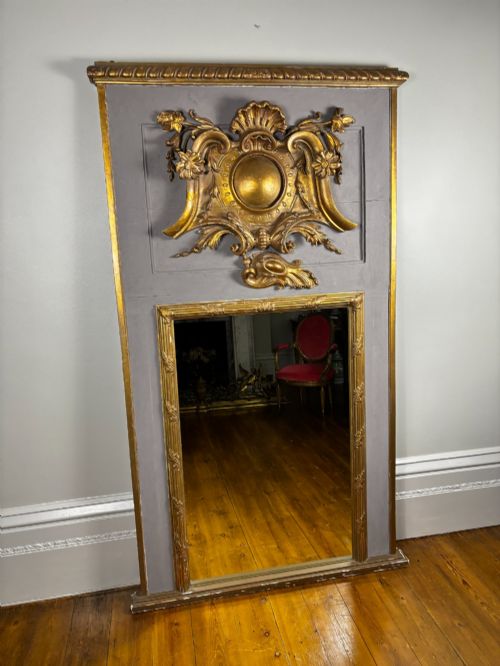
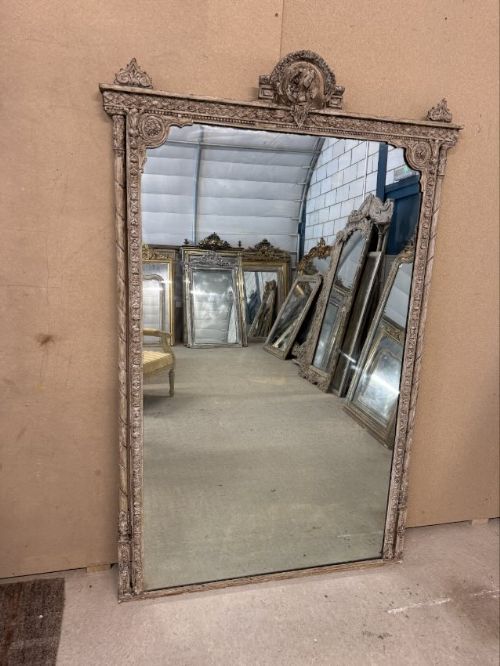
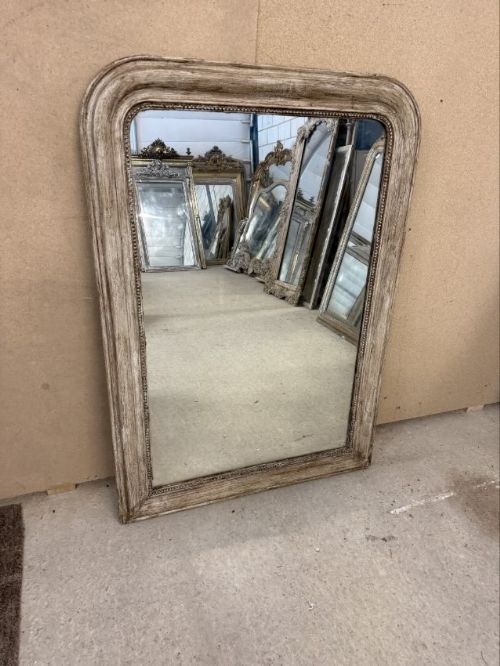
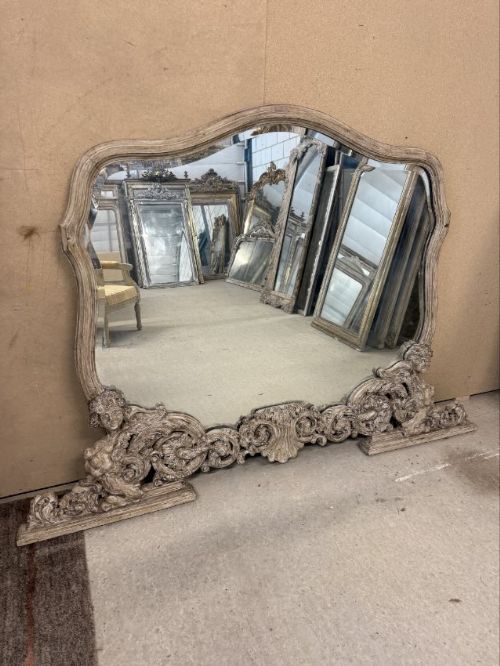


Large Grey Wall Mirror
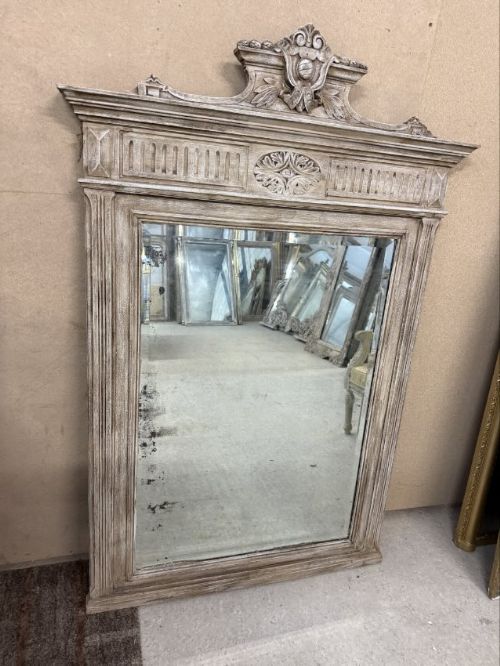
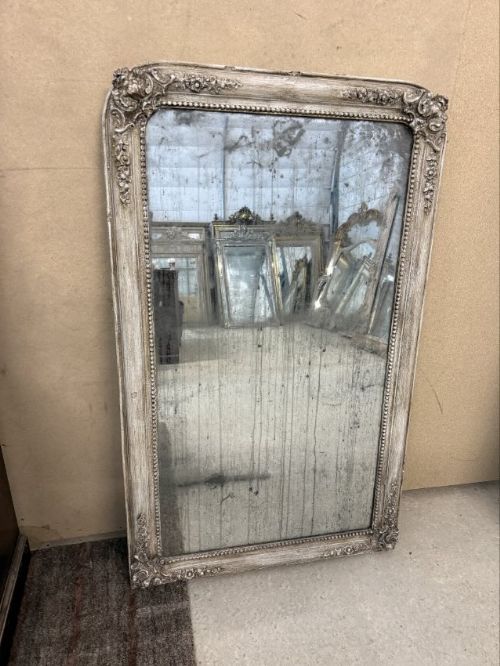
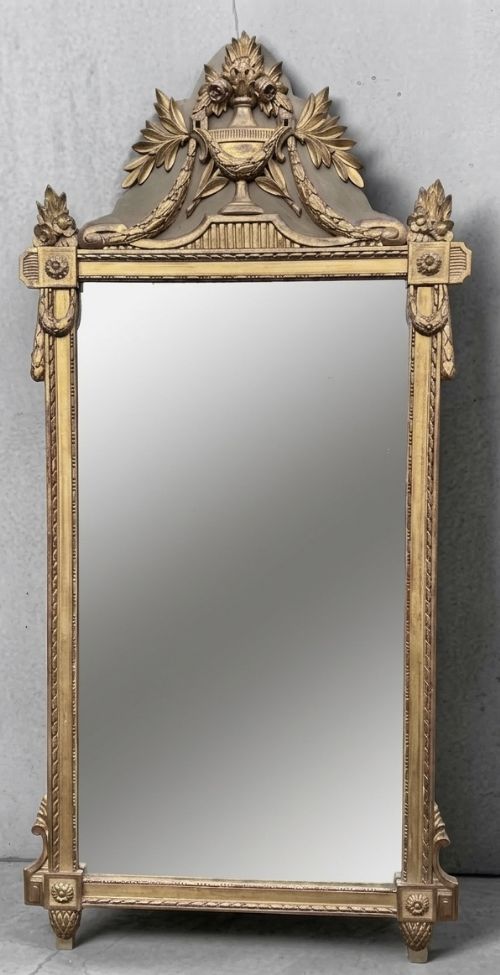
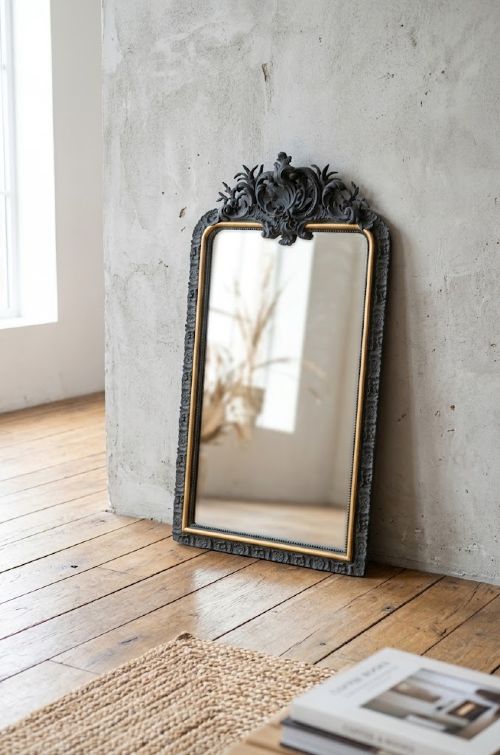
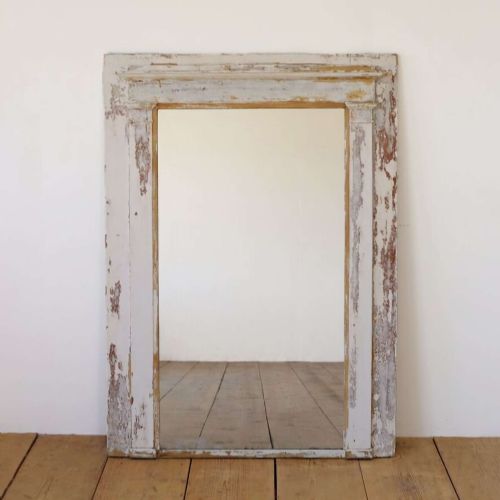
A large grey wall mirror brings substance and scale to a room, offering substantial proportions shaped by nineteenth and early twentieth century hands.
Large Grey Wall Mirror
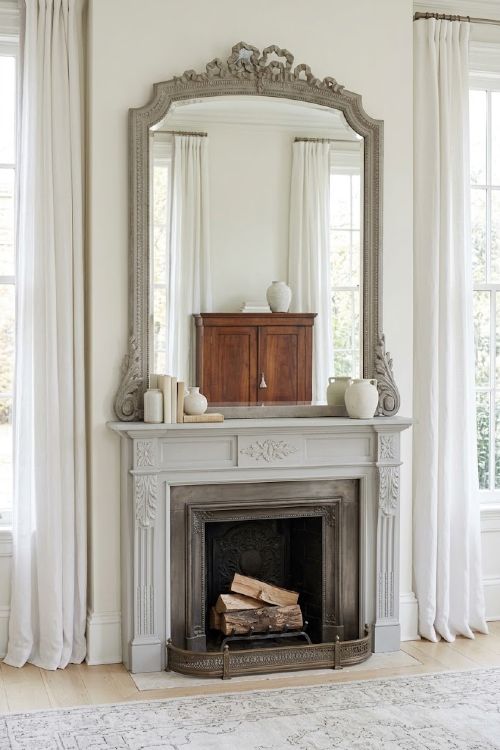
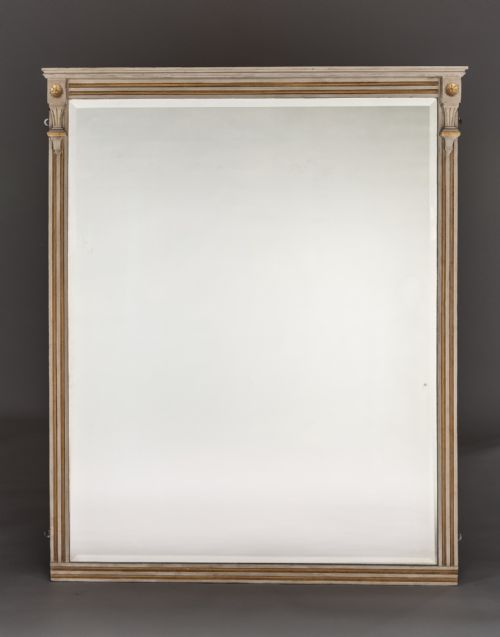
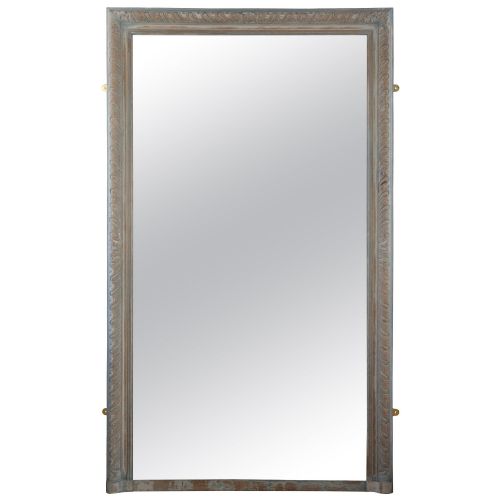
A large grey wall mirror encompasses substantial nineteenth and early twentieth century looking glasses designed for domestic interiors, spanning English overmantles and French chateau styles. These pieces arrive in forms including arched tops, shaped frames, trumeaus, and pier mirrors configured for hanging or leaning.
The version most commonly met on this page is the nineteenth century painted overmantle or wall mirror, frequently originating from French or English workshops. They combine neutral painted surfaces with considerable height, often displaying carved wooden frames intended to anchor a room's decorative scheme.
How they were made
Makers constructed the structural frames of these mirrors using timber such as oak or carved wood, frequently applying layers of gesso to build up decorative mouldings and relief panels. This foundational carving supports the architectural shapes, from column frames to cushion borders.
Surfaces received coats of paint alongside parcel gilt or gold leaf highlights to accentuate the carved details and panel relief work. Mirror glass was then fitted into the rebate, secured behind frames shaped to nineteenth century proportions.
Large Grey Wall Mirror Retail Price Guide 2026
Typical asking prices for large grey wall mirror among the pieces listed under this phrase on Sellingantiques today, from the lower quarter to the upper quarter. They describe what is for sale here now, not the wider market.
Current listings feature nineteenth and early twentieth century pieces incorporating carved wood, gesso, mirror glass, and gold leaf.
What varies in quality
The depth and crispness of the hand-carved wood and gesso ornamentation separate standard examples from finer works, particularly where decorative relief panels depict figures like cherubs. Well-executed frames retain sharp definition in their moulding and structural joints.
The application of the paint finish and gilding contributes significantly to the visual weight of the piece, with nuanced layering creating depth across the grey surfaces. Original mirror plates and intact framing integrity further distinguish pieces originating from distinct French and English traditions.
The Large Grey Wall Mirror Glossary
- Overmantle mirror
- A large looking glass specifically proportioned to hang on the wall directly above a fireplace mantelpiece. These often feature horizontal widths or grand heights suited to nineteenth century hearths.
- Trumeau mirror
- An antique glass incorporating a decorative painted panel or carving set above the mirror plate itself. They originate predominantly from French domestic architecture.
- Gesso
- A plaster-like mixture applied to wooden frames and carved to create raised decorative details before painting or gilding. It allows for intricate relief work on nineteenth century mouldings.
- Pier mirror
- A tall, narrow looking glass traditionally hung on the wall space between two windows. They often incorporate column frames or decorative panels.
- Parcel gilt
- A decorative technique where specific raised portions of a painted wooden frame are highlighted with thin layers of gold leaf. This creates contrast against the grey painted background.
Large Grey Wall Mirror: Frequently Asked Questions
Where should I hang a large wall mirror?
These large looking glasses function well anchored securely above a mantelpiece or mounted centrally on a primary reception room wall. Their substantial scale allows them to reflect light and expand the visual depth of the space.
Ensure the wall construction and hanging fixings match the considerable weight of timber, gesso, and glass frames dating from the nineteenth century.
How do I distinguish French and English mirrors?
French examples often display stylistic cues such as chateau, provincial, empire, or neoclassical motifs including trumeau panels and shaped crests. English counterparts frequently manifest as Victorian overmantles with robust carved wood and gesso construction.
Both traditions utilise painted surfaces, but the carved relief details and overall silhouette usually point toward their regional origin.
Are the mirror plates original?
Many nineteenth century pieces retain their original glass, which can exhibit light foxing, minor speckling, or age-related softening of the reflection. This patination offers visual evidence of the mirror's age and history.
Replacement glass occasionally occurs in pieces that have undergone preservation over their long lifespan.
How do I care for painted antique frames?
Dust the carved wood and gesso surfaces gently using a soft, dry cloth without applying modern chemical polishes or abrasive cleaners. Protect the painted finish and any parcel gilt details from direct, prolonged sunlight and excessive moisture.
Check the wall fixings periodically to ensure the heavy timber structure remains securely supported.