





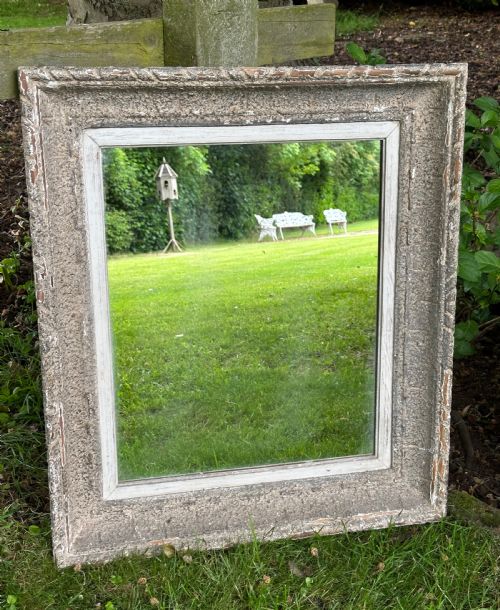
French Provincial Mantel Mirror
These french provincial mantel mirror examples bring architectural scale and rustic charm to a room, offering the decorative impact buyers seek.
French Provincial Mantel Mirror
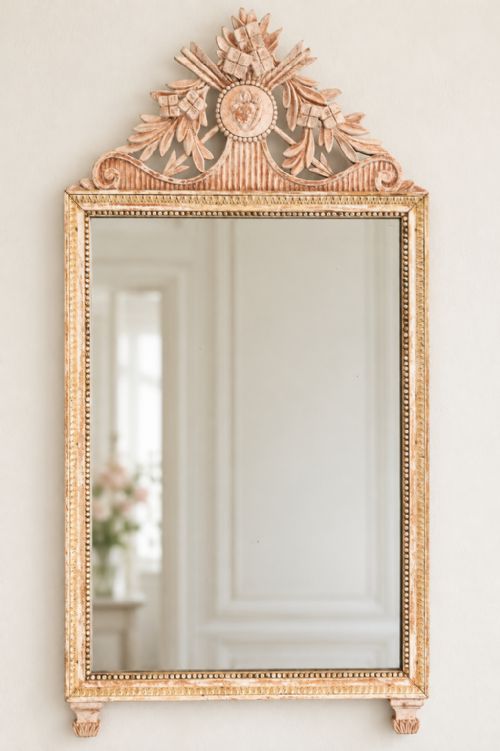
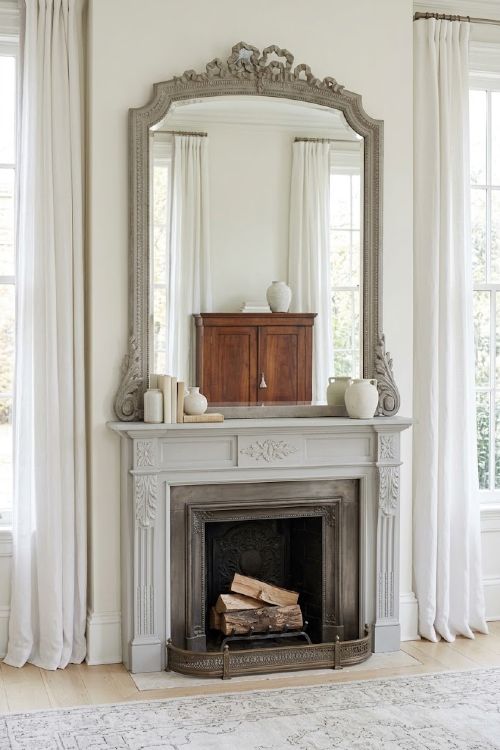
A french provincial mantel mirror typically presents a large scale designed to sit above a fireplace or serve as a wall hanging. These pieces span the nineteenth century, including specific dates such as 1850, 1860, and 1900, alongside Victorian examples.
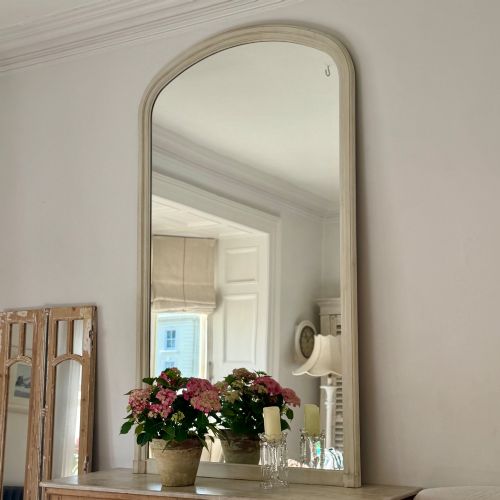
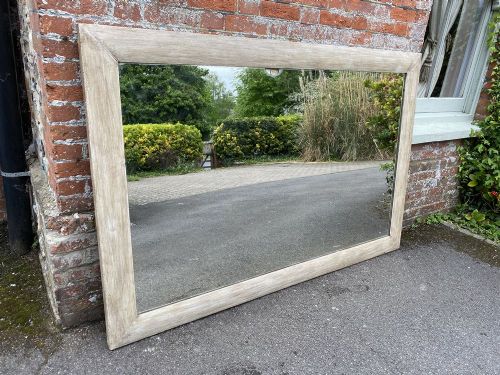
The forms encompass wall mirrors, overmantel mirrors, and console table mirrors in rectangular, arched, and faux bamboo shapes. Stylistic influences draw heavily from French chateau, French country, and Louis Philippe aesthetics.
Buyers will most frequently encounter nineteenth century items with painted or gilt finishes. These functional objects combine utility with decorative regional French character.
Materials and construction methods
Makers utilised carved wood and painted wood as the primary structural foundations for these frames. Applied gesso provided the smooth base required for detailed ornamentation and gilding.
Finishes combined layers of paint and giltwood to create aged surfaces. Mirror glass was then set securely into the heavy wooden rabbit behind the carved rebate.
French Provincial Mantel Mirror Retail Price Guide 2026
Typical asking prices for french provincial mantel mirror among the pieces listed under this phrase on Sellingantiques today, from the lower quarter to the upper quarter. They describe what is for sale here now, not the wider market.
Assessing quality in framing and glass
Depth and crispness of the hand carving separate standard frames from superior examples. The execution of gesso work beneath the paint or gilt finish dictates the refinement of the surface detail.
The proportion of the frame relative to the mirror glass influences the visual balance of the piece. Original glass plates with authentic foxing carry different character compared to later replacements.
The French Provincial Mantel Mirror Glossary
- Overmantel mirror
- A large mirror specifically proportioned to hang on the wall directly above a mantelpiece. These pieces often feature horizontal or arched formats designed to anchor the hearth.
- Gesso
- A plaster mixture applied to wood frames to create a smooth surface for gilding or painting. It allows craftsmen to carve intricate relief details before finishing.
- Louis Philippe
- A mid-nineteenth century French style characterised by restrained curves and simple, elegant architectural lines. It marks a transition from heavy ornamentation to understated grace.
- Faux bamboo
- A decorative treatment where wood is carved or turned to resemble natural bamboo stalks. This style gained popularity during the nineteenth century due to international trade influences.
- Foxing
- Age-related spots and discoloration within the silvering of antique mirror glass. Collectors value genuine foxing as an indicator of authenticity.
French Provincial Mantel Mirror: Frequently Asked Questions
How do I hang a heavy mantel mirror safely?
These large wooden frames require robust fixings secured directly into wall studs or masonry. Professional mirror hangers use heavy-duty D-rings and steel wire rated well above the weight of the piece.
Ensure the wall anchors match the specific construction of your room. Distributing the weight evenly across two fixing points prevents the frame from tilting forward.
Where should I place a French mirror?
Positioning the mirror above a fireplace mantel remains the traditional placement for these large wall pieces. They also function effectively on main living room walls to reflect natural light and create a sense of space.
Keep the scale of surrounding furniture in mind when hanging. A console table placed underneath helps anchor the visual weight of the frame.
How do I clean painted and gilt frames?
Dust the carved wooden surfaces gently using a soft, dry brush to protect fragile gesso and paint layers. Avoid commercial chemical cleaners that can strip original nineteenth-century finishes.
Use a mild glass cleaner applied to a cloth rather than the mirror directly to protect the wooden rebate from moisture damage.
What defines Louis Philippe style?
The Louis Philippe aesthetic favours clean architectural lines combined with gentle curves and minimal ornamentation. This French style emerged during the mid-nineteenth century as a reaction against excessive decoration.
Mirrors from this period typically feature simple arched tops and subdued mouldings. They blend easily into both traditional and contemporary interiors.