
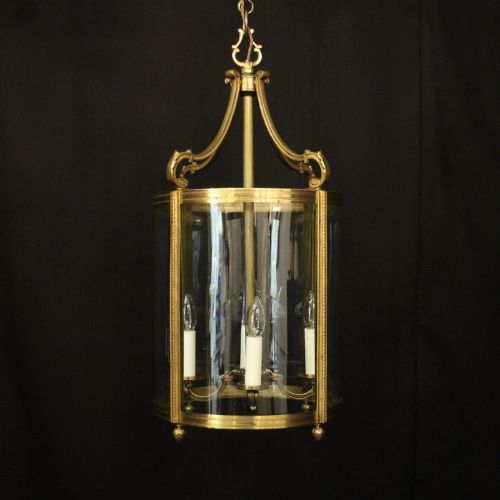
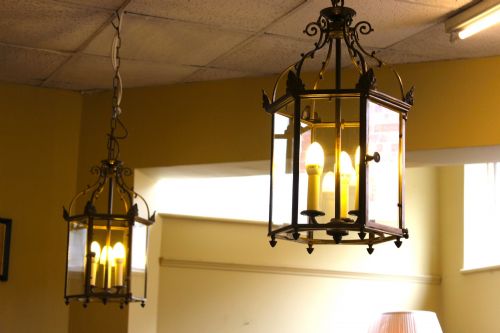


Traditional Foyer Pendant Light
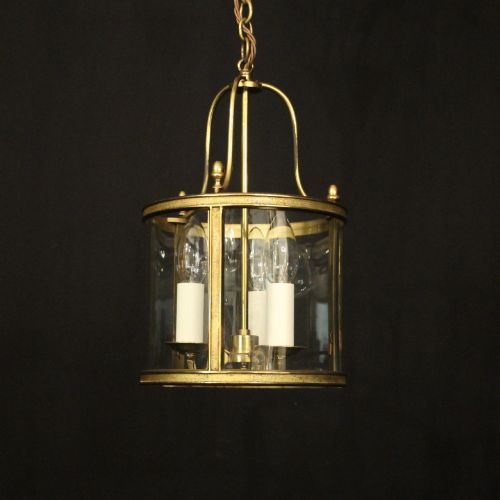
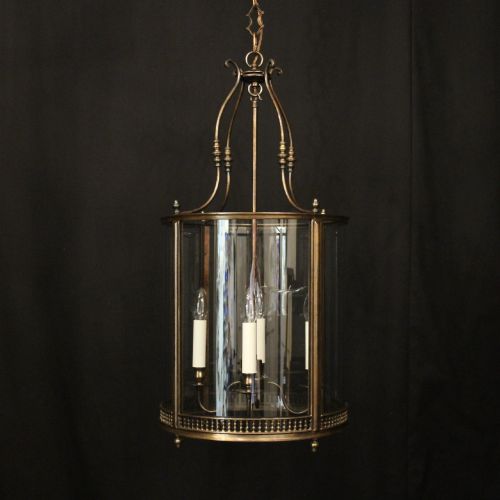
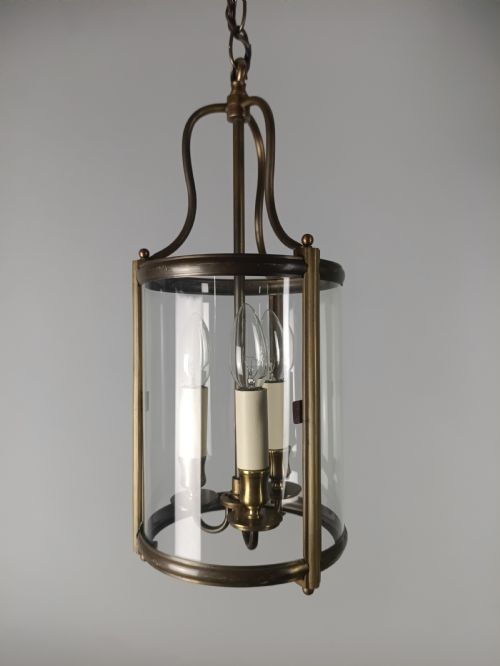
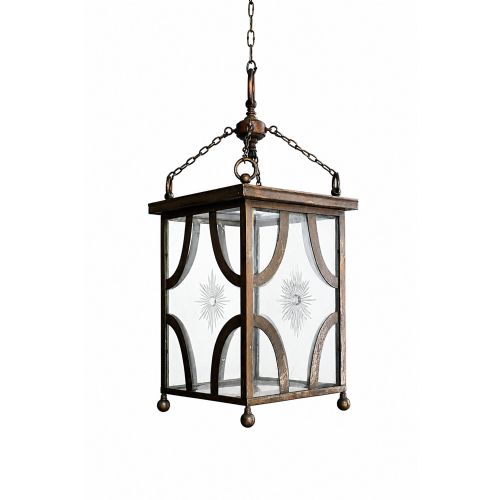
A traditional foyer pendant light sets the tone for an entrance, casting a welcoming glow from a period brass or bronze hanging lantern.
Traditional Foyer Pendant Light
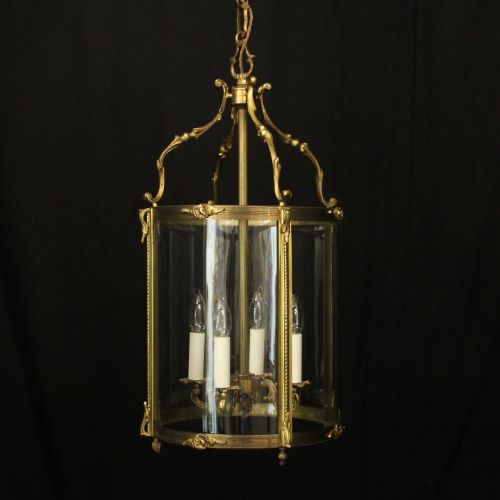
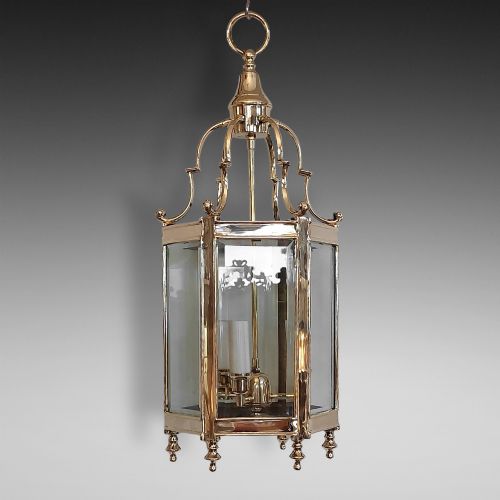
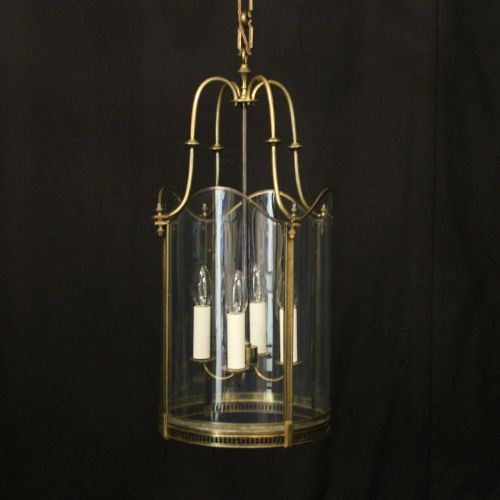
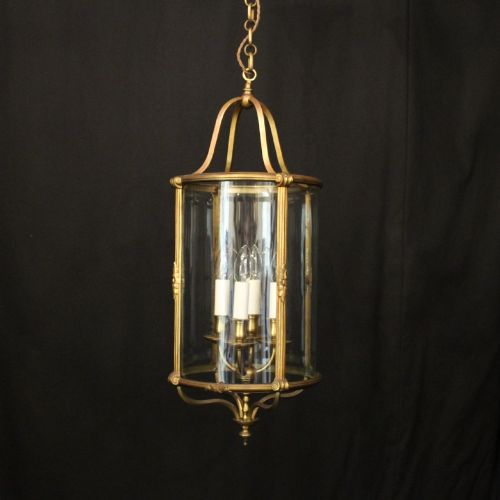
A traditional foyer pendant light encompasses architectural hanging lanterns and hall lights designed to illuminate hallways and entrance spaces. These fixtures draw upon Victorian, Edwardian, and early twentieth-century design idioms, spanning English and French aesthetic traditions.
How they were made
Metalworkers constructed the frames of these hanging lanterns using cast and wrought brass, bronze, and gilt bronze, often applying a fire-gilt or gilded finish to the metallic surfaces. These durable metal structures provide the skeletal framework necessary to support heavy glass panels.
Glazing techniques involve fitted panes of clear or bevelled glass held securely within hexagonal or convex metal housings. Multi-light internal fittings accommodate internal bulb clusters, directing light outward through the transparent panels.
Several lanterns pack up to twenty-four individual lights inside, ensuring nobody ever stumbles in the dark.
What varies in quality
The caliber of a traditional foyer pendant light depends heavily on the substance of its metal casting and the heft of its frame. Heavy bronze and thick gilt brass exhibit crisper decorative details and greater structural integrity than lighter pressed-metal alternatives.
Glass selection introduces another tier of distinction, with thick, bevelled panes creating sharper light refraction than standard flat glass. The integration of robust suspension loops and refined surface gilding further separates standard utility pieces from grander architectural examples.
The Traditional Foyer Pendant Light Glossary
- Convex glass
- Curved glass panels that bulge outward to diffuse light more broadly across an entrance hall. This form appears frequently on French and English hall lanterns from the early twentieth century.
- Gilt bronze
- Bronze metal treated with a thin layer of gold or gold-coloured wash to impart a rich, reflective surface. It provides the warm metallic sheen seen on many French neoclassical fixtures.
- Hexagonal lantern
- A hanging light fixture featuring six sides, commonly constructed with brass frames and individual glass panes. This geometric shape distributes illumination evenly in narrow hallways.
- Bevelled glass
- Glass panes featuring angled, polished edges that catch and refract light. This treatment adds visual depth to the lantern body when illuminated from within.
Traditional Foyer Pendant Light: Frequently Asked Questions
Where should a hall lantern hang?
These fixtures belong in high-ceilinged entrance halls, corridors, and foyers where their vertical drop can be fully appreciated.
Sufficient clearance underneath ensures safe passage for tall visitors walking beneath the hanging body.
How do I date a brass lantern?
Dating relies upon examining construction methods, metal patination, and the style of the casting details. Edwardian and 1920s examples often display specific decorative motifs tied to neoclassical revival movements.
Wiring methods and screw types also offer clues, though many period pieces have undergone rewiring for modern use.
Are these lights suitable for low ceilings?
Hanging lanterns and pendant lights require adequate vertical drop to hang properly without dominating the room. Low ceilings call for flush or semi-flush alternatives rather than hanging chains.
Can antique lanterns take modern bulbs?
Many surviving fixtures arrive rewired for contemporary electrical standards while retaining their original brass and bronze frames. Standard bulb fittings allow integration with modern domestic lighting systems.