
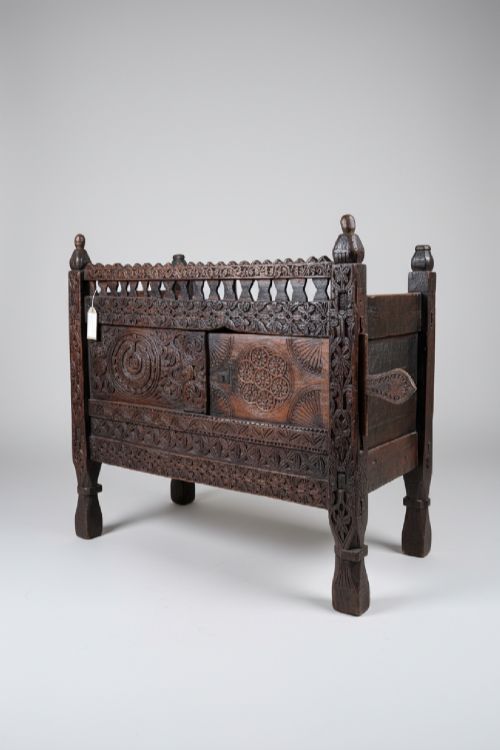
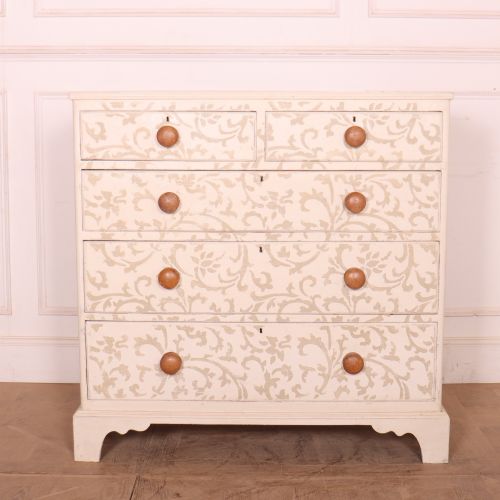

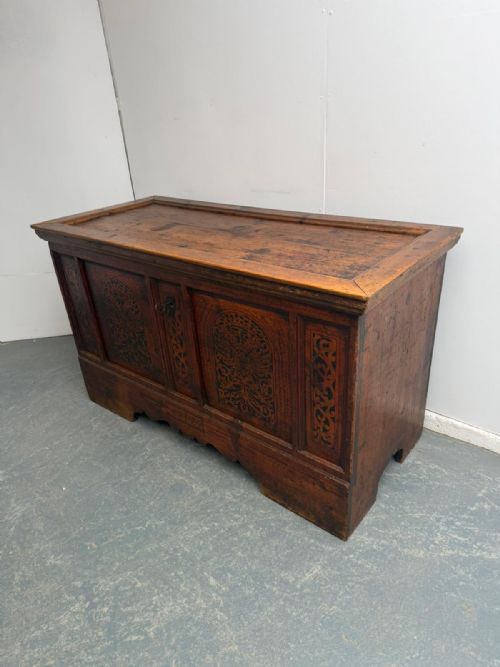


Traditional Folk Art Chest
A traditional folk art chest brings hand-painted colour and domestic history into a room, offering practical storage with vernacular charm.
Traditional Folk Art Chest
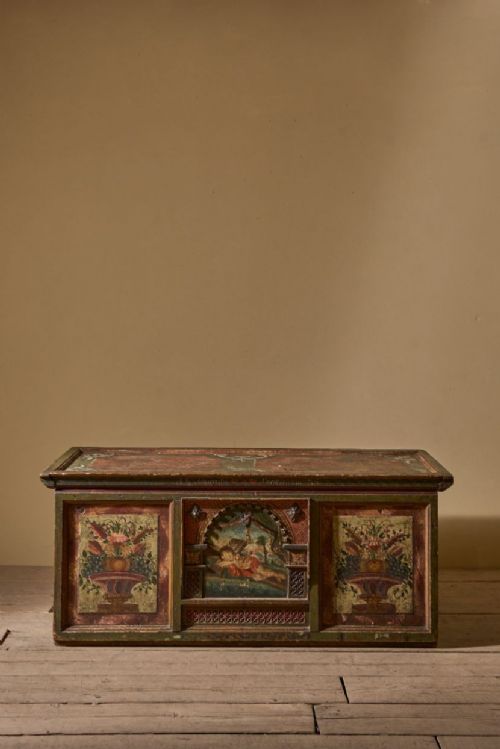
A traditional folk art chest encompasses painted marriage trunks, dowry boxes, and blanket coffers originating from regional European workshops. These pieces serve as functional storage vessels carrying distinct local ornamentation, from Scandinavian floral motifs to Hungarian painted surfaces.
The selection on this page ranges widely in form and origin, taking in small desk boxes, mule chests, chests of drawers, and rustic shepherds coffers. Buyers encounter pine and oak structures built across the eighteenth and nineteenth centuries, often retaining their original pigment or scumble finishes.
Materials and construction
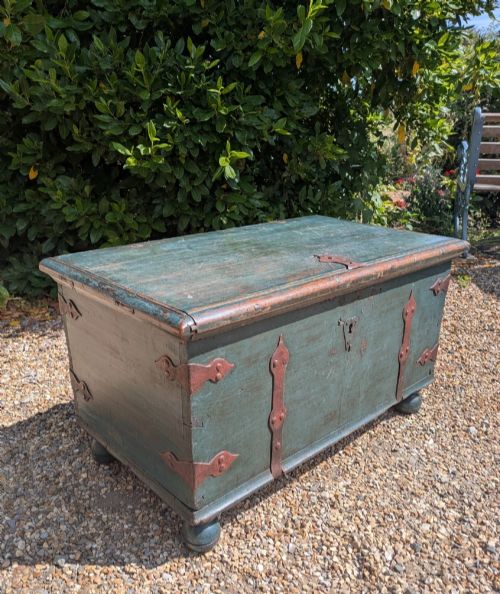
Makers relied primarily on local timber such as pine and oak, fabricating carcasses with pegged joints or hand-forged iron strapwork. Iron and wrought iron hinges, latches, and brackets reinforced heavy lids and corners on transportable marriage trunks and storage boxes.
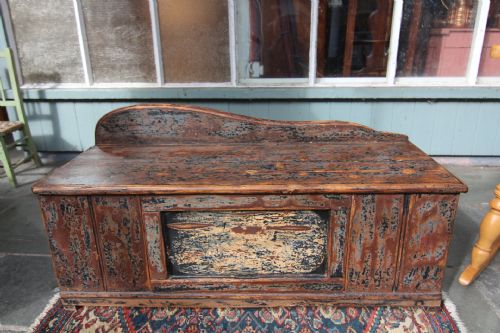
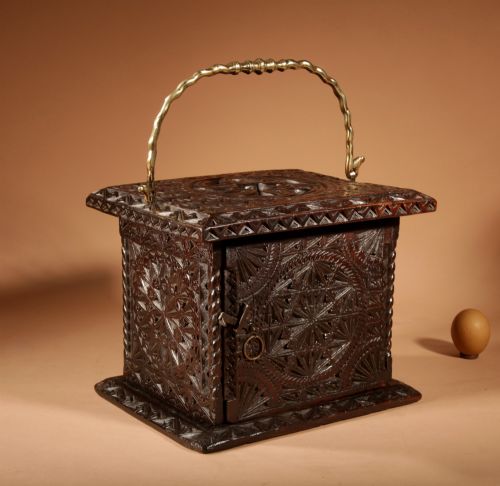
Surfaces were frequently finished with pigment and paint, yielding floral decorations, polychrome panels, and scumble glazes. Chip carving additionally appeared on specific regional pieces, adding texture directly to the timber.
Listings feature pine and oak timber structures decorated with pigments, hand-forged iron, and brass across nineteenth-century European folk art traditions.
Judging quality in folk art chests
Quality rests in the survival of original painted surfaces and pigment layers rather than pristine factory standardisation. Pieces showing untouched regional motifs and authentic handling wear command greater interest than later repainted surfaces.
Structural integrity also separates examples, seen in the survival of hand-forged iron hardware, original oak or pine floorboards, and traditional joinery methods that remain stable over centuries.
The Traditional Folk Art Chest Glossary
- Mule chest
- A storage chest fitted with one or more drawers beneath the main compartment. This form bridges the traditional coffer and the modern chest of drawers.
- Dowry chest
- A large box traditionally prepared for a bride to store household linens and personal possessions. These pieces frequently display specific regional painting and family motifs.
- Scumble
- A decorative painting technique involving the layering of translucent glaze over a lighter base colour to simulate grain or texture. It appears commonly on nineteenth-century pine surfaces.
- Strapwork
- Flat bands of metal, typically iron or wrought iron, applied across the exterior of a chest to reinforce corners and hinges. Hand-forged examples are characteristic of earlier vernacular work.
- Cassone
- A large Italian marriage chest used historically for storing valuable household goods. These pieces often feature extensive hand painting or carved decoration.
Traditional Folk Art Chest: Frequently Asked Questions
What is a traditional folk art chest used for?
These chests were historically utilised for storing household linens, dowry items, and personal belongings in domestic settings. Today, they function as practical storage furniture that adds character and regional colour to living spaces.
Their robust construction makes them suitable for holding blankets, books, and everyday items while serving as focal points in hallways or bedrooms.
How do I identify the origin of a painted chest?
Origins are typically read through the specific palette, floral motifs, and structural forms associated with particular regions like Scandinavia, Hungary, or the Alpine countries. Painted marriage trunks often carry distinct local styles of folk ornamentation.
Examining the underlying pine or oak construction and the type of iron hardware can also offer clues regarding the geographical workshop.
Are painted finishes usually original?
Surviving surfaces vary between untouched original pigment, scumble glazes, and later decorative layers applied over time. Close inspection of the paint reveals craquelure and wear patterns consistent with age.
Original painted decoration displays natural integration with the timber beneath, showing genuine handling marks around handles and edges.
How do I care for antique pine furniture?
Antique pine and painted surfaces require stable indoor humidity levels and protection from direct sunlight to prevent timber movement and pigment fading. Gentle dusting with a dry cloth is generally sufficient for maintenance.
Avoid using modern chemical polishes or abrasive cleaners, which can damage original painted schemes or dry out historic wood.