


Traditional Flower Oil Painting
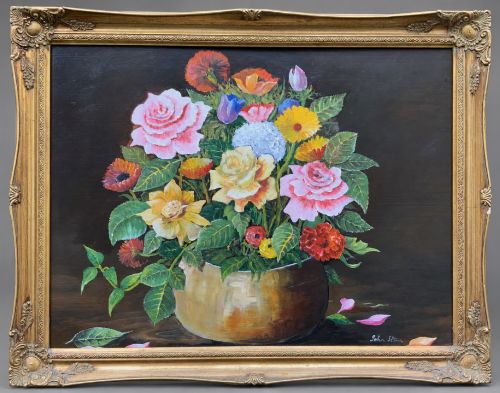
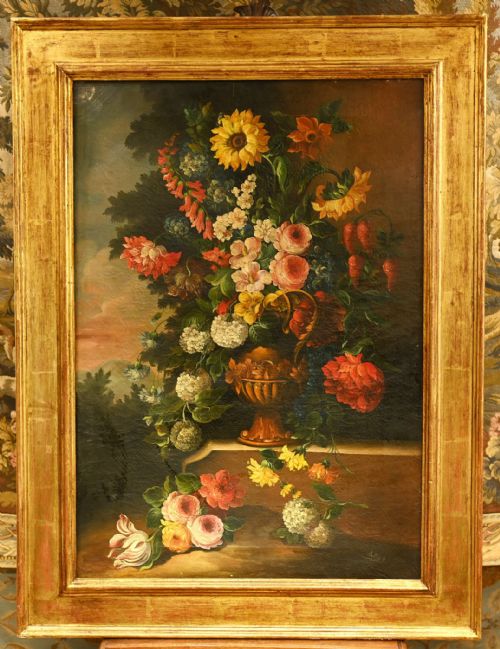
A traditional flower oil painting brings botanical stillness to a room, offering rich textures and enduring colour from the brush of the artist.
Traditional Flower Oil Painting
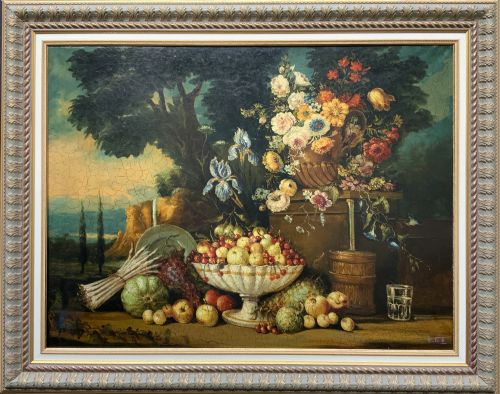
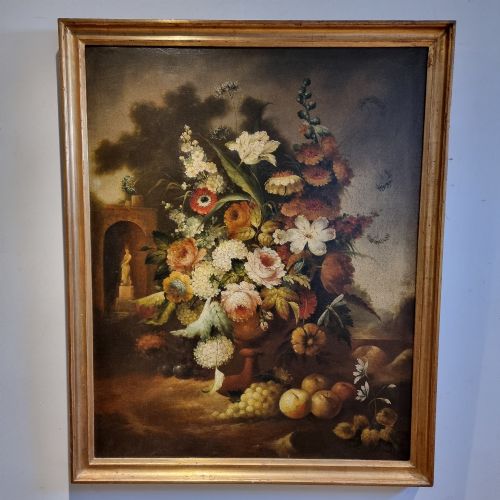
When you examine a traditional flower oil painting, you encounter works spanning from the eighteenth century to the mid-twentieth century, capturing botanical studies and still life arrangements. The selections here include British Impressionism, Victorian compositions, and Dutch Baroque Revival styles.
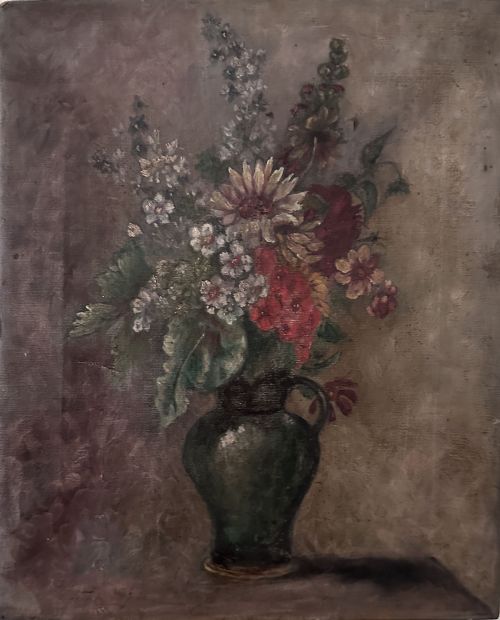
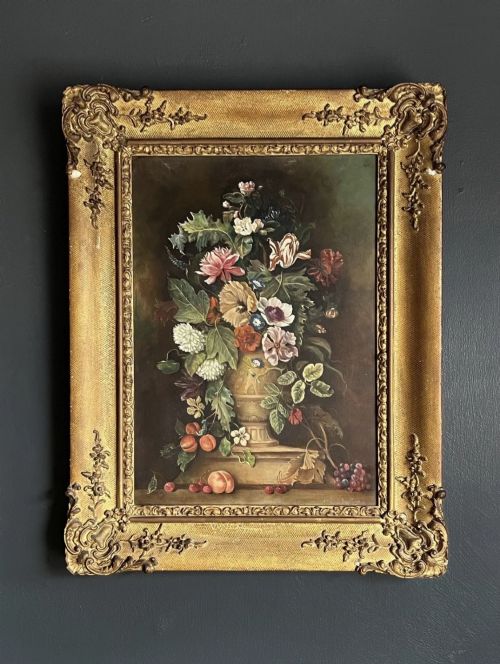
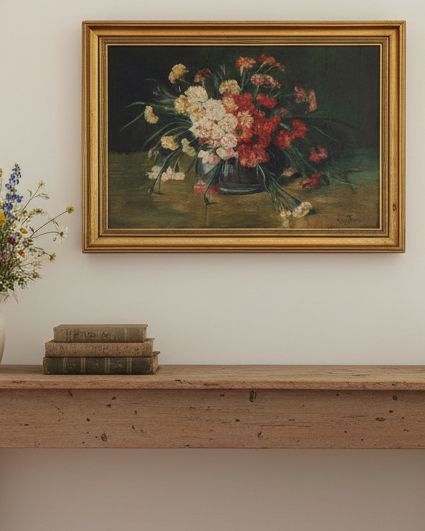
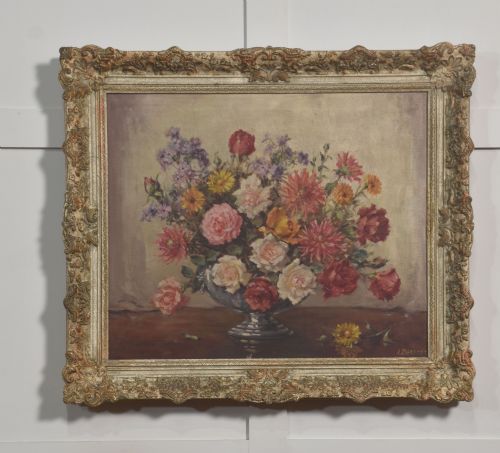
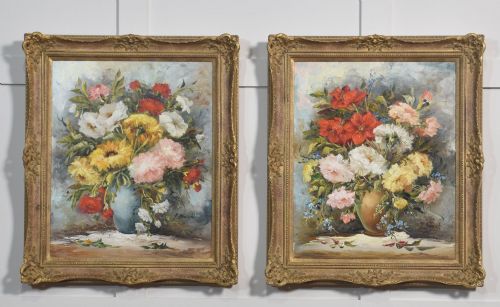
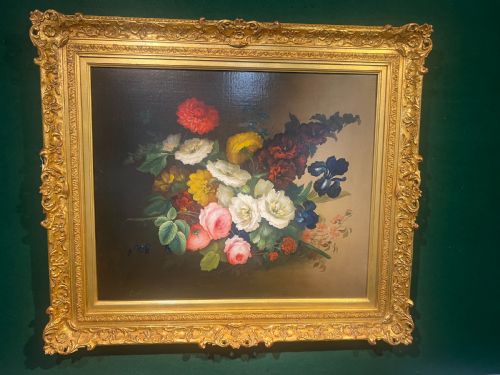
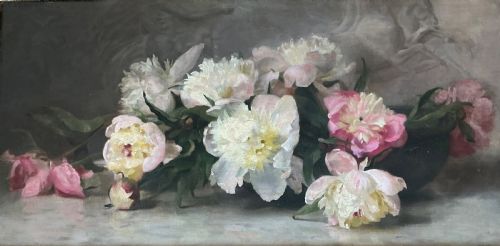
Most items you meet on this page date from the late nineteenth and early twentieth centuries, rendered by artists working with oil paint on canvas. These canvases depict vases, jugs, and groupings of roses, peonies, and mixed spring flowers.
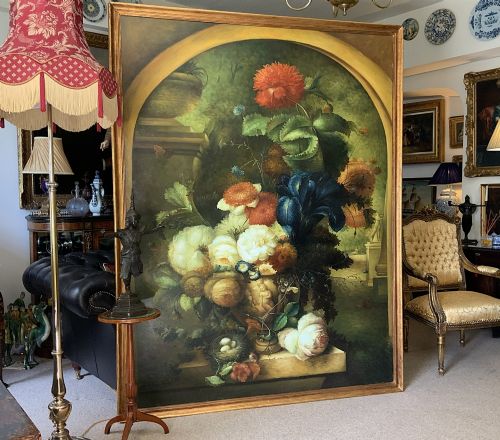
Makers range from named European artists to pieces attributed to specific schools, reflecting styles such as Post-Impressionism and traditional still life. You find everything from intimate miniature studies to monumental gallery-scale canvases.
How they were made
Artists built these works using oil paint applied to stretched canvas surfaces, layering pigments to achieve depth in petals and foliage. Many retain their original wooden supports and stretcher frames.
Surrounding the artwork, you frequently encounter frames constructed from wood adorned with gesso and gold leaf or silver finishes. These frames were often carved or moulded to match the aesthetic of the period.
Traditional Flower Oil Painting Retail Price Guide 2026
Typical asking prices for traditional flower oil painting among the pieces listed under this phrase on Sellingantiques today, from the lower quarter to the upper quarter. They describe what is for sale here now, not the wider market.
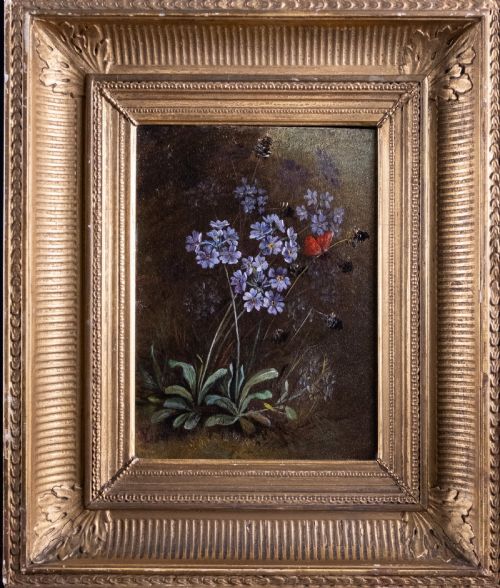
Keep an eye out for hidden insects and stray butterflies sharing the canvas with the floral arrangements.
What varies in quality
The distinction between average and superior works lies in the handling of light, shadow, and botanical detail by the painter's hand. Brushwork on better pieces exhibits confident precision, particularly in the depiction of petals, leaves, and glass vessels.
Frame craftsmanship also dictates the overall standard of the piece, with hand-gilded gesso mouldings outperforming plain or later replacement surrounds. The preservation of the original canvas tension and pigment stability further separates fine examples from standard decorative items.
I. Berezny·Edwin Steele·Manuela Bonati·William Watt Milne·Gertrude Hayes·Owen Bowen·Edward Ladell·Calzolari·Terence Loudon·Robin MacKertich·Henry Schouten·L. Wilford·Pierre-Joseph Redouté·Emily Selinger·Margaret Evangeline Wilson·Harold Edward Conway·Kershaw Schofield
The Traditional Flower Oil Painting Glossary
- Canvas
- A heavy woven fabric stretched across a wooden frame to serve as the foundation for the oil painting. It provides the necessary texture and tension for the artist's brushwork.
- Gesso
- A plaster-like mixture applied to wooden frames before gilding or painting. It creates a smooth, durable surface for decorative moulding.
- Still life
- An artwork depicting inanimate subject matter, typically featuring natural objects such as flowers, fruit, and glassware. This genre allows artists to focus heavily on composition and light.
- Dutch Baroque Revival
- A later artistic style imitating the dramatic lighting and detailed botanical arrangements of seventeenth-century Dutch masters. These works often feature dark backgrounds contrasting with vibrant floral displays.
- Gold leaf
- Extremely thin sheets of beaten gold applied to wooden frames for ornamentation. It imparts a warm, metallic lustre that ages with a distinctive patina.
Traditional Flower Oil Painting: Frequently Asked Questions
What is a traditional flower oil painting?
These works are hand-painted depictions of botanical subjects executed in oil pigments upon canvas supports. They record floral arrangements ranging from simple garden studies to elaborate Dutch-inspired displays.
Created across multiple centuries, they showcase the changing approaches of artists toward natural subjects and lighting.
How were these paintings displayed originally?
Owners typically hung these canvases in formal reception rooms, parlours, or dining spaces within decorative wooden frames. The frames served both to protect the canvas edges and to complement the interior decor of the period.
Larger monumental pieces anchored main rooms, while miniature studies found places in more intimate private quarters.
How do I live with an oil painting?
Position your artwork away from direct sunlight and fluctuating heat sources to protect the canvas and the oil pigments. Stable indoor environments prevent the wood stretcher and canvas from warping over time.
Dust the surface and the gilded frame gently with a dry, soft cloth without applying liquid cleaners.
How can I tell the period of a painting?
Examine the materials of the canvas, the stretcher construction, and the style of the gilt frame for period indicators. Brush techniques and signature styles also point toward specific artistic movements like Victorian painting or British Impressionism.
Comparing the subject's arrangement with documented works by known makers helps narrow down the decade of creation.