

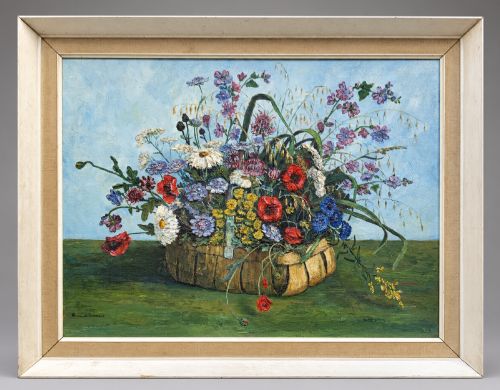
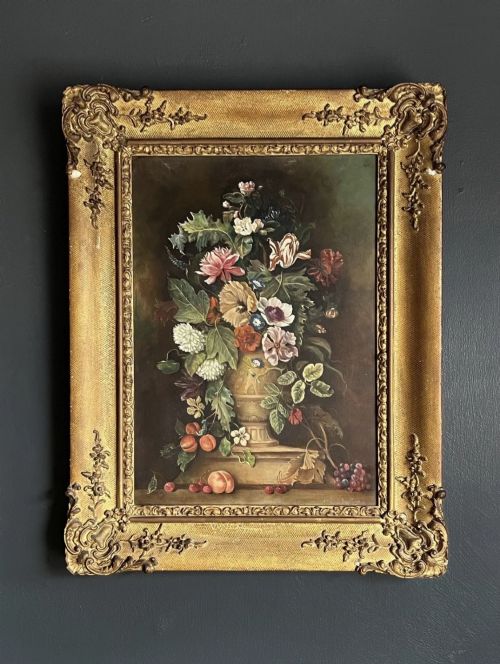
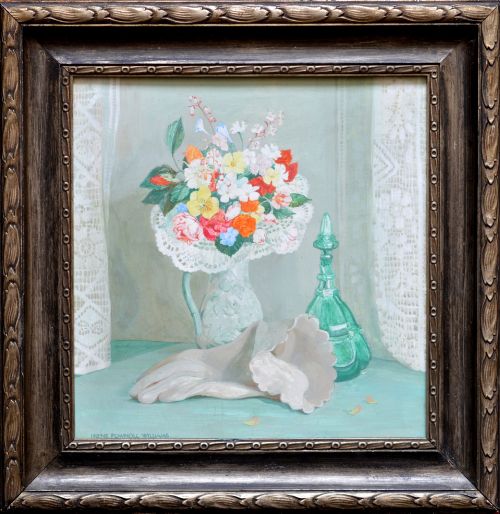
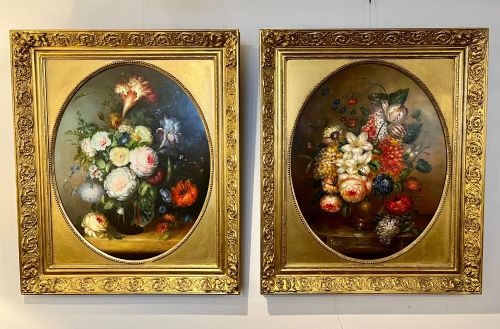


Flower Bouquet Painting
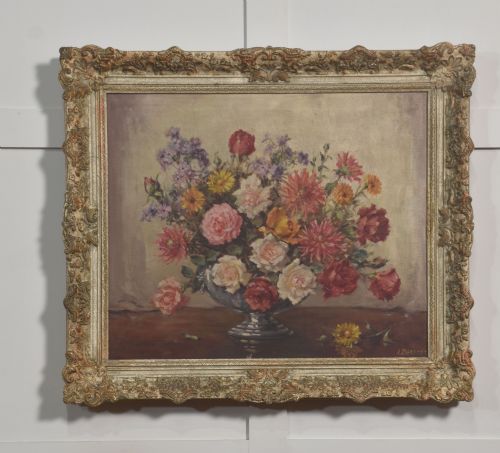
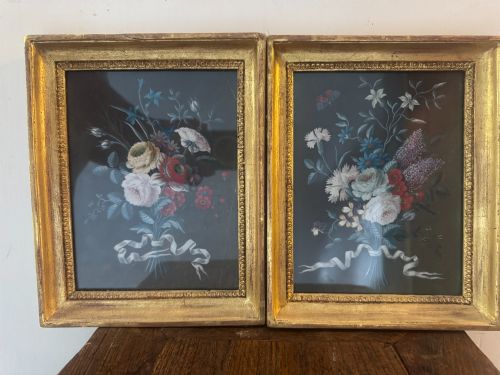
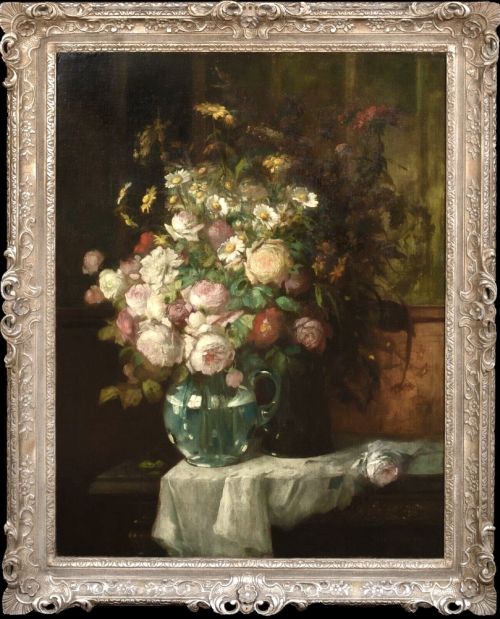
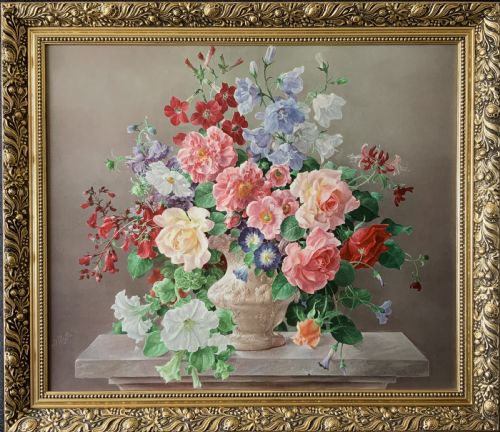
A flower bouquet painting brings the permanence of a garden indoors, offering vibrant colour and considered composition through oils or tempera on canvas and panel.
Flower Bouquet Painting
A flower bouquet painting captures floral arrangements through mediums such as oil paint, tempera, and gouache across diverse periods from the nineteenth century into the mid-twentieth century.
Buyers encountering this search phrase find varied expressions including Dutch Golden Age styles, Post-Impressionism, and mid-century modern interpretations.
The physical formats range from intimate panel studies to large canvases, frequently housed within period frames of gilt gesso or wood.
Materials and technique
Artists built these works using oil paint or tempera applied to stretched canvas, wooden panels, or board, sometimes layering pigment to achieve textural impasto.
Many works incorporate gesso and gold leaf within their decorative frames, supporting and complementing the painted composition within.
Flower Bouquet Painting Retail Price Guide 2026
Typical asking prices for flower bouquet painting among the pieces listed under this phrase on Sellingantiques today, from the lower quarter to the upper quarter. They describe what is for sale here now, not the wider market.
The listings span from the early nineteenth century through to the nineteen-sixties, incorporating canvas, wood, and gesso.
Distinctions in quality
Quality rests in the assured handling of pigment and the rhythm of the composition, where light models the petals and leaves with conviction.
The integrity of the original support, the sensitivity of the framing, and the clarity of the artist's touch separate standard decorative pieces from finer works.
Irene Christobelle Pownoll Williams·Konstantin Stoitzner·Stuart Armfield·Bertoldo Taubert·Terence Loudon
The Flower Bouquet Painting Glossary
- Tempera
- A permanent, fast-drying painting medium consisting of pigmented powder mixed with a water-soluble binder, commonly egg yolk.
- Gesso
- A plaster-like mixture applied to wood panels or canvases as a base for painting or for moulding decorative frames.
- Impasto
- The process of applying paint thickly so that it stands out from the surface, creating visible brush or palette-knife marks.
- Oleograph
- A coloured textured reproduction printed on canvas using an offset lithograph technique to imitate an oil painting.
Flower Bouquet Painting: Frequently Asked Questions
How do I date a floral painting?
Dating relies on the substrate, framing style, and pigments used, alongside any signatures or biographical dates of the artist. Stylistic cues also point towards specific decades such as the mid-century modern era.
Examining the reverse of the canvas or panel often reveals gallery labels, framing stamps, or inscriptions that clarify the period.
Are these paintings usually signed?
Many works bear the artist's signature, either monogrammed or written clearly in the lower corner of the composition. Signatures help attribute the work to specific painters recorded in the period.
Unsigned examples still find context through their handling, material composition, and stylistic alignment with known movements.
How should I frame an antique painting?
Selecting a frame appropriate to the period protects the edges of the canvas and respects the visual weight of the artwork. Gilt gesso frames suit traditional Dutch style or nineteenth-century pieces.
Mid-century works often benefit from simpler wooden profiles that reflect the modernist aesthetic of their creation date.
Can I hang oil paintings in direct sunlight?
Direct sunlight accelerates the fading of pigments and can dry out canvas or wooden panels over extended periods. Placing paintings on interior walls away from direct rays preserves the colours.
Maintaining stable room temperature and humidity further protects the structural integrity of both paint and support.