
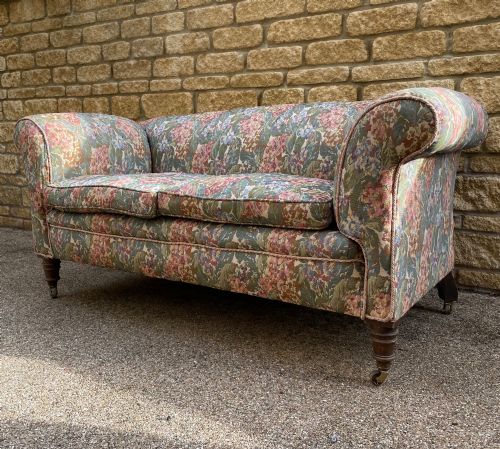
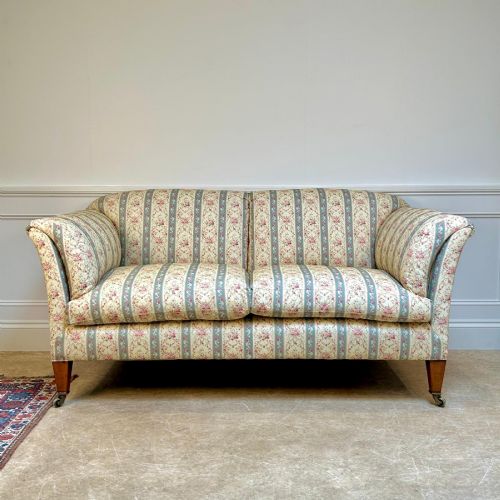
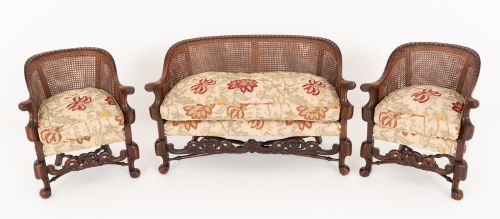
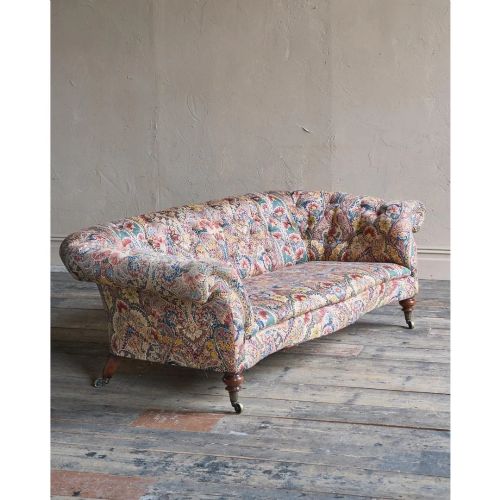
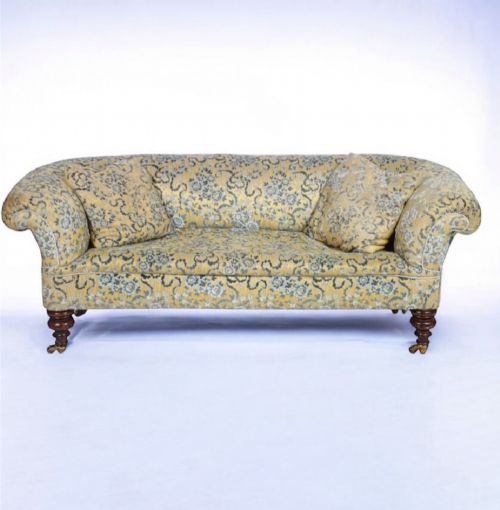


Traditional Floral Settee
A traditional floral settee brings pattern and character into a room, offering comfortable seating rooted in historical styles.
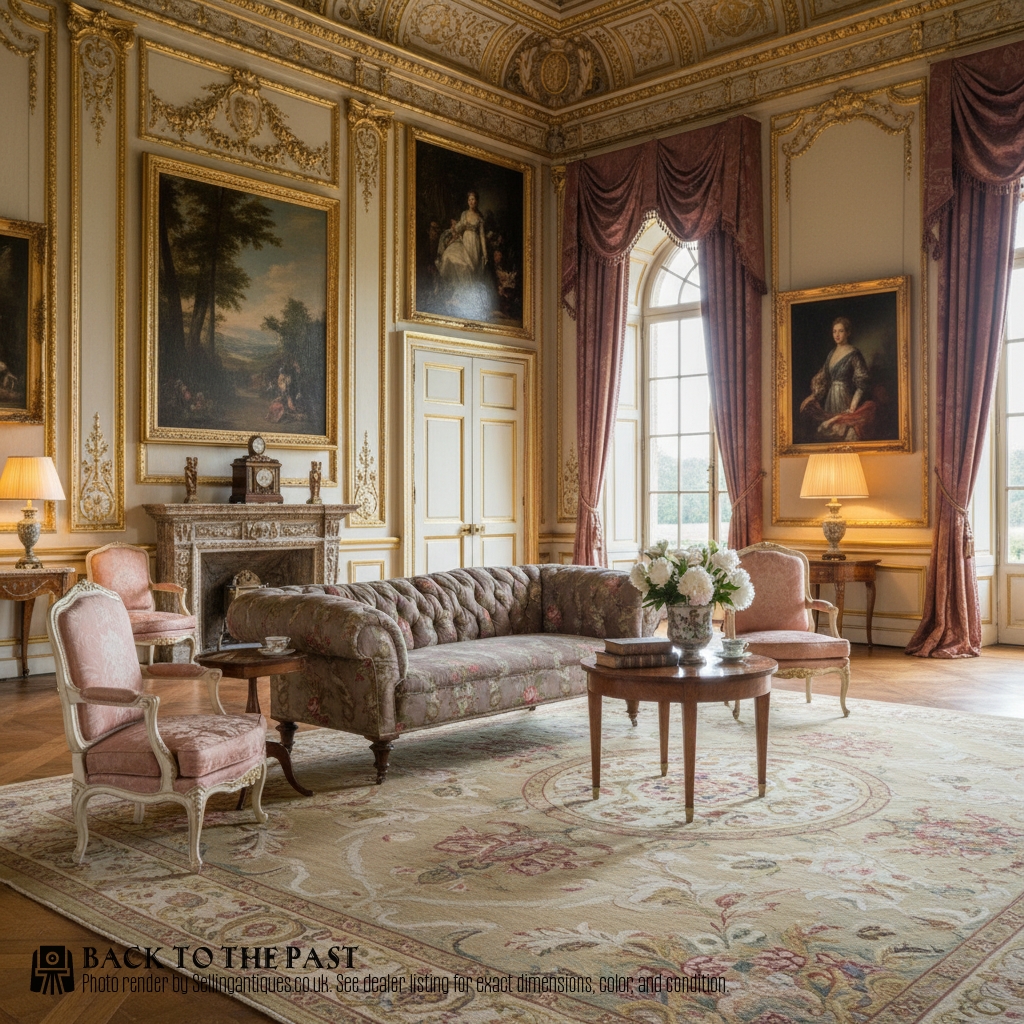
Traditional Floral Settee
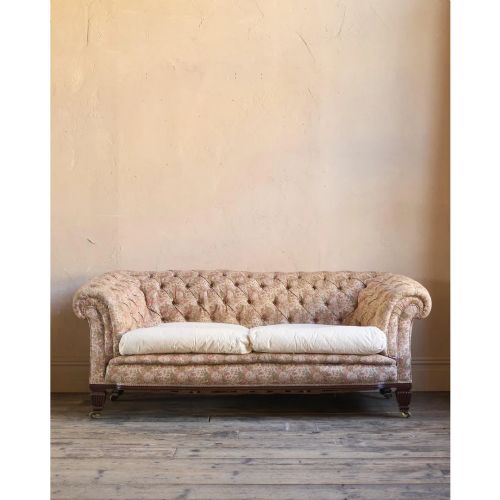
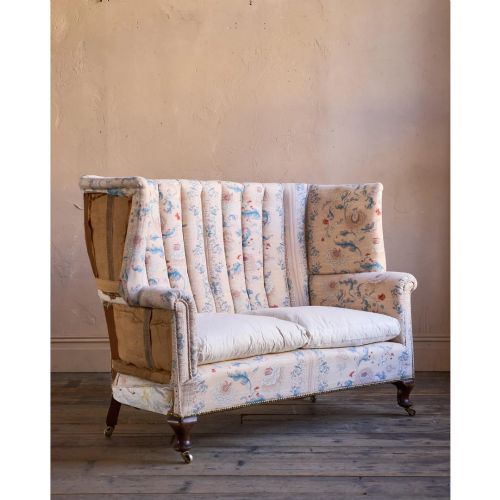
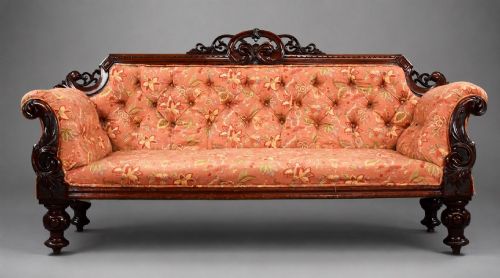
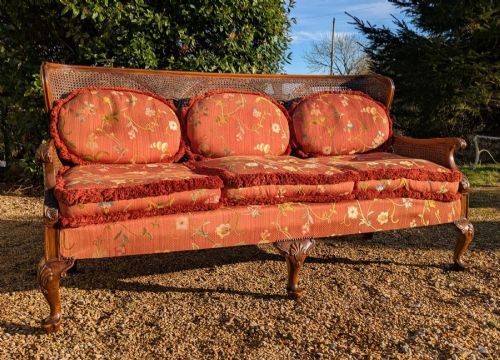
A traditional floral settee encompasses various forms of upholstered seating designed with botanical motifs and classic silhouettes. Buyers searching this phrase will find pieces spanning the nineteenth century through to the early twentieth century, including Victorian, Edwardian, and revival styles.
The selection ranges from compact two-seater drops and walnut frames to substantial Chesterfield and Knowle configurations. Most examples date from the Victorian and Edwardian eras, reflecting enduring preferences for patterned upholstery and turned timber supports.
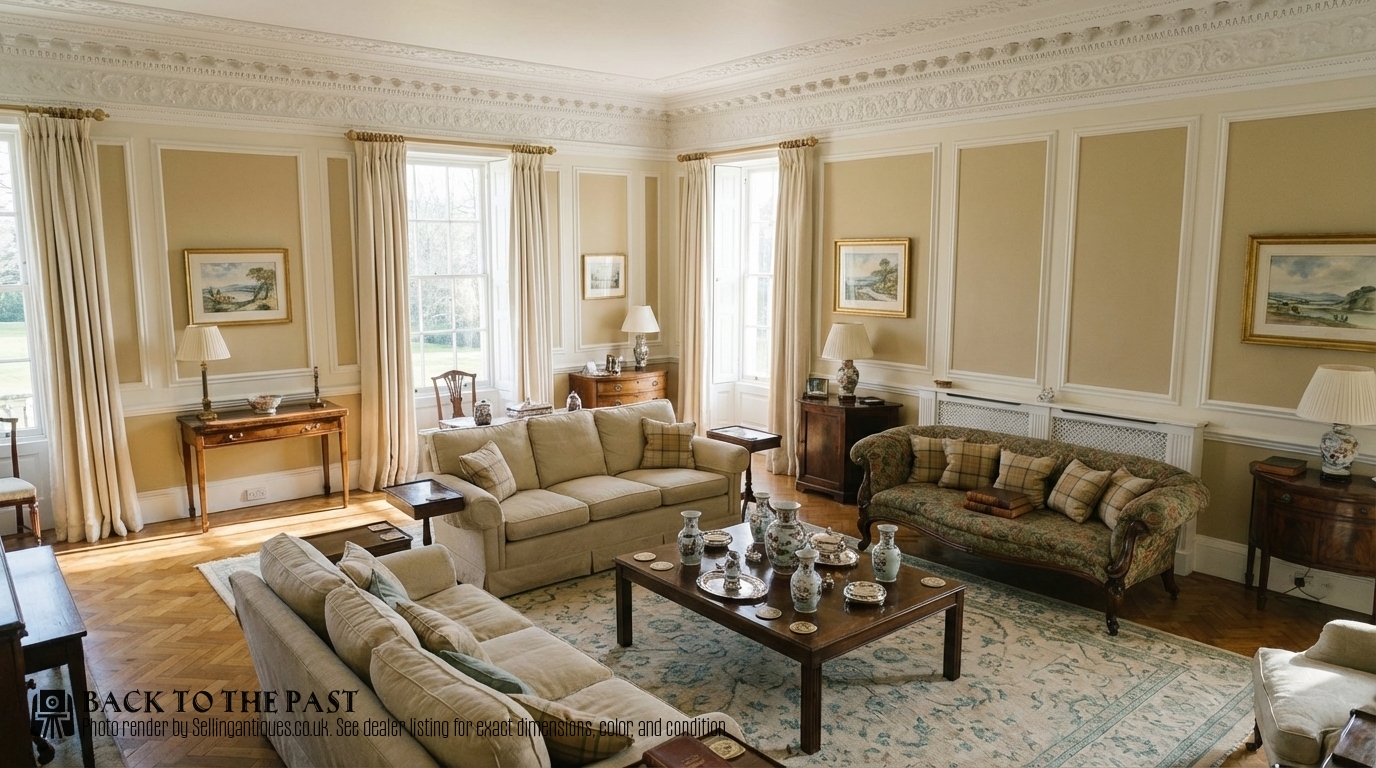
Materials and Construction
Frames rely on sturdy timbers such as mahogany, walnut, oak, and general hardwood to provide a durable skeletal structure. Upholstery fabrics, including specialised prints like Colefax and Fowler designs, cover internal stuffing supported by traditional webbing and spring systems.
Listings feature various woods including mahogany, walnut, and oak, alongside fabrics like floral upholstery and leather.
Assessing Quality and Craftsmanship
The standard of a settee depends heavily on the integrity of the timber frame and the depth of hand-carved ornamentation. Superior pieces demonstrate crisp joinery in hardwoods like walnut and mahogany, ensuring the underlying structure remains rigid and supportive over decades of use.
Upholstery execution and fabric selection also drive distinction across the range, with original ticking, branded maker details, and high-grade patterned textiles elevating a piece. Finer examples retain authentic finishing touches, from hand-tied springs to precise pattern matching on the floral covers.
Howard and Sons·Gillows
The Traditional Floral Settee Glossary
- Chesterfield
- A large upholstered sofa characterised by deep buttoning and rolled arms of equal height to the back. This iconic form appears frequently in nineteenth-century British seating.
- Bergere
- An enclosed upholstered armchair or sofa with exposed wooden framing and cane or upholstered sides. These pieces often feature loose feather cushions for added comfort.
- Knowle Sofa
- A traditional settee style distinguished by adjustable or hinged arms held in place by wooden cord and tassels. It originated in the seventeenth century and remains popular in later revival forms.
- Wingback
- A high-backed armchair or settee featuring side panels designed to shield the user from drafts. Nineteenth-century variants often incorporate fluted woodwork and deep cushioning.
- Carolean Style
- A decorative aesthetic referencing the reign of Charles II, marked by rich carved walnut woodwork and ornate scroll motifs. Settees in this style showcase elaborate floral and foliage carvings.
Traditional Floral Settee: Frequently Asked Questions
How do I date a traditional settee?
Dating relies on examining the timber species, joinery methods, and the style of the carved woodwork or legs. Comparing the upholstery techniques and underlying webbing against known period examples also provides reliable chronological clues.
Design motifs often point to specific eras, such as Victorian mahogany framing or Edwardian walnut structures. Consulting maker stamps or labels where present helps confirm the exact period of manufacture.
How should I care for antique upholstery?
Protect antique fabric and floral textiles by keeping the settee away from direct sunlight to prevent fading. Regular gentle vacuuming with a soft brush attachment removes surface dust without damaging delicate threads.
Professional cleaning is recommended for deeper maintenance of vintage fabrics and internal padding. Ensuring stable indoor humidity levels also preserves the condition of both timber frames and textile covers.
Are these settees suitable for daily use?
Many traditional settees are robustly constructed from hardwoods like mahogany and walnut, making them well-suited for everyday seating. Their durability depends on the structural health of the frame and the condition of the internal springs.
Pieces with original stuffing or older upholstery may require professional restoration to support regular sitting. Assessing the firmness of the seat and back provides a good indication of daily resilience.