



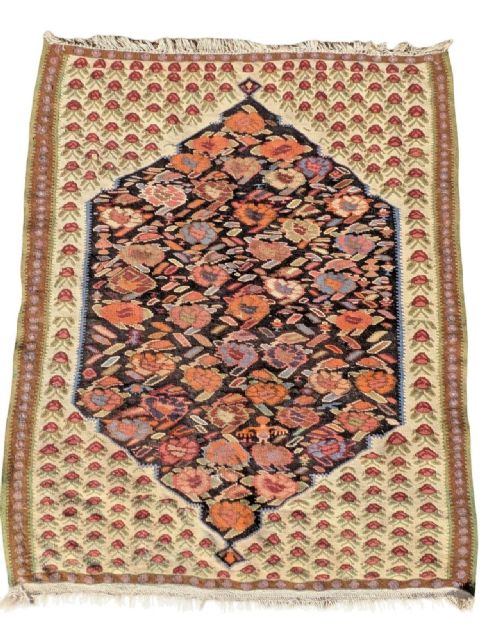
Traditional Floral Oriental Rug
A traditional floral oriental rug brings deep botanical motifs and hand-knotted heritage directly into a room from origins spanning Persia, Turkey, and the Caucasus.
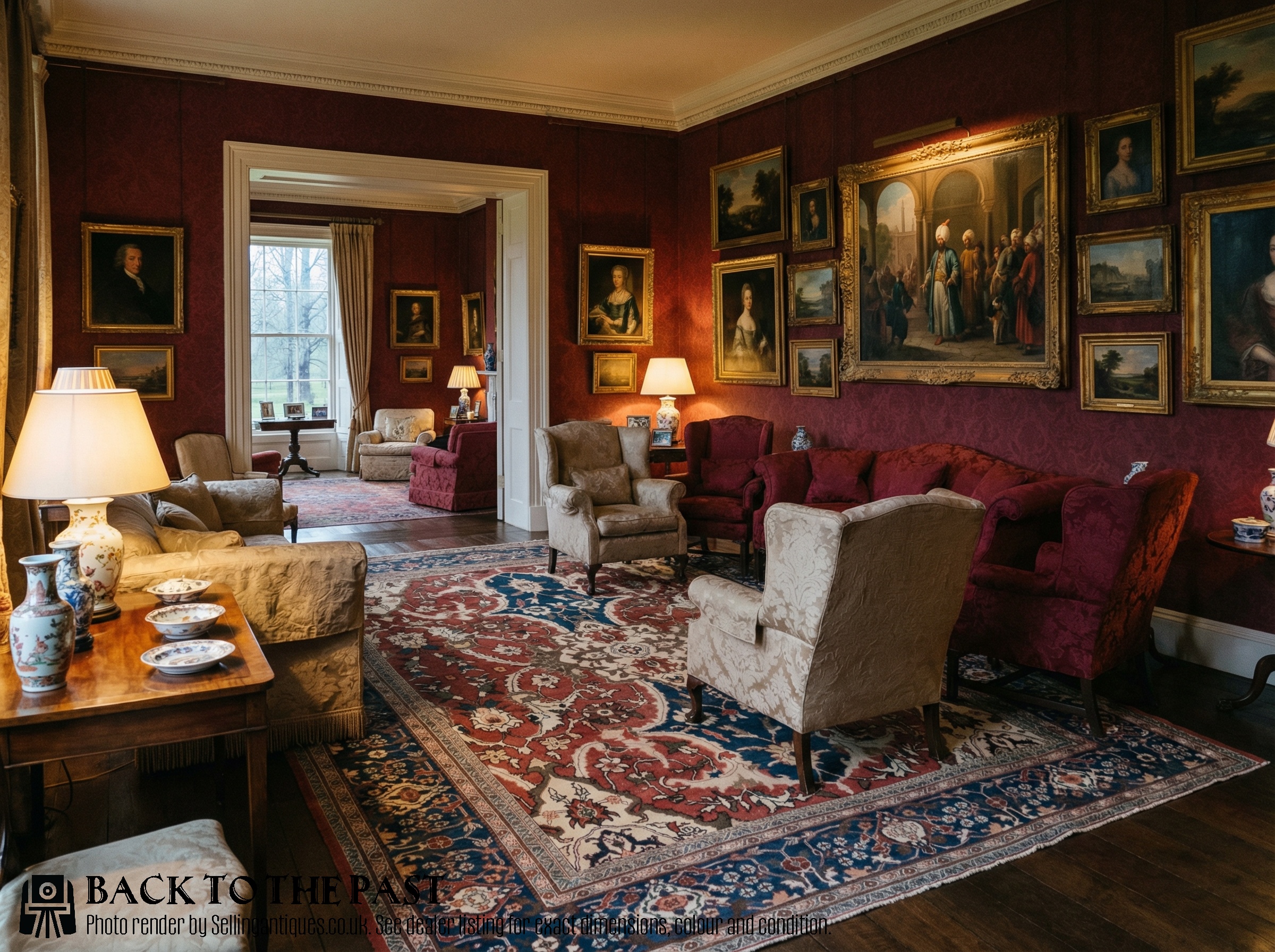
Traditional Floral Oriental Rug
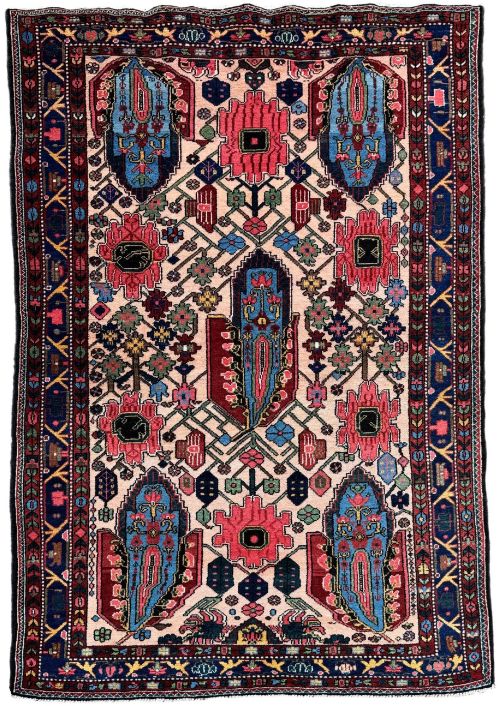
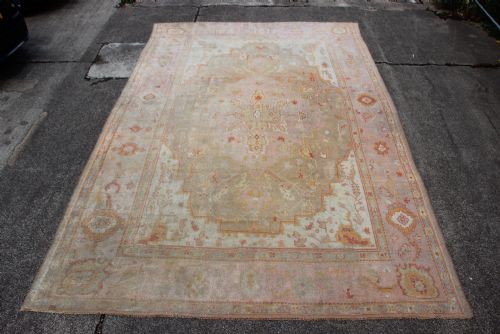
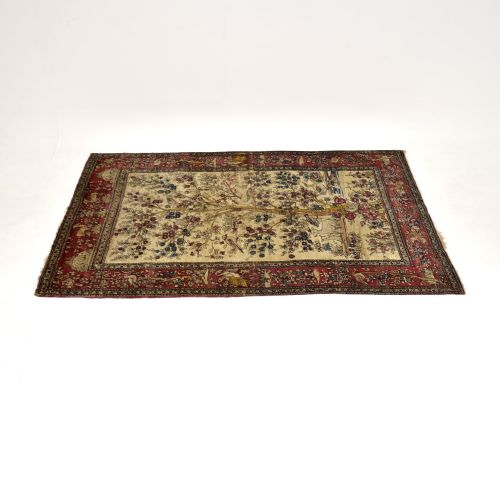
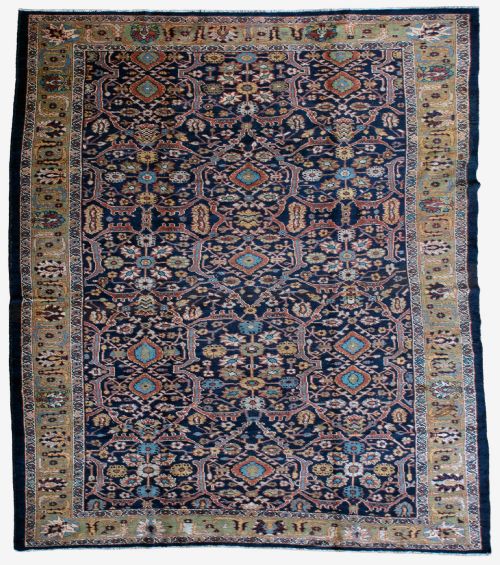
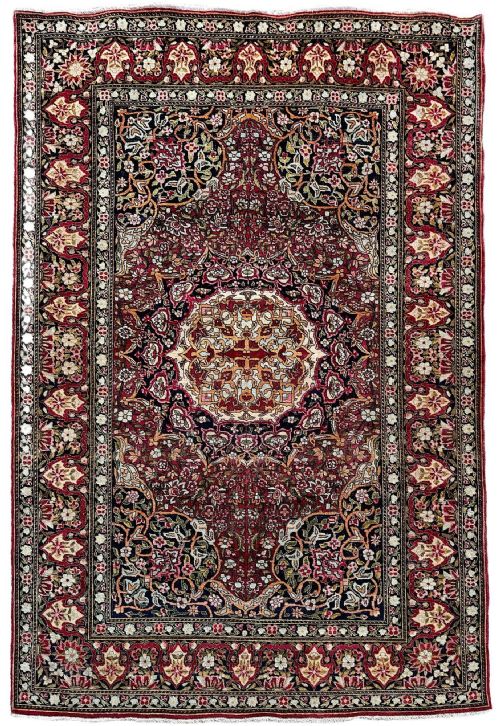
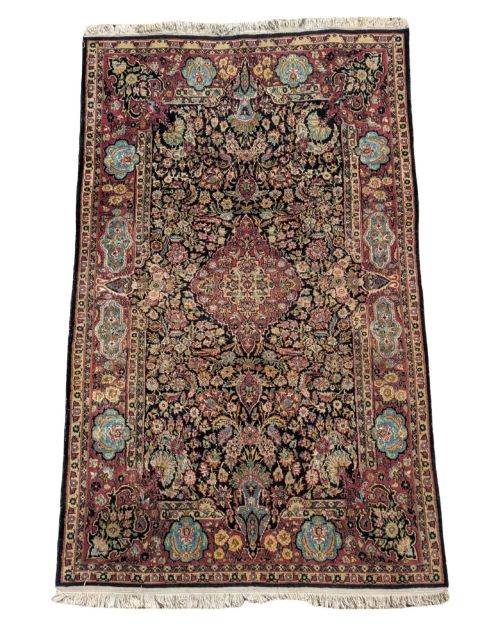
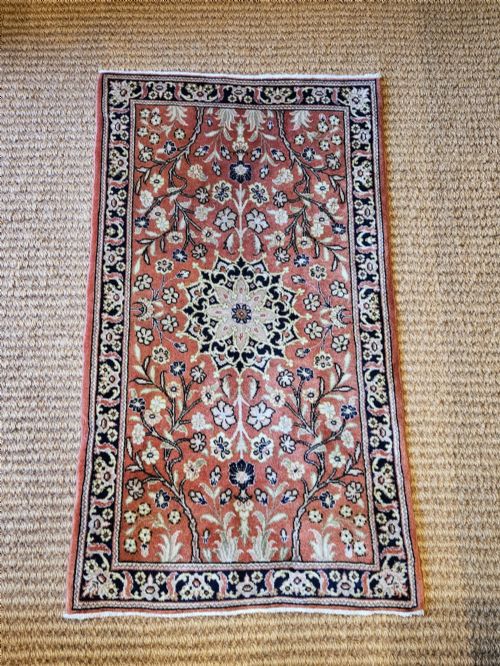
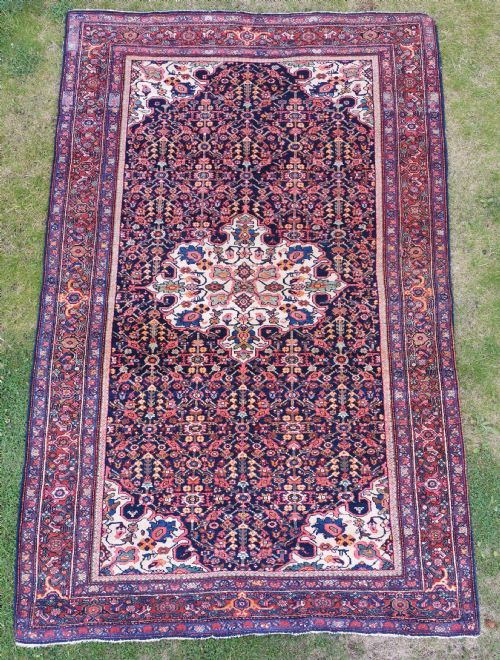
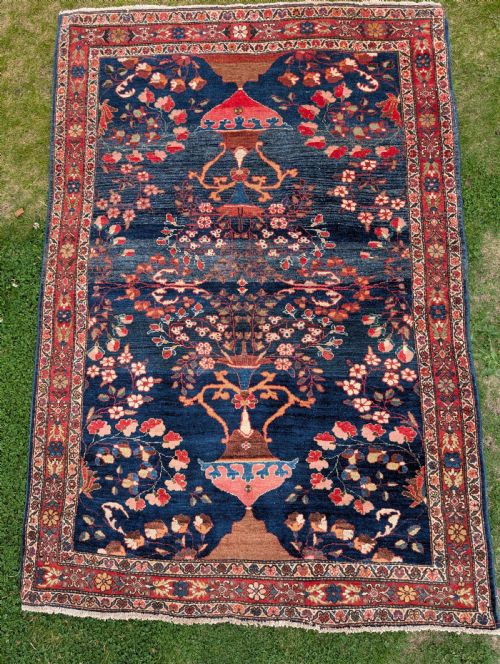
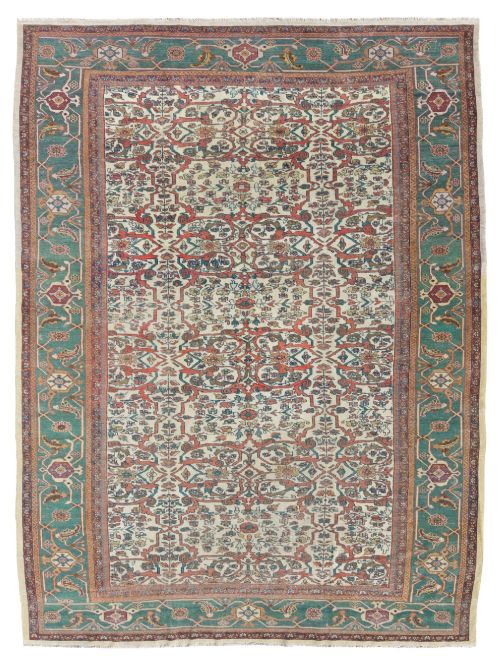
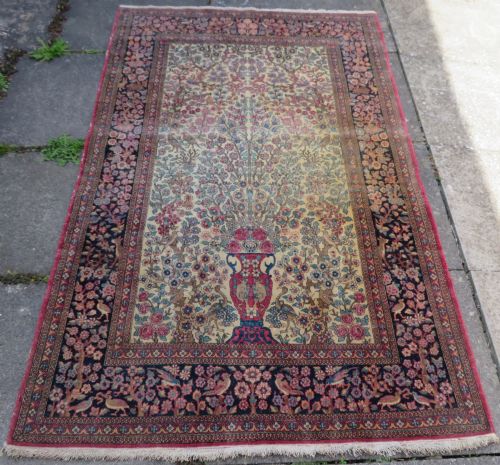
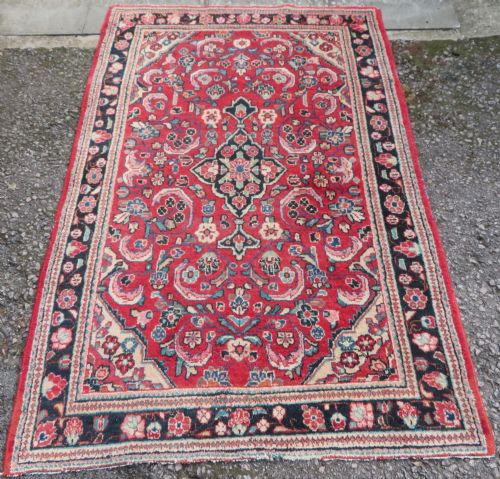
A traditional floral oriental rug comprises hand-knotted floor coverings and wall hangings originating from historic weaving centres in Persia, Turkey, and Central Asia. These textiles arrive in various formats, ranging from hearth-sized small rugs and runner rugs to room-sized carpets and oversized palace carpets.
The pieces seen on this page date primarily from the nineteenth and early twentieth centuries, spanning periods from eighteen-fifty to nineteen-thirty. Buyers encounter regional village and city productions carrying distinct floral, medallion, and tree of life compositions.
Persian styles dominate the selection, including Heriz, Mahal, Bakhtiar, Tabriz, Isfahan, Saroukh, and Kirman weaves. Alongside these sit Caucasian Karabagh pieces, Turkish Oushak and Ushak carpets, and Uzbek Suzani textiles.
Materials and construction methods
These textiles rely principally on wool, cotton, and silk foundations and piles. Wool provides the durable surface for daily foot traffic, while cotton serves sturdy warp and weft threads for structural stability.
Silk appears in select pieces as structural highlights or as the primary pile material in fine Kashmir carpets, creating lustrous textural contrast against the matte wool. Weavers tie pile yarns by hand onto vertical looms, binding intricate botanical designs knot by knot.
Several carpets incorporate unexpected tree of life imagery, allowing urban weavers to quietly smuggle an entire orchard into a nineteenth-century parlour.
What separates examples in quality
Quality rests in the density of the knotting and the precision of the botanical drawing across the field. Tighter knots allow complex curvilinear floral motifs to resolve with crisp graphical clarity.
The depth and saturation of the dyestuffs dictate visual richness, where complex dye formulas yield nuanced shifts in tone. Structural integrity of the cotton foundations and the uniform clipping of the wool pile complete the measure of a piece.
The Traditional Floral Oriental Rug Glossary
- Kelleh
- A long, narrow format carpet traditionally designed to sit alongside a larger room carpet.
- Medallion
- A central ornamental design motif placed symmetrically in the middle of the rug field.
- Warp
- The vertical foundation threads stretched lengthwise on the loom before knotting begins.
- Weft
- The horizontal threads passed alternately over and under warp threads to secure the knots.
- Suzani
- An embroidered textile panel originating from Central Asia, often featuring bold botanical layouts.
Traditional Floral Oriental Rug: Frequently Asked Questions
How do I place a rug in a high traffic room?
Select a durable wool pile construction from robust regional weaving traditions like Bakhtiar or Heriz to withstand everyday movement.
Ensure an appropriate underlay sits beneath the piece to prevent sliding and reduce friction against the floorboards.
How do I identify a Heriz carpet?
Look for bold geometric medallions and strong rectilinear floral drawing executed in robust wool with substantial cotton foundations.
These village carpets from Northwest Persia display distinct, sturdy proportions suited for large room settings.
What is the difference between a rug and a runner?
Rugs arrive in square or rectangular proportions designed to anchor seating areas or centre within a room space.
Runners present an elongated narrow format specifically proportioned for hallways, corridors, and narrow passageways.
How do I care for antique silk highlights?
Keep delicate silk elements away from direct, prolonged sunlight to preserve the natural lustre and prevent fibre degradation.
Utilise professional textile cleaning specialists experienced in handling antique vegetable-dyed wool and silk combinations.