

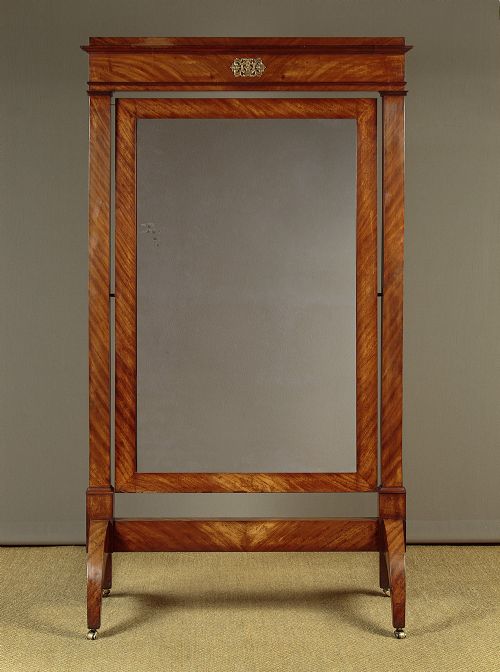
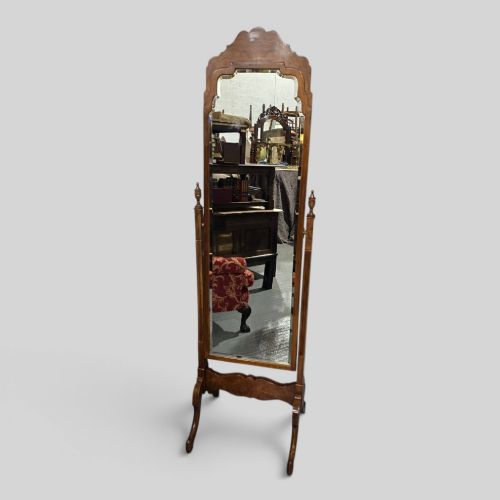
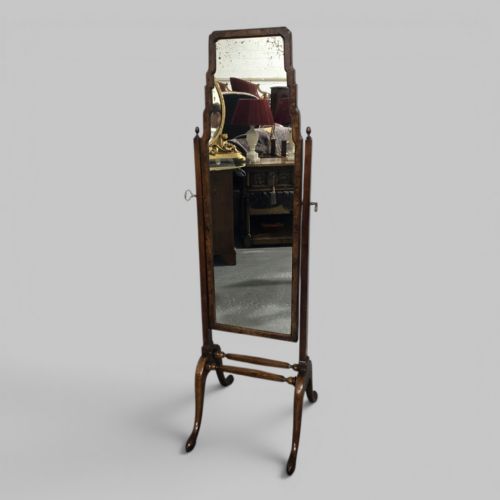
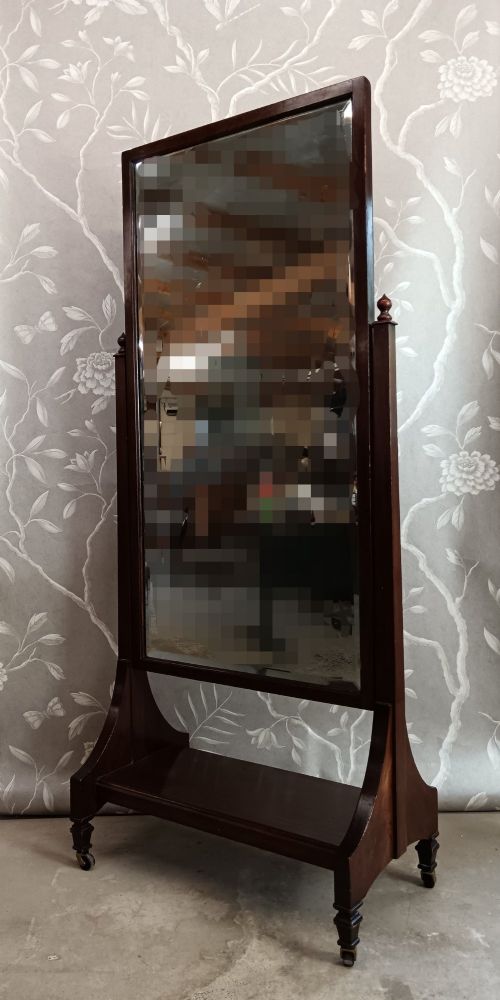




Traditional Floor Mirror
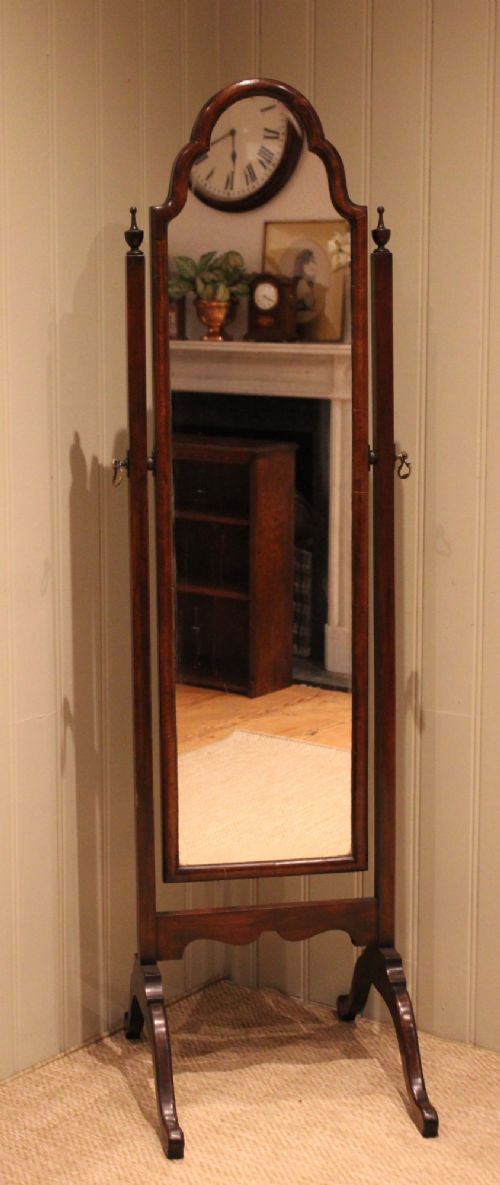
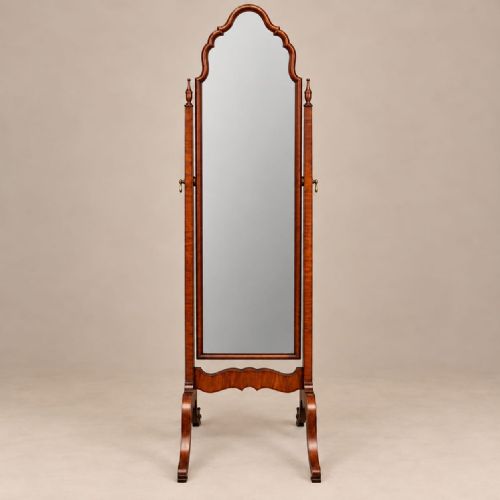
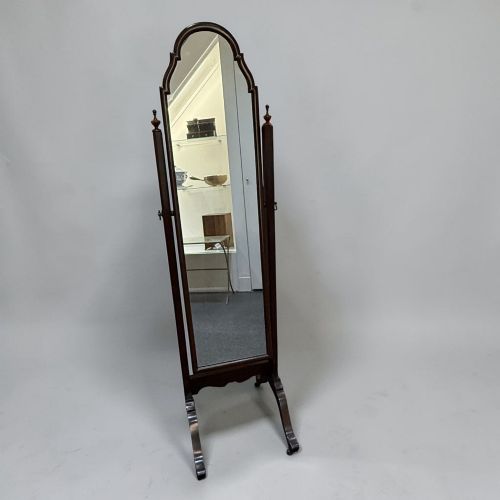
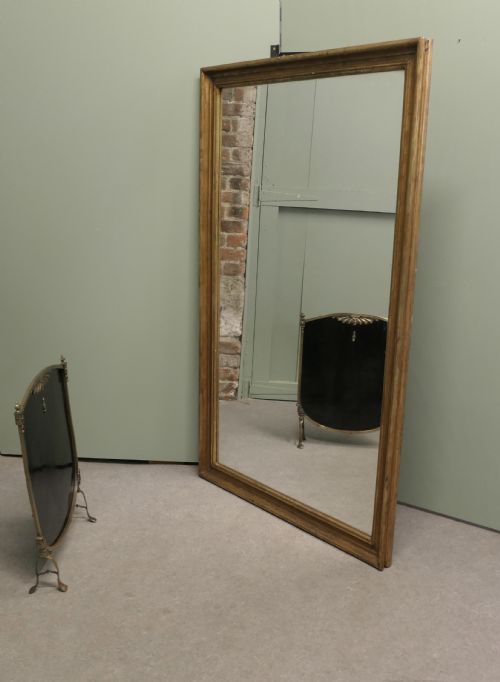
These traditional floor mirror examples span Victorian, Edwardian, and Georgian periods, offering freestanding and cheval designs crafted in mahogany, walnut, and giltwood.
Traditional Floor Mirror
A traditional floor mirror provides full-length reflection through freestanding cheval designs and large upright frames. Buyers searching for a traditional floor mirror encounter period pieces originating from the nineteenth century onward.
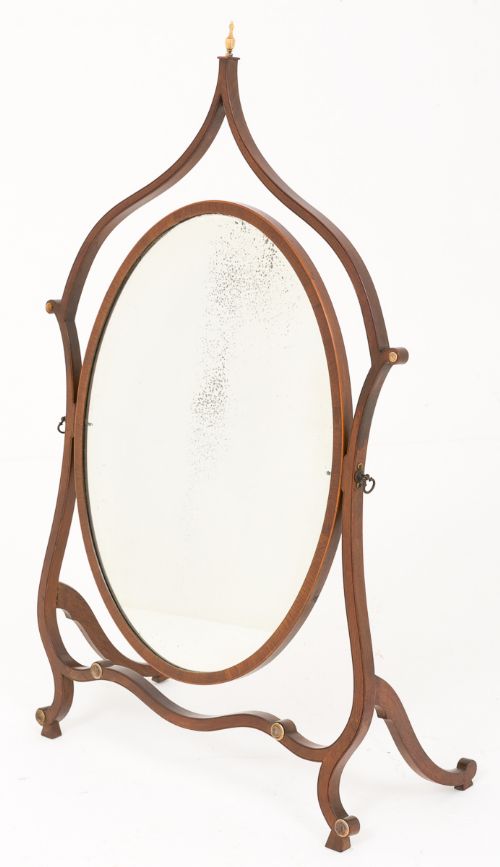
The selection ranges from George III and Victorian mahogany cheval mirrors to French gilt frames and Edwardian dressing glasses. Most examples utilise pivoting swing frames supported on sturdy floor-standing legs or trestle bases.
How they were made
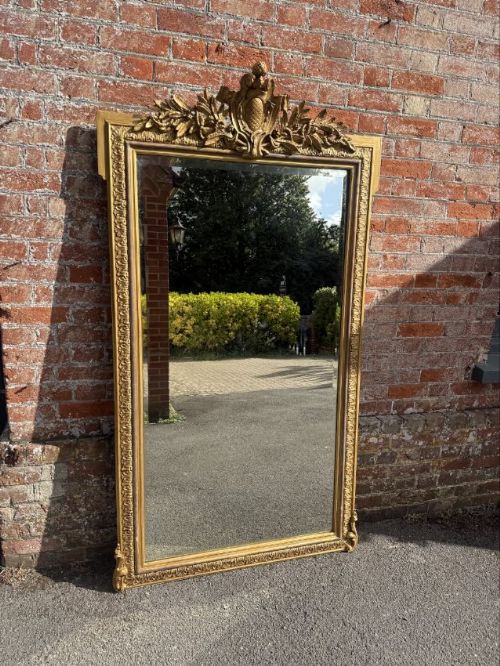
Cabinetmakers constructed the frames using solid timbers such as mahogany, walnut, and pitch pine, often shaping them with turned supports. Giltwood and gesso applications provided ornate decorative surfaces for nineteenth-century French and English overmantel variants.
Mirrors relied on heavy glass plates secured within rebated frames, while cheval versions incorporated brass pivot hardware to allow smooth tilting adjustments.
Traditional Floor Mirror Retail Price Guide 2026
Typical asking prices for traditional floor mirror among the pieces listed under this phrase on Sellingantiques today, from the lower quarter to the upper quarter. They describe what is for sale here now, not the wider market.
One historical floor mirror on record once belonged to a certain General Meigs.
What varies in quality
Quality rests upon the selection of timber grain, such as burr walnut or figured mahogany, and the depth of carved detail in the wood and gesso. Original mirror glass with authentic silvering and heavy brass pivot hardware distinguish superior examples.
Proportion and scale dictate visual success, separating heavy, utilitarian items from finely balanced pieces designed for principal dressing rooms.
The Traditional Floor Mirror Glossary
- Cheval mirror
- A freestanding full-length mirror mounted on a pivoting frame between two upright posts. This design allows the glass to swing freely to different angles.
- Gesso
- A plaster-like mixture applied to wood frames and carved or gilded. It forms the raised decorative relief work seen on nineteenth-century gilt mirrors.
- Overmantel mirror
- A large mirror designed to sit directly above a fireplace mantel. These pieces often feature arched tops and elaborate gilt frames.
- Pitch pine
- A durable resinous softwood utilised for nineteenth-century floor-standing frames. It provides a strong, figured grain when turned and polished.
Traditional Floor Mirror: Frequently Asked Questions
How do I secure a heavy floor mirror?
Freestanding cheval mirrors rely on wide, heavy bases and proper tightening of the side pivot screws to remain stable. For tall or leaning floor mirrors, discreet wall anchors prevent tipping.
Positioning the piece on level flooring ensures the frame does not twist under its own weight over time.
What is a cheval mirror?
A cheval mirror is a freestanding full-length dressing glass mounted on a vertical frame with side pivots. This allows the user to tilt the glass plate to various angles.
Originating in the eighteenth century, these pieces were essential furniture for bedrooms and dressing rooms.
How do I clean antique mirror glass?
Cleaning requires a soft microfiber cloth and a mild, ammonia-free glass cleaner sprayed onto the cloth rather than directly onto the glass. This prevents moisture from seeping behind old silvering or into the frame rebate.
Avoid harsh chemical solvents that might damage nineteenth-century gesso or gilt surfaces.
How do I date a traditional floor mirror?
Dating relies on timber choice, construction joints, and the characteristics of the glass plate. Mahogany and walnut indicate Georgian or Victorian eras, while turned pitch pine points toward the late nineteenth century.
Screws, backboards, and the presence of hand-bevelling or foxing in the glass offer further chronological clues.