





Traditional Fireplace Surround
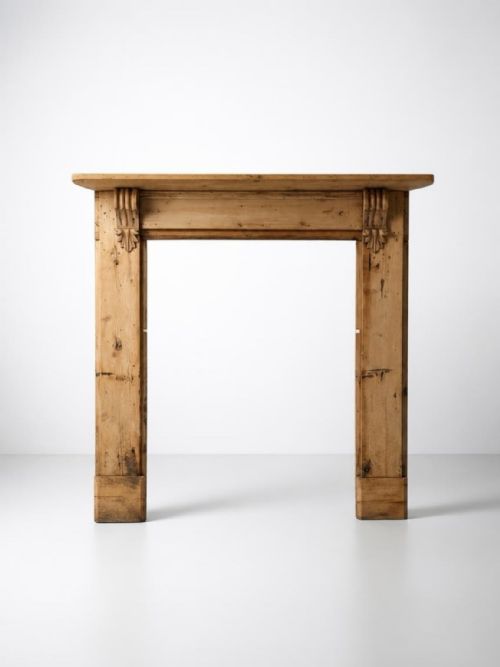
A traditional fireplace surround anchors the hearth, framing the grate in timber, pine, or stone while setting the architectural tone of the room.
Traditional Fireplace Surround
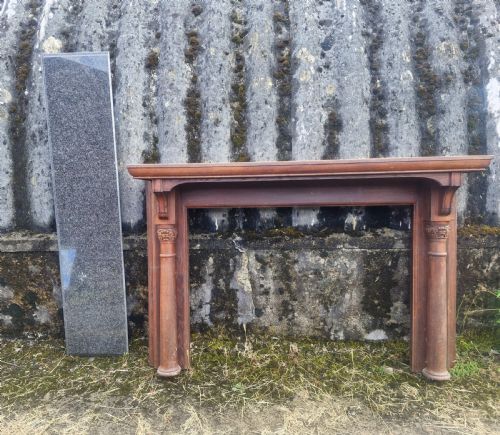
When you search for a traditional fireplace surround, you are looking at architectural framing pieces that anchor a hearth, most commonly appearing as Victorian or Edwardian pine and oak structures. These items frame the fireplace opening, often topped with timber mantels or granite surfaces.
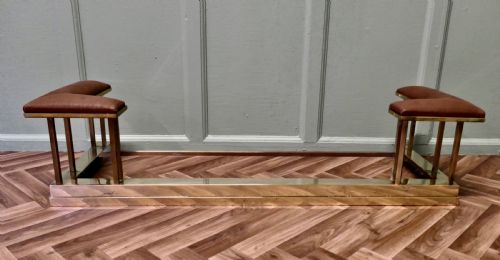
The selection ranges from robust nineteenth-century pine mantelpieces featuring carved gesso to Edwardian oak surrounds. You will also encounter related hearth furniture such as club fenders and overmantel mirrors that complete the fireside arrangement.
Materials and Construction
Surrounds and fenders utilise timber such as pitch pine, oak, and George III pine, frequently ornamented with carved gesso details or granite tops. Metalwork components combine cast iron, steel, brass, and copper.
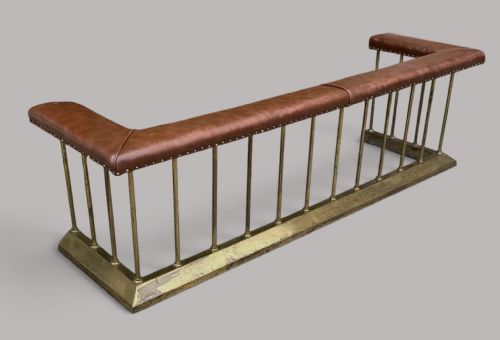
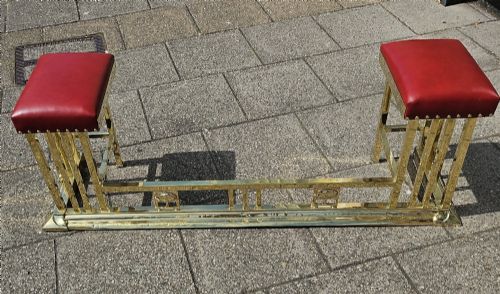
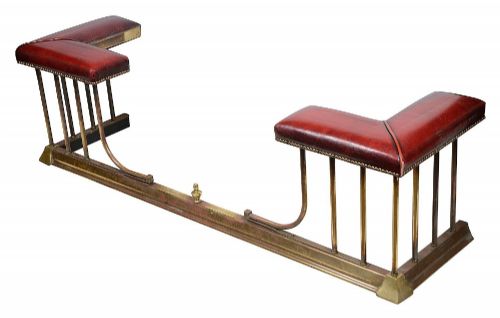
Fenders incorporate leather upholstery for seating surfaces, paired with heavy iron or polished brass frames that require precise metal casting and assembly techniques.
One robust nineteenth-century steel club fender originates from the prestigious In & Out Club in London.
Assessing Quality
Quality reveals itself in the depth and crispness of carved gesso on pine mantelpieces and the structural substance of brass or iron club fenders. Finer examples display meticulous joinery in oak and pine alongside robust metal gauges.
The integrity of the leather upholstery and the weight of the cast components separate standard utility pieces from substantial architectural examples.
The Traditional Fireplace Surround Glossary
- Club fender
- A low fireside seat featuring a metal frame and an upholstered leather top. They originated in large country houses to provide additional seating close to the fire.
- Gesso
- A plaster-like material applied to wood and carved into decorative motifs. It provides a smooth base for gilding or painting on mantelpieces.
- Overmantel mirror
- A large mirror designed to hang directly above a fireplace mantel. These pieces reflect light and complement the architectural surround below.
- Pitch pine
- A durable resinous softwood utilised for nineteenth-century architectural joinery. It offers distinct grain patterns suitable for fire surrounds.
- Kerb fender
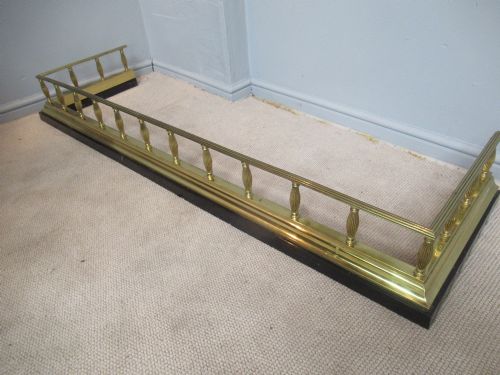
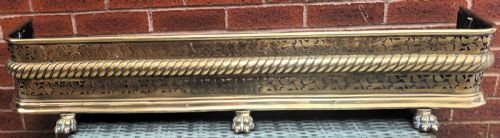
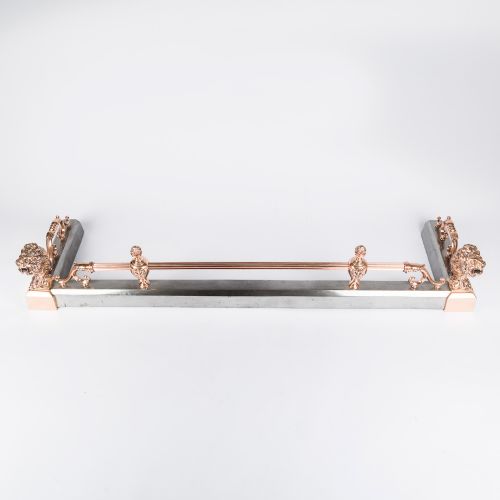
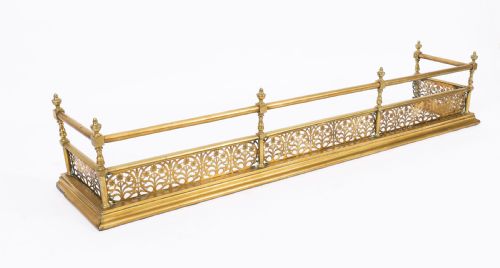
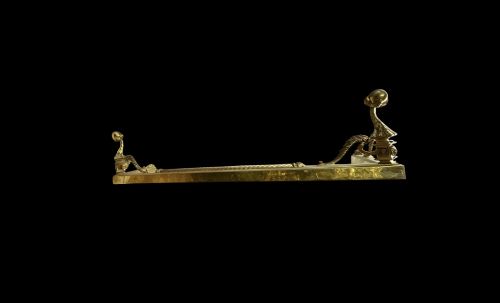
- A low metal barrier placed around the hearth to contain embers. They are constructed from brass, iron, or steel.
Traditional Fireplace Surround: Frequently Asked Questions
What is a club fender?
A club fender is a low metal hearth barrier featuring upholstered leather seats on either side. It allows people to sit directly beside the fire.
These pieces combine functional ember containment with fireside seating, commonly seen in nineteenth and early twentieth-century homes.
How do I measure for a surround?
Measure the height and width of your fireplace opening, along with the available wall clearance for the mantel shelf. Surrounds must accommodate the specific dimensions of the grate and hearth.
Consider the projection of the mantel into the room to ensure proper proportions with your existing chimney breast.
Can I use an antique surround with a modern fire?
Antique pine and oak surrounds can frame modern gas or electric inserts provided proper clearance and insulation are maintained. Heat shields protect older timber from extreme temperatures.
Consult a specialist installer to ensure the surround sits safely away from direct heat sources.
What is an overmantel mirror?
An overmantel mirror is a large wall mirror scaled to match the width of the fireplace mantel below it. They were hung centrally to brighten rooms by reflecting natural light.
Victorian examples often feature arched tops and gilt frames that coordinate with the architectural style of the surround.