

Traditional Fireplace Firedogs
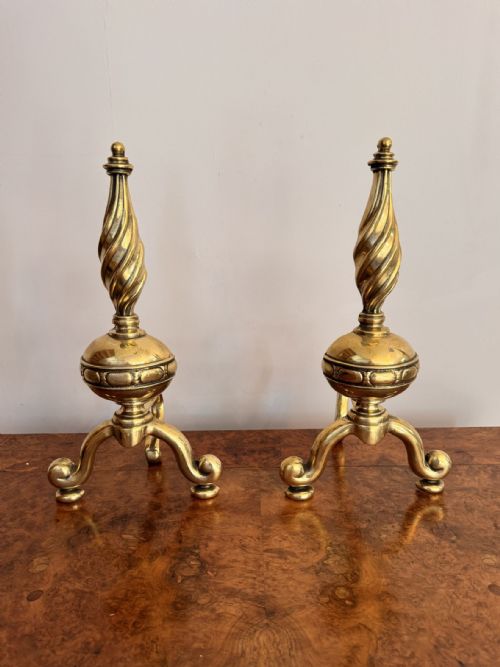
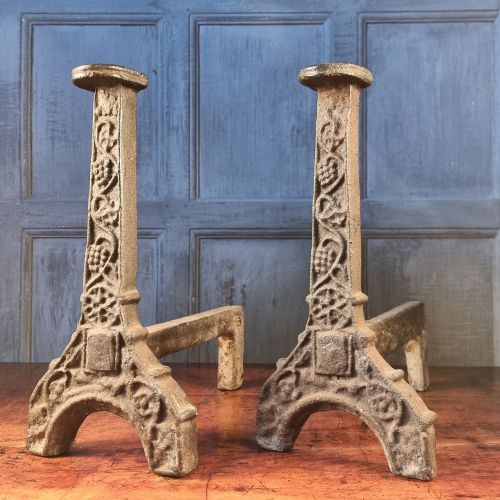
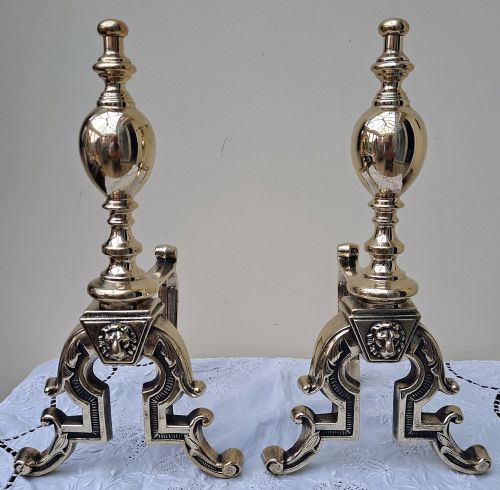
Traditional fireplace firedogs support logs within an open hearth, combining sturdy iron and bright brass to warm and anchor the room.

Traditional Fireplace Firedogs
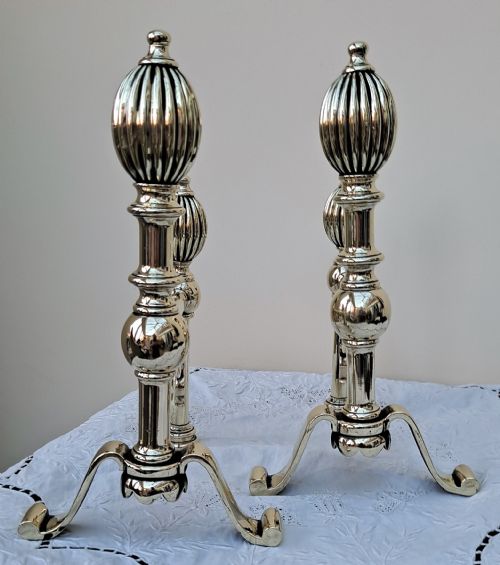
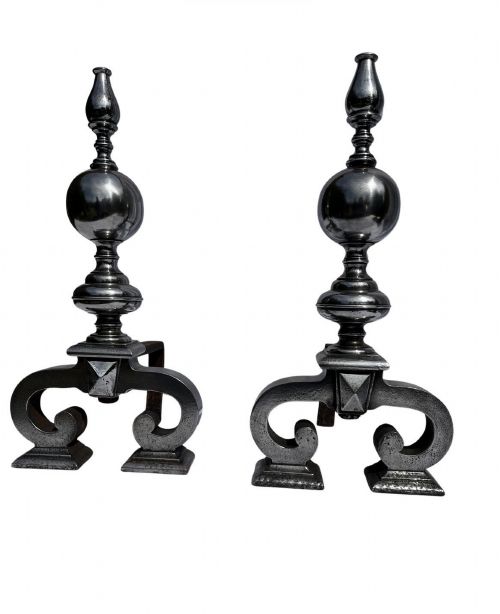
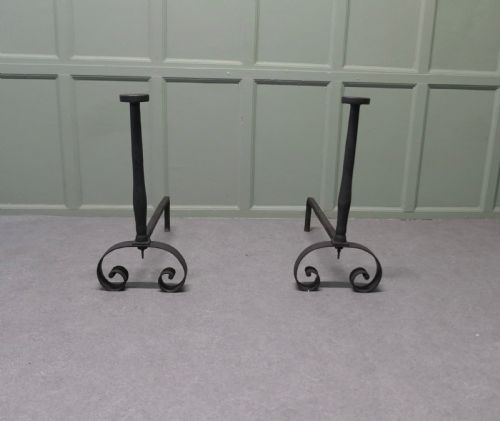
Traditional fireplace firedogs, also known as andirons, serve as the structural supports for burning wood within an open hearth. When exploring this selection, buyers encounter pairs designed to elevate logs, allowing air to circulate underneath for a cleaner burn.
The pieces appearing on this page span several centuries, with Victorian and nineteenth-century examples forming the core of the selection alongside earlier Gothic styles and Edwardian variations. Alongside standalone pairs, some listings pair the dogs with matching fire baskets, grates, or companion tool suites.
How they were made
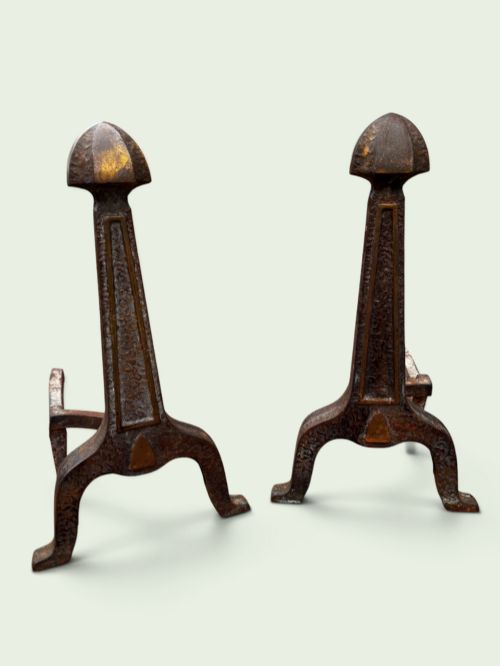
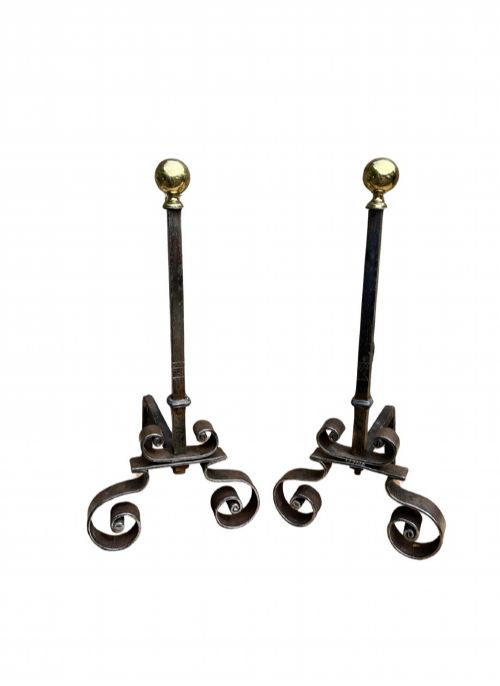
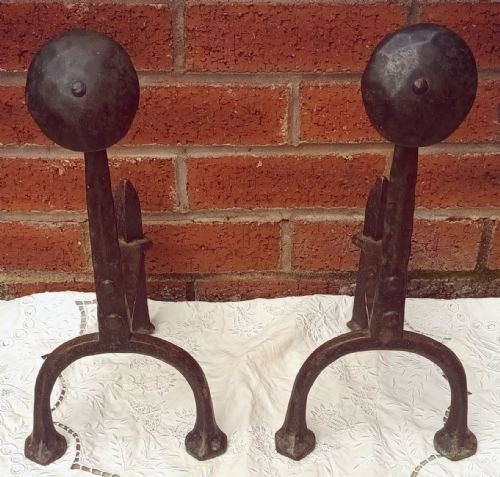
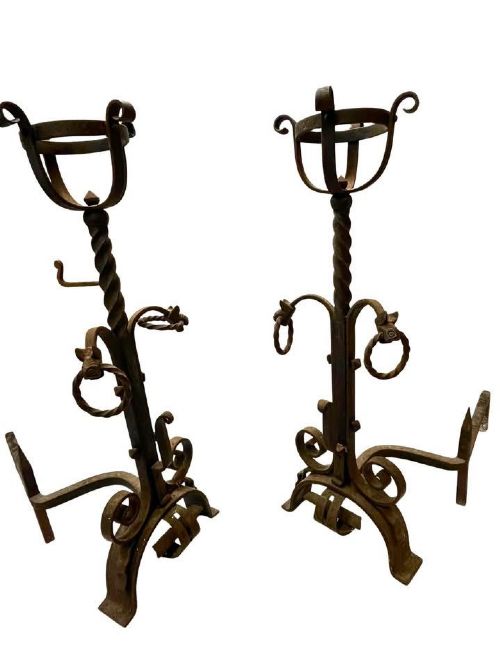
Makers utilised durable metals such as cast iron, wrought iron, and steel to construct the heavy horizontal billets and upright standards needed to bear the weight of burning wood. Smithing techniques involved hand-forging iron into functional shapes, often incorporating twisted shafts or bracketed feet.
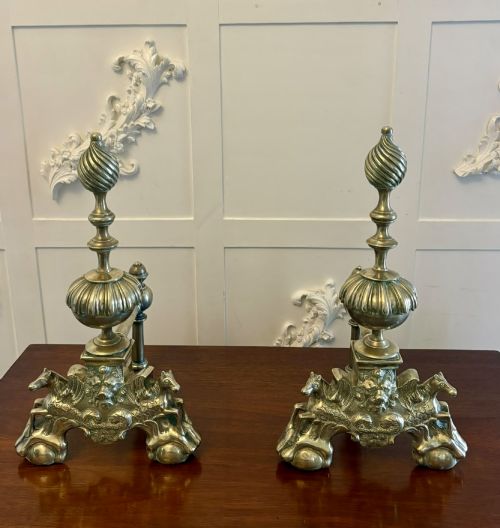
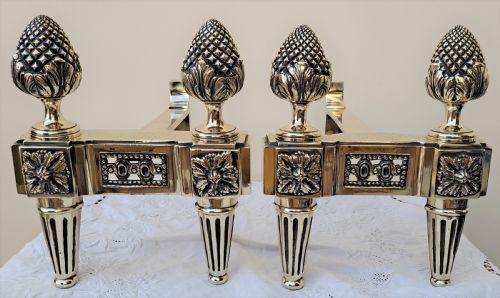
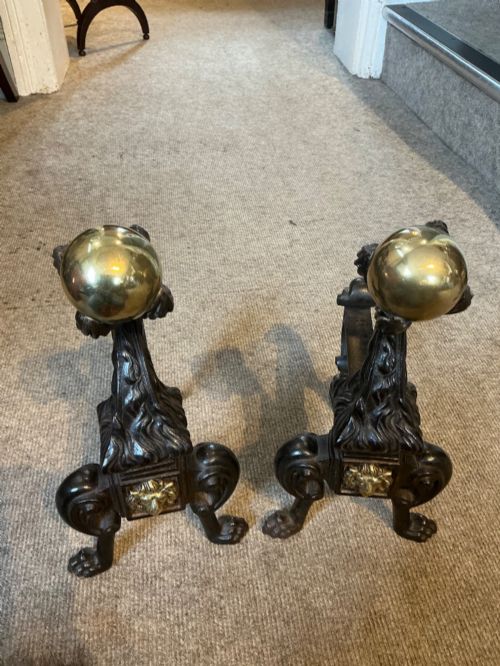
For more decorative examples, found predominantly in Victorian and Georgian designs, workers cast brass and gilt brass into ornate motifs including scrolling foliage and dragon figures. Copper components occasionally appear alongside brass to introduce contrasting metallic tones to the hearth.
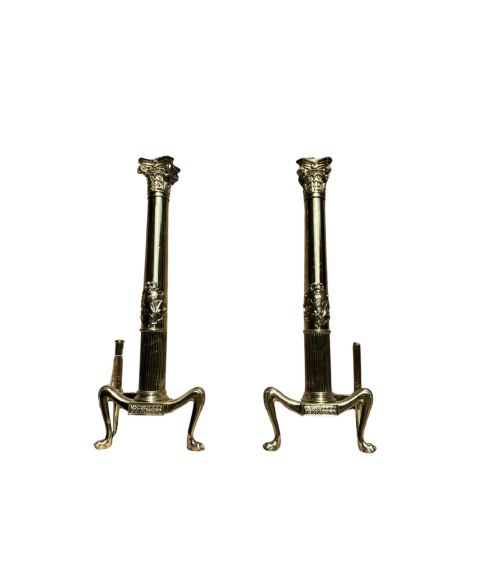
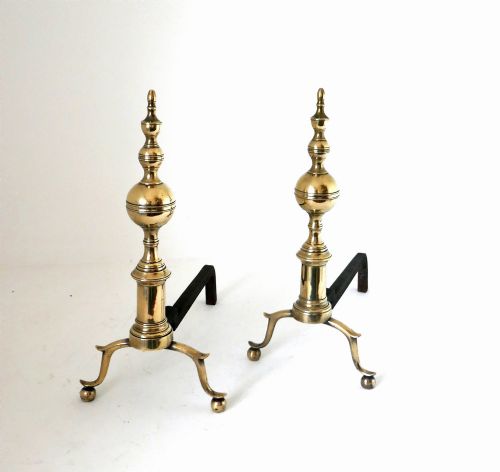
Materials across this selection include cast brass, wrought iron, copper, and steel spanning the Victorian, Georgian, and Arts and Crafts styles.
What varies in quality
Distinctions in quality rest upon the crispness of the casting and the weight of the metal utilised in construction. Heavier sets demonstrate substantial mass that keeps the uprights stable under the pressure of heavy fuel logs.
Design execution separates standard utility pieces from exceptional examples, visible in the depth of relief work on brass motifs and the careful hand-forging of wrought iron elements. The refinement of surface finishing and the integrity of assembly dictate the standing of each pair.
The Traditional Fireplace Firedogs Glossary
- Andiron
- A horizontal metal support raised on legs, used in pairs to hold burning logs in a fireplace. They often feature an ornate vertical front standard.
- Fire Basket
- A metal container designed to hold coal or wood, frequently used in conjunction with andirons within a hearth. It sits between the upright supports.
- Gilt Brass
- Brass that has been treated with a gold-coloured finish or a thin layer of gold to enhance its lustre. This treatment provides a bright, reflective surface near the flames.
- Wrought Iron
- Iron that has been heated and shaped with hand tools by a blacksmith. This material yields durable, fibrous bars that resist breaking under thermal stress.
- Hearth Stand
- A metal accessory placed near the fireplace to hold tools or rest fire irons. These stands coordinate with the design of the main andirons.
Traditional Fireplace Firedogs: Frequently Asked Questions
What is the difference between firedogs and andirons?
Firedogs and andirons are two terms for the exact same functional fireplace accessory. Both refer to the paired metal supports that hold logs off the hearth floor.
Regional preferences often dictate which term appears in a title, but the construction and purpose remain identical across both names.
How do I choose the right size?
Selecting the correct size requires measuring the depth and width of your fireplace opening to ensure the horizontal billets fit comfortably. The upright standards should stand in proportion to the fire basket and the overall hearth space.
Heavy iron pairs suit large inglenook spaces, while refined brass sets fit standard Victorian and Georgian mantels.
Can these be used in a working fireplace?
Most traditional firedogs and andirons are constructed from robust cast iron or wrought iron designed to withstand high hearth temperatures. They actively support burning logs and improve airflow beneath the fuel.
Buyers should inspect each listing to confirm whether a delicate brass or gilt finish is intended primarily for decorative display.
How do I clean brass and iron pieces?
Cast iron and wrought iron benefit from a light application of oil or grate polish to prevent oxidation and maintain a dark, uniform surface. Regular dusting preserves the forged texture.
Brass components can be polished gently to maintain their brightness or left uncleaned to develop a natural historical patina over time.