



Traditional Fire Surround
A traditional fire surround anchors a room with period weight, combining timber and iron to frame a hearth properly.
Traditional Fire Surround
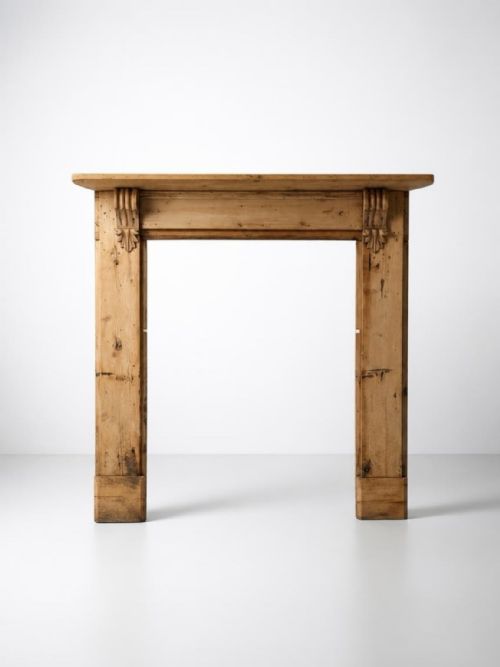
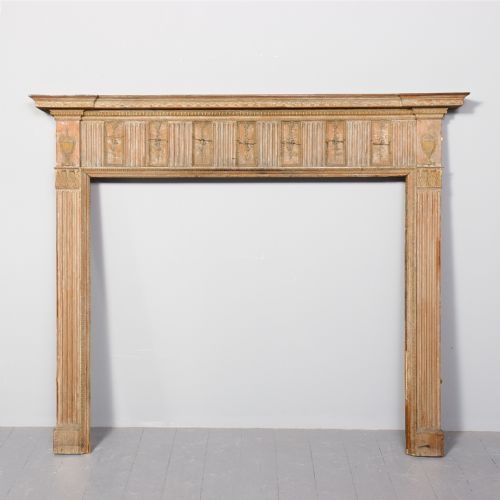
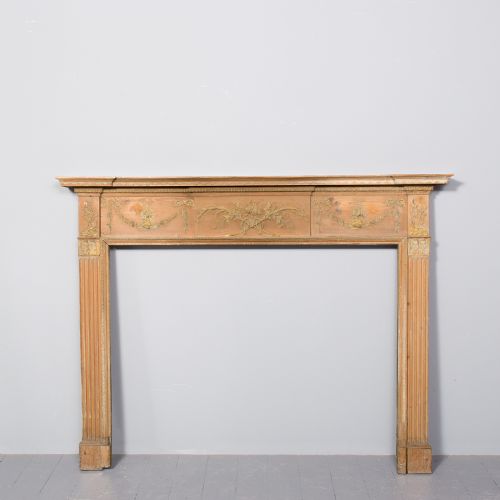
A traditional fire surround encompasses timber mantelpieces and metal hearth guards found across Victorian, Edwardian, and George III periods. Buyers searching for a traditional fire surround will encounter substantial pine surrounds, oak frames, and low metal fenders designed to protect the room from sparks.
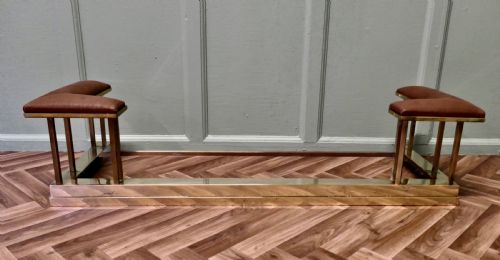
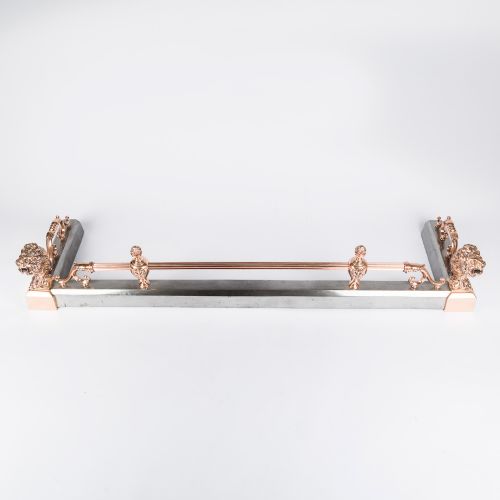
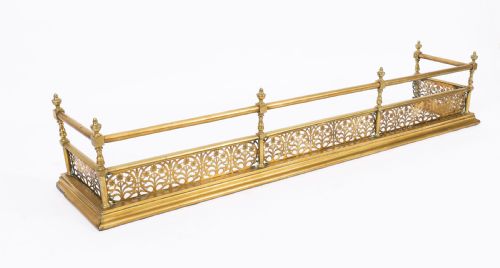
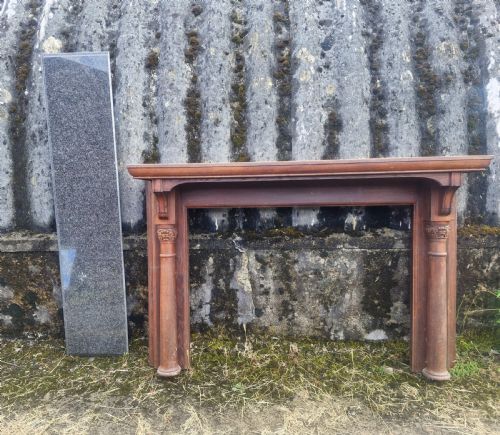
The selection ranges from carved gesso pine mantelpieces and granite-topped oak surrounds to polished brass club fenders upholstered in leather. Victorian and Edwardian examples dominate the offerings, spanning the nineteenth and early twentieth centuries.
Mantle pieces and fire surrounds shape the focal point of a traditional interior, often paired with overmantel mirrors or matching fire irons. Selecting the right piece depends on the scale of the chimney breast and the intended period context of the room.
Materials and construction
Carpenters shaped timber frames using pine, pitch pine, oak, and mahogany, applying carved gesso details or granite tops for decorative weight. These wooden surrounds provide architectural structure to the chimney breast.
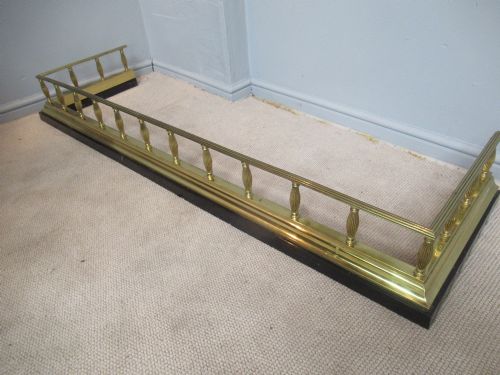
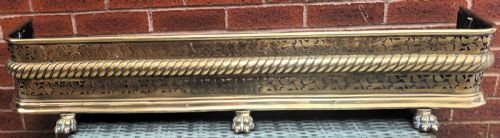
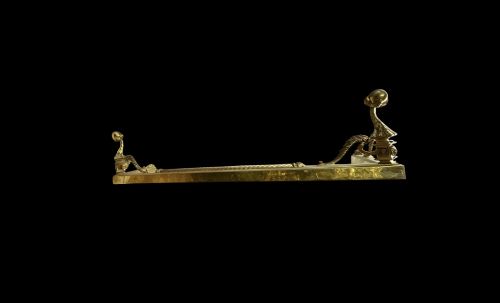
Metalworkers utilised brass, cast iron, steel, copper, and bronze to fabricate fenders, curbs, and nursery guards. Many metal pieces feature pierced brass galleries, scrolled ironwork, or applied bronze garlands.
Upholsterers finished club fenders with leather seats, integrating durable hides with steel frames to provide fireside seating.
Materials recorded across current pieces include cast iron, oak, mahogany, bronze, copper, and leather.
Assessing quality and character
Quality rests in the crispness of the carving on wooden mantels and the heaviness of the metal castings on fenders. Substantial gauge brass and thick iron plates separate ordinary hearth furniture from finer examples.
Detailing distinguishes individual pieces, such as hand-carved gesso ornament, pierced brass work, or integrated leather upholstery on club fenders. Integrity of construction, from tight joints in oak frames to solid brass spindles, determines longevity.
Sir Edwin Lutyens
The Traditional Fire Surround Glossary
- Club fender
- A low, U-shaped hearth guard featuring upholstered top rails designed for fireside seating. These metal frames often incorporate leather squab cushions.
- Gesso
- A plaster-like mixture applied to wood surfaces and carved into decorative motifs. It provides a smooth base for gilding or painting on period mantelpieces.
- Overmantel mirror
- A large looking glass designed to hang directly above a fireplace mantel. They frequently feature arched tops and gilt frames.
- Nursery fender
- A tall protective metal mesh guard enclosing the hearth to keep children away from open flames. Edwardian examples often use fine wire mesh panels.
- Chimneypiece
- The complete architectural framework surrounding a fireplace, including the mantel shelf and jambs. They range from simple pine boards to grand architectural commissions.
Traditional Fire Surround: Frequently Asked Questions
How do I choose the right size fire surround?
Measure the height and width of your chimney opening and available wall space before selecting a mantelpiece or fender. Proportions must match the scale of the room and the grate below.
Consider the projection of the hearth and whether you need a low fender or a seated club version to fit the hearth space properly.
What is the difference between a fender and a surround?
A surround forms the vertical architectural frame around the fireplace opening against the wall. It includes the mantel shelf and side jambs.
A fender sits flat on the floor around the hearth to contain ash and sparks, often incorporating metal rails or leather seating.
How do I care for brass and iron fire accessories?
Dust metal fenders regularly with a dry cloth to prevent soot accumulation. Avoid harsh chemical cleaners that strip historical patina from brass and iron surfaces.
Leather seats on club fenders benefit from occasional conditioning to keep the hide supple and prevent cracking near the hearth heat.
Can I mix Victorian and Edwardian pieces?
Late Victorian and Edwardian designs share similar proportions and material palettes, allowing them to sit comfortably in the same room. Pay attention to the metal finish and wood tone to ensure visual harmony.
Matching the general period weight matters more than strict adherence to a single decade.