
Traditional Fine Art Portrait
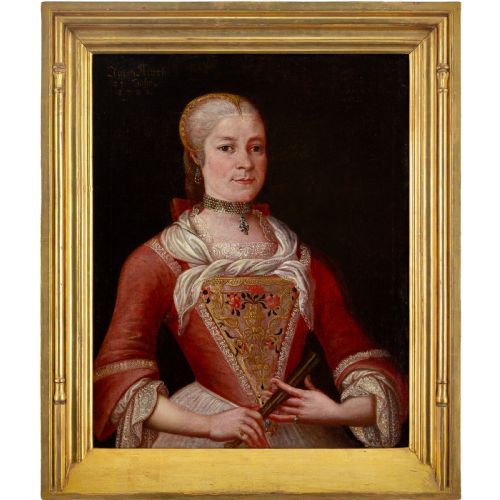
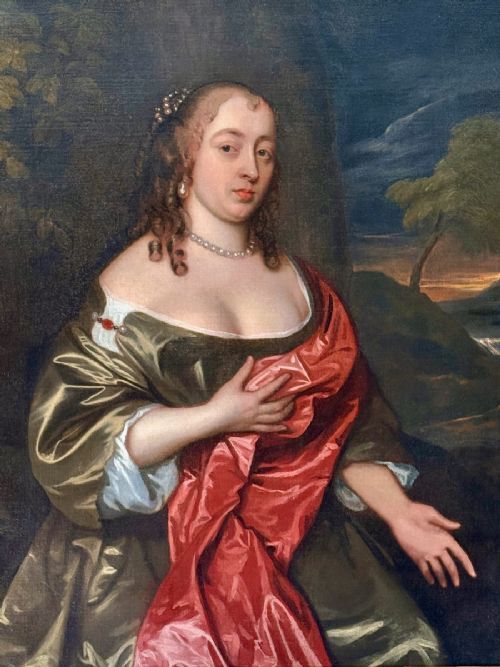
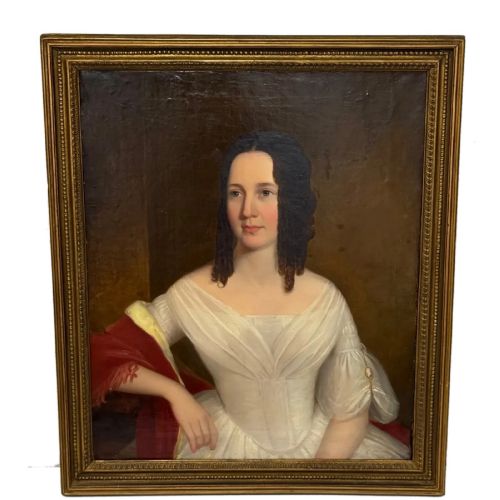
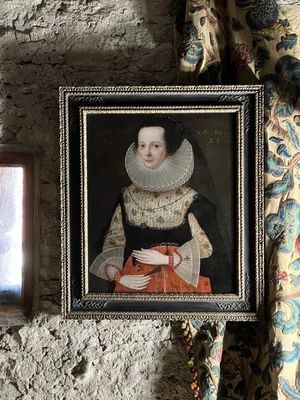
A traditional fine art portrait brings centuries of character into a room, capturing faces and personalities from the seventeenth century onward.
Traditional Fine Art Portrait
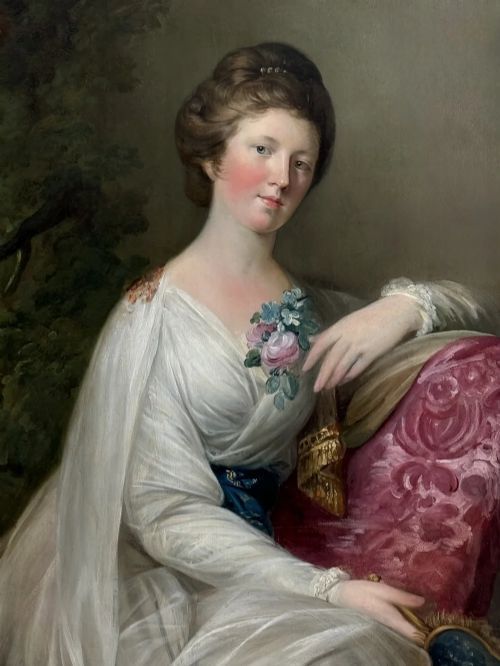
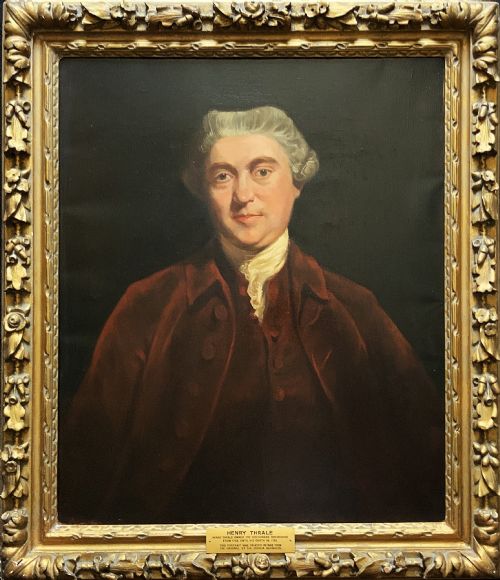
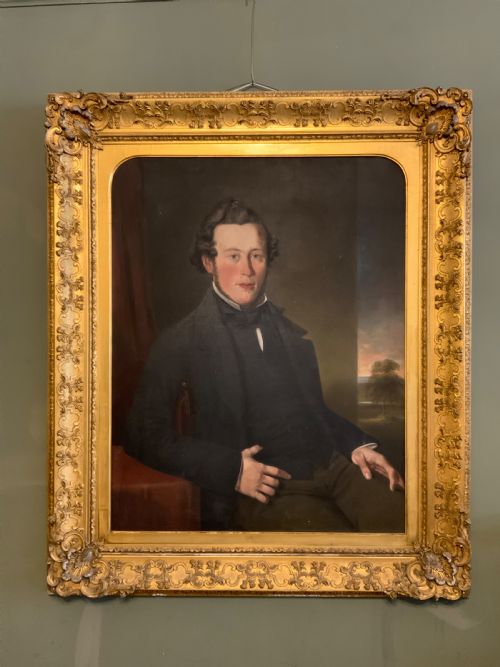
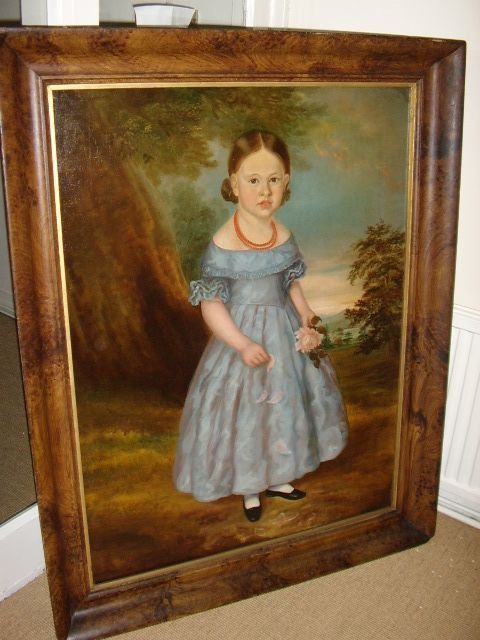
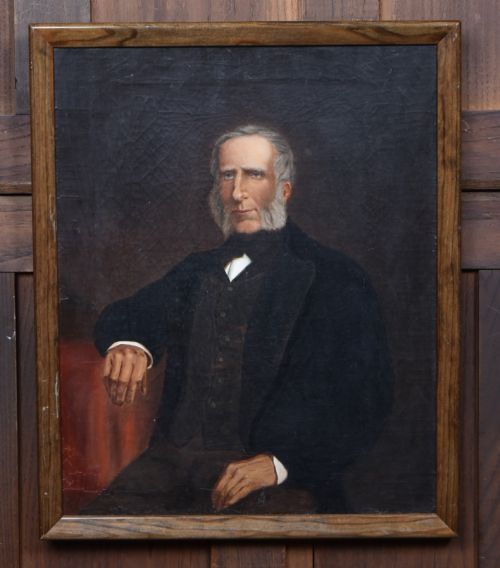
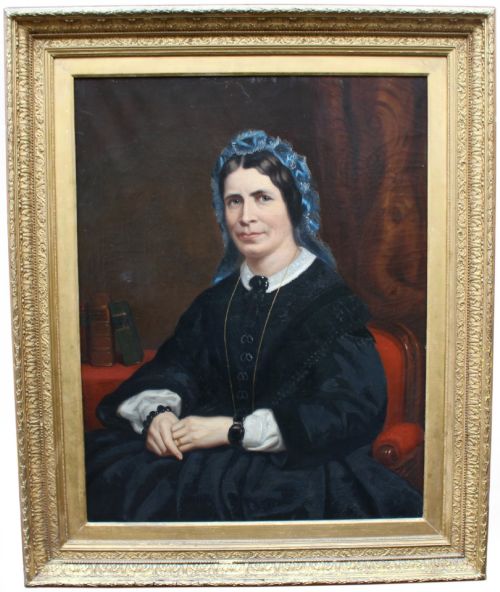
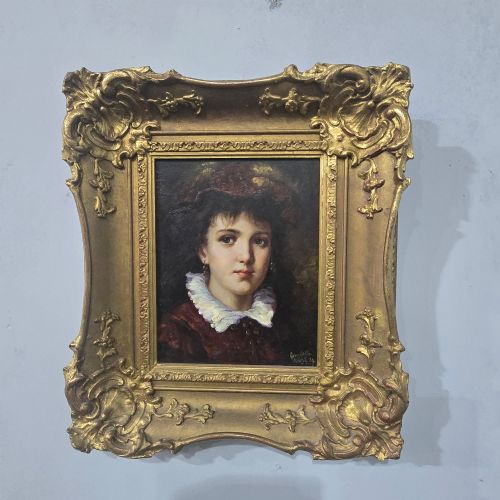
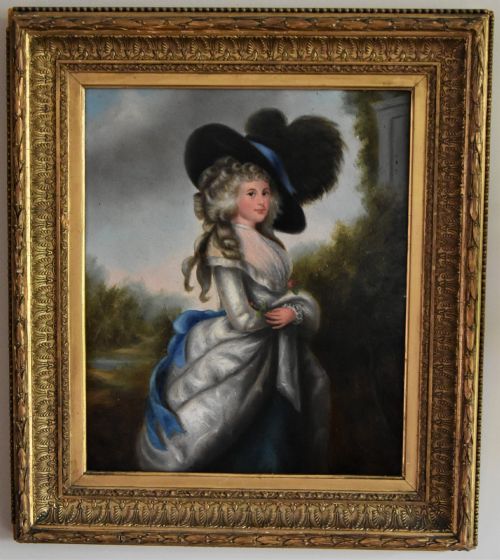
A traditional fine art portrait captures real individuals, nobility, and historical figures in painted form. When you search for a traditional fine art portrait, you encounter works spanning from the seventeenth century through the Edwardian period and into the mid-twentieth century.
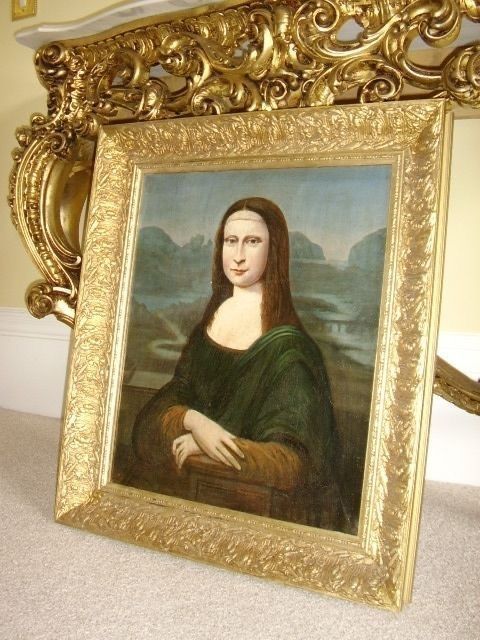
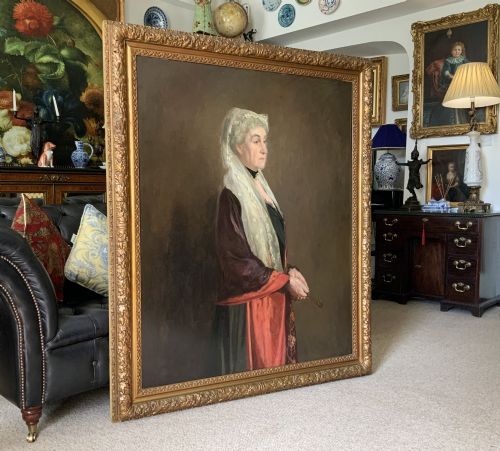
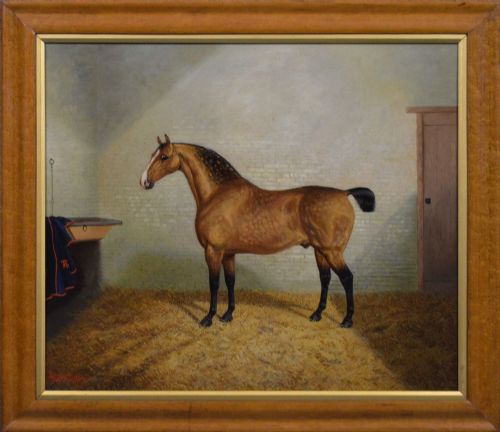
The pieces on this page include oil paintings on canvas and wood, ranging from intimate depictions of children and gentlemen to grand portrayals of noblewomen. Many works record specific sitters like architects, physicians, and aristocrats, while others capture anonymous subjects or animals.
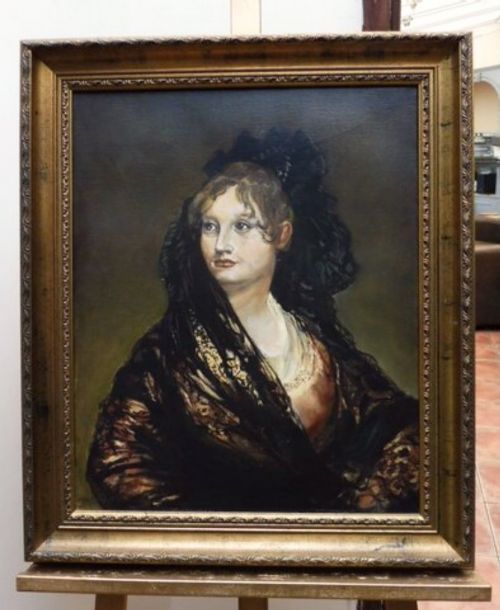
English, Bavarian, and Spanish schools appear frequently alongside copies after masters such as Leonardo da Vinci, Sir Joshua Reynolds, and Francisco Goya. Formats vary from modest framed wall art to monumental pairs intended for substantial rooms.
How They Were Made
Makers built these works primarily using oil paint applied to woven canvas stretched over wooden frames, though some examples utilise oil on board or wood panels. The pigment layers build depth through careful glazing and brushwork.
Surviving works retain their original character largely through the framing materials, which frequently employ carved giltwood and gold leaf to complement the canvas.
Listings feature works spanning the seventeenth, eighteenth, and nineteenth centuries, alongside Regency and Edwardian pieces.
What Varies In Quality
The quality of the surrounding frame, often period giltwood or gold leaf, contributes significantly to the overall integrity of the piece. Attribution to a named artist or a documented school elevates the historical importance of the work.
JOHN HAYLS·GEORGE WILLISON·Albert Clark·W.R. Waters·Jonny Gaston·Max Kaltenmoser·Stephen Pearce·Henry Windsor Fry·Albin Mattenheimer·Renato Moretti·William Watt Milne·Haynes King·John Hamilton Mortimer·Jules Rambo
The Traditional Fine Art Portrait Glossary
- Oil on Canvas
- A painting medium where pigments suspended in drying oils are applied to a stretched fabric support. This method allows for subtle blending and rich colour depth.
- Giltwood
- Wood that has been coated with a thin layer of gold leaf or powder. It provides ornate, reflective framing for traditional paintings.
- Genre Painting
- The pictorial representation of scenes from everyday life involving ordinary people. These works depict domestic interiors, street scenes, or rural activities rather than grand historical narratives.
- School
- A group of artists associated with a particular place, period, or master. Attribution to a specific school denotes shared stylistic traits rather than a direct signature.
Traditional Fine Art Portrait: Frequently Asked Questions
How do I date an old oil portrait?
Dating relies on the sitter's costume, hair styling, and the construction methods of the canvas and stretcher frame. Clues within the painted background or inscribed dates also help establish the period.
Examining the type of wood and nails used in the backing provides further physical evidence to confirm the era of creation.
Where should I hang a large portrait?
Large oil portraits suit principal reception rooms, hallways, or dining areas where wall space accommodates their scale. They command attention when placed at eye level in a well-lit position.
Avoid hanging works in direct sunlight or above active heat sources to protect the canvas and oil pigments over time.
What is the difference between a school and a named artist?
A named artist refers to a signed or documented individual creator whose biography and output are known. A school designation indicates work produced by followers or workshops influenced by a particular master.
Works attributed to a specific school often share techniques and aesthetics with a known circle without bearing a confirmed signature.
How do I care for antique canvas paintings?
Maintenance involves keeping the canvas in stable environmental conditions with moderate humidity and temperature. Dust should be removed gently from the surface using a soft, dry brush.
Professional conservators should handle any cleaning of the oil paint layer or repairs to the canvas to prevent permanent damage.