
Framed Historical Wall Artwork
Framed historical wall artwork brings centuries of documented human activity, portraiture and maritime exploration directly into domestic interiors through oils, engravings and watercolours.
Framed Historical Wall Artwork
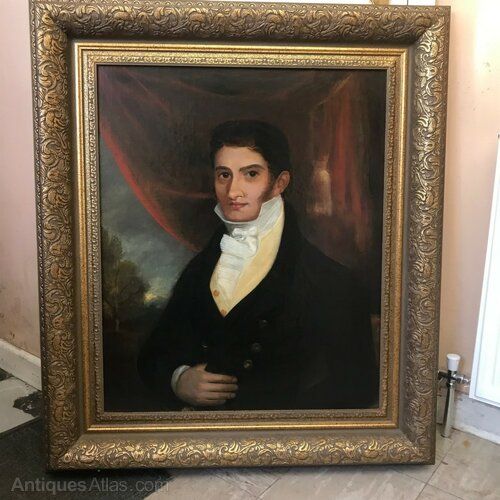
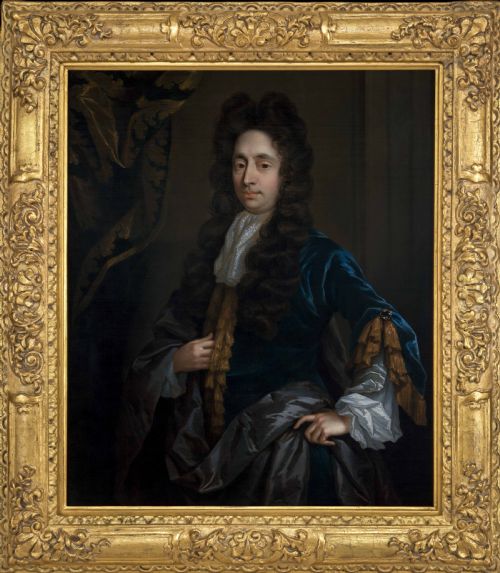
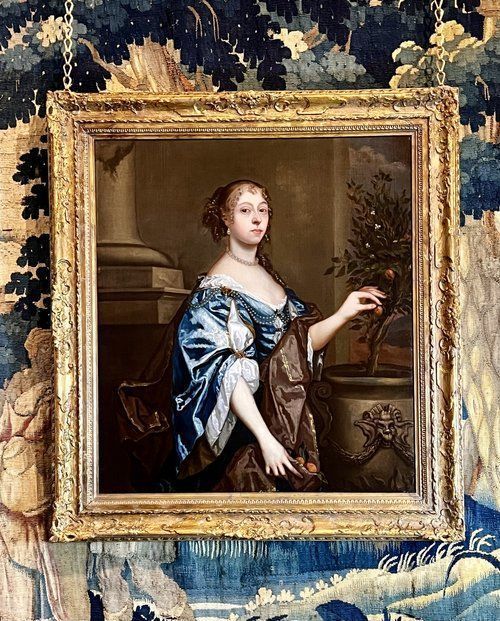
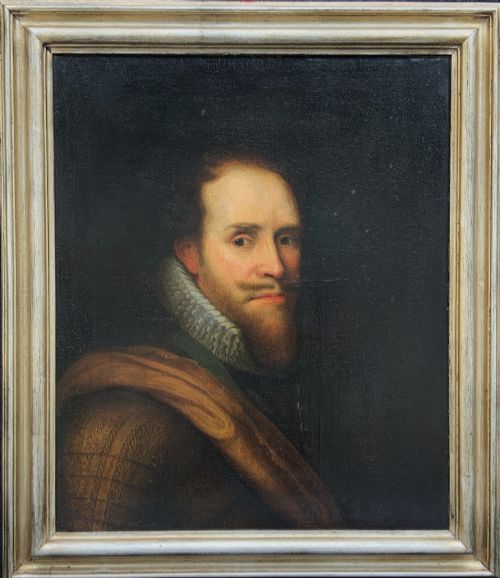
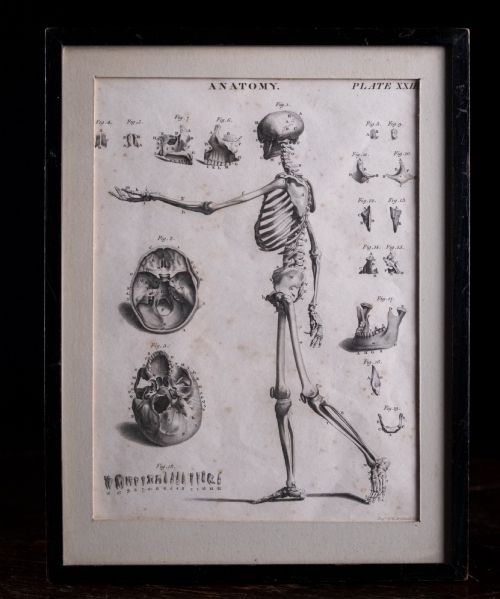
Framed historical wall artwork encompasses centuries of visual culture, recording documented people, maritime scenes, anatomical studies and civic events across oil paintings, engravings, watercolours and silhouettes. These objects span from the seventeenth century through the Victorian era, capturing likenesses of nobility, military officers, literary figures and ordinary citizens alongside significant topographical and naval episodes.
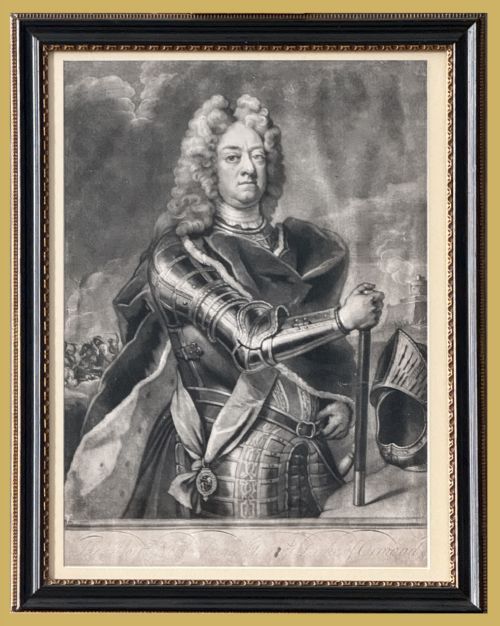
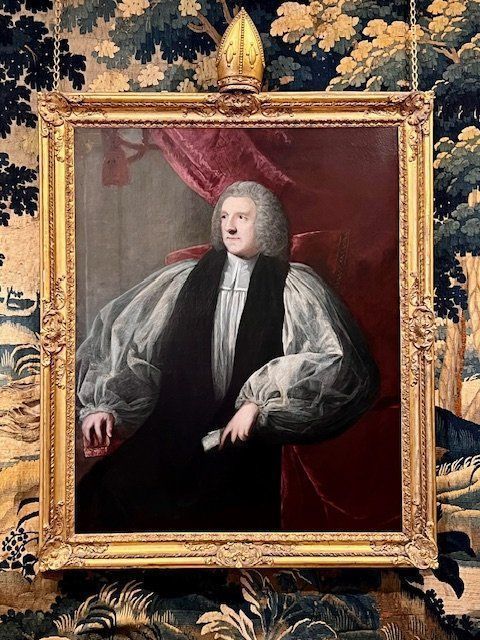
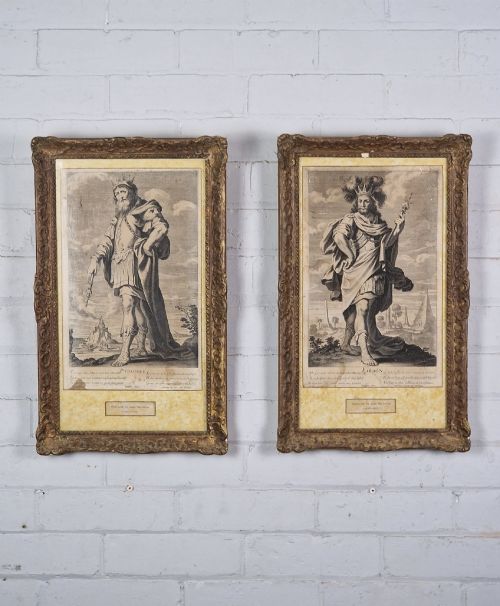
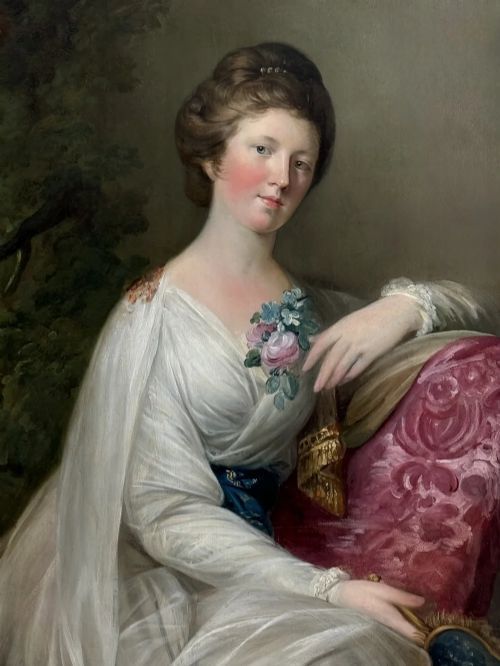
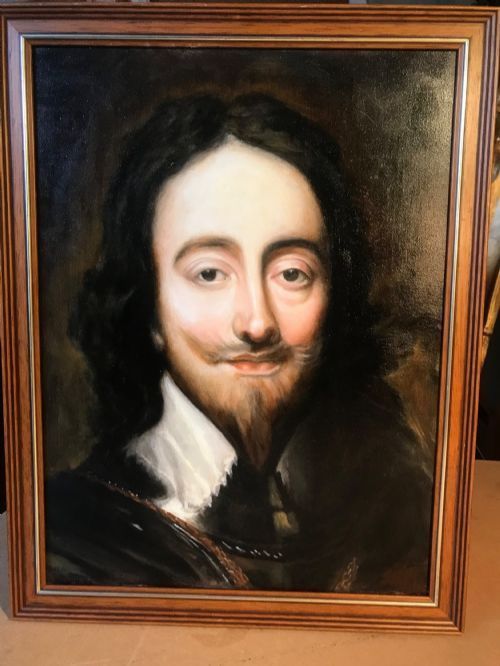
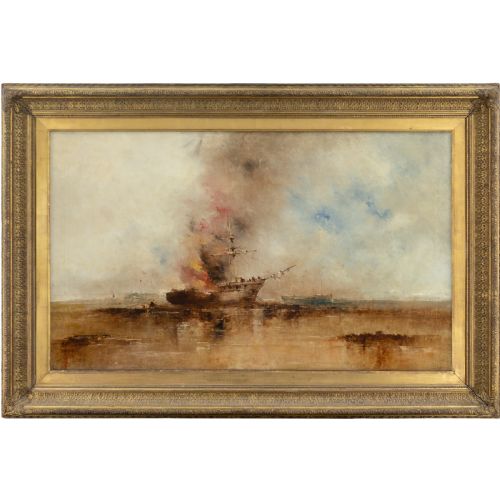
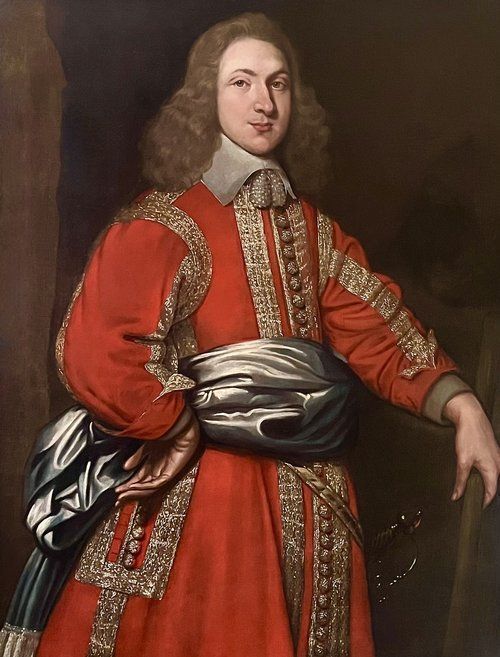
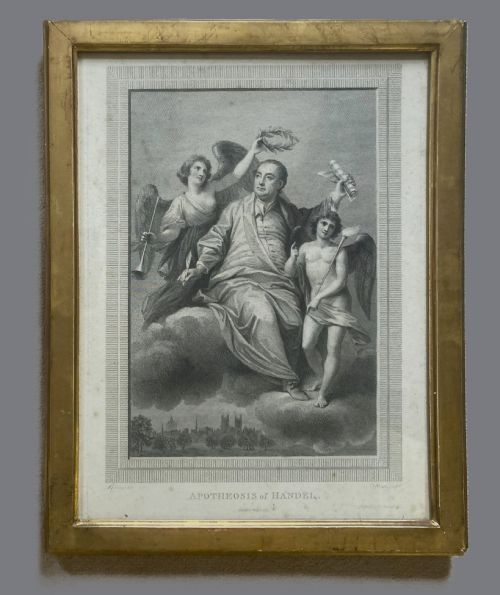
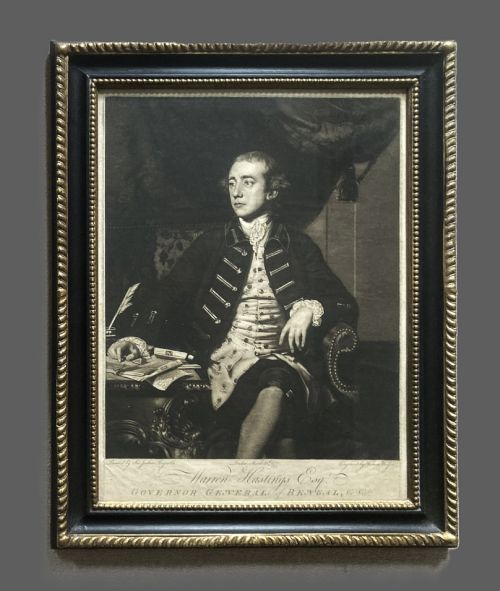
Buyers encountering this selection will find an abundance of portraiture produced in oil on canvas alongside detailed period engravings and mezzotints after notable masters. Examples range from large seventeenth-century Dutch depictions and eighteenth-century British portraiture to nineteenth-century maritime records and military depictions set within original wooden, giltwood or Hogarth frames.
Materials and construction methods
Painters of these historical subjects worked primarily with oil on canvas or wood panels, utilising traditional pigments applied with fine brushes to achieve layered depth in drapery, flesh tones and architectural backgrounds. Graphic works relied on copperplate engraving, mezzotint and lithography on heavy rag paper, sometimes enhanced with ink, graphite or watercolour washes.
The supporting structures matched the visual ambition of the imagery, featuring heavy timber frames finished with gold leaf, giltwood, or simple dark wood moulding. Many pieces retain their original period framing, complete with glass protection for fragile paper prints and silhouettes.
Listings feature oil on canvas, paper, giltwood, and gold leaf across the seventeenth, eighteenth, and nineteenth centuries.
Distinctions in execution and preservation
Quality within these historical pieces rests upon the surety of the draughtsmanship, the subtlety of expression in portraiture, and the clarity of line in engraved works. Superior examples display confident handling of light and anatomy by trained hands, whereas lesser items rely on formulaic repetition by provincial workshops.
The physical preservation of both the artwork and its mounting plays a major role, distinguishing pieces with intact original surfaces and period frames from those suffering heavy restoration, foxing, or structural timber failure.
John Simon·Michael Dahl·Sir Joshua Reynolds·Maurice Quentin de la Tour·Felix Stone Moscheles·Jean Mariette·George Willison·Anthony Van Dyck·Constantyn Netscher·Pieter Borsseler·Andrew Bell·James Heath·Biaggio Rebecca·Thomas Watson·Jean Baptiste Van Loo·Bartholomeus van der Helst·W.D. Almond·Augustin Edouart·Robert Byng·John Michael Wright·Jacobus Howbraken·John Smith·Sir Godfrey Kneller·Francis Hayman·Thomas Spinks
The Framed Historical Wall Artwork Glossary
- Mezzotint
- A printmaking process of the intaglio family where the plate is roughened with a rocker to achieve dark tones and scraped to produce highlights. It was widely utilised in the eighteenth century for reproducing oil paintings of notable public figures.
- Engraving
- A printmaking technique where an artist cuts lines directly into a metal plate using a sharp tool called a burin. The resulting incisions hold ink to produce crisp, highly detailed linear images on paper.
- Giltwood
- Wood, typically carved timber or gesso over wood, that has been coated with a thin layer of gold leaf or metallic powder. It frames many high-status eighteenth and nineteenth-century paintings.
- Hogarth frame
- A distinctively profiled, dark wooden picture frame featuring a convex outer moulding, popular during the eighteenth century and frequently found on period engravings and portraits.
Framed Historical Wall Artwork: Frequently Asked Questions
What periods do these artworks cover?
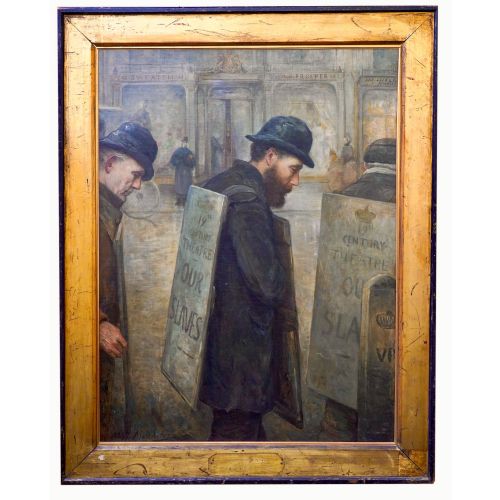
The pieces span multiple centuries, beginning with seventeenth-century portraiture and moving through eighteenth-century Georgian works and nineteenth-century Victorian naval and social history.
Each era brings distinct clothing styles, painting techniques and printmaking methods that reflect the aesthetic priorities of the time.
Are the frames original to the pieces?
Many works retain their period framing, including gold leaf, giltwood, and traditional dark wooden mouldings selected specifically for the artwork.
Original frames provide important contextual clues regarding the age and historical treatment of the painting or print.
What subjects are most common?
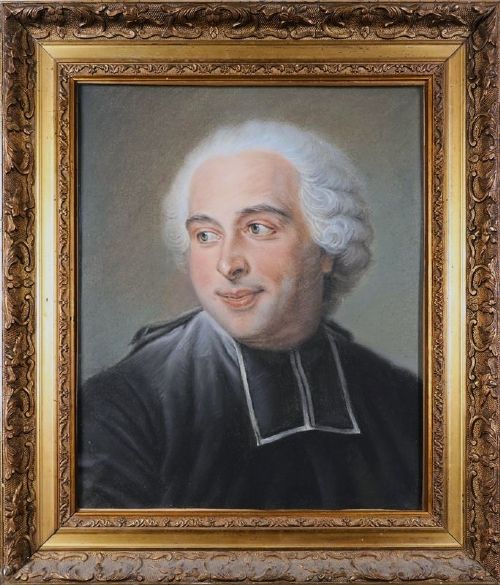
Portraiture dominates the selection, featuring aristocrats, military officers, clergymen and literary figures documented in oils, pastels and silhouettes.
Beyond portraits, marine scenes, architectural engravings, topographical views and historical narratives also appear frequently.
How should historical works on paper be housed?
Engravings, mezzotints and drawings require stable environmental conditions protected behind glass to prevent light damage and paper degradation.
Maintaining appropriate humidity levels preserves the integrity of both the paper support and the delicate ink or watercolour mediums.