


Flemish Baroque Canvas
Flemish baroque canvas works bring seventeenth-century Antwerp into a room through dramatic oil paint and canvas.
Flemish Baroque Canvas
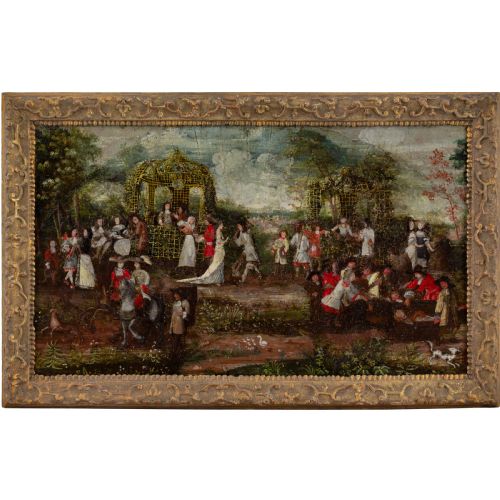
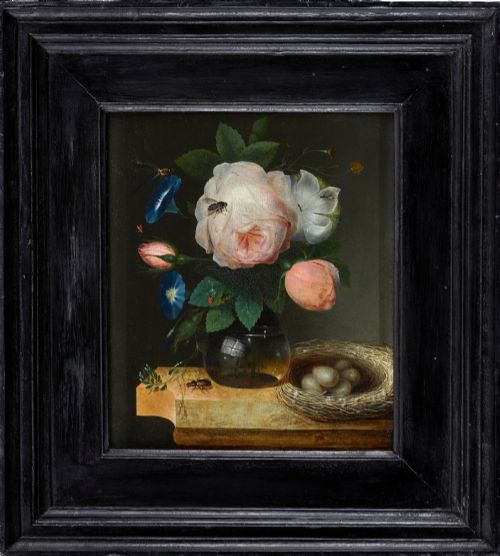
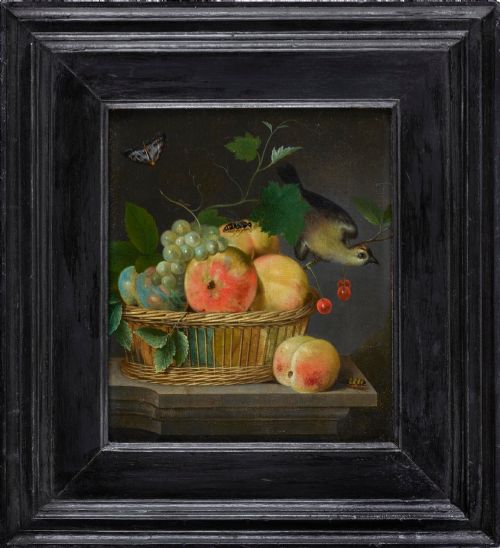
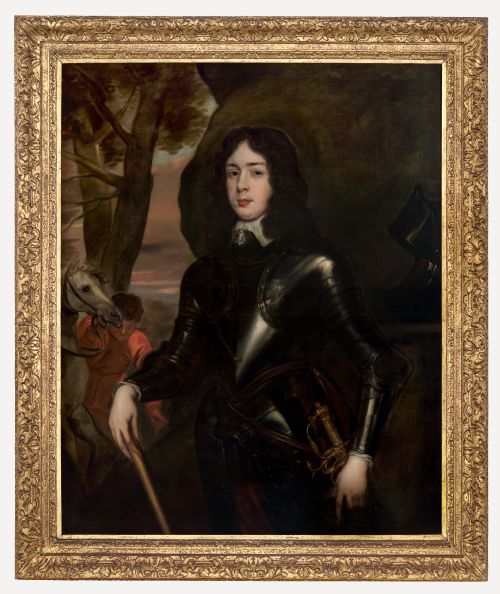
When you search for flemish baroque canvas, you encounter oil paintings spanning the seventeenth century through to later interpretations, often mounted on wood or housed in giltwood frames. The selection centres on portraits of gentlemen and officers, village fetes, still lifes of fruit or flowers, and mythological or garden scenes.
You will meet works attributed to the Flemish School, alongside pieces produced in the style of masters like David Teniers or Gaspar Peeter Verbruggen. These canvases capture the rich palettes and narrative depth characteristic of the period, ranging from intimate portraits to large landscapes.
How they were made
These works utilise oil paint applied to prepared canvas surfaces, sometimes supported by wood panels or displayed within ornate gilt wood frames. Painters built up compositions through layered pigments, capturing fine details in fabrics, flora, and fauna.
The technique relies on depth of tone and texture, hallmarks of seventeenth-century practice that give figures and still lifes their characteristic presence. Later nineteenth-century or mid-century pieces emulate these traditional methods on canvas.
Materials recorded include giltwood, oil paint, canvas, and wood panels.
What varies in quality
The distinction between works lies in the handling of brushwork and the expressiveness of the figures or subjects rendered on the canvas. Superior examples display confident control over light and shadow, particularly in portraits and complex landscape or still life arrangements.
Condition of the oil paint and the integrity of the canvas structure also dictate standing. Pieces retaining their original depth of pigment and housed in period giltwood framing demonstrate greater integrity.
Gaspar Peeter Verbruggen·Frans Snyders·David Teniers·Jan Cossiers·Peter Paul Rubens
The Flemish Baroque Canvas Glossary
- Baroque
- A European style of art from the seventeenth and early eighteenth centuries characterised by drama, deep colour, and grand scale. It prioritises movement and tension in both portraiture and narrative scenes.
- Flemish School
- A collective term for artists working in Flanders during the golden age of painting. Their output spans detailed still lifes, genre village scenes, and aristocratic portraits.
- Oil on Canvas
- A traditional painting medium where coloured pigments are suspended in drying oils and applied to stretched fabric. It allows for rich blending and textured application.
- Giltwood
- Wood carved and covered with a thin layer of gold leaf or gilt paint. It provides traditional framing for seventeenth-century and later oil paintings.
Flemish Baroque Canvas: Frequently Asked Questions
What subjects appear on these canvases?
The works encompass portraits of gentlemen and officers, still lifes featuring flowers and fruit, and expansive landscapes with figures. Mythological themes also feature prominently across the selection.
Many pieces reflect the daily life or aristocratic tastes of the seventeenth century, recorded through oil paint by various regional schools.
How do I date a flemish baroque canvas?
Dating relies on stylistic clues, costume details in portraits, and the physical composition of the canvas and stretcher frame. Seventeenth-century works often show specific handling of oil paint compared to later copies.
Examining the materials, such as wood panels and giltwood framing, helps ascertain whether a piece is seventeenth-century or a later nineteenth-century revival.
Where should I hang an oil painting?
Select a wall away from direct sunlight and significant temperature shifts to protect the oil paint and canvas. Proper placement preserves the integrity of both the artwork and its gilt wood frame.
Ensure the room humidity remains stable to prevent warping of any underlying wood components or degradation of the fabric support.
What is the difference between original and follower pieces?
Original period works date directly from the active years of the master or their immediate workshop. Follower or circle pieces are executed by later artists working in the distinct style of that master.
Both categories utilise oil on canvas, but origin influences historical context while technique dictates visual quality.