
Traditional Female Portrait
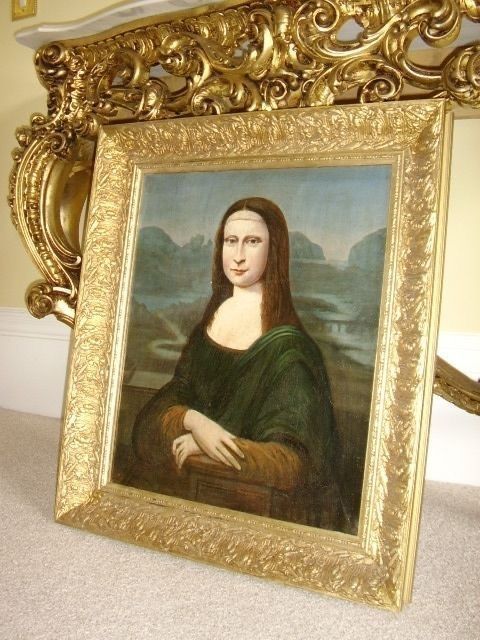
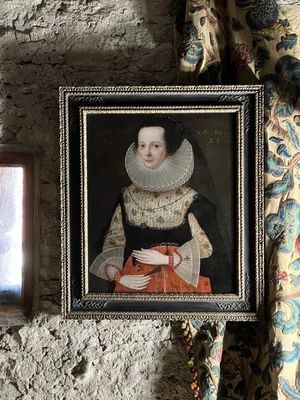
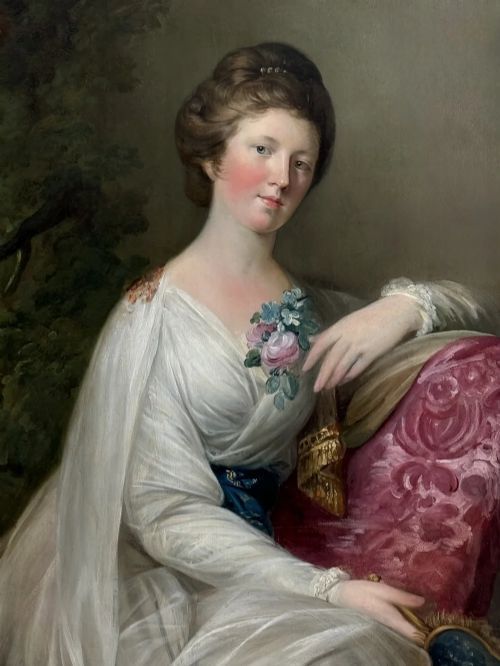
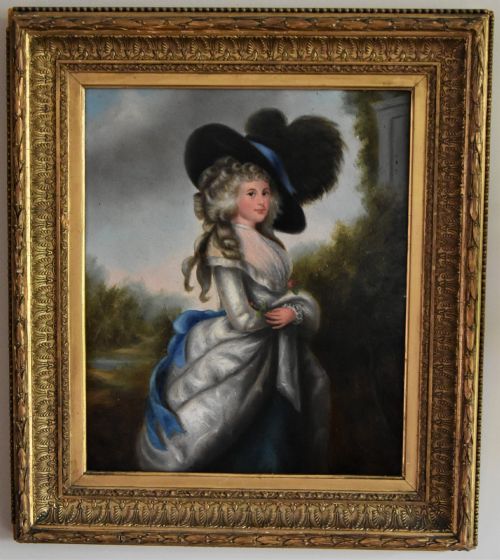
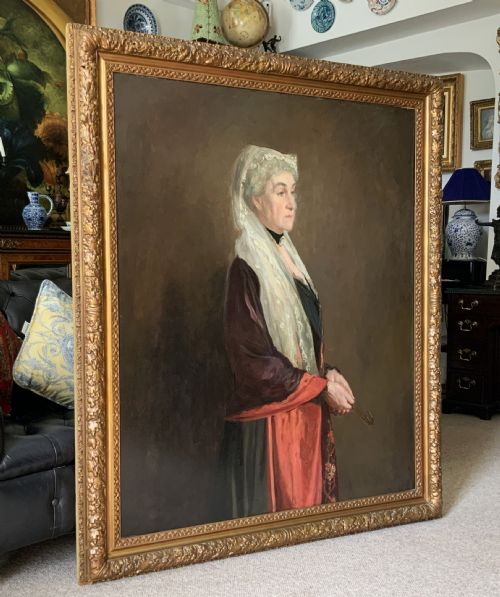
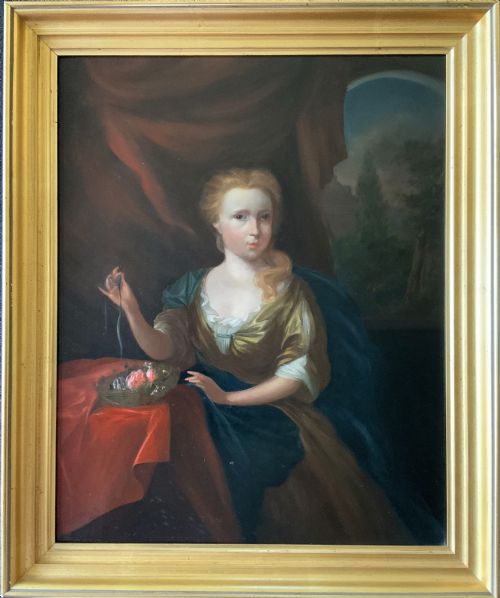
A traditional female portrait brings historical character into a room through oil on canvas, wood, and framed prints spanning multiple centuries.
Traditional Female Portrait
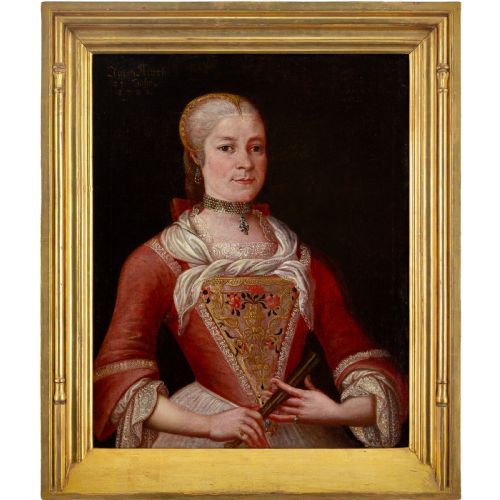
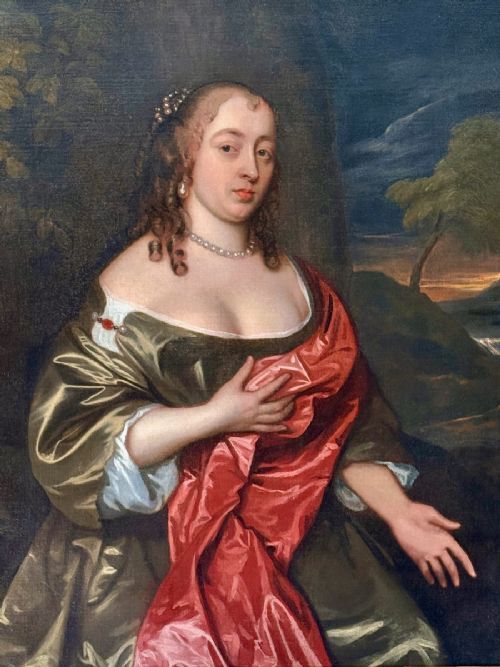
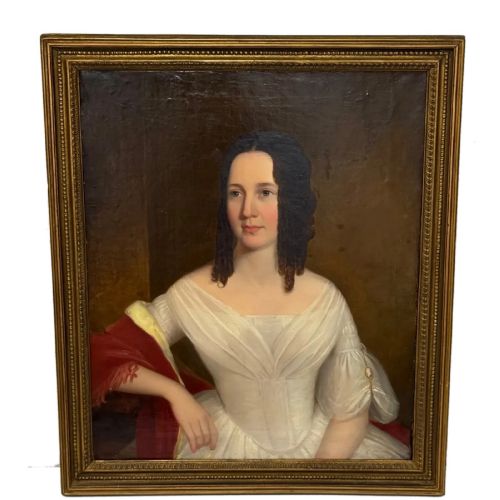
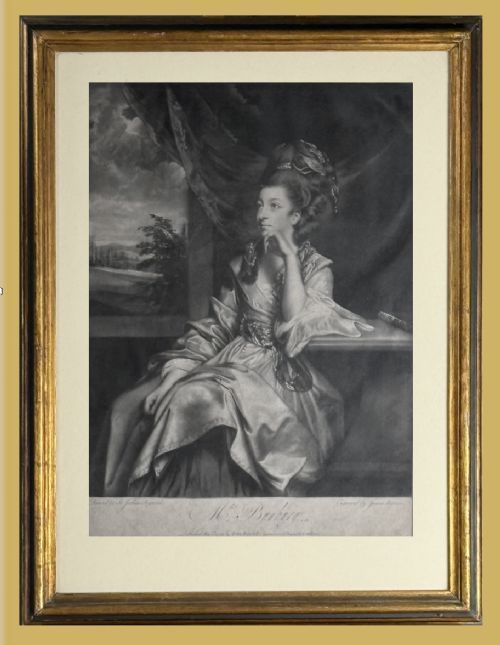
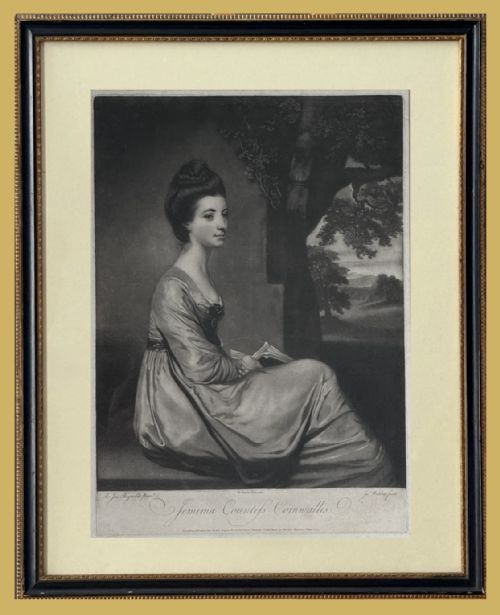
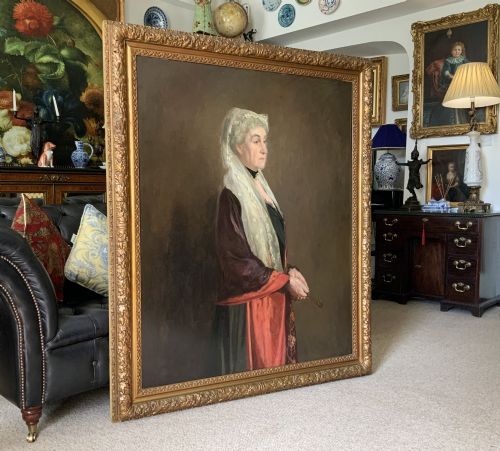
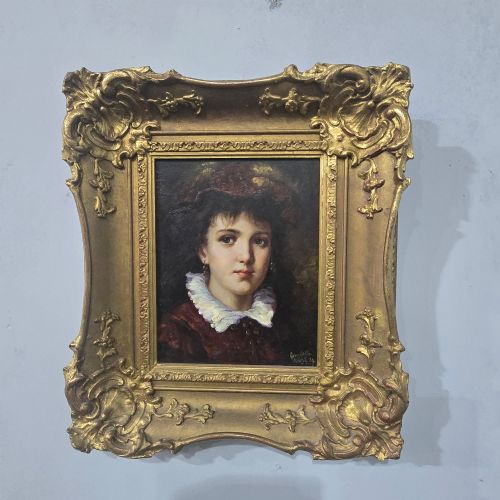
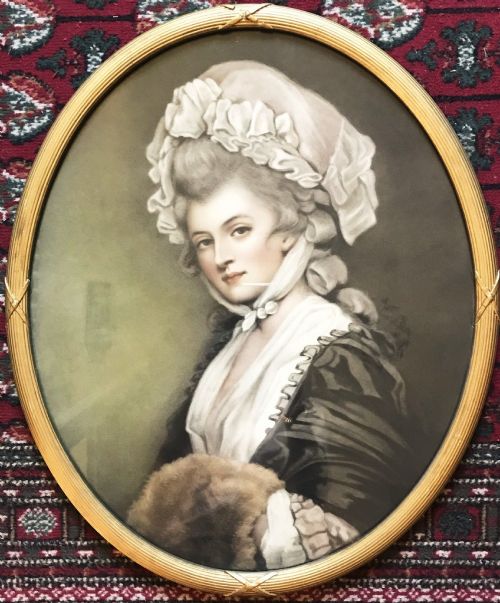
A traditional female portrait captures the likeness and presence of women from the seventeenth century through to the mid-twentieth century, recording changes in dress, status, and artistic convention over time. When exploring traditional female portrait options, buyers encounter everything from monumental Edwardian canvases and Victorian oil paintings to intimate Georgian pastels and eighteenth-century mezzotints.
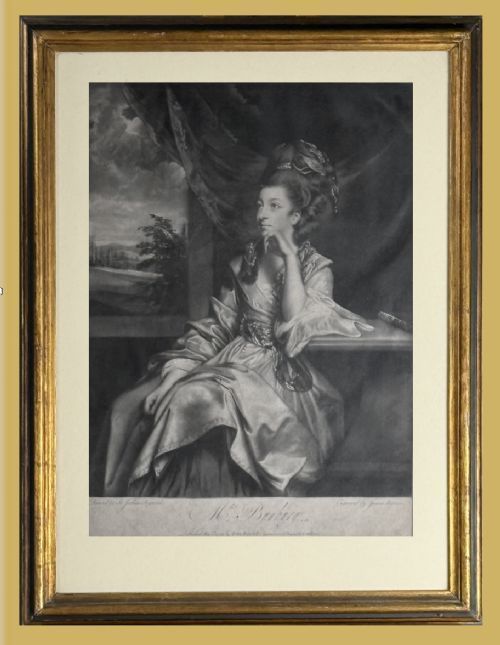
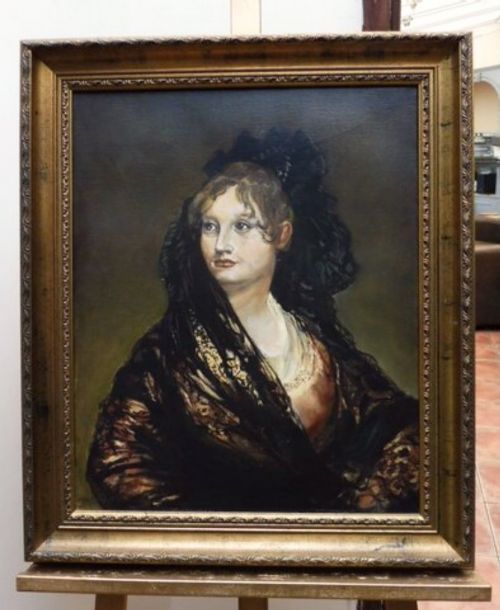
The subjects range from named historical figures, such as Sarah Losh and Henrietta Fordyce, to noblewomen in elaborate costume, Spanish beauties, and anonymous sitters rendered by regional European schools. Works appear either as original hand-painted oils on canvas and board or as period prints and stipple work created after masters like Sir Joshua Reynolds and Thomas Gainsborough.
How they were made
These works rely primarily on oil paint applied to canvas or wood panels, often housed within period giltwood frames that complete the piece. Draughtsmanship also manifests in pastel, sanguine, and paper prints, capturing fine details of costume and expression.
Many items utilise reproductive techniques such as mezzotint and stipple work to translate earlier oil paintings into collectible prints. Painters built depth through layered pigments, while printmakers utilised meticulous plate-biting and ink transfer to mirror the original textures.
One notable portrait captures a subject holding a yellow rose, while others feature sitters with a tray, a basket of fruit, or a lute.
What varies in quality
Quality rests on the skill of the brushwork and the precision with which the sitter's anatomy, textiles, and lighting are rendered. Superior pieces capture genuine psychological depth and individual expression, whereas lesser works remain stiff and formulaic.
The preservation of the pigment and the integrity of the canvas or board determine the longevity of the artwork. Original framing also influences the overall standing of a piece, with period giltwood settings adding contextual authenticity.
John Hayls·James Watson·Sir Joshua Reynolds·George Willison·Francisco Jose de Goya y Lucientes·Jonny Gaston·Thomas Gainsborough·Jean-Baptiste van Loo·John Robert Dicksee·Jean-Marc Nattier·Alexander Maclean·August Heinrich Riedell·Sir Thomas Lawrence·Cornelis Van Der Voort·William Joseph Carroll·William Oliver·Robert Edward Morrison·Dod Proctor
The Traditional Female Portrait Glossary
- Mezzotint
- A printmaking process of the intaglio family where the surface is roughened evenly to produce tones of grey and black. It allows for subtle gradations of light and shade suited to portraiture.
- Giltwood
- Wood carved and coated with gold leaf or gold paint to create a decorative metallic finish. It forms the standard material for antique picture frames.
- Sanguine
- A type of red chalk used for drawing, producing warm earthy tones. Artists utilised it for sketching and finished portrait studies on paper.
- Stipple work
- An engraving technique using dots of varying density to represent light and shadow. It creates a soft, painterly effect popular in reproductive prints.
- Canvas
- Heavy woven fabric stretched across a wooden frame to serve as a foundation for oil painting. It provides the primary support for most historical portraits.
Traditional Female Portrait: Frequently Asked Questions
Are these portraits original paintings?
The selection includes a mix of original hand-painted works in oil and pastel alongside period printed reproductions and mezzotints created after master artists.
Buyers can check the medium specified in each listing to determine whether a piece is a unique painted canvas or a historical print.
How do I date an antique portrait?
Dating relies on the sitter's costume, hairstyle, and the painting technique, alongside any recorded attribution or documentation provided by the dealer.
Period frames also offer clues, though framing often changed or was updated long after the canvas was painted.
How should I hang and light a portrait?
Traditional portraits require stable indoor wall space away from direct sunlight and excessive humidity to protect the oil paint and canvas.
Picture lights mounted above the frame highlight the brushwork and varnish without generating harmful heat.
What is the difference between a school and an artist attribution?
An attribution to a specific artist indicates strong stylistic evidence linking the work to their known output or studio.
Referring to a regional school simply means the painting was produced within a particular geographical area and artistic tradition without a confirmed individual creator.