
French Art Canvas Painting
A french art canvas painting brings centuries of European painterly tradition into a room through oil pigments applied directly to woven fabric.
French Art Canvas Painting
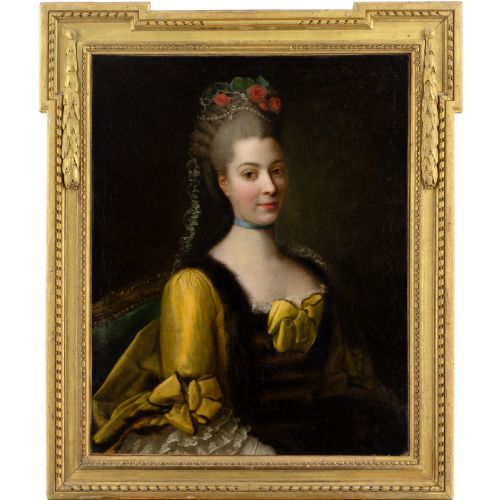
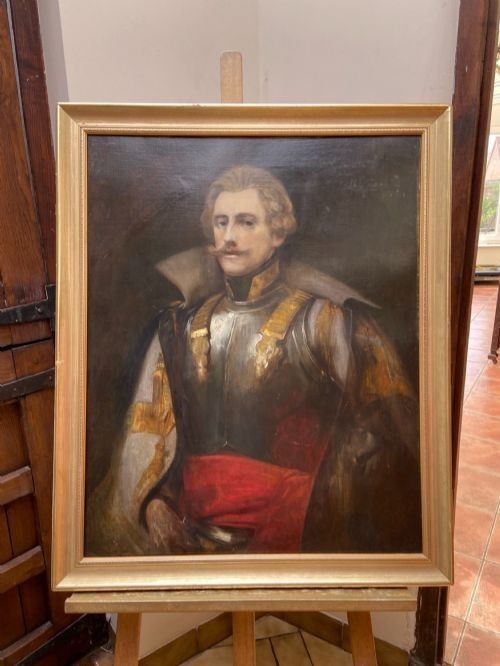
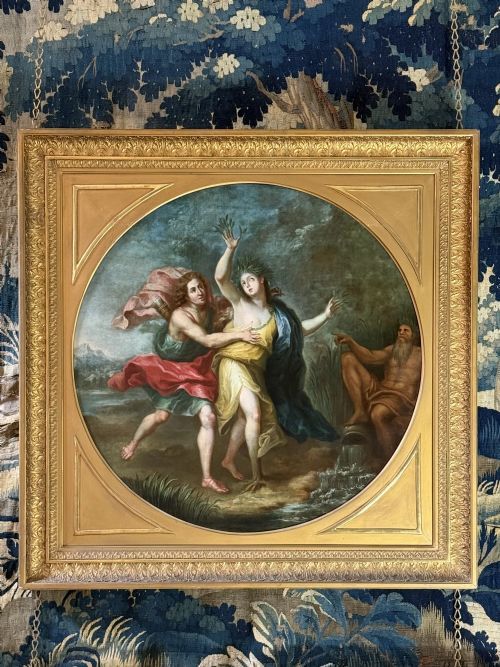
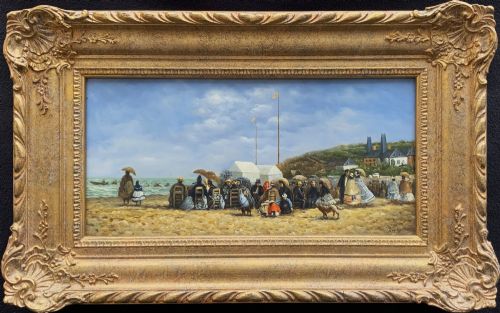
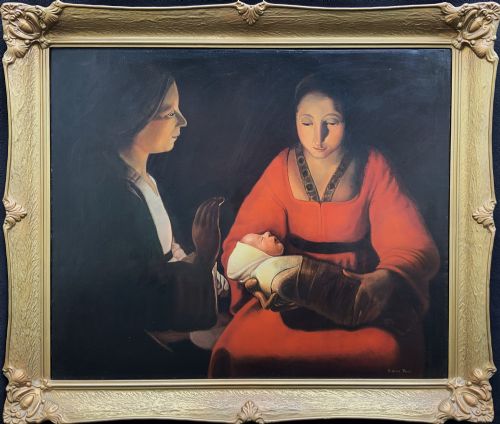
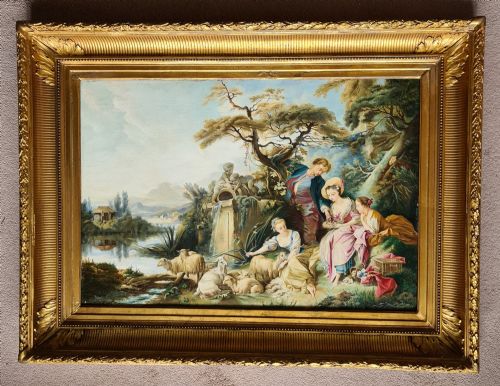
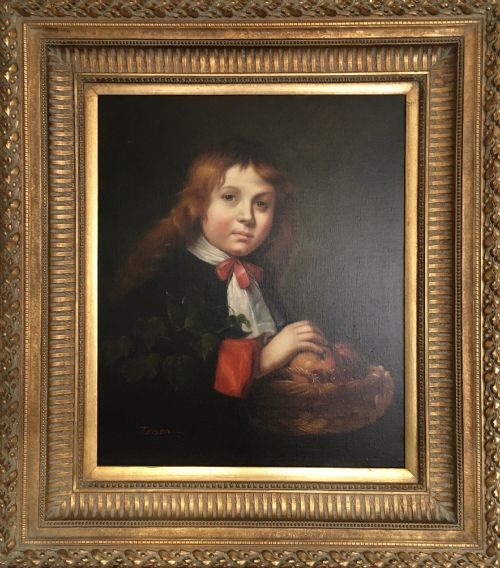
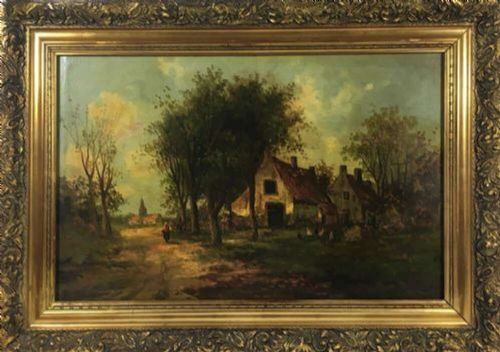
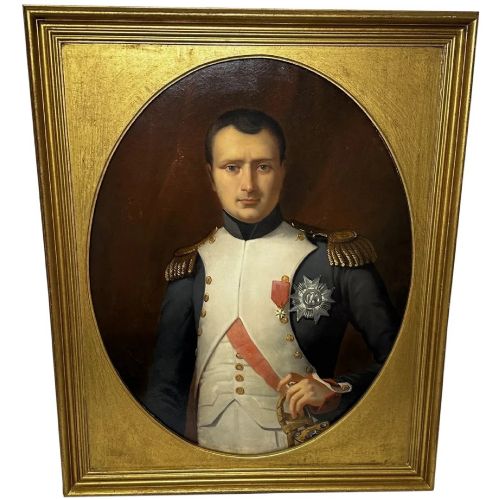
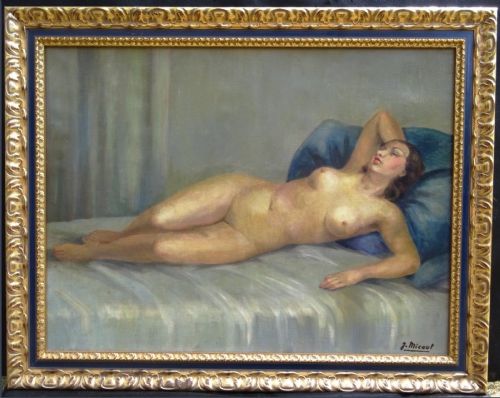
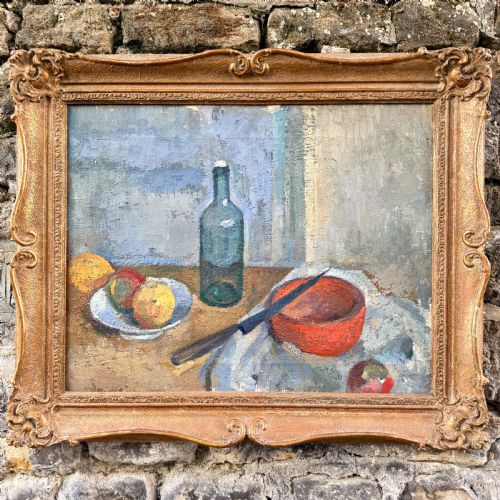
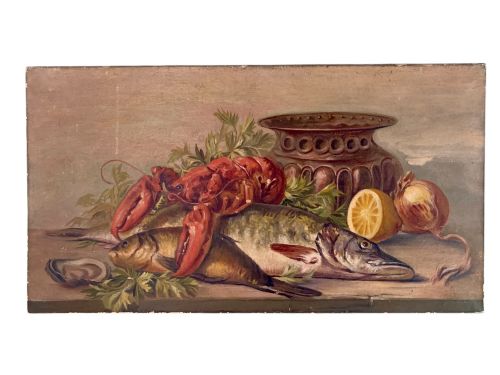
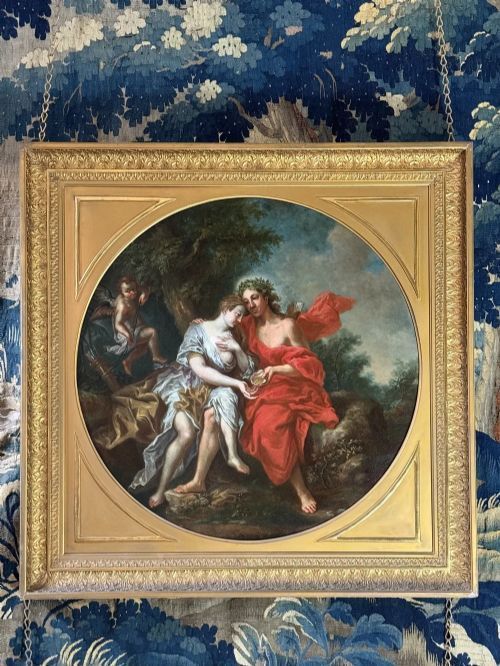
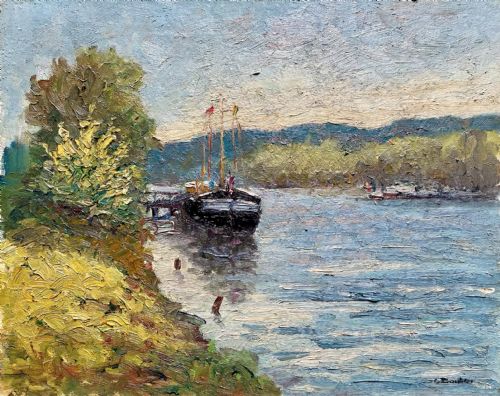
When a buyer searches for a french art canvas painting, they encounter works spanning from the seventeenth century through the mid twentieth century, encompassing portraits, landscapes, and still lifes. The selection includes formal academic pieces, rustic Barbizon school landscapes, post impressionist views, and decorative panels.
The version most commonly met on this page is the nineteenth century oil on canvas portrait or landscape, often set within a gilt wood or gesso frame. These works record subjects ranging from military officers and judges to coastal scenes and quiet farmyards.
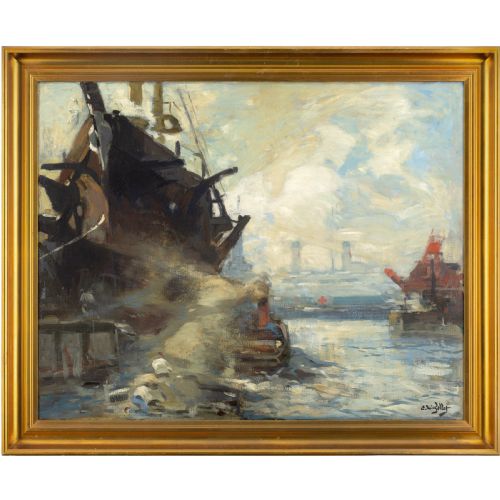
Beyond traditional canvases, the selection extends to twentieth century depictions of cityscapes, harbour scenes, and naive compositions. Each piece reflects the shifting schools and styles of French painting, from rococo classicism to twentieth century abstraction and outsider art.
What Varies in Quality
Quality in these works rests upon the dexterity of the brushwork and the structural integrity of the canvas and support. Finer examples demonstrate confident handling of light, shadow, and anatomy, whereas simpler pieces rely on more formulaic execution.
The preservation of the original paint layer and the harmony of the framing contribute significantly to the standing of a piece. Works retaining their period gilt wood frames and stable canvas grounds represent the upper tier of the selection.
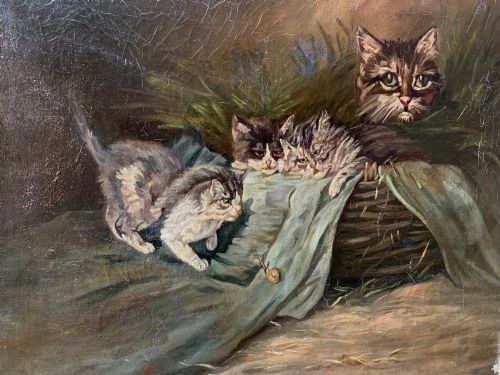
A nineteenth century canvas dedicated entirely to a snail and some kittens proves that French artists found dramatic tension in the humblest backyard encounters.
Charles Antoine Coypel·Georges de La Tour·Francois Boucher·Edouard Pingret·Jean-Baptiste Greuze
The French Art Canvas Painting Glossary
- Oil on Canvas
- Pigments bound in a drying oil, typically linseed, applied to a woven fabric support. This combination allows for rich colour saturation and subtle gradations of tone.
- Barbizon School
- A nineteenth century movement focused on realistic landscape painting, drawing inspiration from direct observation of nature and rural French scenery.
- Gesso
- A plaster mixture used as a prepared surface for painting or moulded onto wooden frames to receive gilding. It provides a smooth, rigid ground for decorative details.
- Post-Impressionism
- An artistic development following impressionism that explored structural form, expressive colour, and symbolic content beyond optical realism.
- Oleograph
- A mechanical colour print emulating an oil painting, often textured to simulate canvas weave and brushstrokes. It offers a printed alternative to direct hand painted works.
French Art Canvas Painting: Frequently Asked Questions
How do I date a French oil painting?
Dating relies on stylistic markers, costume details in portraits, and the physical characteristics of the canvas and stretcher frame. Historical signatures and archival records also help anchor a piece to a specific decade.
Changes in pigment formulation and framing styles further assist in distinguishing seventeenth and eighteenth century works from nineteenth and twentieth century examples.
What is the Barbizon school?
The Barbizon school refers to a group of French painters who worked in the village of Barbizon near Fontainebleau Forest during the nineteenth century. They championed direct observation of nature and realistic landscape painting.
Their focus on rural farmyards and natural light shifted French art away from academic history painting toward atmospheric landscapes.
How should I hang a canvas painting?
Canvas works require stable wall environments away from direct sunlight and rapid temperature fluctuations to protect the oil paint and canvas ground. Secure hanging hardware attached directly to the wall studs supports the weight safely.
Maintaining consistent indoor humidity prevents the wooden stretcher and canvas from warping or slackening over time.
Are all these pieces painted by hand?
Most listings feature original hand painted works executed in oil on canvas by named or school artists. The archive also includes embellished prints and oleographs that replicate painted textures.
Examining the surface under magnification reveals the raised ridges of actual brushstrokes versus the uniform dot pattern of printed reproductions.