

Academic Oil Portrait
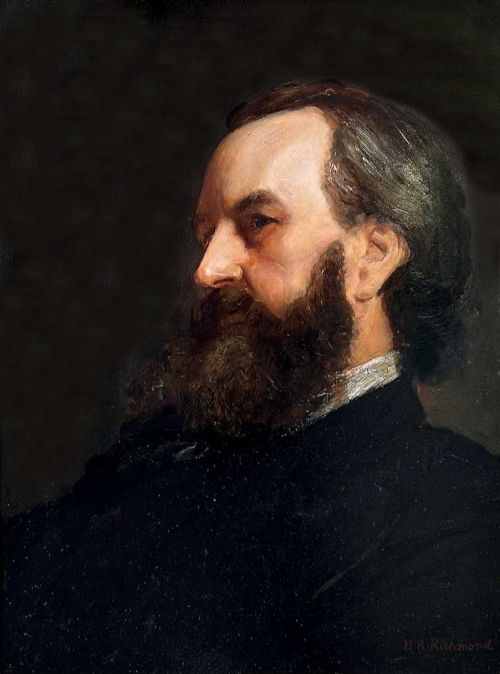
When you search for an academic oil portrait, you are looking at rigorous studio craftsmanship rooted in nineteenth-century academic training and classical tradition.
Academic Oil Portrait
An academic oil portrait captures a specific sitter with formal precision, often emerging from nineteenth-century realism, Victorian conventions, or French academic style. These works reflect structured studio methods taught in European academies, emphasising anatomical accuracy and careful draughtsmanship over rapid impressionism.
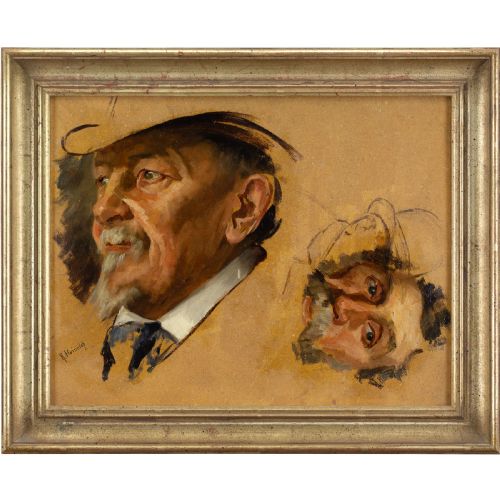
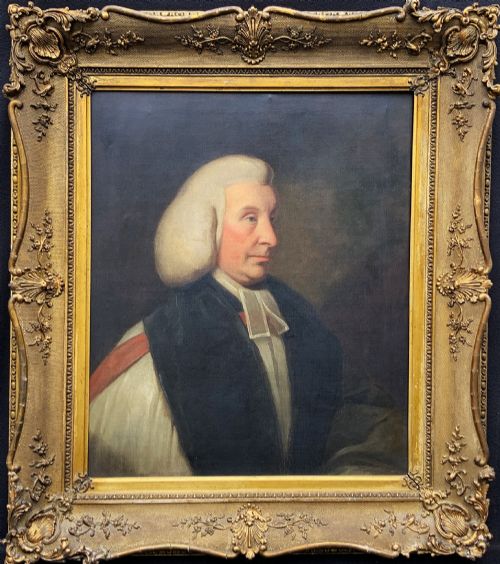
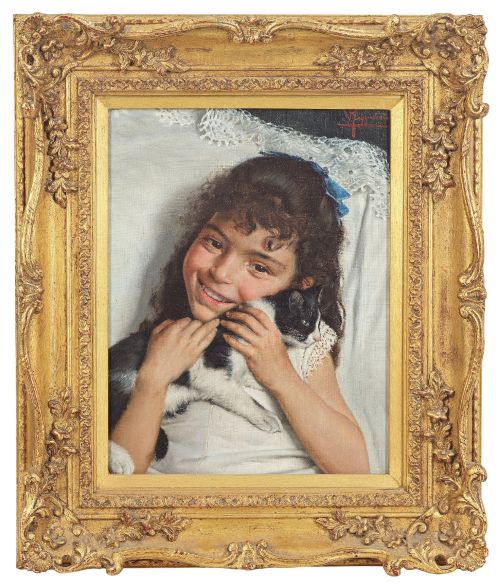
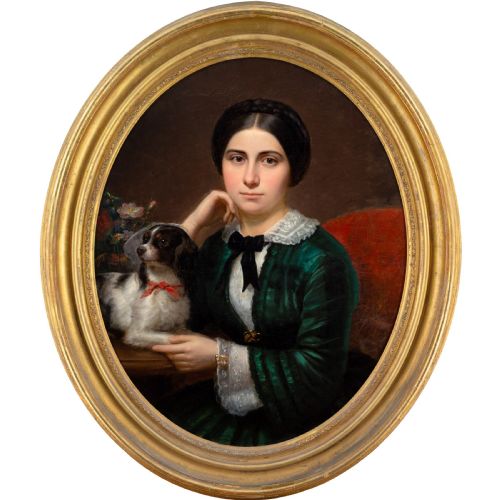
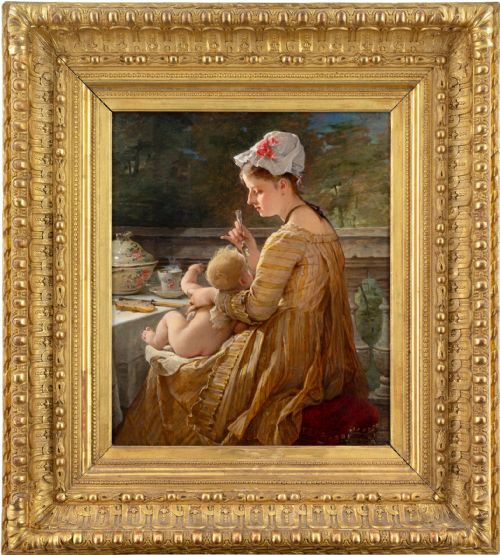
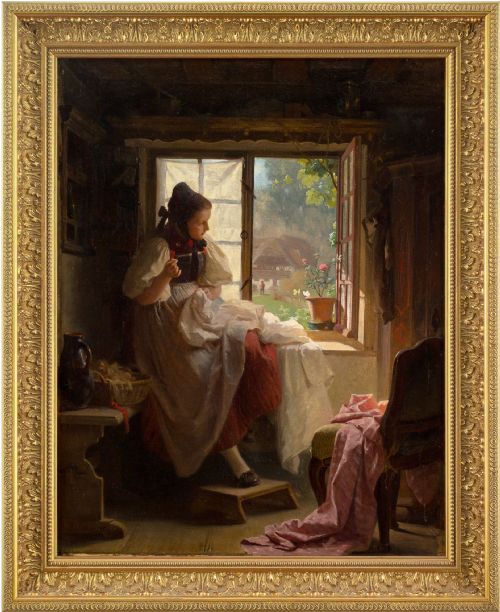
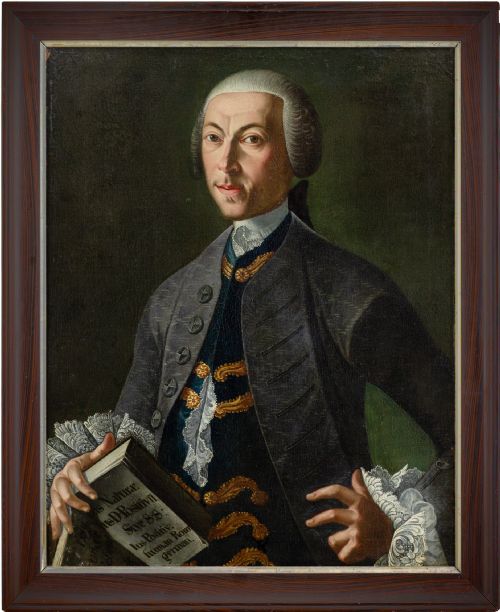
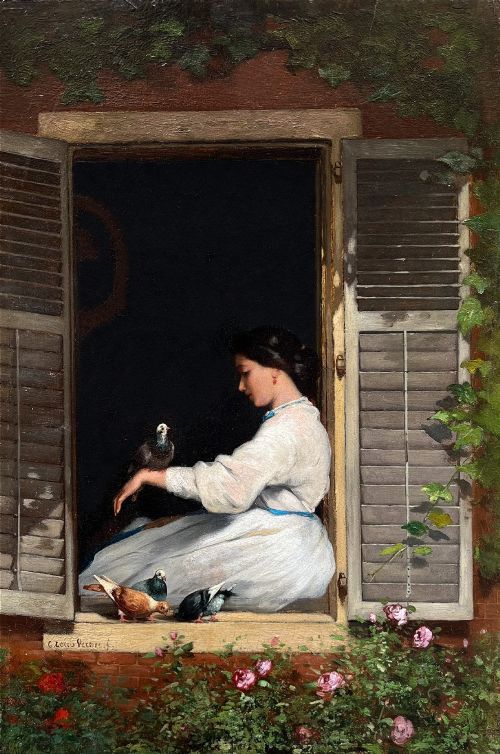
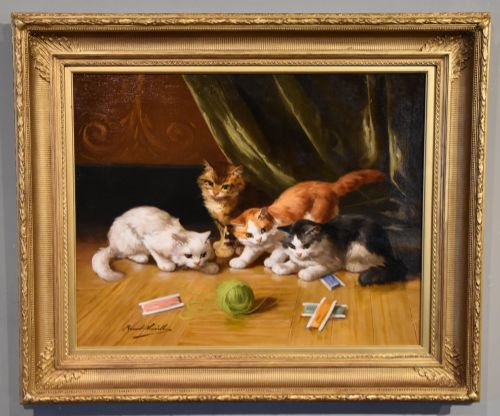
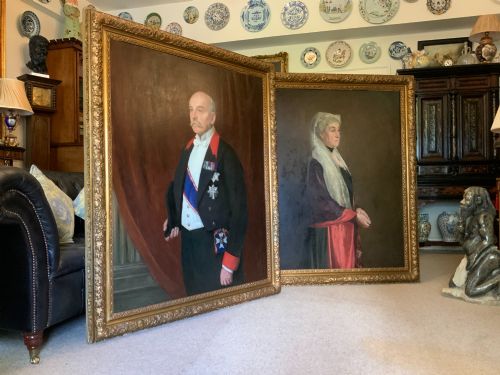
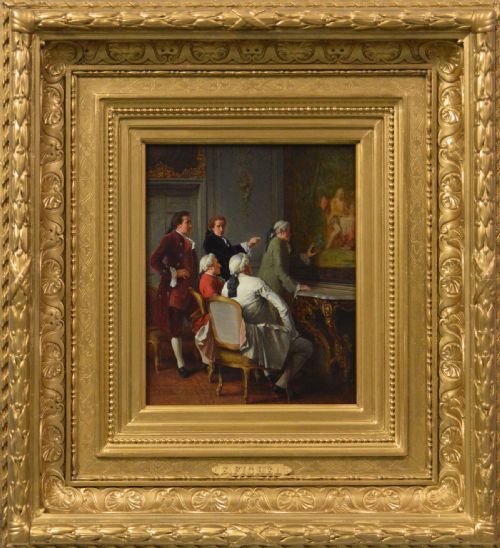
The pieces on this page span from the eighteenth century into the twentieth century, taking the form of framed canvas and panel paintings depicting historical subjects, clergy, militia, and individual ladies or gentlemen. Artists working within this tradition produced both intimate likenesses and grander historical genre scenes.
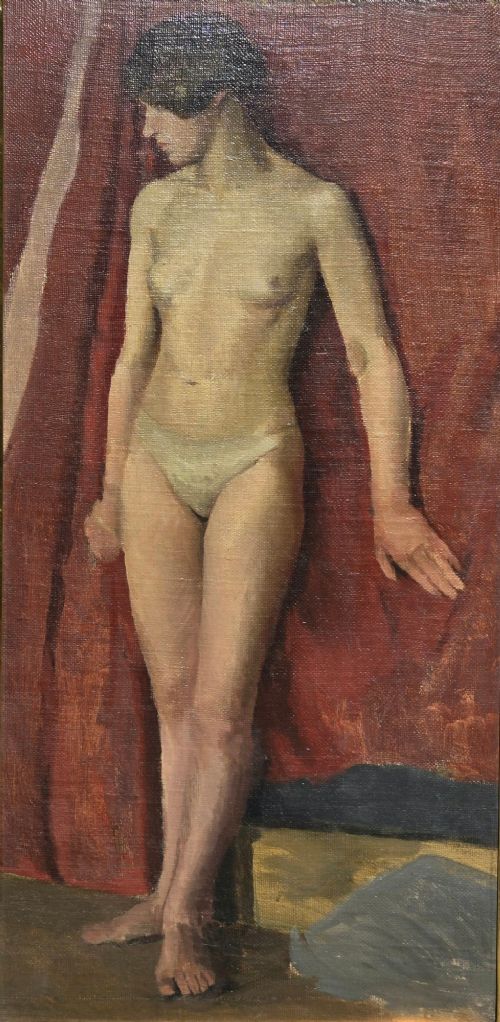
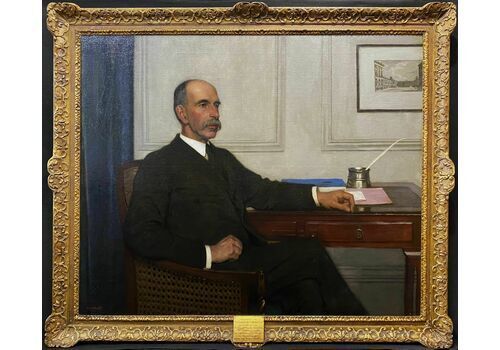
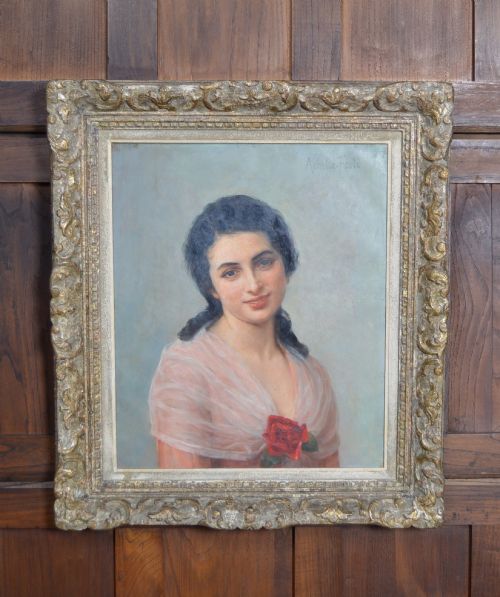
Buyers seeking an academic oil portrait will find works rendered in oil paint on canvas or wood, frequently housed within period giltwood frames that complement the formality of the composition. The subjects range from identified figures like Rev. Paul White to anonymous models and studio studies.
How they were made
These portraits rely fundamentally on oil paint applied to prepared canvas or wood panels, allowing artists to build rich layers of colour and shadow. The painting process involved careful underpainting followed by successive glazes and opaque strokes to model flesh tones and textiles.
Many of these works are finished with gesso and housed in carved giltwood frames, which provided structural support and visual weight to the finished artwork. The combination of durable oil media on woven canvas ensured the survival of fine details across centuries.
Listings feature oil paintings on canvas and wood panel from the eighteenth, nineteenth, and twentieth centuries, complete with giltwood and gesso frames.
What varies in quality
Quality in these portraits rests upon the sureness of the draughtsmanship and the artist's command of light and shadow to render volume in the human form. Stronger examples demonstrate precise anatomical observation and subtle tonal graduation in the face and hands.
The handling of surrounding drapery, background interiors, and framing also distinguishes finer works, where the gilded gesso frame matches the period and quality of the canvas within. Less accomplished pieces may show stiffness in the pose or heavier, less nuanced paint application.
Dumini Leopoldo·Vittorio Reggianini·Adelaïde Salles-Wagner·Max Kaltenmoser·Louis Charles Verwee·William Blake Richmond·Harold Knight·Alfred Arthur Brunel de Neuville·Benjamin Eugene Fichel·Charles Zacharie Landelle·André Charles Voillemot·Ferdinand Victor Leon Roybet·Alexandre-Louis Martin·William Etty·Allan Douglas Davidson·Frederick Goodall·Lance Calkin·Alfred Holst Tourrier·Hermann Armin Kern·Frank Hyde·James Clark·August Heinrich Riedell·Fernand Jean Barbier·Hans Temple
The Academic Oil Portrait Glossary
- Academic realisn
- A style of painting that combines classical discipline with realistic observation, taught in European art academies during the nineteenth century. This approach prioritises smooth finishes, accurate anatomy, and elevated subject matter.
- Giltwood
- Wood, typically carved, that has been coated with gold leaf or a gold-coloured finish. It is frequently found on the elaborate frames enclosing nineteenth-century oil paintings.
- Gesso
- A plaster-like mixture used as a base coat on wood panels or frame mouldings before gilding or painting. It provides a smooth, stable surface for fine artistic work.
- Genre painting
- The pictorial representation of scenes from everyday life, often featuring ordinary people engaged in common activities. These works frequently crossed paths with portraiture in nineteenth-century studios.
Academic Oil Portrait: Frequently Asked Questions
What defines an academic oil portrait?
An academic oil portrait is defined by its adherence to the rigorous standards of nineteenth-century European art academies. These works emphasise precise draughtsmanship, classical composition, and realistic anatomical study.
Artists trained in this tradition used layered oil paints on canvas to achieve smooth gradations of light and shadow. The resulting portraits portray sitters with formal dignity and careful attention to detail.
How should I care for an antique oil painting?
Antique oil paintings require stable environmental conditions away from direct sunlight and excessive humidity. Keep them in rooms with minimal temperature fluctuations to protect the canvas and wood panel from warping.
Dust the surface gently with a soft, dry brush and avoid using water or chemical cleaners on the paint or giltwood frame. Professional conservation should be sought if the canvas requires cleaning or structural repair.
Are these portraits signed by the artists?
Many academic oil portraits feature artist signatures, inscriptions, or studio stamps either on the front canvas or the reverse. Signed works often provide a direct link to known nineteenth-century painters and academies.
Unsigned works are frequently attributed to specific schools or circles based on style, technique, and subject matter. Both signed and attributed pieces reflect the broader academic output of the period.
What frames typically accompany these paintings?
These portraits are commonly housed in period giltwood frames featuring moulded gesso ornamentation. The framing was designed to complement the status and aesthetic of the central artwork.
Original frames enhance the historical context of the piece, though frames are sometimes replaced or restored over time. Inspecting the joinery and gilding helps determine whether a frame matches the age of the canvas.