


Victorian Female Painting
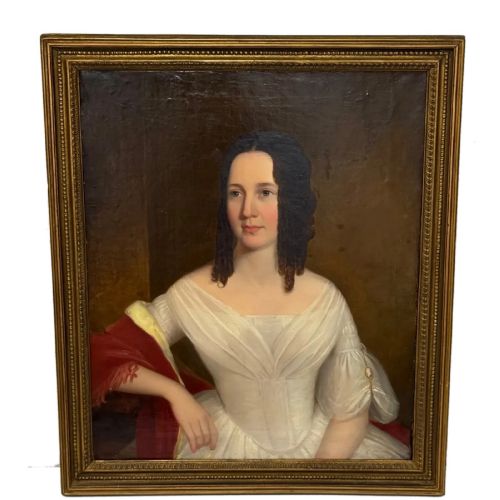
When you search for a victorian female painting, you encounter intimate portraiture and figure studies that capture nineteenth-century society.
Victorian Female Painting
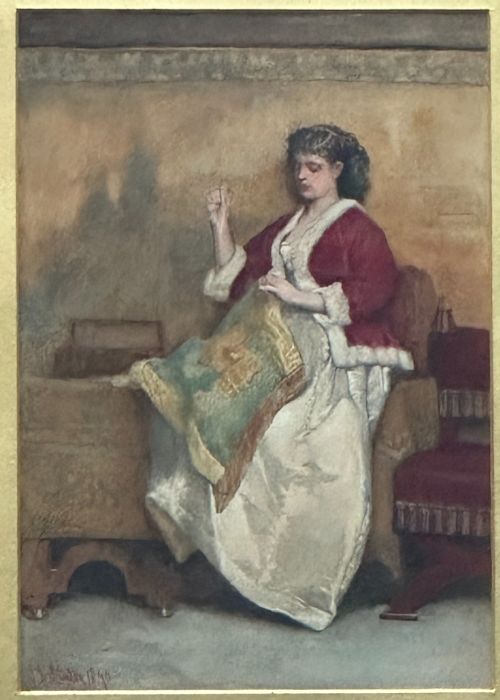
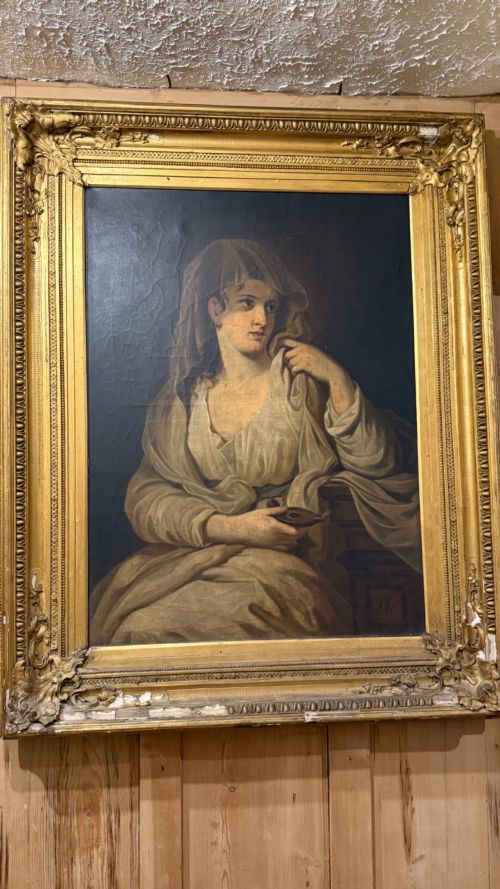
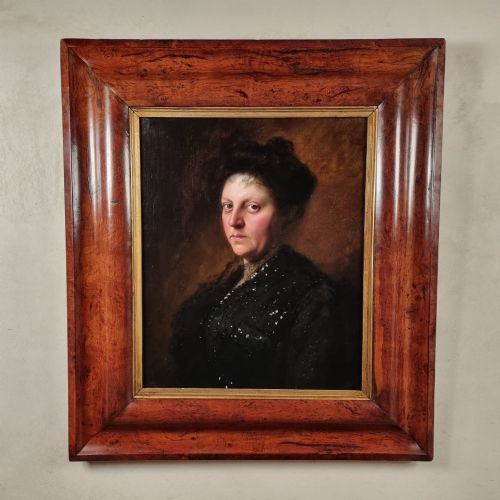
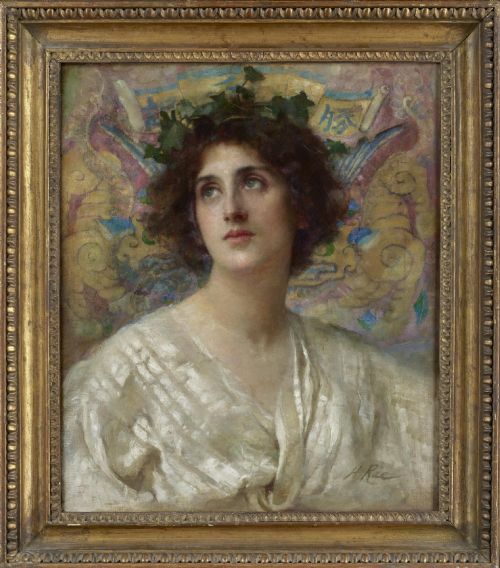
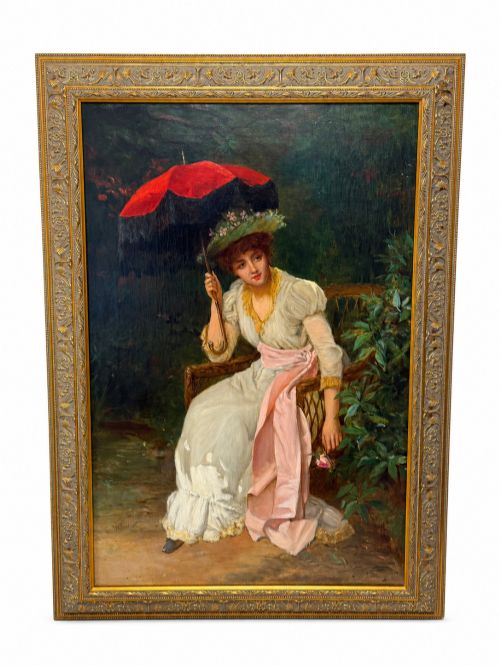
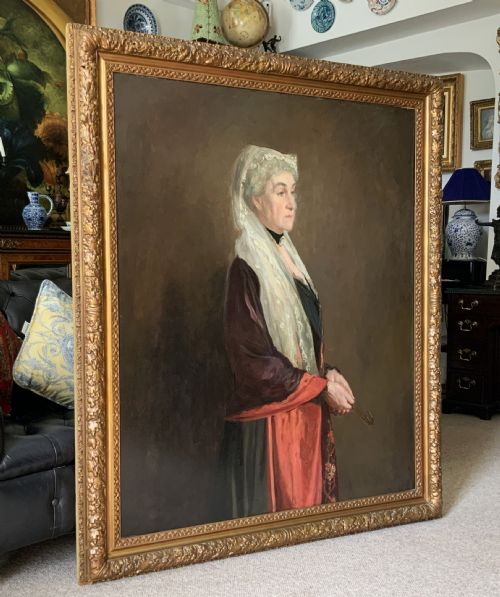
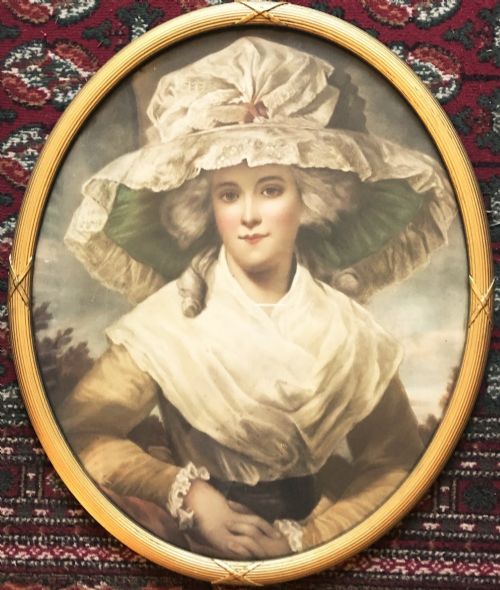
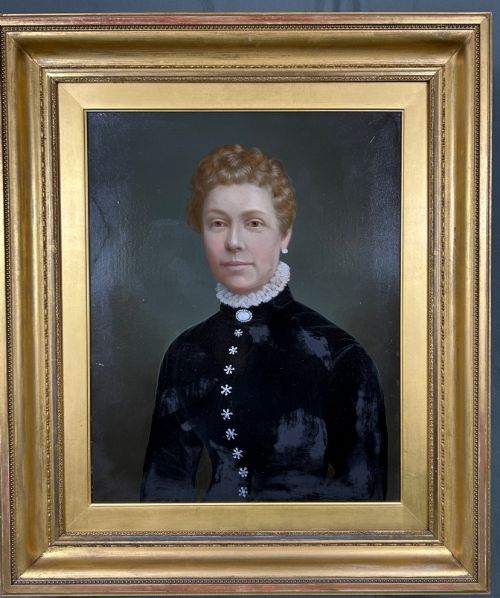
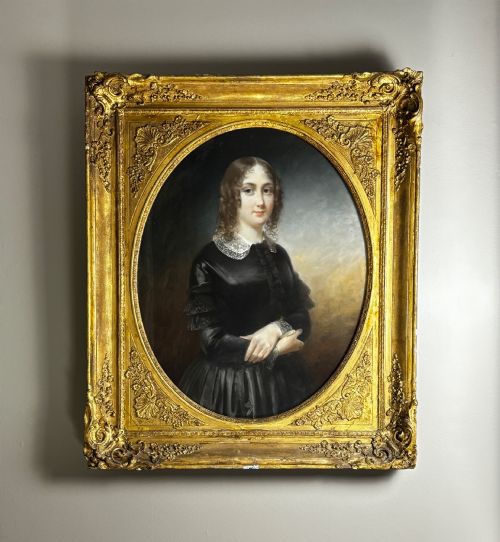
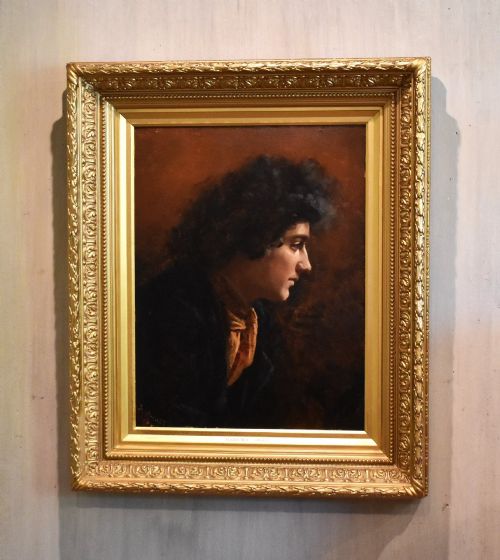
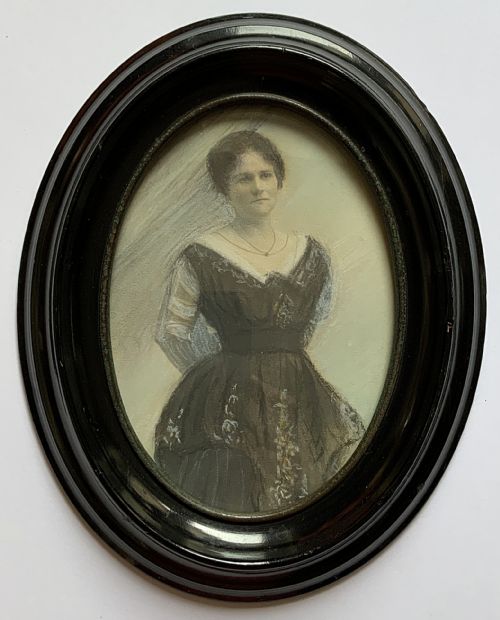
A victorian female painting typically takes the form of a framed oil on canvas or a delicate watercolour depicting women from various walks of life. The versions most commonly met on this page range from grand society portraits in oil to modest watercolours, pencil sketches, and miniature paintings created during the nineteenth century.
Subjects include named figures such as architects, wives of generals, and literary characters, alongside anonymous ladies in bonnets, velvet dresses, or pastoral settings. These artworks cross multiple stylistic movements including academic, romantic, and impressionist traditions.
Materials and technique
Artists of the period utilised oil paint on stretched canvas or wooden board, building up rich colour and depth through layered brushwork. For more intimate works, watercolour and gouache on paper were favoured, often paired with pencil or pastel for finer detail.
The finished pieces are typically housed in period frames constructed from wood and giltwood, with some examples featuring specialised framing such as ebony or maple surrounds and protective glass glazing.
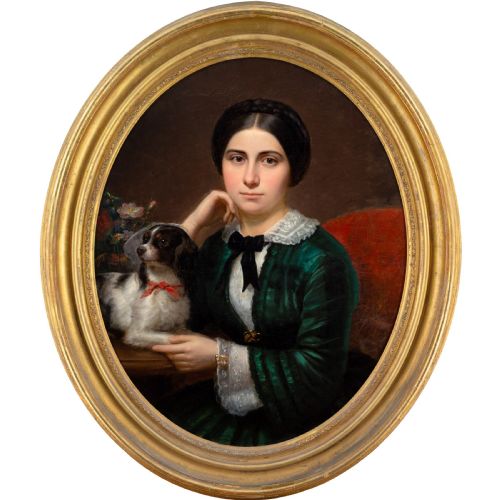
Several portraits preserve the likenesses of sitters accompanied by unexpected companions, including pet dogs and hummingbirds.
Markers of distinction
The distinction between standard works and exceptional examples lies in the precision of the draughtsmanship and the psychological depth captured in the sitter's expression. Masterful handling of light, fabric textures, and anatomical accuracy elevates an oil painting or watercolour above standard commercial portraiture.
Provenance and documentation also contribute significantly to a piece's standing, particularly when the artist is identified or inscriptions on the reverse provide a clear lineage of the subject.
Sir James Dromgole Linton·Dumini Leopoldo·Henrietta Rae·William Oliver·E Villanis·Florence Small·André Charles Voillemot·Alice Anne Renshaw·H. Bayly·Thomas Edward Roberts·Henry E Hobson·William Henry Knight·John Robert Dicksee·Bernard Bloch·Louis William Desanges·Alexander Maclean·August Heinrich Riedell·William Edward Frost
The Victorian Female Painting Glossary
- Watercolour
- A painting method in which the paints are made of pigments suspended in a water-based solution. These works are typically executed on paper and require protection under glass.
- Oil on Canvas
- Pigments bound in a drying oil applied to a woven fabric stretched across a wooden frame. This medium allows for rich blending and textured application.
- Gouache
- An opaque water-based paint that includes a white pigment filler, creating a heavier and more solid colour block than standard watercolour.
- Giltwood
- Wood that has been coated with a thin layer of gold leaf or metallic gilt powder. This finish is frequently found on ornate period picture frames.
Victorian Female Painting: Frequently Asked Questions
What periods do these paintings cover?
The works primarily date from the nineteenth century, spanning decades from the eighteen-fifties through to the Edwardian era.
Most pieces align directly with the Victorian reign, reflecting the artistic styles popular during that extensive period.
Are all the subjects identified?
Many portraits record the names of specific historical individuals, including notable designers, society figures, and wives of prominent officers.
Other canvases and watercolours depict anonymous models, genre figures, or idealized representations typical of nineteenth-century academic art.
How should I display them at home?
Oil paintings on canvas generally suit stable wall spaces away from direct sunlight, maintaining their original wooden or giltwood frames.
Works on paper, such as watercolours and miniature paintings, require glass glazing and careful placement to protect the pigments from fading.
What is the difference between oil and watercolour here?
Oil paintings utilise heavy pigments on canvas or board, offering rich textures and deep colour layering suitable for formal portraits.
Watercolours employ fluid pigments on paper, producing lighter, more delicate imagery often displayed behind protective glass.