
Traditional Equestrian Artwork
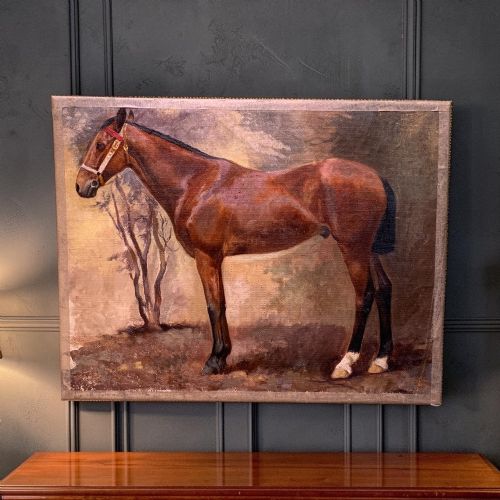
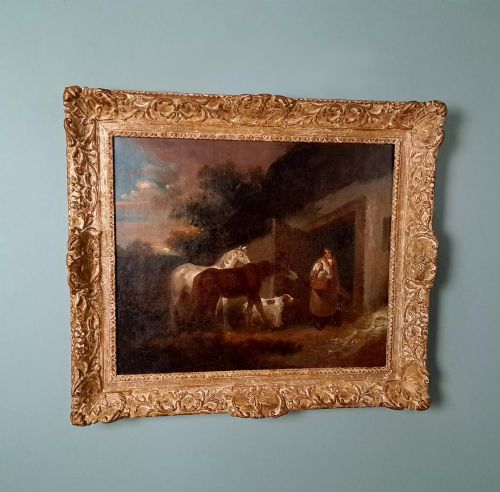
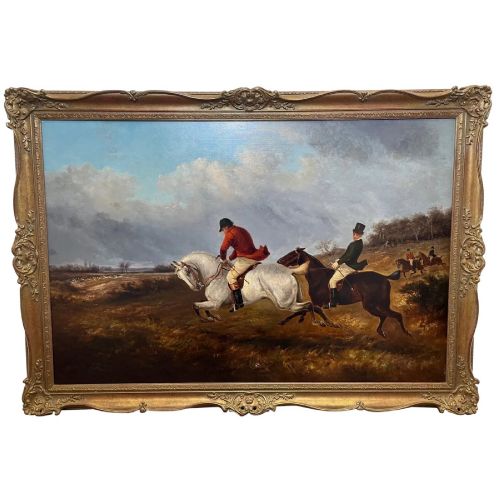
Traditional equestrian artwork captures the vigour of the hunting field and the fine conformation of racehorses through enduring oil and print media.
Traditional Equestrian Artwork
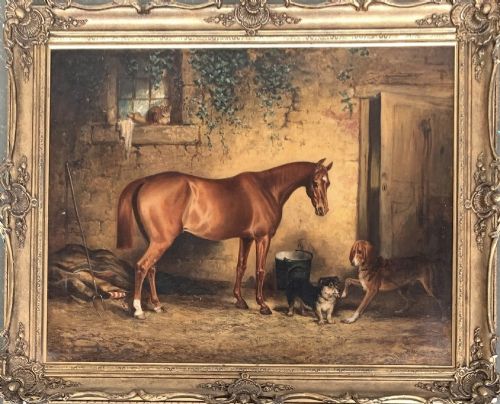
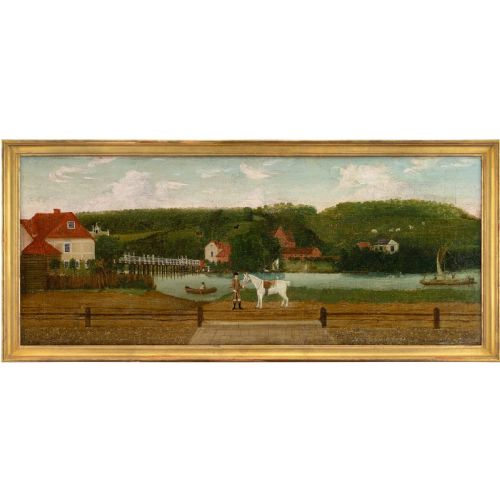
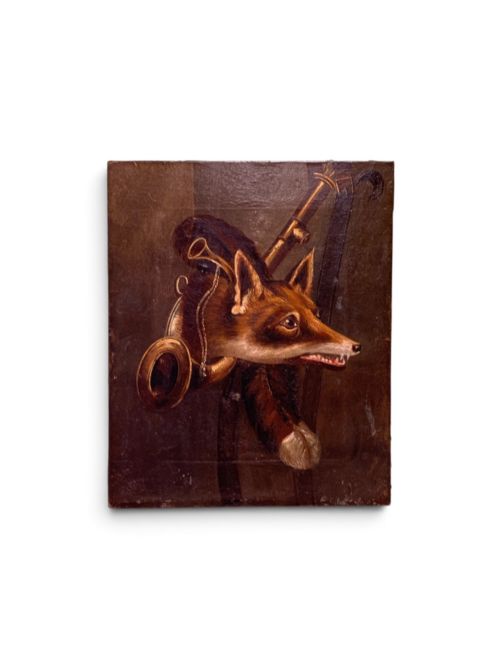
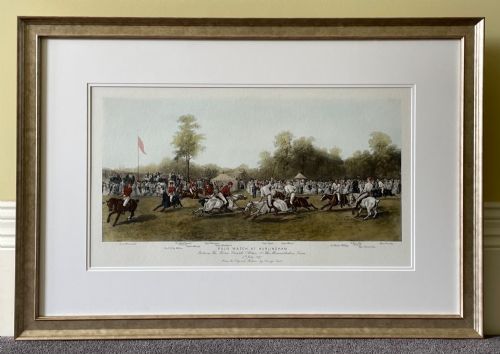
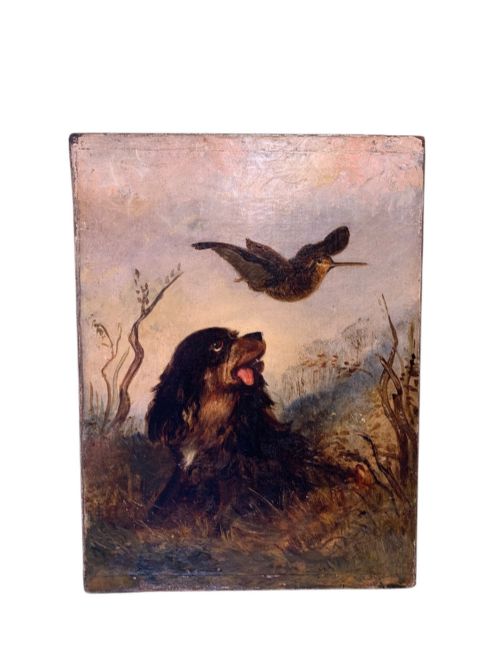
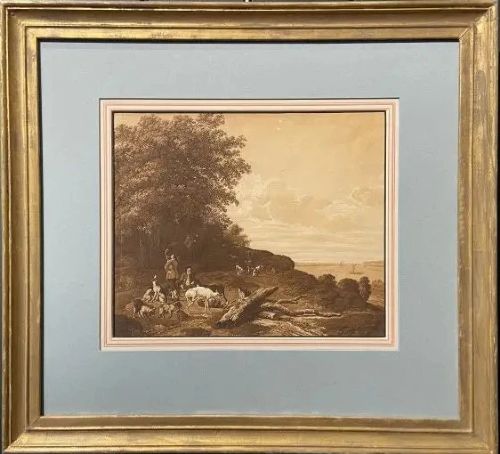
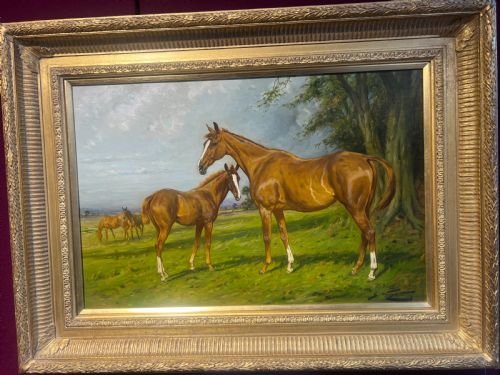
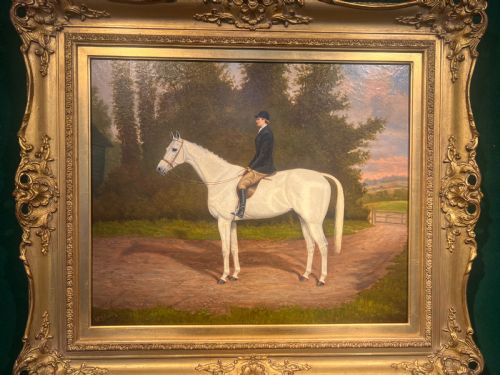
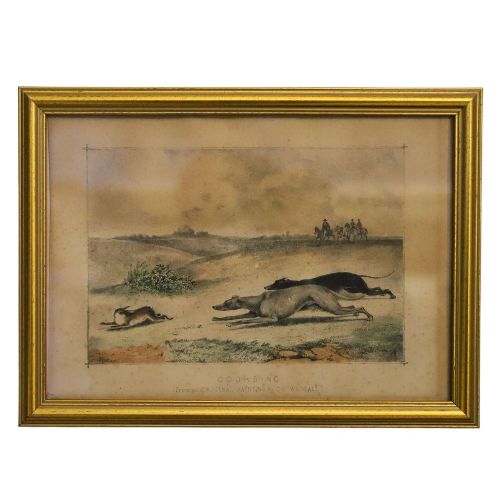
Traditional equestrian artwork encompasses framed oil paintings, watercolours, lithographs, and engravings depicting horses, hunting scenes, and racing subjects. Buyers search for these pieces to bring historical sporting scenes and detailed animal portraits into their interiors.
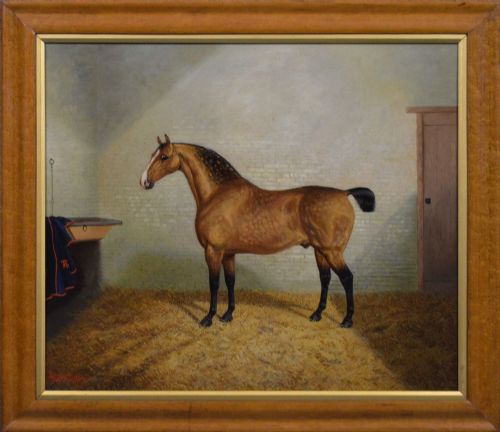
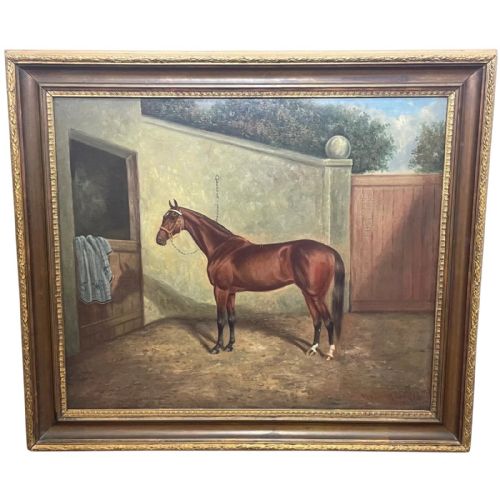
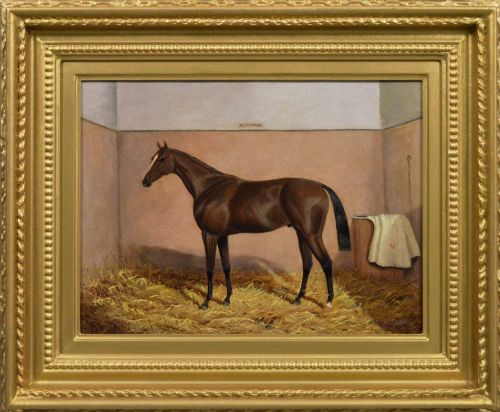
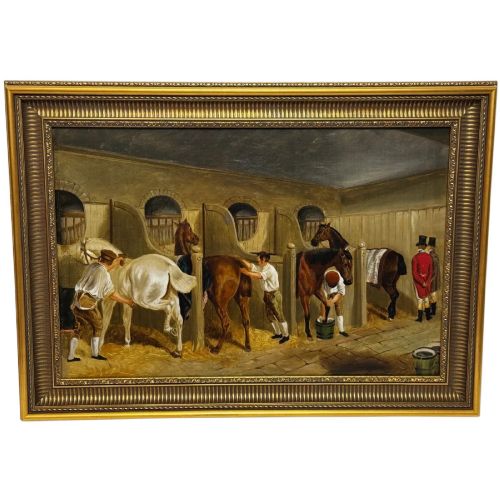
The selections available here predominantly feature nineteenth-century and early twentieth-century oil paintings on canvas or board, alongside period prints. These works range from intimate studies of individual hunters in stables to large depictions of hounds and riders in open landscapes.
How They Were Made
Artists painted primarily with oil on canvas or wood panels, applying rich pigments to build depth in the coats of horses and the textures of surrounding countryside. Lithographs and engravings were produced on paper, often finished with painted details, and housed within timber frames accented with gilt.
Framing forms an integral part of these pieces, utilising moulded giltwood that complements the traditional subjects. The physical components reflect standard workshop practices of the Victorian and Edwardian eras, combining durable wooden stretchers, quality canvas, and protective glass where paper is used.
Traditional Equestrian Artwork Retail Price Guide 2026
Typical asking prices for traditional equestrian artwork among the pieces listed under this phrase on Sellingantiques today, from the lower quarter to the upper quarter. They describe what is for sale here now, not the wider market.
Listings feature works spanning the Georgian, Victorian, and Edwardian eras, executed in oil, watercolor, and print.
What Varies In Quality
The standard of an equestrian piece rests on the artist's anatomical accuracy in rendering the horse and the vitality of the composition. Superior works capture muscle tension, light on the coat, and the precise proportions of hunters and racehorses with confident brushwork.
Framing and preservation also determine the distinction between ordinary and exceptional examples. Original giltwood frames in good condition and surfaces free from heavy restoration elevate the standing of a painting or print.
William Joseph Shayer Senior·Thomas Smythe·Albert Clark·Henry Barraud·John Alfred Wheeler
The Traditional Equestrian Artwork Glossary
- Lithograph
- A planographic printing method using a stone or metal plate to produce detailed impressions on paper. This technique allowed artists to circulate fine sporting scenes widely.
- Giltwood
- Timber carved and coated with a thin layer of gold leaf or metallic paint. It provides a bright, reflective border standard for traditional framed artwork.
- Aquatint
- A variant of etching that produces areas of tone resembling watercolour washes. It was frequently utilised for sporting prints depicting field sports.
- Oil on Canvas
- Pigment mixed with drying oil applied to a stretched woven fabric support. This combination underpins the durability of most historical horse portraits.
Traditional Equestrian Artwork: Frequently Asked Questions
How do I identify a Victorian horse painting?
Victorian horse paintings often display specific anatomical conventions, rich dark varnishes, and detailed stable or hunting backgrounds characteristic of the nineteenth century.
Signatures, artist records, and framing styles further help date these works accurately to the period.
Where should I hang equestrian art?
These traditional pieces suit reception rooms, studies, and hallways where their rich wooden frames and dark oil tones complement classic interior palettes.
Avoid placing them in direct sunlight to protect the canvas pigments and paper prints from fading.
What is the difference between oil paintings and lithographs?
Oil paintings are unique handmade works created with pigmented oils on canvas or board, offering visible brush texture and depth.
Lithographs are printed reproductions or multi-plate prints on paper that capture fine linear detail at a different scale.
How do I care for antique oil paintings?
Keep the paintings away from excessive moisture and extreme temperature fluctuations to prevent the canvas and wooden stretcher from warping.
Dust the surface and the gilt frame gently with a dry, soft cloth without applying cleaning liquids.