


Traditional Equestrian Art
Traditional equestrian art captures horses, hounds and rural sport in oil on canvas, lithograph and print.
Traditional Equestrian Art
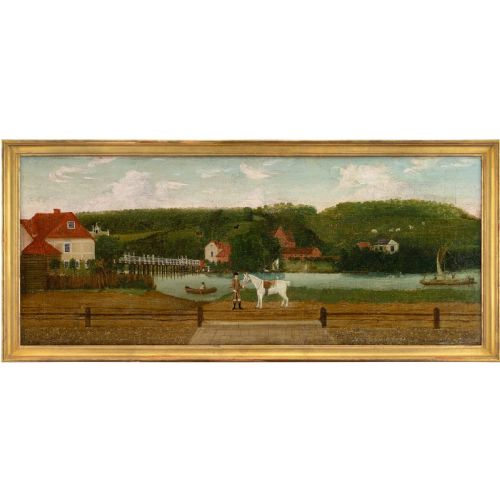
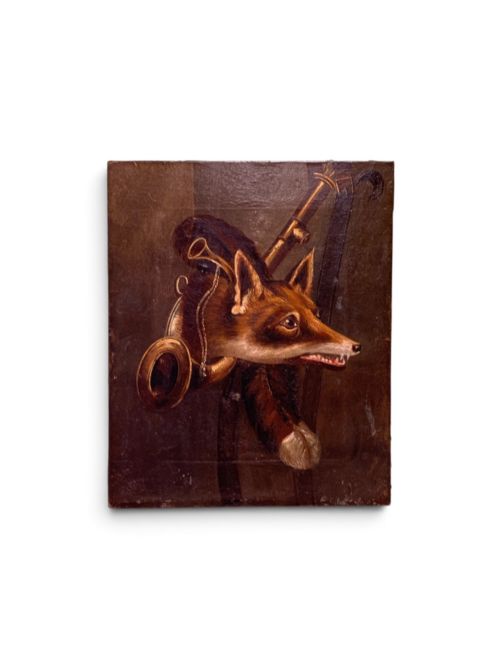
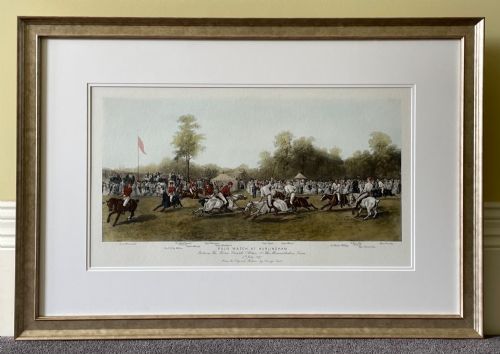
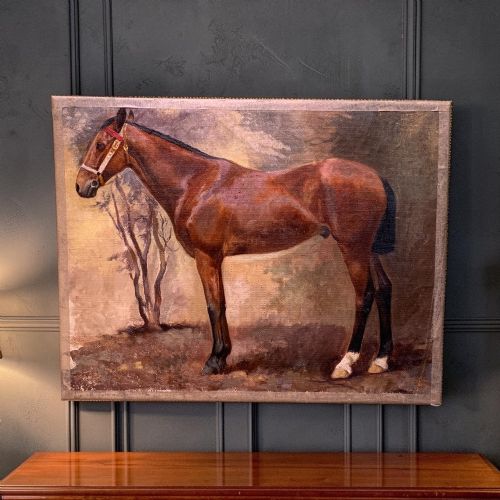
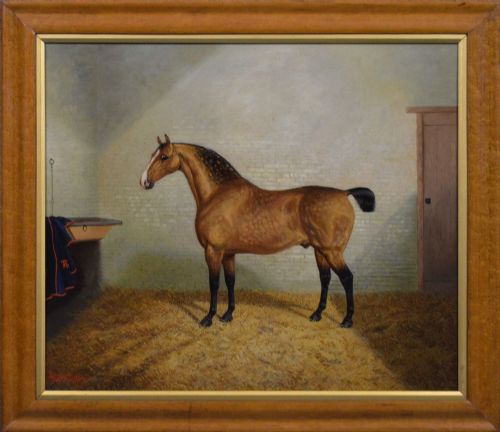
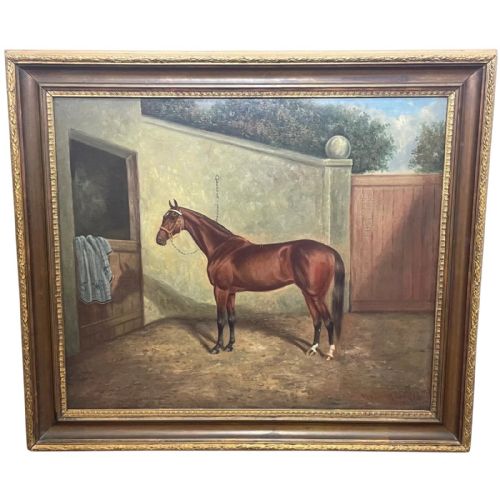
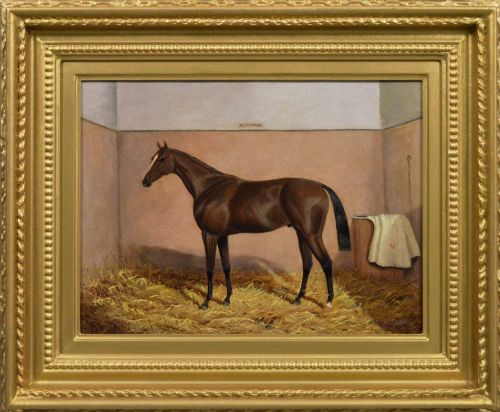
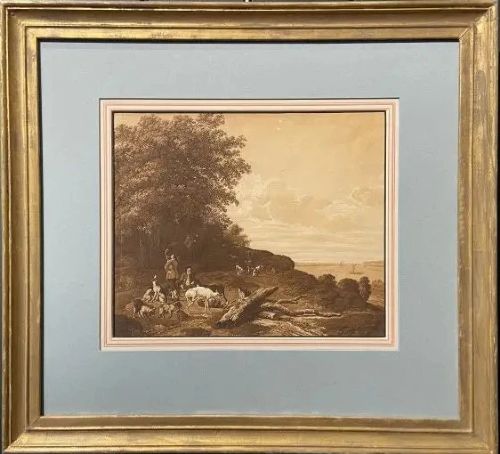
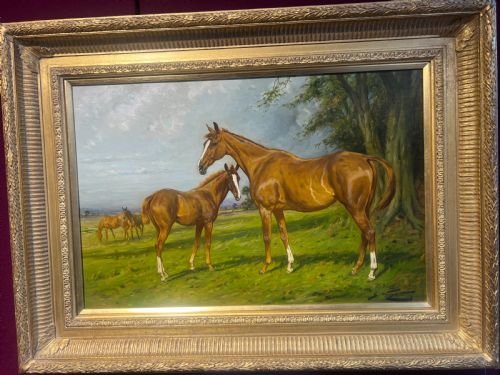
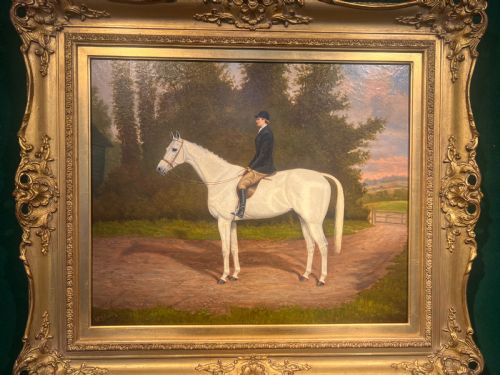
Traditional equestrian art brings together depictions of horses, hunting scenes, racehorses and stable portraits. When browsing traditional equestrian art, a buyer encounters oil paintings on canvas and board alongside framed prints and lithographs.
The pieces span the Georgian, Victorian and Edwardian periods, stretching into the twentieth century. Most works on this page lean towards nineteenth century sporting art and British realisms, showing hunters, racehorses and hounds in oils.
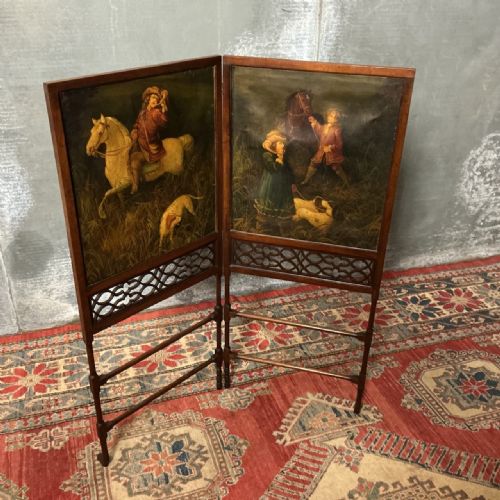
Formats vary from intimate portraits of individual bay or grey horses to expansive hunting scenes and framed screen sets. Collectors find works by named nineteenth and twentieth century animal painters alongside anonymous British school canvases.
Materials and methods
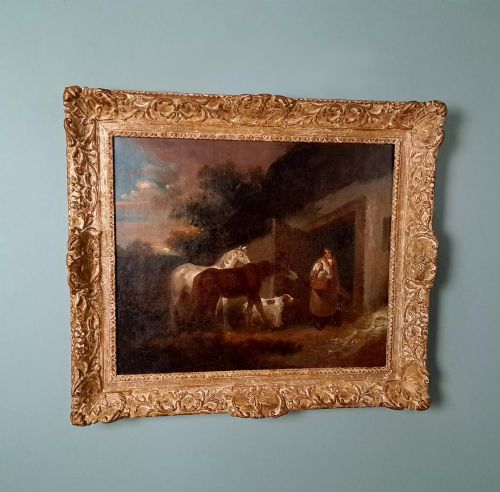
Painters used oil paint on canvas, wood panels and board to render the sheen of horse coats and the textures of leather and landscape. Brushes applied pigment in fine layers to capture the muscular anatomy of hunters and racehorses.
Traditional Equestrian Art Retail Price Guide 2026
Typical asking prices for traditional equestrian art among the pieces listed under this phrase on Sellingantiques today, from the lower quarter to the upper quarter. They describe what is for sale here now, not the wider market.
Several canvases feature named nineteenth century racehorses staring directly outward as if posing for a formal photograph.
What separates works within the range
Quality rests in the anatomical accuracy of the horse, the handling of light across muscle and coat, and the fidelity of the background landscape. Superior brushwork gives depth to horse portraits and movement to galloping hunting scenes.
The presence of a known hand, original canvas or period giltwood framing elevates a piece above standard decorative works. Condition of the paint surface and clarity of lithographic lines dictate the standing of individual items.
William Joseph Shayer Senior·Thomas Smythe·Albert Clark·Frederick Albert Clark·Henry Barraud·C H Weigall·Ernest Payne·John Alfred Wheeler·Thomas Walker Bretland·John Frederick Herring Snr·George Morland·Charles Walter Simpson·John Arthur Lomax
The Traditional Equestrian Art Glossary
- Lithograph
- A planographic print method using stone or metal plates to produce detailed reproductions of original watercolours or drawings.
- Giltwood
- Wood carved and coated with gold leaf, frequently utilised for nineteenth century picture frames.
- Grisette
- A term applied to specific grey horses in equestrian naming and portraiture.
- Aquatint
- A intaglio printmaking technique that produces tonal areas resembling watercolours, seen in sporting portfolios.
Traditional Equestrian Art: Frequently Asked Questions
What subjects appear most often?
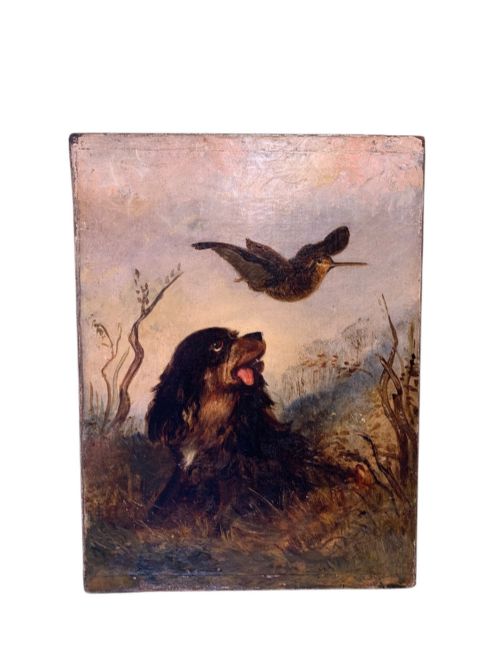
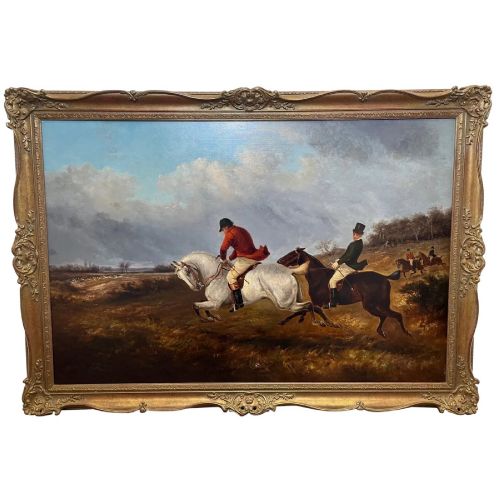
Paintings and prints feature racehorses, hunters in stables, hounds and fox hunting scenes across British landscapes. Portraits of named winners from nineteenth century turf history occur frequently alongside anonymous rural views.
Animals are rendered in oil paint or lithography, often set against open countryside or stable interiors.
How do I identify the period?
Dating relies on canvas preparation, stretcher construction, framing materials and costume details in accompanying figures. Nineteenth century works often carry inscriptions, artist signatures or period framing matching the Victorian era.
Twentieth century pieces display shifts in palette and canvas weights while retaining traditional sporting subject matter.
Where were these pieces displayed?
Original oil paintings hung in country houses, estate libraries and hunting lodges alongside sporting trophies. Framed prints and screen sets decorated Victorian and Edwardian domestic interiors.
Today, these works suit studies, hallways and reception rooms with traditional decor.
How should I care for oil paintings?
Paintings on canvas and board require stable indoor humidity away from direct sunlight and heat sources. Dust should be removed gently from the painted surface and giltwood frames with a soft, dry brush.
Professional conservation avoids chemical cleaners on aged oil paint and nineteenth century varnishes.