


Traditional Entry Light
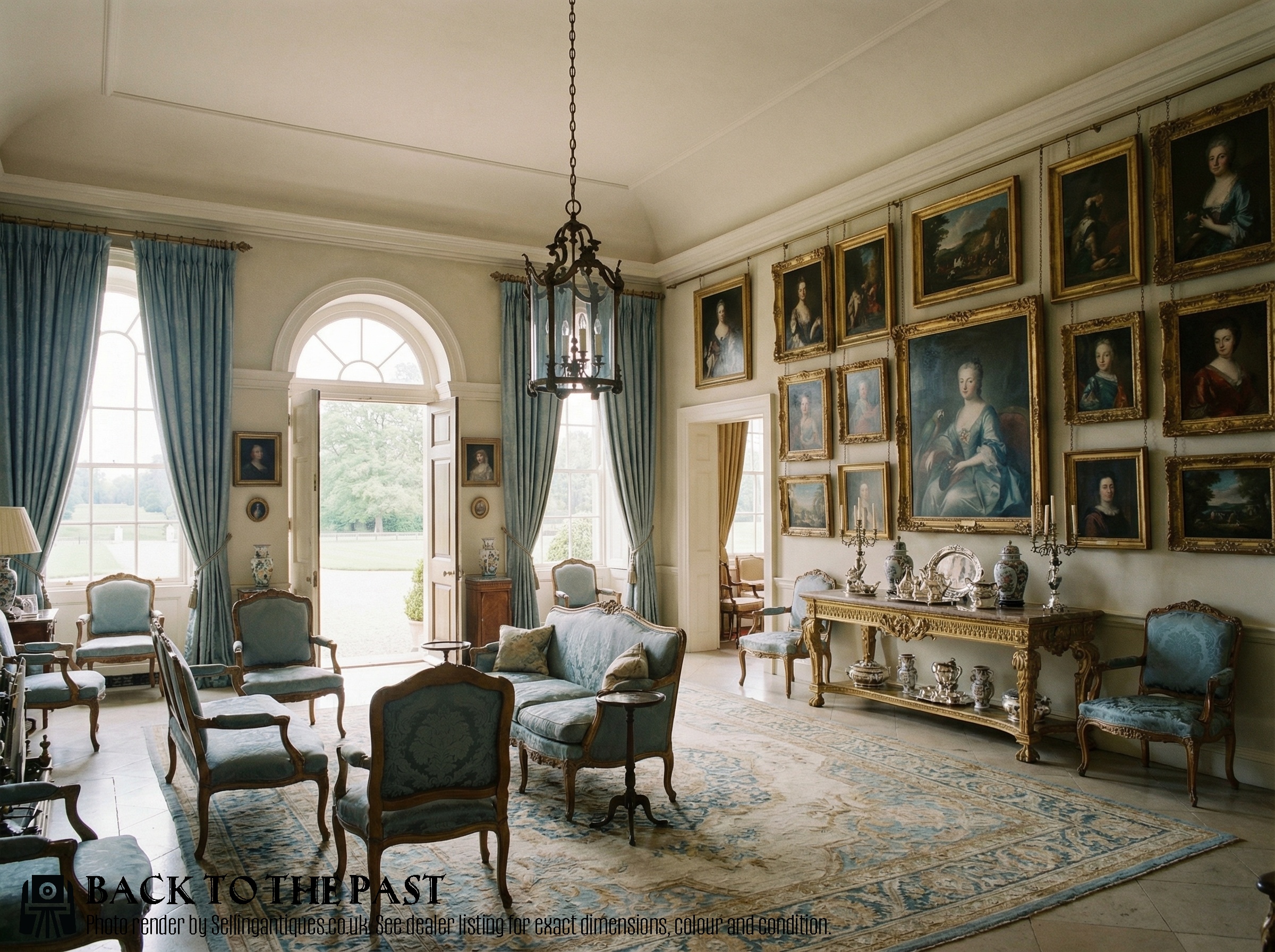
A traditional entry light sets the tone for an entire interior, offering brass and bronze framing paired with glass to illuminate a hallway.
Traditional Entry Light
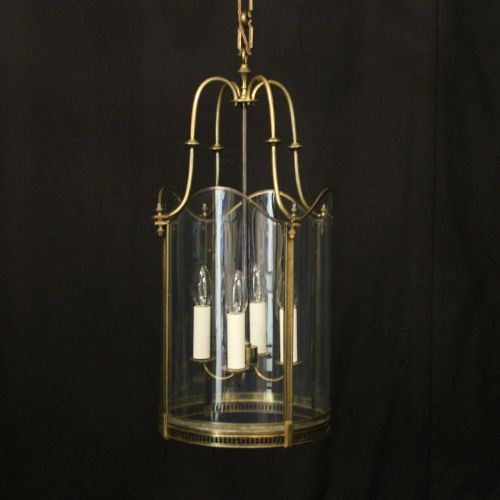
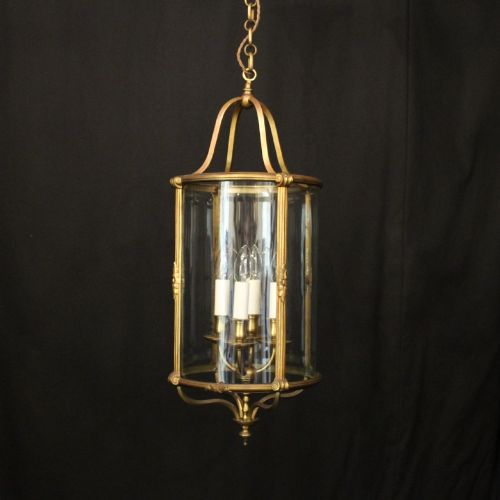
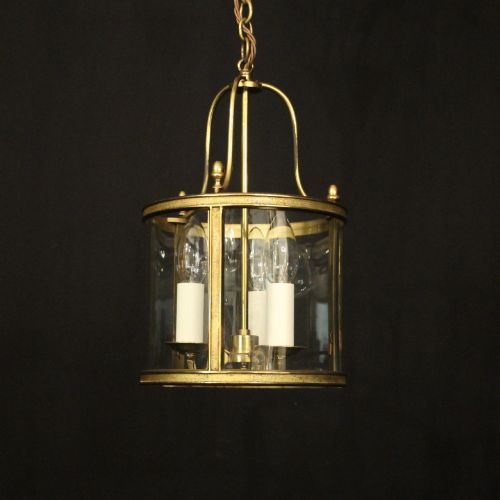
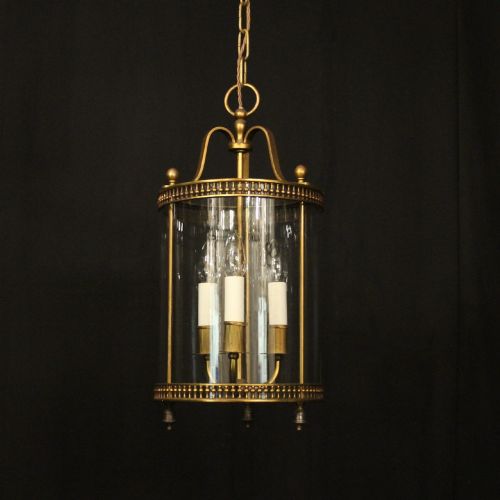
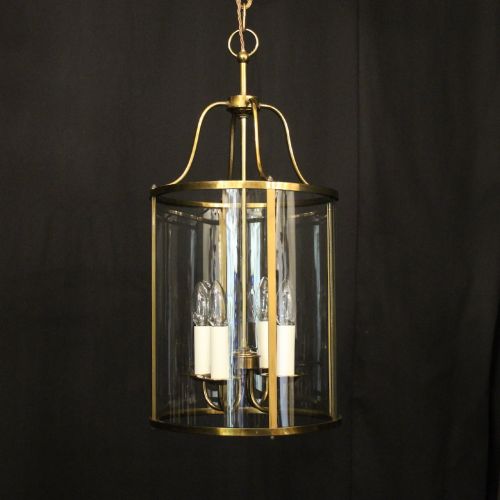
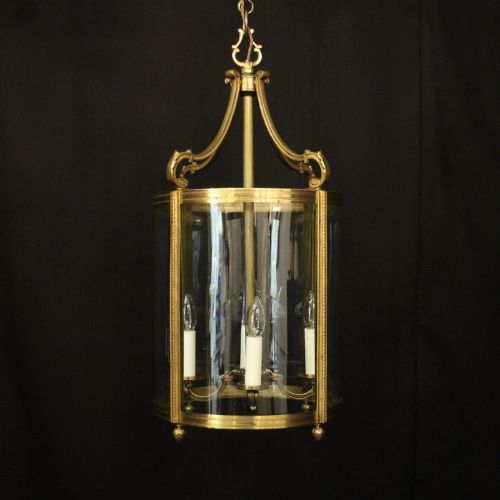
When searching for a traditional entry light, buyers encounter a selection of hanging lanterns, ceiling lights, and wall fixtures designed for hallways and corridors. The most common examples on this page are French hall lanterns dating from the 1920s, alongside English and Italian variants.
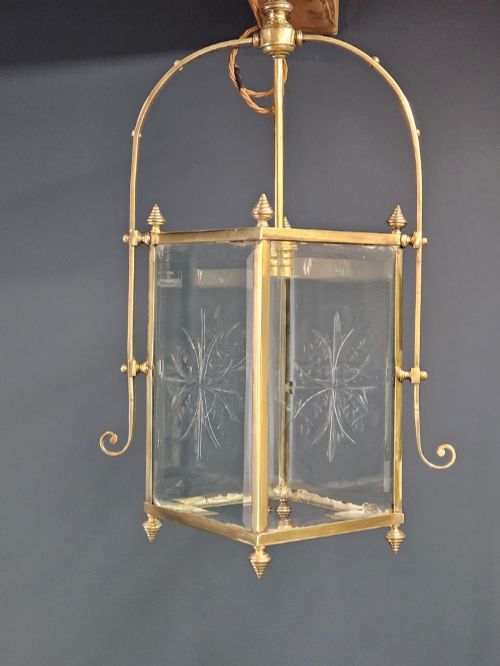
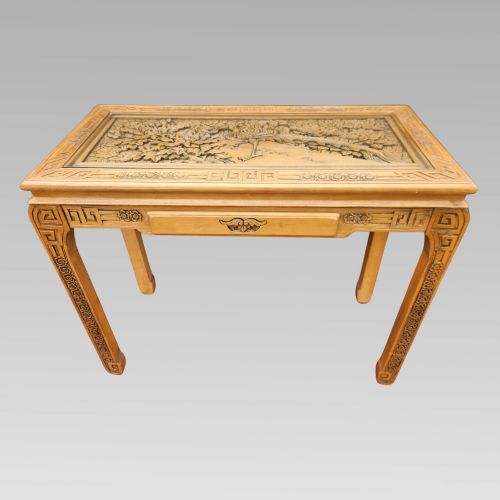
Forms range from convex and octagonal shapes to multi-light configurations suspended from chains. Alongside the dominant hanging lanterns, the listings also include console tables intended for entryways, demonstrating the broader furniture context of the search phrase.
Materials and construction
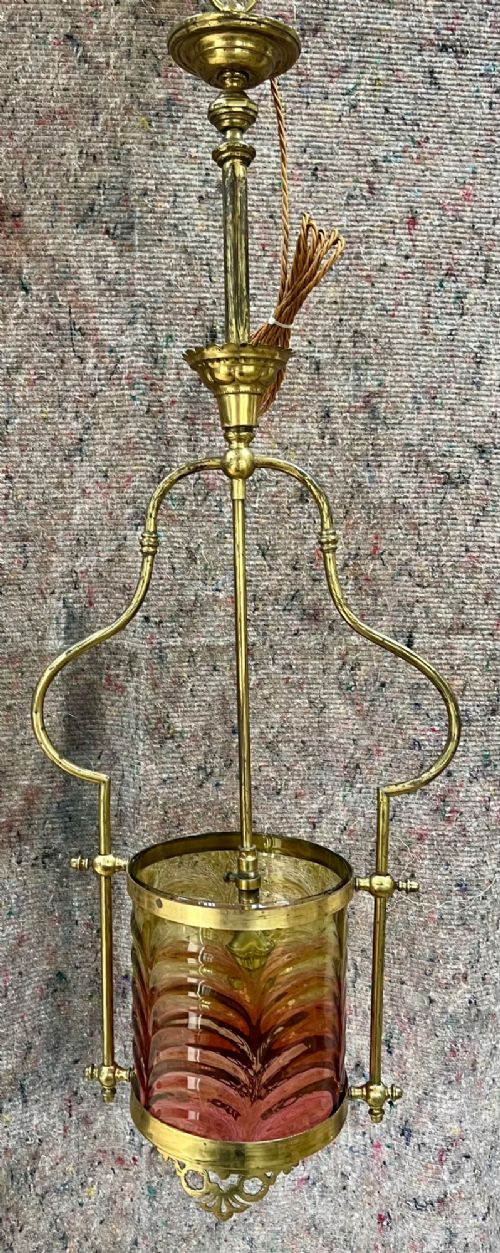
Metalwork forms the backbone of these pieces, utilising brass, gilt brass, gilded bronze, and bronze as structural frames. These metals are often cast or gilded to create decorative finishes that reflect the French Neoclassical, Victorian, and Edwardian styles of their respective periods.
Glass panels are integral to the design, frequently featuring bevelled edges or convex shaping to refract light from internal bulb fittings. The panes are held securely within metal frameworks, combining robust support with transparent or curved surfaces.
Materials across these listings concentrate heavily on bronze, brass, and glass, spanning the nineteenth century and the 1920s and 1930s.
What varies in quality
The refinement of the cast metal mounts and the thickness of the bronze or brass framework distinguish different tiers of quality. Better examples display crisp detailing in the gilded surfaces and substantial metal gauge rather than thin, pressed sheet construction.
Glass selection also marks a difference, with heavy bevelled glass or accurately curved convex panes representing a higher standard than plain, flat alternatives. The integration of multi-light internal clusters rather than simple single bulb fittings further separates standard items from superior pieces.
The Traditional Entry Light Glossary
- Convex glass
- Curved glass panels that project outward, designed to soften and diffuse light while adding depth to the lantern silhouette.
- Gilded bronze
- Bronze metal treated with a thin layer of gold leaf or gilt finish, providing a durable and decorative metallic sheen.
- Bevelled glass
- Glass panes with angled edges cut around the perimeter, creating prismatic light effects when illuminated.
- Hall lantern
- A ceiling-hung lighting fixture specifically scaled and proportioned for entrance halls and corridors.
Traditional Entry Light: Frequently Asked Questions
How do I hang a hall lantern?
These lanterns typically suspend from a ceiling hook using a matching chain and ceiling rose. The weight of the bronze or brass frame dictates the need for secure fixing into ceiling joists.
Electric wiring runs down through the hanging chain to internal lamp holders. Professional installation ensures the fixture hangs at the correct height for the entryway clearance.
What periods do these lanterns date from?
The pieces span the nineteenth century through to the 1930s, encompassing Victorian, Edwardian, and early twentieth-century designs. French styles from the 1920s and 1930s dominate the current selection.
Identifying periods relies on stylistic cues such as neoclassical motifs, metal patination, and the specific construction of the glass frames.
Are these lights suitable for low ceilings?
Most hanging lanterns utilise a chain suspension that can be shortened to accommodate standard ceiling heights. Flush ceiling lights and wall lanterns provide alternative options when hanging space is limited.
Careful measurement of the entryway ensures the lantern clears head height while remaining visually balanced within the space.
How do I clean gilded bronze?
Gilded surfaces require gentle dusting with a soft, dry cloth to prevent abrasion of the delicate metal finish. Water and chemical cleaners should be avoided to protect the underlying gilding.
Glass panels can be removed or wiped clean with standard glass cleaner applied to a cloth rather than sprayed directly onto the metal.