


English Lantern
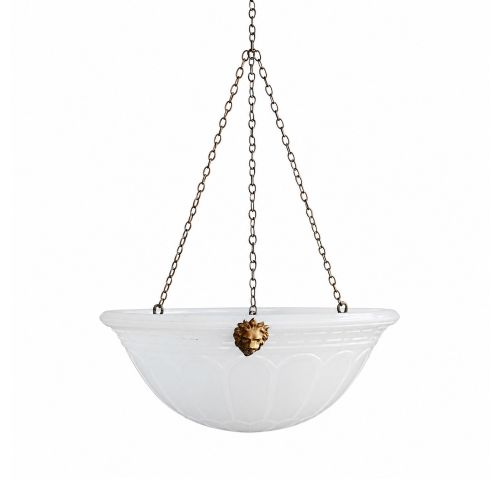
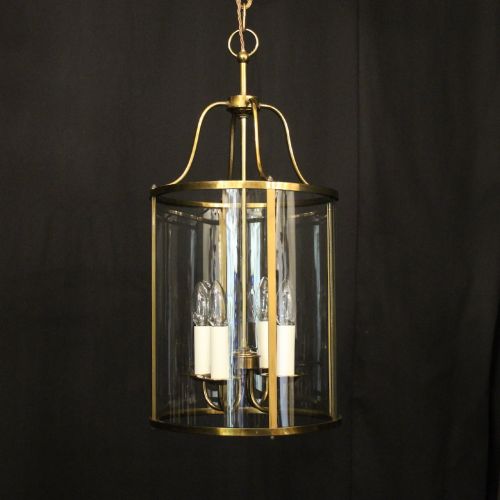
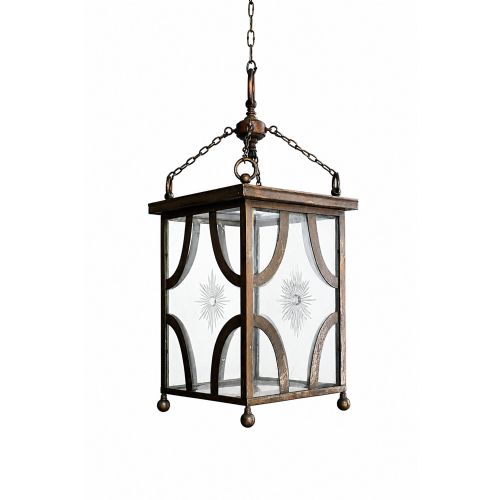
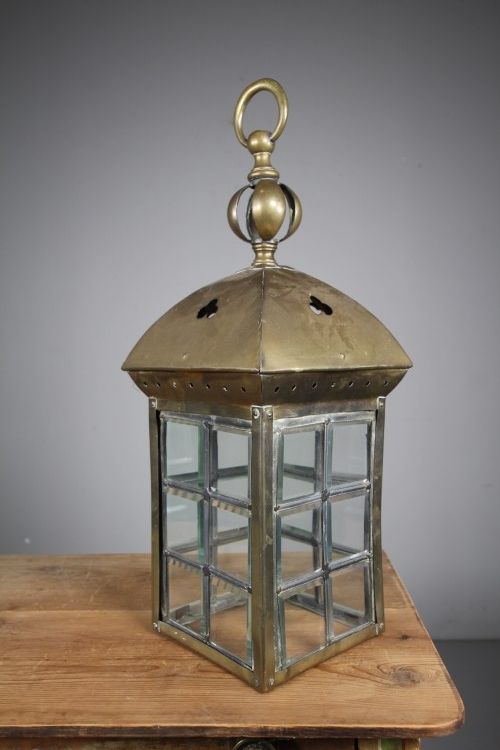
An English antique lantern brings both heavy domestic ironwork and refined brass hall lighting into a room.
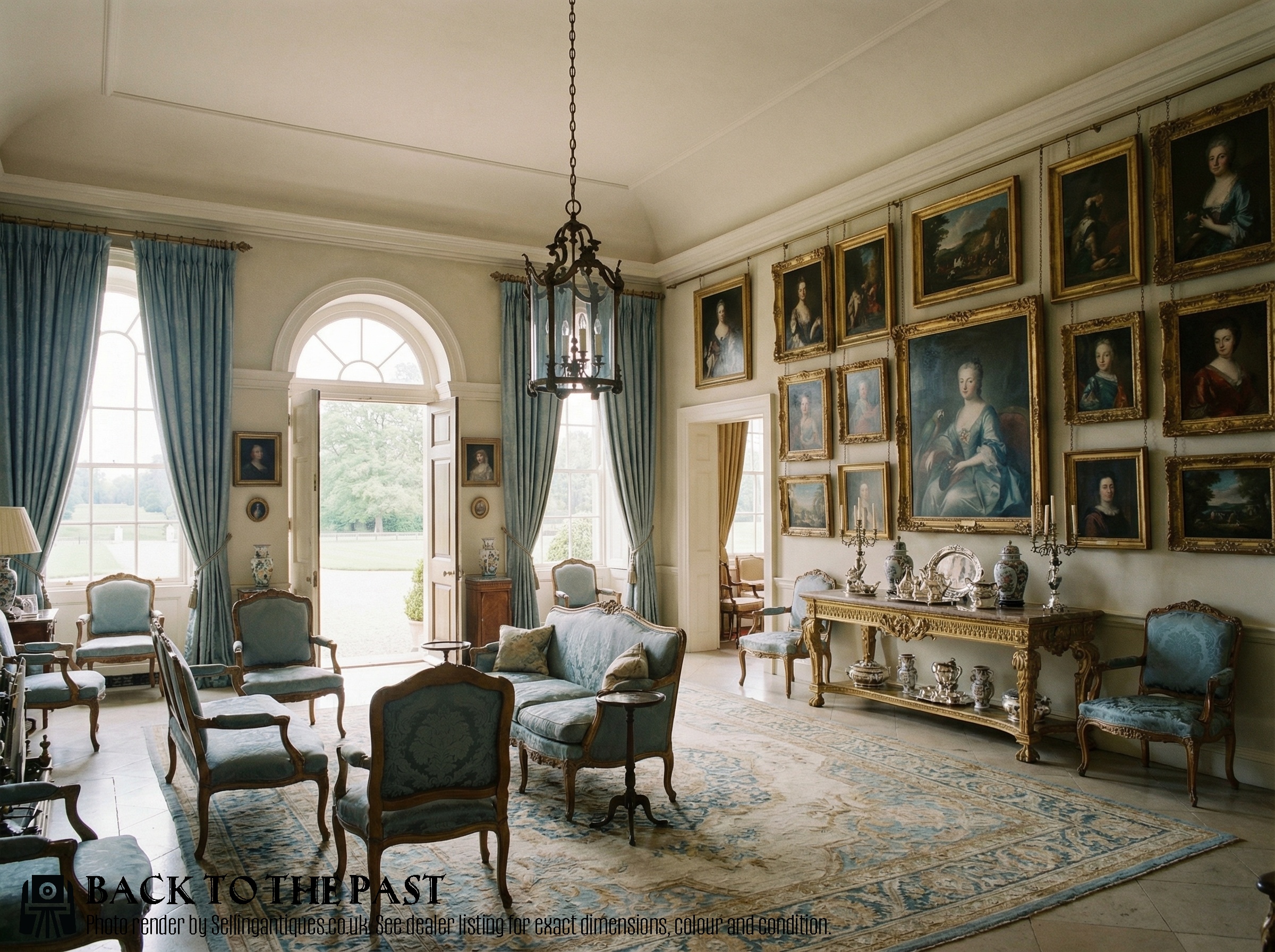
English Lantern
When searching for an english antique lantern, you encounter pieces that span centuries of domestic and civic illumination, ranging from brass hall fixtures to iron wall mountings.
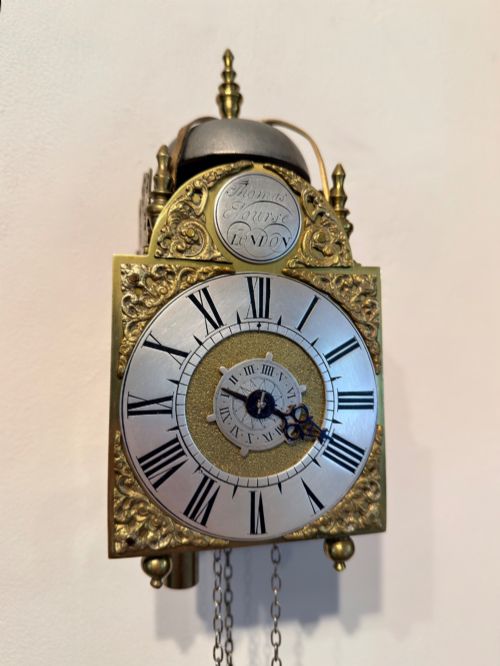
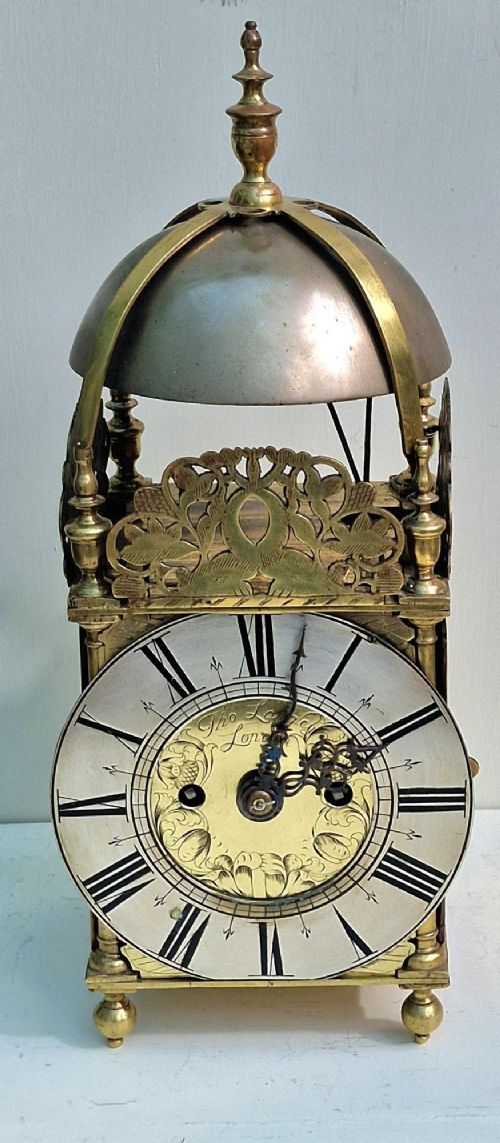
The selections here frequently comprise hall lanterns in brass, copper, and bronze alongside freestanding or wall-hung lantern clocks dating back to the seventeenth century.
Origins include provincial English workshops as well as London makers, reflecting styles from Gothic Revival to Edwardian design.
Materials and Construction
Metalwork forms the structural core, utilising cast brass, wrought iron, copper, and gilded bronze shaped by hand and machine.
Panels of clear, convex, or cut glass enclose the light source, held securely within metal frames and mounts.
Listings span periods from the 17th century through the Edwardian era, featuring brass, copper, iron, and glass.
Quality Variations
Quality rests upon the crispness of the casting, the weight of the metal, and the integrity of the original mounts and glass panels.
Pieces bearing distinct signatures from known clockmakers or featuring elaborate guild work display a higher level of craftsmanship than standard utilitarian examples.
Thomas Langley·John Spershott·Windmills And Bennet·Samuel Tinham·Peter Closon·John Waller·James Ogden Senior·William Barrow·William Clement
The English Lantern Glossary
- Verge escapement
- A type of mechanism used in early clocks to regulate time by controlling the rotation of the escape wheel. It represents one of the earliest forms of escapement technology found in period lantern clocks.
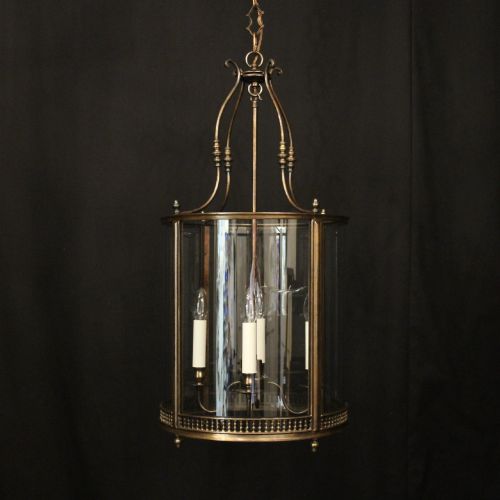
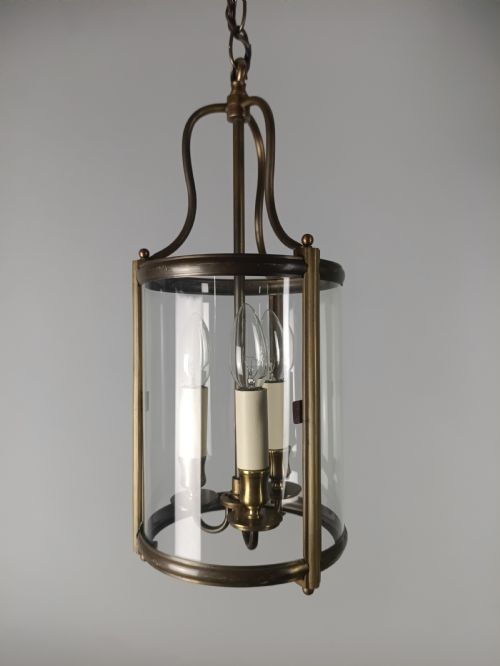
- Hall lantern
- A hanging light fixture designed specifically for entranceways and corridors. These fixtures usually feature glass panels encased in brass, bronze, or copper frames.
- Gilded bronze
- Bronze metal treated with a thin layer of gold leaf or gold paint to give a lustrous finish. This material appears frequently in grand interior lighting.
- Lantern clock
- A brass weight-driven clock designed to hang on a wall or stand on small feet. They date predominantly from the seventeenth and eighteenth centuries.
- Twin fusee
- A clock movement driven by two spring barrels connected via chains or cords to fusees, ensuring even power delivery. This mechanism often drives striking trains.
English Lantern: Frequently Asked Questions
What is an english antique lantern?
An english antique lantern is a historic lighting fixture or timepiece, encompassing brass hall pendants, copper wall mounts, and seventeenth-century brass chamber clocks.
These pieces reflect domestic illumination and timekeeping across multiple decorative periods, utilising metals like bronze, iron, and brass alongside glass panels.
How do I date an antique lantern?
Dating relies on examining the metal composition, the style of the glass, and the mechanical elements if the piece is a clock. Earlier examples from the seventeenth century often feature iron or brass frames with distinct regional signatures.
Later Victorian and Edwardian pieces incorporate machine-rolled glass, clearer casting marks, and stylistic revivals such as Gothic or Art Deco motifs.
Are lantern clocks working clocks?
Many period lantern clocks retain their original movements, such as verge escapements, and function when properly wound and maintained. Some examples include striking trains or alarms.
Inspect the movement details in the listing to determine the operational state of individual timepieces.