



Traditional Entry Hall Light
A traditional entry hall light sets the tone for an entire home, offering guests their first warm glimpse of period character.
Traditional Entry Hall Light
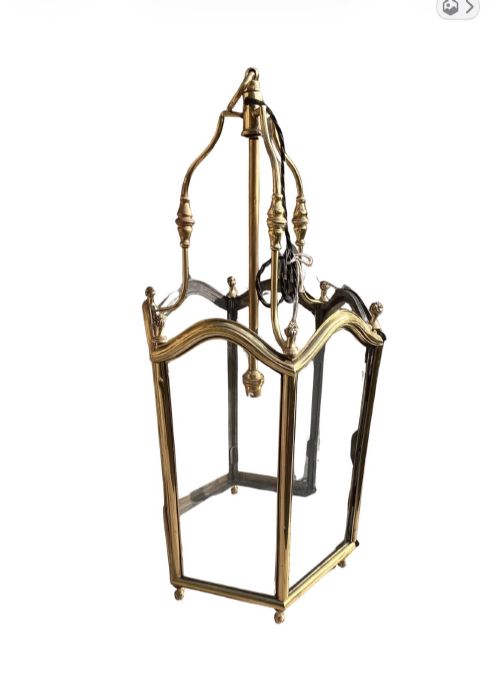
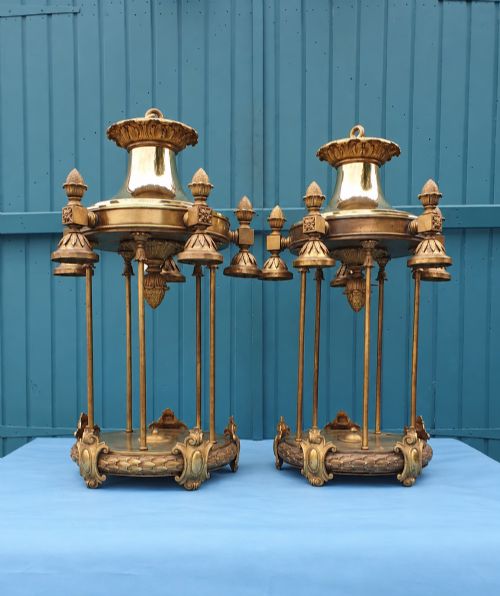
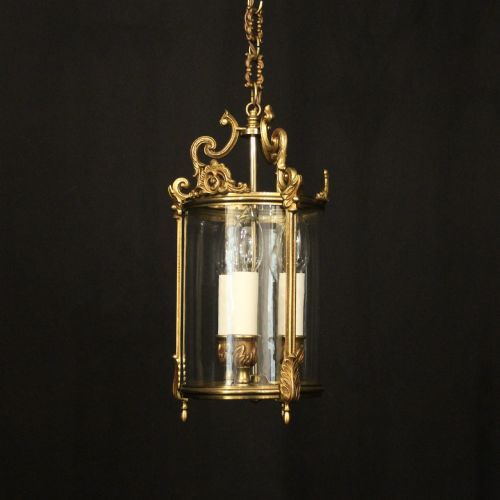
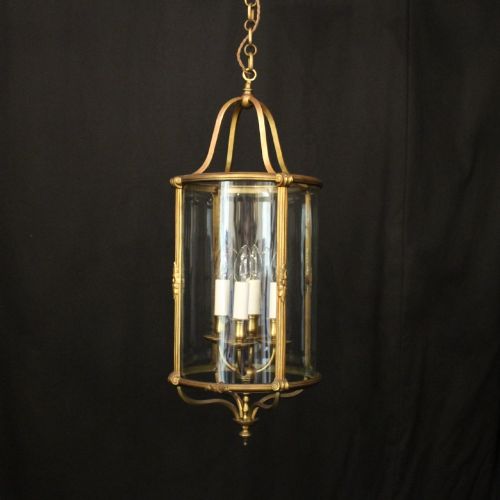
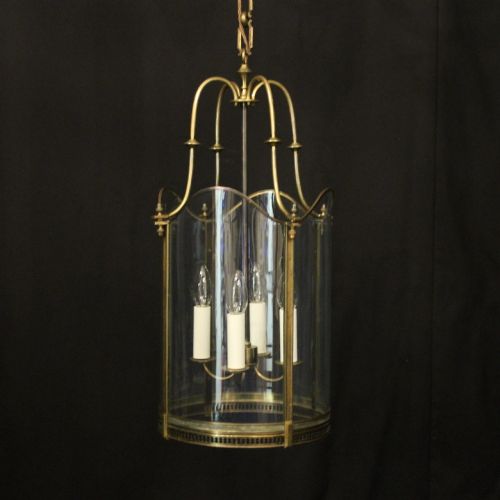
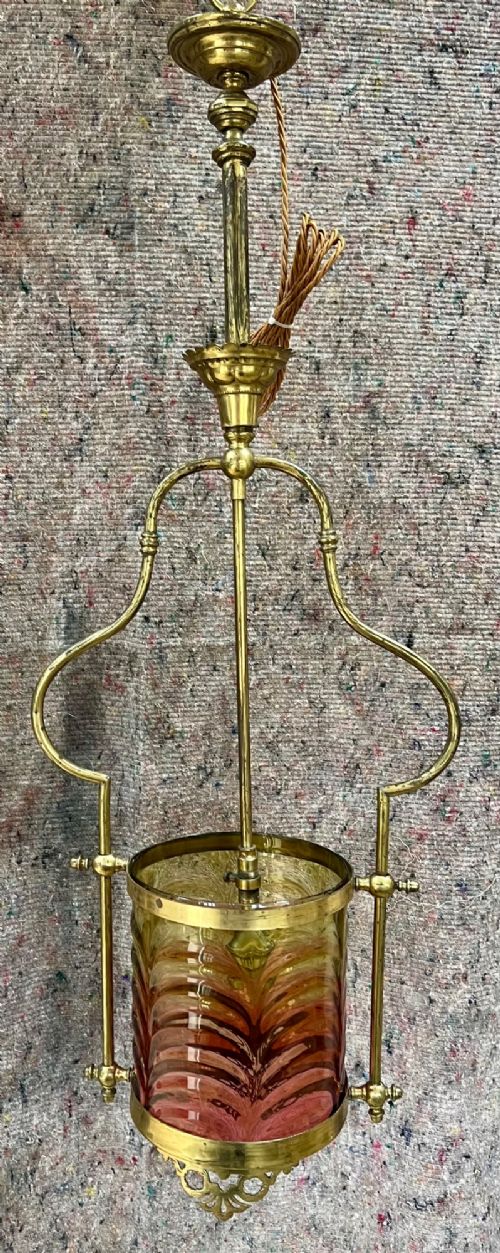
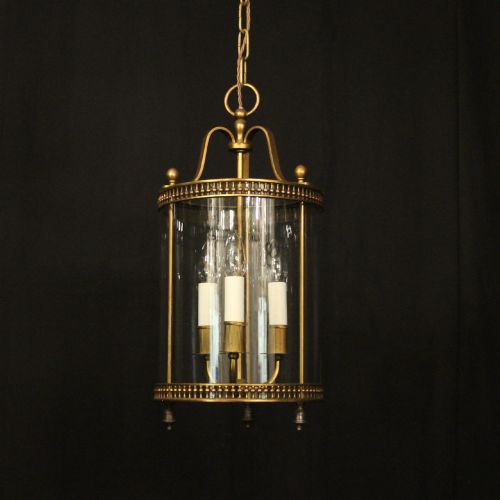
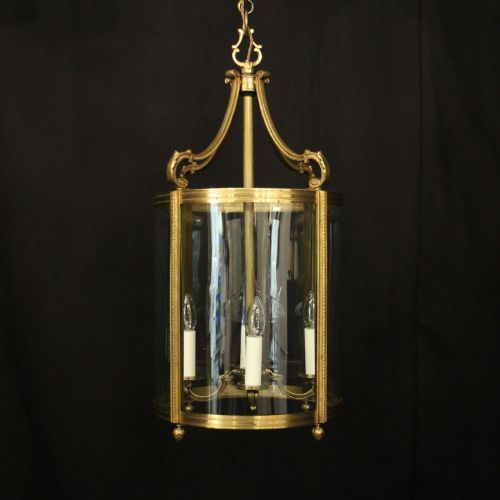
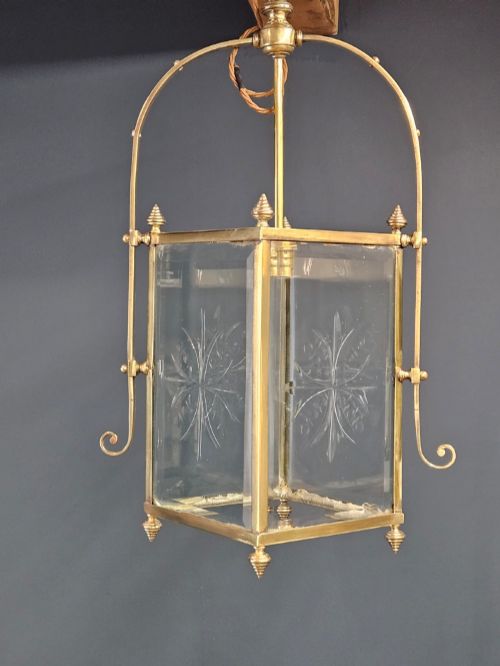
A traditional entry hall light functions as the primary ceiling fixture in a corridor, vestibule, or reception space, welcoming visitors with purposeful illumination. These pieces predominantly take the form of hall lanterns, hanging pendants, and ceiling lights designed to fit overhead without blocking passage.
The selection here draws heavily from the early twentieth century, the Edwardian era, and the nineteenth century, reflecting domestic lighting needs of those periods. French designs, particularly French chateau and neoclassical styles, dominate alongside English and Italian examples.
Distinctions in craftsmanship
The weight and thickness of the cast bronze or brass framework distinguish heavier, more durable lanterns from lighter alternatives. Superior castings feature crisp decorative mountings, substantial suspension loops, and tight joints.
The use of bevelled glass rather than flat, thin panes elevates a piece, requiring skilled cutting and polishing to create refracted light patterns. Surface finishes such as fire-gilding or original patination retain depth and character that modern plating cannot replicate.
Traditional Entry Hall Light Retail Price Guide 2026
Typical asking prices for traditional entry hall light among the pieces listed under this phrase on Sellingantiques today, from the lower quarter to the upper quarter. They describe what is for sale here now, not the wider market.
Convex glass panels were originally shaped so candle flames inside would catch the curves and wink at visitors walking down the corridor.
The Traditional Entry Hall Light Glossary
- Hall lantern
- A ceiling-suspended light fixture enclosed on the sides with glass panels, specifically proportioned for narrow spaces like hallways and vestibules. They project downward illumination while shielding the light source.
- Bevelled glass
- Glass panes featuring an angled edge ground and polished around the perimeter. This technique refracts light into spectral colours and adds substantial weight to the panel.
- Gilt bronze
- Bronze metal treated with a thin layer of gold or gold-colored alloy applied by fire-gilding or leaf. It yields a warm, enduring golden sheen that resists tarnishing over decades.
- Convex lantern
- A hanging light featuring curved glass panes that bulge outward from the frame. This shape disperses light across a wider angle than flat-sided alternatives.
- Neoclassical style
- A decorative movement drawing inspiration from classical antiquity, featuring symmetrical lines, urn motifs, and restrained floral detailing.
Traditional Entry Hall Light: Frequently Asked Questions
How do I hang a heavy bronze hall lantern safely?
Hanging a heavy bronze or brass lantern requires securing the suspension hook directly into a ceiling joist or wooden noggin rather than relying solely on plasterboard. A licensed electrician should verify that the ceiling box and wiring can support the combined weight of the metal frame and thick glass panels.
Adjust the suspension chain to position the bottom of the lantern at least seven feet above the floor, ensuring clearance for walking and opening doors below. Use matching ceiling roses and sturdy links to maintain the historical appearance of the installation.
How do I clean brass and glass on an antique light?
Clean the glass panels by removing them from the frame if possible, or by wiping them gently with a soft cloth dampened in a mild solution of warm water and washing-up liquid. Avoid harsh ammonia-based glass cleaners that can damage aged metal finishes or old lacquers.
Dust the bronze or brass framework with a dry, soft bristle brush rather than using metal polishes, which can strip away the desirable historic patina. Preserving the natural darkening of the metal maintains the authenticity of the piece.
Can these antique lights use modern electrical bulbs?
Most antique lanterns have been rewired with modern lamp holders to accommodate standard screw or bayonet LED bulbs safely. Electricians can easily adapt older multi-light clusters to suit current household voltage while retaining the original internal wiring channels.
Choose warm white LED bulbs with low heat emission to protect the antique glass and metal components from thermal stress over prolonged periods of use.