


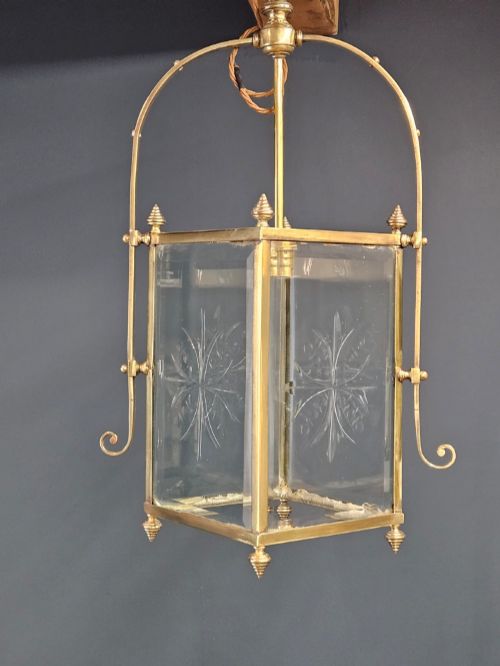
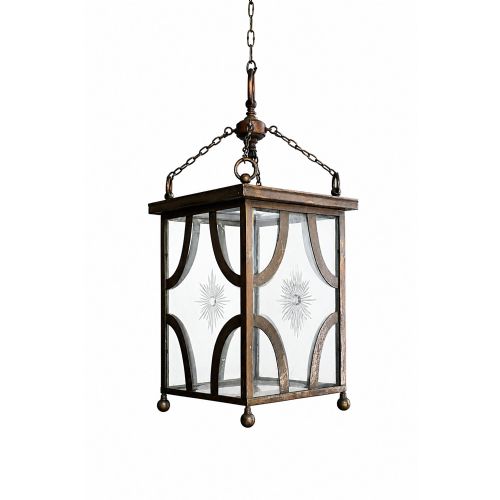


Etched Glass Light Fixture
An etched glass light fixture brings a diffused, decorative radiance to a hallway or ceiling using period brass, copper, and crystal.
Etched Glass Light Fixture
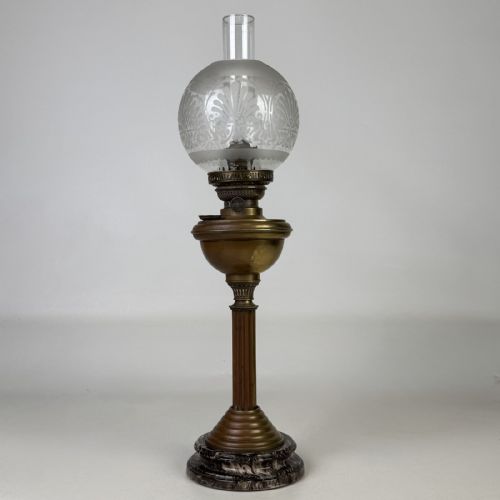
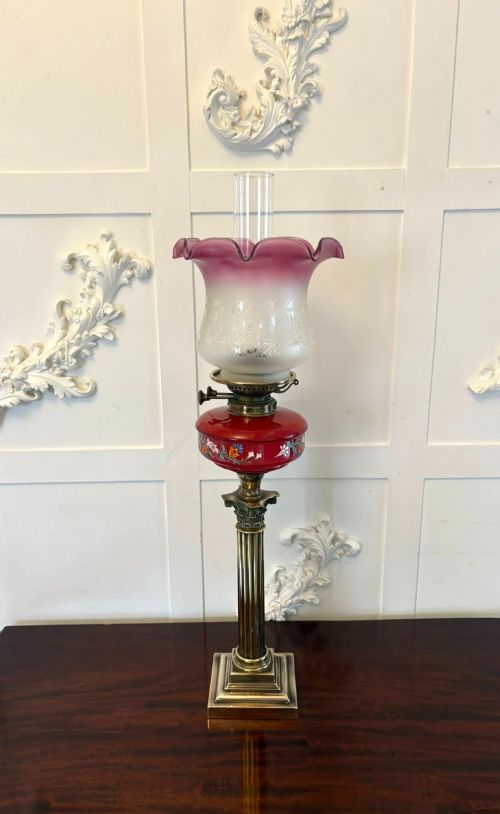
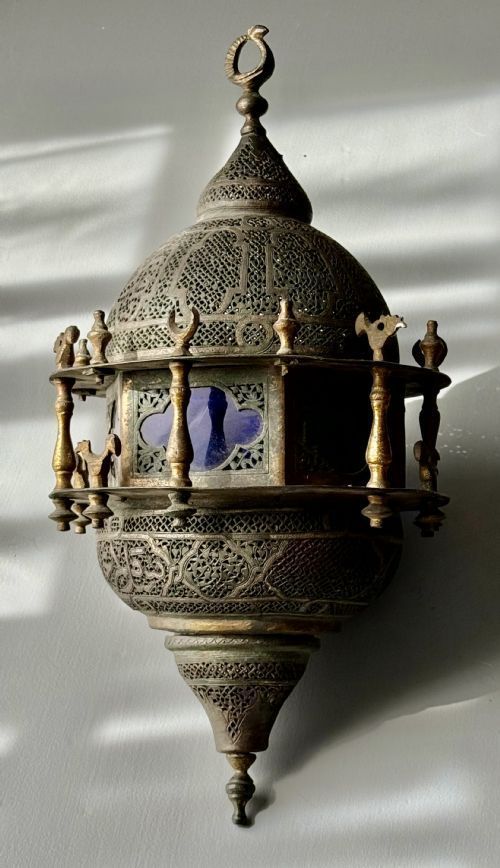
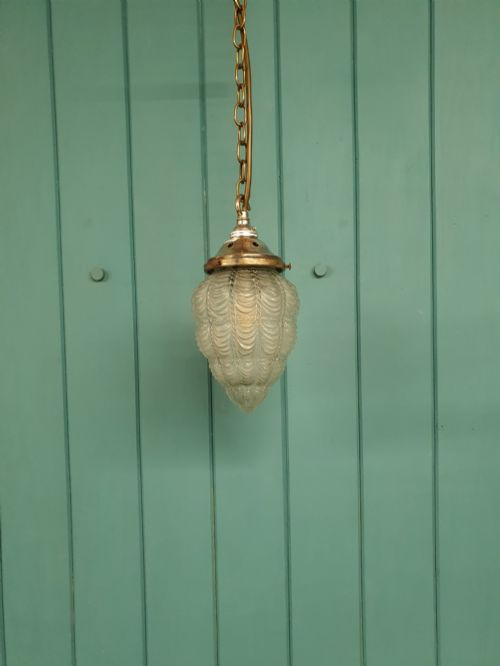
When you search for an etched glass light fixture, you encounter hanging lanterns, chandeliers, ceiling lights, and converted oil lamps spanning from the Victorian era through the 1930s. The selection on this page relies heavily on brass and copper framing paired with glass panels or bowls, often designed for halls and principal rooms.
The most common forms you will meet are hallway lanterns and pendant lights framed in brass, housing glass that ranges from simple frosted panels to decorative surface etching. Many examples originate from Victorian and Edwardian periods, alongside later Arts and Crafts and Art Deco designs that emphasise geometric or botanical motifs.
These fixtures serve both functional illumination and decorative presence, adapting easily to period interiors and modern spaces alike. The grouping bridges multiple stylistic revivals, including Gothic and Dutch Colonial influences, reflecting how domestic lighting evolved from candles and oil to electricity.
What varies in quality
Quality reveals itself in the weight and thickness of the brass or copper framing and the depth of the metal casting. Substantial mounts, crisp chased details, and heavy structural gauge separate superior hall lanterns and chandeliers from lighter commercial productions.
The clarity, thickness, and hand-finishing of the glass panels dictate the optical performance of the fixture. Deeply etched patterns and heavy cut crystal or pressed glass exhibit greater light diffusion and material substance than thin, plain panes.
Etched Glass Light Fixture Retail Price Guide 2026
Typical asking prices for etched glass light fixture among the pieces listed under this phrase on Sellingantiques today, from the lower quarter to the upper quarter. They describe what is for sale here now, not the wider market.
The Etched Glass Light Fixture Glossary
- Hall lantern
- A ceiling-hung lighting fixture enclosed in glass panels, historically designed to illuminate entryways and stairwells. These often feature brass or copper frames with hinged access doors.
- Etched glass
- Glass decorated by applying an acidic substance or abrasive tool to create frosted patterns on the surface. This technique softens the glare of internal bulbs while displaying ornamental designs.
- Chandelier
- A branched ornamental light fixture suspended from the ceiling, holding multiple light sources. Period examples frequently incorporate crystal drops, bowls, and brass arms.
- Oil lamp
- A lighting device that burns liquid fuel via a wick, which collectors and decorators frequently convert into electrical table or desk lamps. Many feature heavy brass reservoirs and glass shades.
- Arts and Crafts
- A design movement prioritising traditional craftsmanship and simple forms over mass-produced ornamentation. Fixtures from this style often utilise honest metalwork and subtle glass textures.
- Art Deco
- A style characterised by sleek geometric shapes, stylised motifs, and modern industrial materials popular during the early twentieth century. Ceiling domes and geometric shades typify this period.
Etched Glass Light Fixture: Frequently Asked Questions
How do I hang a heavy hall lantern?
Heavy brass and copper hall lanterns require direct anchoring to ceiling joists using a rated mounting hook or electrical box. Professional installation ensures the structural weight is supported safely without straining the wiring.
Because many period fixtures were originally wired or lit by other means, an electrician should inspect the internal components and secure the hanging chain properly.
Can I use modern LED bulbs in these fixtures?
Modern LED bulbs work well in antique glass fixtures because they generate significantly less heat than traditional incandescent lamps. This protects fragile vintage glass panels and historical soldered joints from thermal stress.
Choose warm white LED bulbs to replicate the softer glow associated with period oil and gas lighting.
How do I clean etched glass panels safely?
Clean etched glass panels using a soft microfiber cloth and a mild soapy solution, avoiding harsh abrasive pads that can scratch the frosted surface. Remove the glass panels from the metal frame if the fixings allow for safer handling.
Dry the glass thoroughly before reassembling to prevent water spots from forming on the decorative etching.
How do I identify a Victorian lantern?
Victorian lanterns typically feature heavier brass casting, darker patination, and often show structural evidence of conversion from candles or paraffin oil. Common stylistic indicators include Gothic revival motifs, heavy brass frames, and thick blown glass panels.
Examining the construction methods, such as hand-cut screws and soldered joints, helps distinguish mid to late nineteenth-century pieces from later reproductions.