



Vintage Brass Porch Lantern
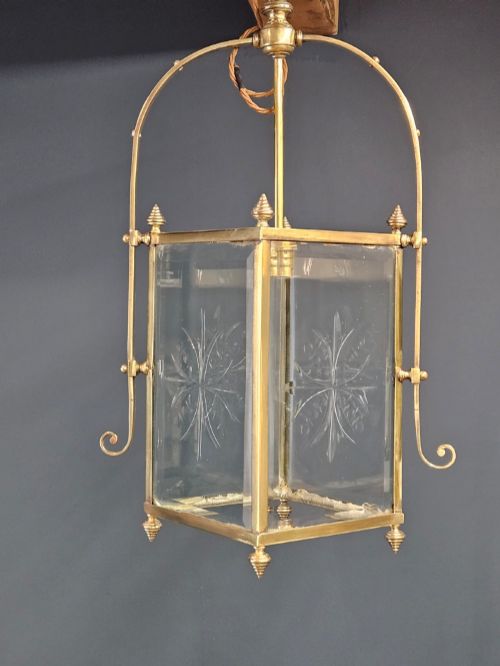
A vintage brass porch lantern brings genuine character and welcoming light to an entrance, drawing on Edwardian, Victorian, and Arts and Crafts forms.
Vintage Brass Porch Lantern
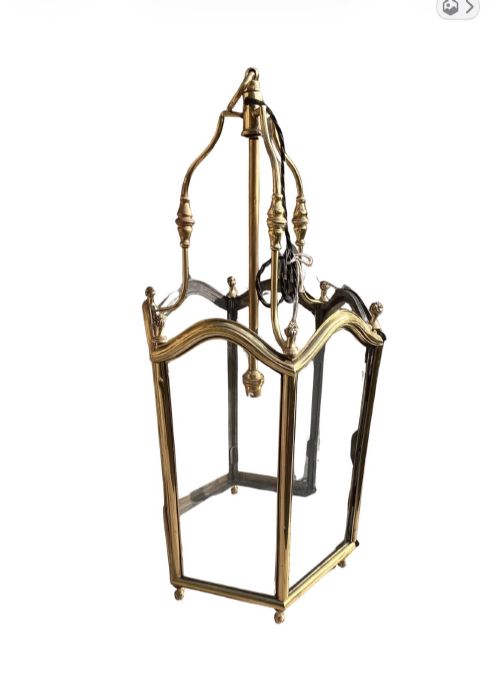
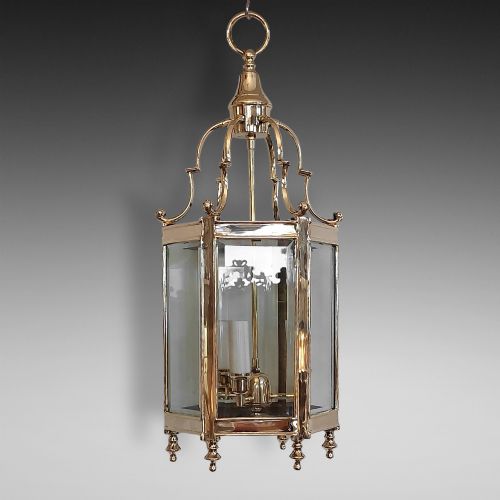
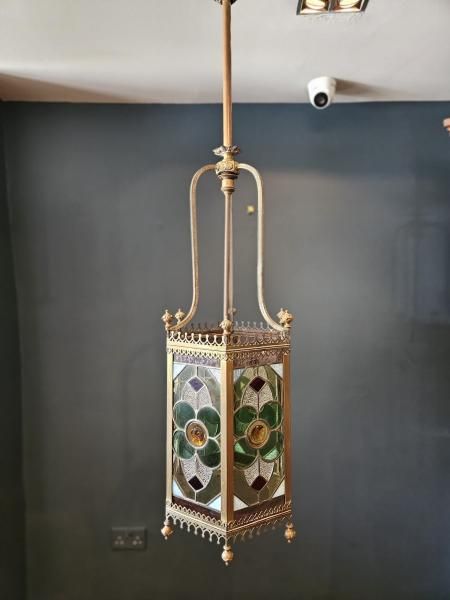
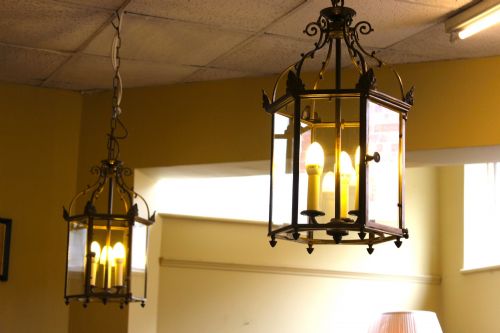
When searching for a vintage brass porch lantern, buyers encounter hall lanterns, pendant lights, and wall sconces spanning the Victorian, Edwardian, and Art Deco periods. These exterior and entryway fittings combine sturdy metal framing with glass panels to illuminate thresholds and hallways.
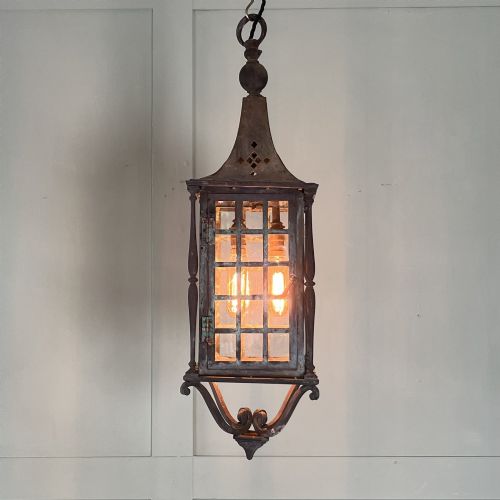
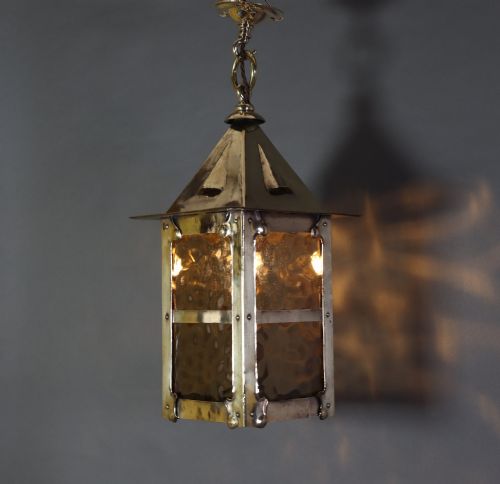
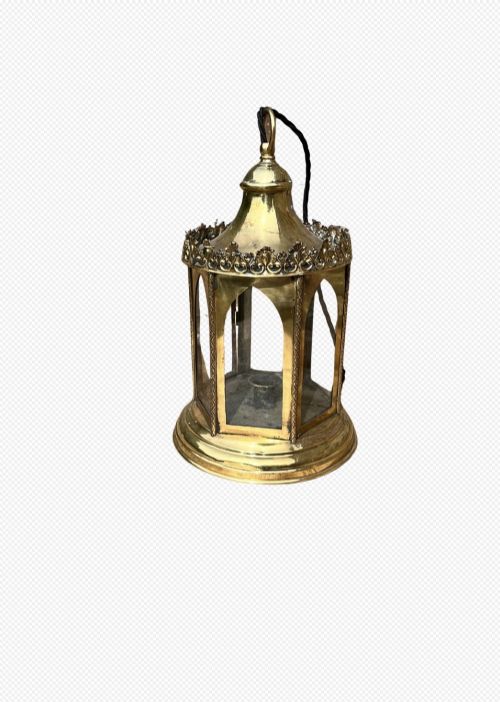
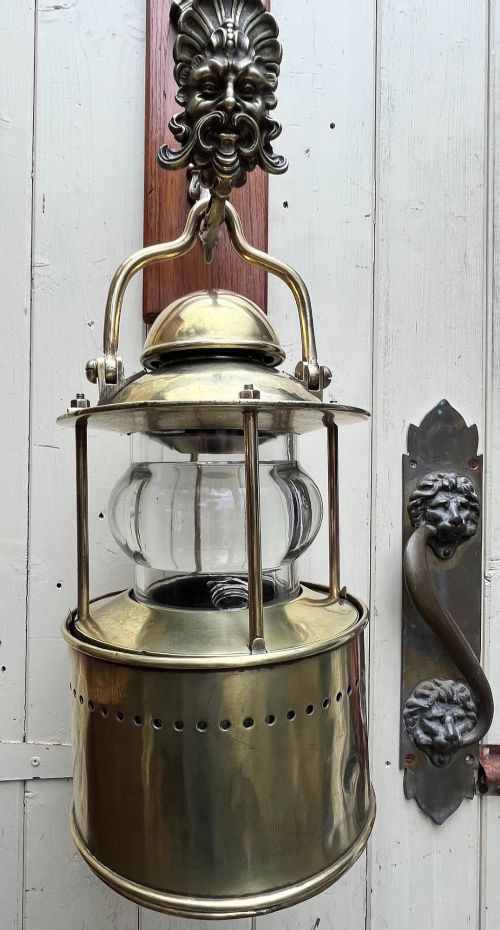
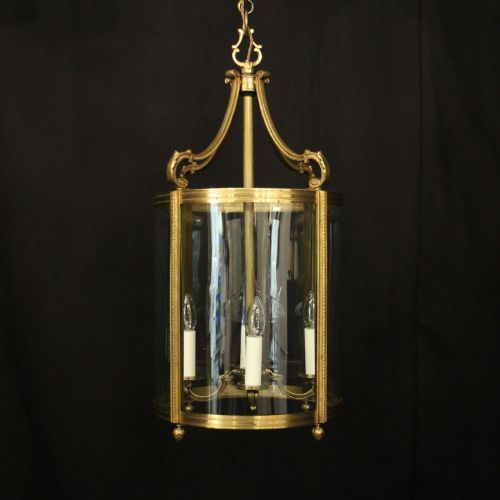
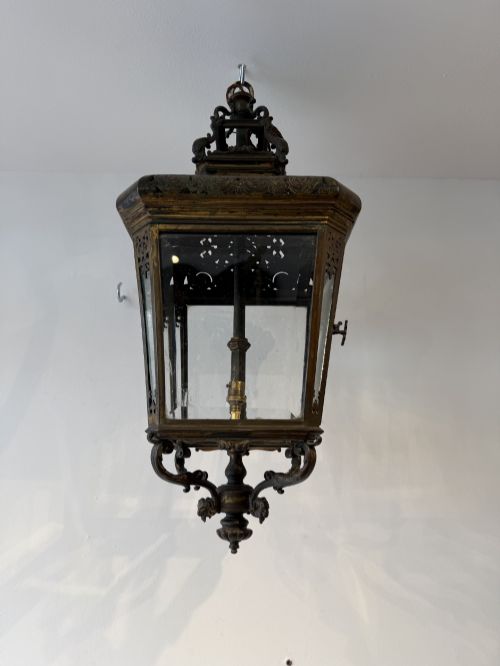
The selections on this page lean heavily towards Edwardian and early twentieth-century designs, alongside Victorian Gothic pieces and French bronze models. Forms range from hexagonal and rounded pendants to carriage lights and wall-mounted half lanterns.
Materials extend beyond standard yellow metal to include copper, bronze, lead, and leaded or stained glass inserts. Buyers find both single-light drops and larger multi-light fixtures suited to period properties.
How they were made
Maker workshops utilised sheet brass and copper, shaping the metal by hand and joining structural components with rivets or solder. Frames frequently incorporated leaded or stained glass panels, held securely within the metal armature.
Casting techniques produced heavier bronze and brass elements, particularly on French antique hall lanterns and carriage lights. Surfaces were sometimes gilded or left to develop a natural metallic patina over decades of exposure.
Vintage Brass Porch Lantern Retail Price Guide 2026
Typical asking prices for vintage brass porch lantern among the pieces listed under this phrase on Sellingantiques today, from the lower quarter to the upper quarter. They describe what is for sale here now, not the wider market.
Listings span multiple decades from the Victorian era through the 1930s, featuring brass, copper, bronze, and leaded glass materials.
What varies in quality
Quality rests in the substantial weight of the metal frame and the integrity of the soldered joints holding the glass. Heavier gauges of brass and copper ensure structural rigidity in exposed entranceways.
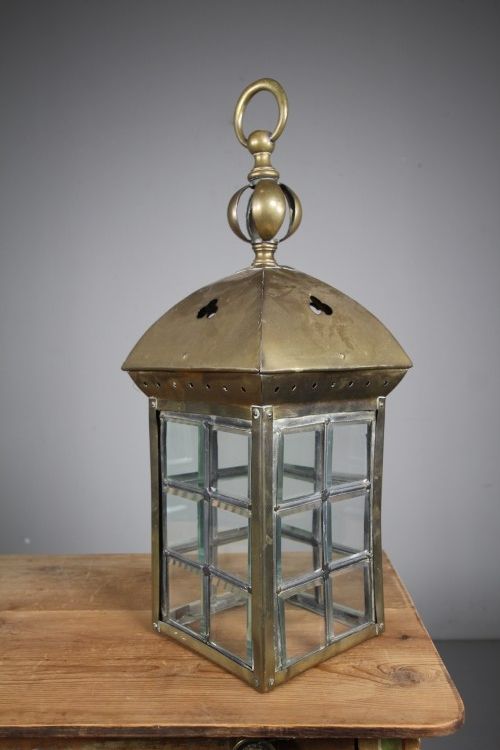
Artisanal execution distinguishes standard utility lighting from superior pieces, such as Arts and Crafts lanterns styled after Voysey. Precision in the leaded glass work and refined casting on bronze mounts signal higher production standards.
The Vintage Brass Porch Lantern Glossary
- Hall lantern
- A hanging light fixture designed specifically for corridors, vestibules, and entrance porches. These typically feature glazed sides to distribute illumination evenly.
- Leaded glass
- Individual panes of glass joined together by narrow strips of lead came. This technique allows for geometric or decorative patterns within lantern panels.
- Carriage light
- An exterior wall-mounted lantern adapted from lighting once used on horse-drawn carriages. They often incorporate bracket mounts and protective metal hoods.
- Aesthetic Movement
- A late nineteenth-century design style emphasising visual beauty over narrative subject matter. Pieces from this period often display refined linear brass detailing.
Vintage Brass Porch Lantern: Frequently Asked Questions
How do I hang a heavy brass porch lantern?
Hanging a heavy brass or bronze lantern requires securing a structural ceiling hook directly into a ceiling joist or wooden noggin. The weight of older metal and glass fixtures demands proper mechanical support rather than standard plaster fixings.
Wiring should be assessed by a qualified electrician to ensure safety compliance with modern domestic standards. Many antique lanterns are adapted for contemporary electrical fittings while retaining their original frames.
Can these lanterns be used outdoors?
Many of these pieces originated as porch or coaching lights designed for exterior thresholds. However, exposure to moisture depends on the specific sealing and original weather-proofing of each antique fixture.
Buyers should consult a professional electrician regarding IP ratings and shelter requirements before installing historical lighting in exposed outdoor locations. Covered porches generally provide the safest environment for preserved leaded glass.
How should I clean antique brass and copper?
Cleaning antique brass and copper requires a gentle touch to preserve the historical surface patina. Dusting with a soft dry cloth removes everyday debris without disturbing the aged metal finish.
Avoid harsh chemical abrasives that strip away decades of oxidation and character. Proprietary metal cleaners should only be used if a bright polished look is specifically desired over an aged appearance.
What is the difference between Edwardian and Victorian lanterns?
Victorian lanterns often exhibit heavier ornamentation, darker patination, and Gothic revival influences. Designs from this era tend to be robust and heavily structured with cast iron, bronze, or thick brass components.
Edwardian lanterns generally favor lighter proportions, cleaner lines, and brighter brass or copper tones. Arts and Crafts influences during the early twentieth century also introduced simpler geometric forms and handcrafted leaded glass.