

Edwardian Brass Ceiling Fixture
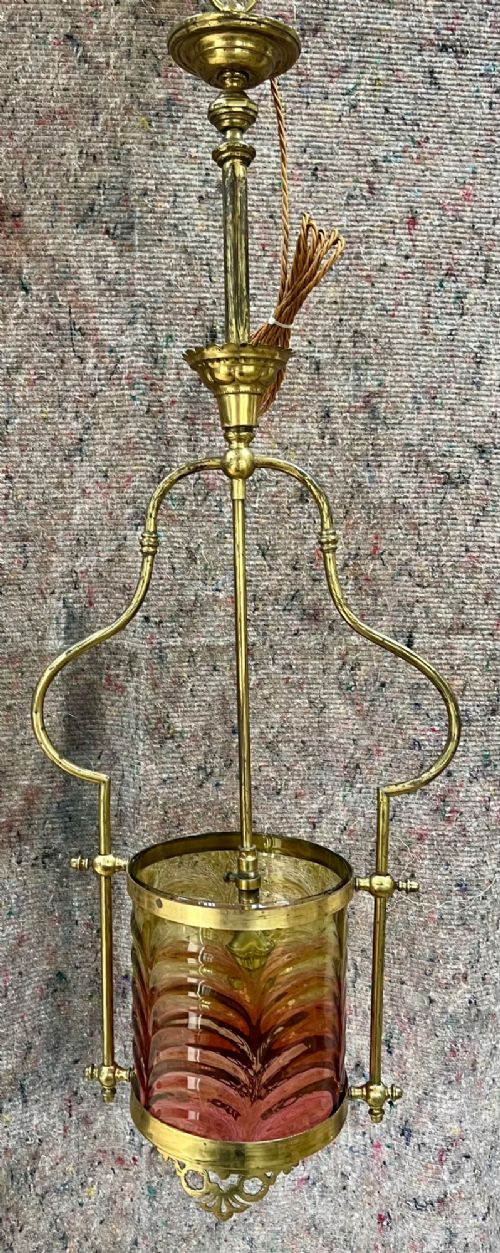
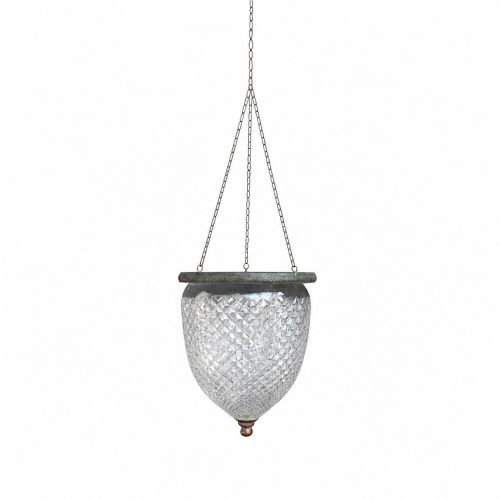
An edwardian brass ceiling fixture brings period warmth to a room, casting light through cut glass, crystal, or moonstone.
Edwardian Brass Ceiling Fixture
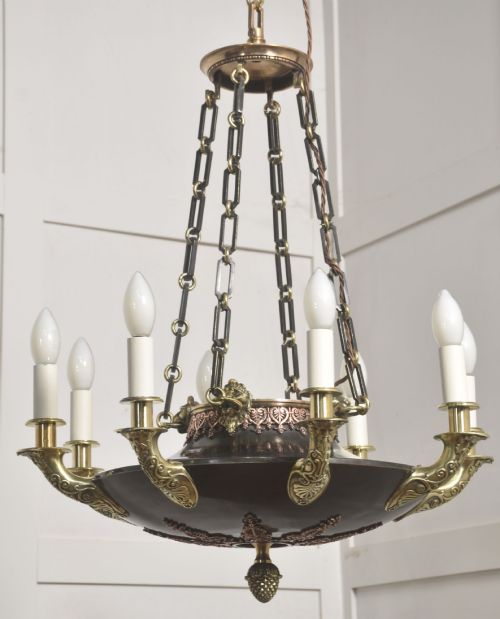
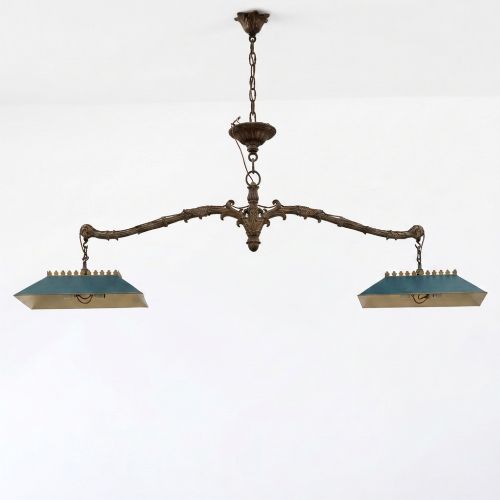
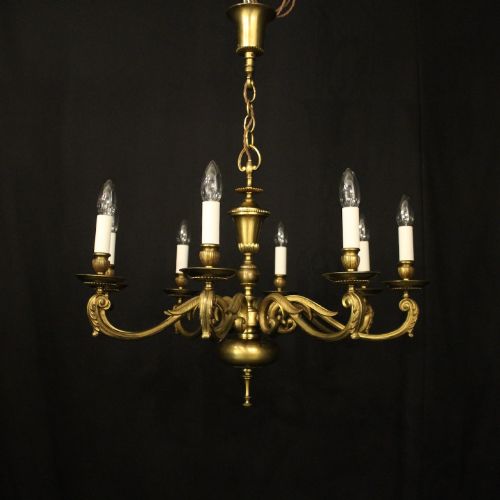
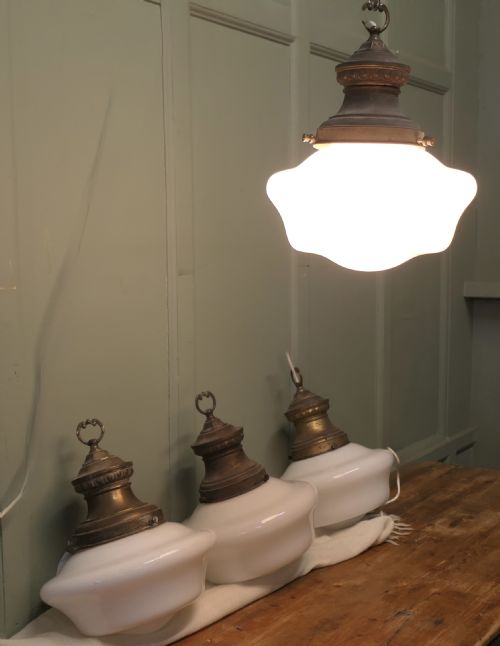
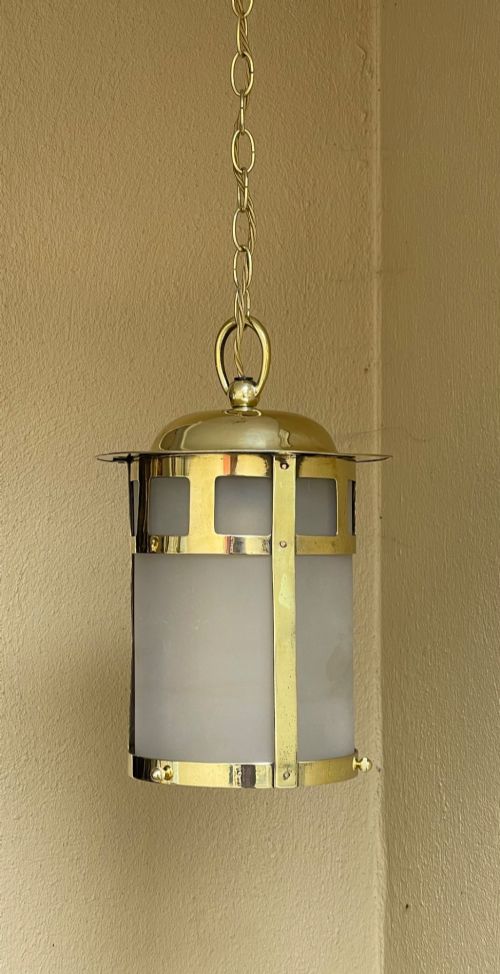
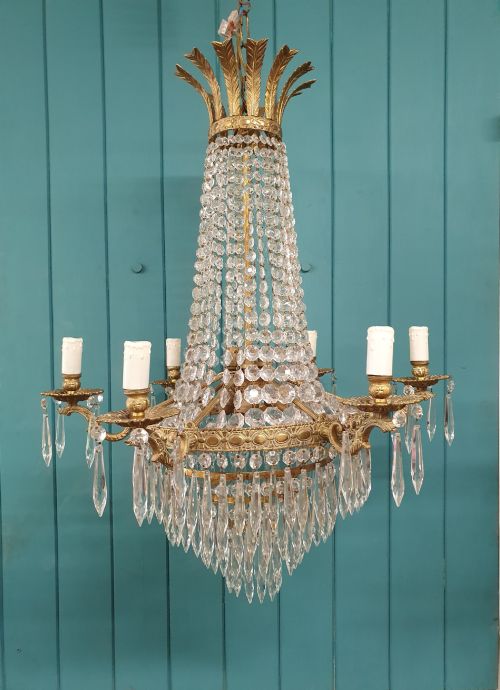
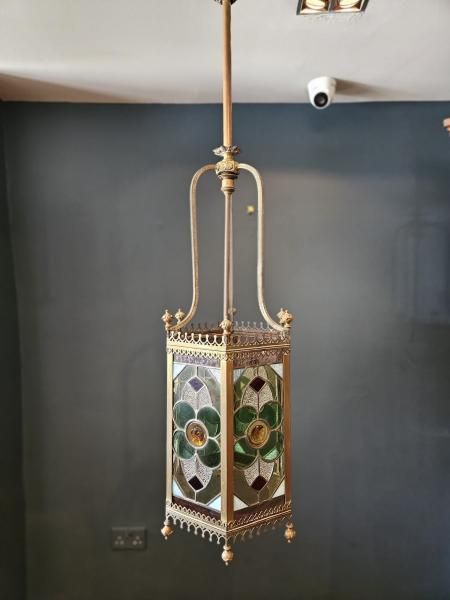
When searching for an edwardian brass ceiling fixture, buyers encounter chandeliers, pendant lights, hall lanterns, and plafonniers originating from the late nineteenth century through the early decades of the twentieth century. These hanging lights illuminate halls, parlours, and reception rooms with period character.
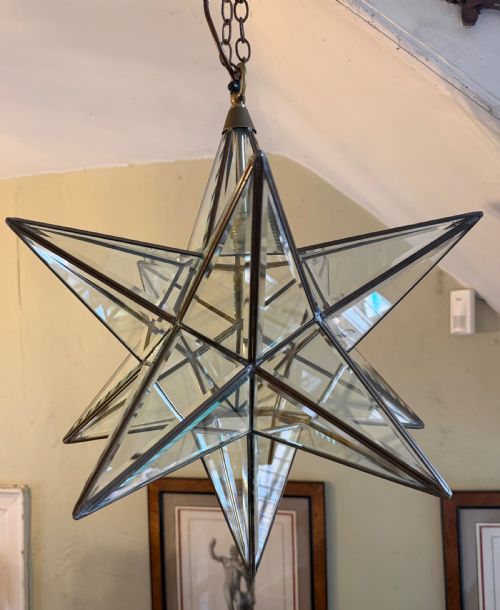
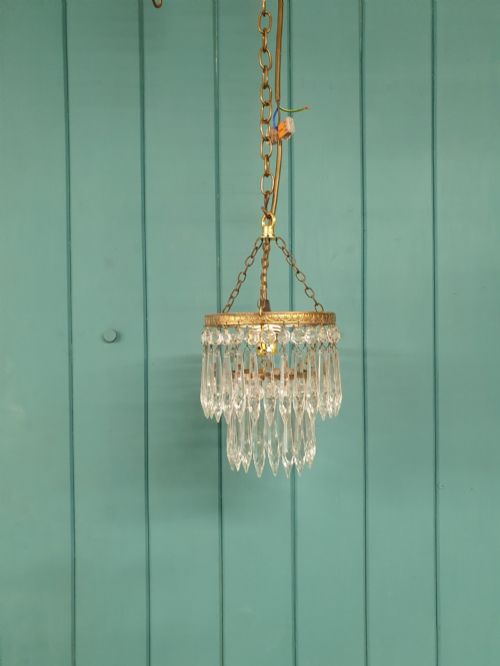
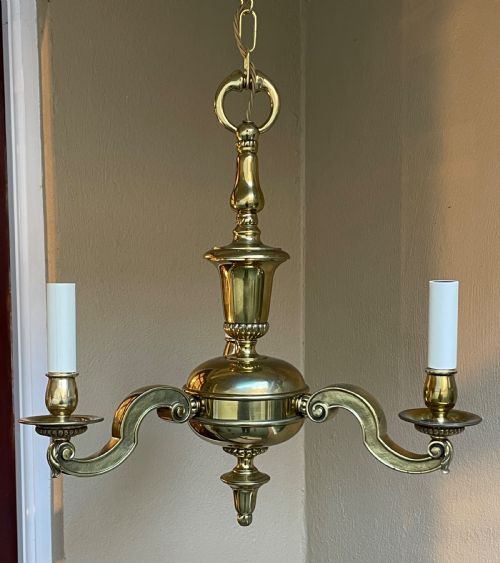
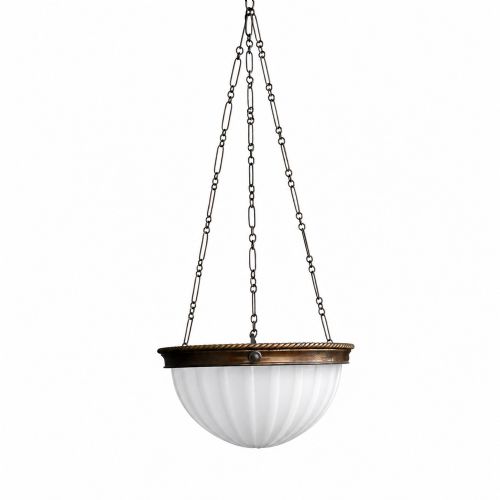
The selections available include cast brass frames, multi-branch chandeliers, and glass-enclosed lanterns reflecting Edwardian, Victorian, Arts and Crafts, and Art Deco styles. Smaller spike chandeliers, dome top lights, and rise and fall fixtures appear alongside grander multi-light formats.
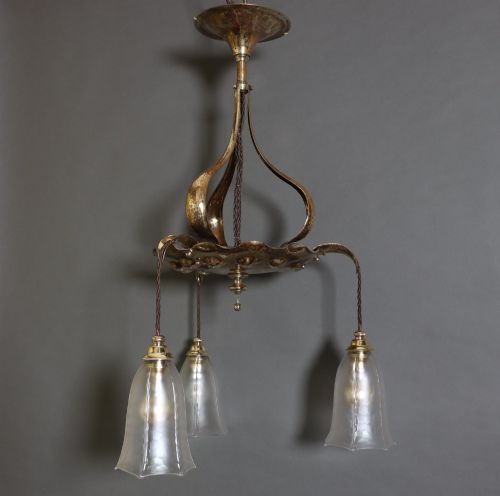
Most pieces date from the Edwardian era and the early twentieth century, utilising brass alongside bronze, copper, and nickel plating. Glass elements range from simple leaded panes to intricate cut crystals, coffin prisms, and moonstone glass.
How they were made
Metalwork relies heavily on cast and fabricated brass, sometimes complemented by bronze, copper, or nickel plating to achieve different surface finishes. Frames are constructed to hold glass securely while supporting the weight of multiple arms and decorative candle branches.
Glass components combine mould-blown moonstone shades, pressed leaded panels, and hand-cut crystal prisms or teardrops wired or pinned to the metal frame. Detailed elements such as leaf decoration, lion masks, and bevelled glass stars demonstrate skilled assembly by period metalworkers and glass cutters.
Several miniature chandeliers measure a mere five to ten inches across, proving that grand illumination occasionally arrives in tiny packages.
What varies in quality
The substance of the brass frame distinguishes sturdier castings from lighter metalwork, with heavier gauge brass and detailed chased ornamentation marking higher standards of production. The complexity of the glass design, from simple plain domes to heavily cut crystal prisms and stained leaded panels, dictates the decorative ambition of the piece.
Integrity of construction shows in the rigidity of the multi-branch assembly and the quality of the suspension mechanism, particularly in rise and fall counterweight systems. Original components, matched crystals, and undamaged glass shades preserve the intended aesthetic unity of the light.
The Edwardian Brass Ceiling Fixture Glossary
- Plafonnier
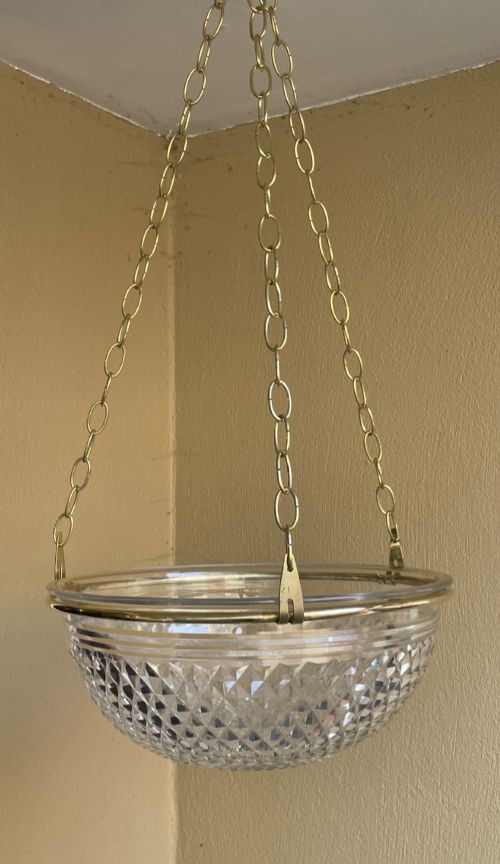
- A shallow bowl-shaped ceiling light mounted close to the ceiling. These fixtures distribute soft illumination downwards through frosted or cut glass.
- Moonstone glass
- An opalescent milky glass popular in the early twentieth century. It diffuses bulb glare evenly across interior spaces.
- Coffin prisms
- Long, narrow glass drops with bevelled edges used on chandeliers. They refract light into sharp prismatic colours.
- Rise and fall
- A mechanical pulley system allowing the pendant light to be adjusted vertically. It uses weights to hold the fixture at the chosen height.
- Bag chandelier
- A light fixture where glass crystals form a teardrop bag shape around the internal lamp holders. The metal frame remains largely concealed behind the crystal cascade.
Edwardian Brass Ceiling Fixture: Frequently Asked Questions
How do I hang a heavy brass chandelier?
Heavy brass fixtures require direct attachment to ceiling joists using a steel mounting bracket rated for the weight. Professional electrical installation ensures the junction box safely supports the load.
Adjustment of the chain length should happen before final wiring takes place. Ensuring the ceiling rose covers the electrical box maintains a tidy appearance.
Can I use modern LED bulbs in these fixtures?
Modern LED golf ball or candle bulbs fit most vintage sockets while generating significantly less heat than traditional incandescent lamps. Choosing warm white output preserves the historical amber glow of period glass.
Checking the wattage rating of the original wiring and sockets remains essential before installation. Rewiring older fixtures guarantees safe daily operation.
How do I clean cut glass crystals?
Removing individual crystals allows for gentle washing in warm water with mild dish soap and a soft cloth. Rinsing them in distilled water prevents mineral spotting upon drying.
Leaving the brass frame unpolished preserves the natural patination acquired over a century. A dry microfiber cloth clears dust from the metalwork safely.
What rooms suit a hall lantern?
Hall lanterns provide focused downward and ambient illumination suited to entrance hallways, stairwells, and landings. Their enclosed glass sides protect candles or electric bulbs from drafts.
Choosing a size proportionate to the ceiling height and floor area prevents the lantern from dominating a narrow passage. Hanging the fixture high enough clears head height for tall visitors.