



Art Nouveau Brass Pendant
An art nouveau brass pendant brings fluid botanical curves and warm metallic tones into a room.
Art Nouveau Brass Pendant
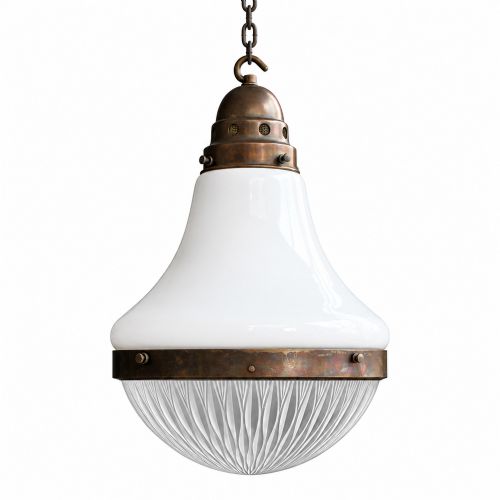
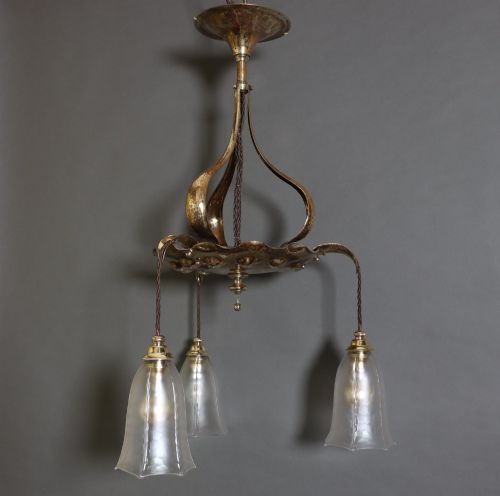
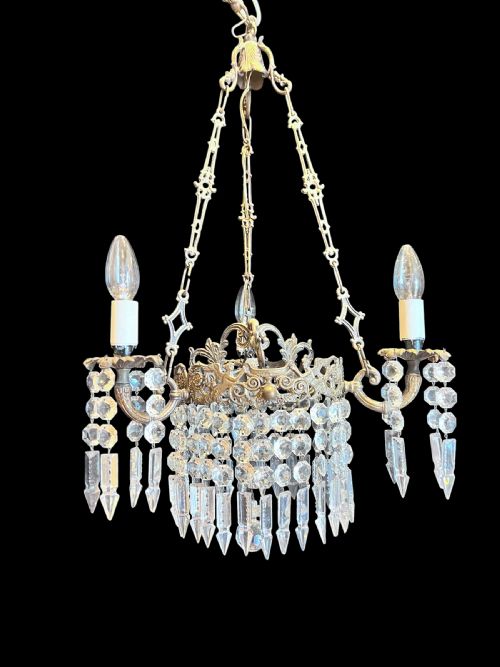
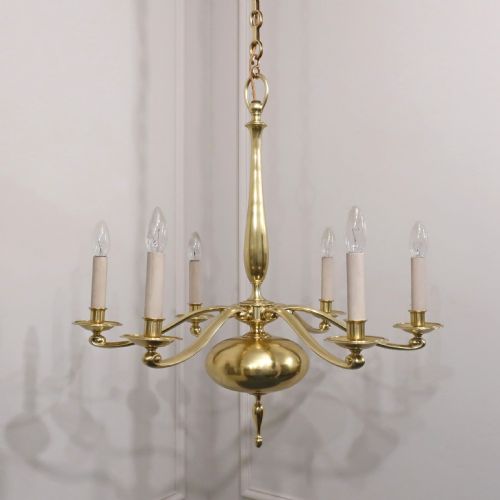
An art nouveau brass pendant combines organic forms with durable metalwork designed to hang from a ceiling as a primary light source. When you search for an art nouveau brass pendant, you are looking at light fittings shaped by the design movements of the late nineteenth and early twentieth centuries. These fixtures encompass single bulb drops, multi-light chandeliers, and framed lanterns.
The pieces you are most likely to meet on this page span from the late nineteenth century through to the nineteen-thirties, with a strong representation of Edwardian examples. Materials extend beyond plain metal to incorporate glass, crystal, and fabric cords, often paired with styles such as Arts and Crafts and French Art Nouveau. Formats range from simple ceiling lamps to rise and fall mechanisms and bowl chandeliers.
Materials and construction methods
The framework relies primarily on brass, gilt bronze, copper, and bronze, shaped to reflect the sinuous lines typical of the period. Metal components are often cast or worked by hand to create the characteristic botanical motifs of the style.
Glass elements form a crucial part of the construction, featuring etched finishes, green glass bulbs, crackle glaze, cranberry glass, and vaseline shades. These glass components are suspended within or attached to the metal frames to diffuse the light effectively.
Listings feature pieces spanning from the nineteenth century through the nineteen-thirties, incorporating brass, copper, and bronze alongside glass and crystal.
Separating the ordinary from the exceptional
Quality in these light fittings rests on the integration between the metal frame and the glass shade. Superior examples display harmonious proportions where the weight of the brass or bronze supports the glass without awkward transitions.
The refinement of the casting and the depth of the glasswork determine the standing of a piece. Hand-finished metal details and specialised glass treatments such as etched patterns or distinct colouration elevate the overall integrity of the light.
G.E.C
The Art Nouveau Brass Pendant Glossary
- Art Nouveau
- A design style characterised by fluid, organic lines and floral motifs popular around the turn of the twentieth century. It rejected rigid classical forms in favour of dynamic, natural asymmetry.
- Arts and Crafts
- A movement focused on traditional craftsmanship and simple forms, often overlapping with early twentieth-century lighting design. It emphasised the visible hand of the maker and honest materials.
- Rise and Fall
- A ceiling light mechanism featuring a pulley system that allows the height of the pendant to be adjusted. This practical addition was common in Edwardian interiors for table lighting.
- Vaseline Shade
- A type of glass shade containing uranium dioxide, which produces a distinctive yellow-green tint and glows under ultraviolet light. It is frequently found on period pendant lights.
Art Nouveau Brass Pendant: Frequently Asked Questions
How do I hang a pendant light safely?
Pendant lights require secure ceiling fixings capable of supporting the combined weight of the metal frame and glass shade. Professional installation by a qualified electrician is essential to manage the historical wiring safely.
Ensuring the drop height suits the room allows the fixture to provide adequate illumination without obstructing movement underneath.
Can I use modern LED bulbs in these fittings?
Most period pendants accommodate modern LED bulbs provided the base size matches the original lampholder. Choosing lower wattage warm white bulbs helps replicate the soft glow of historic lighting.
Care should be taken not to exceed the original thermal limits of enclosed glass shades when selecting replacement bulbs.
How do I clean antique brass and glass?
Dusting metal surfaces with a dry microfiber cloth prevents the accumulation of grime without disturbing the natural patina. Glass shades can be removed and washed gently in warm soapy water before being dried thoroughly.
Harsh chemical polishes should be avoided on brass to preserve the aged surface character acquired over decades.