

Traditional English Oil Artwork
Traditional English oil artwork brings historic rural scenes, portraits and landscapes into rooms through pigments laid upon canvas and panel.
Traditional English Oil Artwork
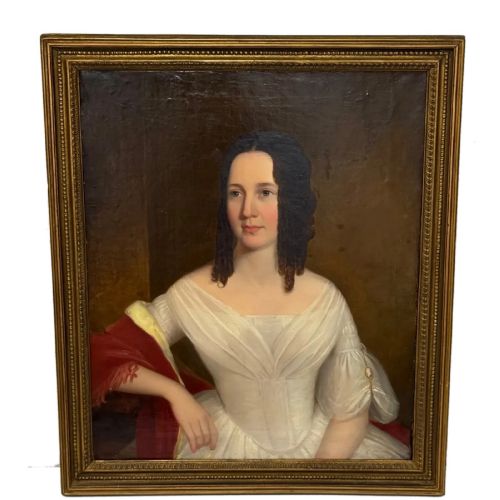
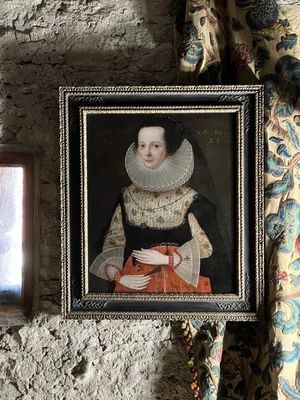
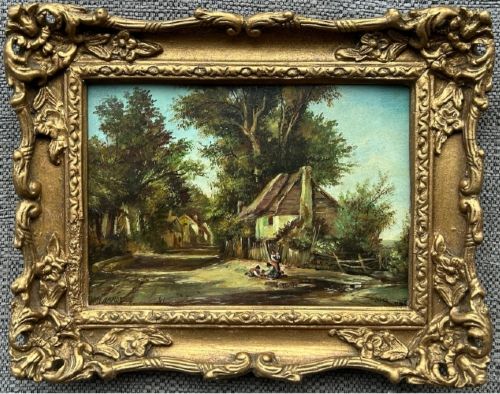
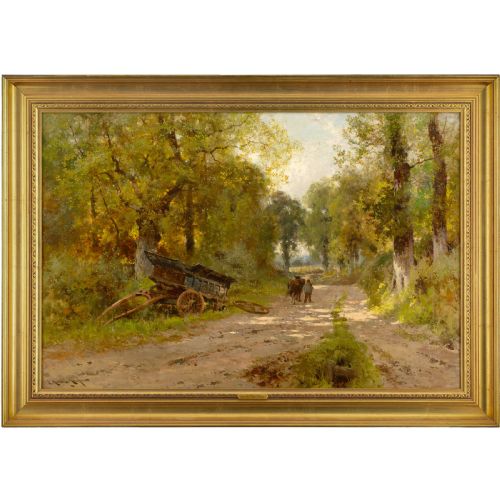
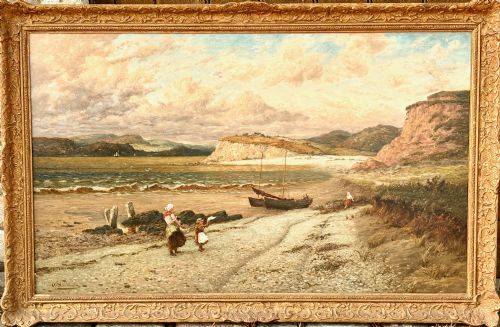
Traditional English oil artwork encompasses centuries of painted canvases, wood panels and boards produced by British artists working from the seventeenth century through to the mid-twentieth century. Buyers searching for traditional English oil artwork encounter rural landscapes, coastal views, portraits, animal studies and still life compositions reflecting changing British tastes.
Materials and construction methods
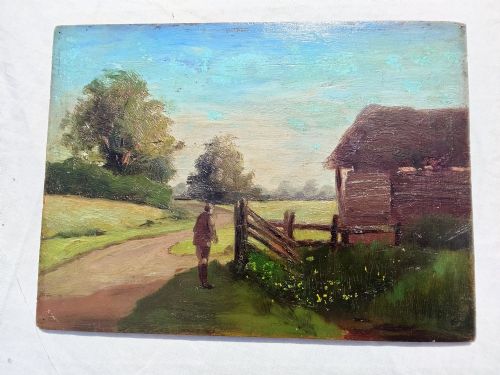
Artists painted primarily with oil pigments bound in oil mediums, applying them to woven canvas stretched over wooden frames, or directly onto wooden boards and panels. Card was also utilised as a painting support during the nineteenth century.
Finished works were typically housed within wooden frames finished with moulded gesso and gilding to complement the interior decoration of the period.
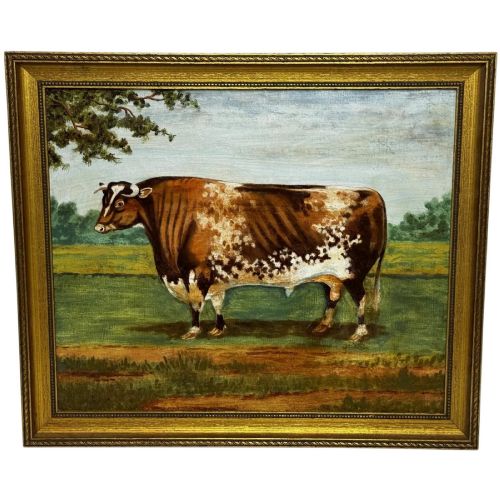
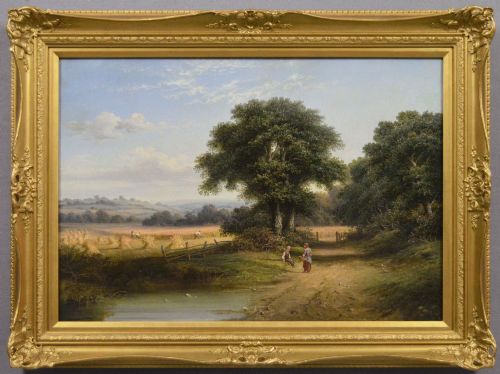
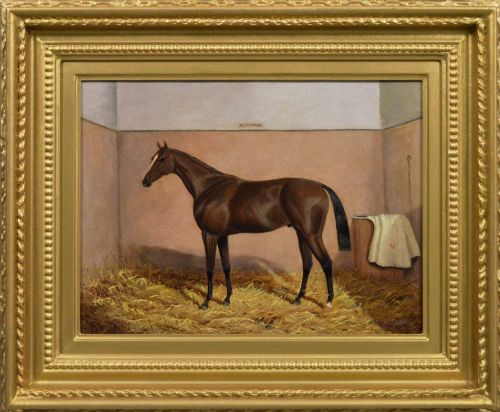
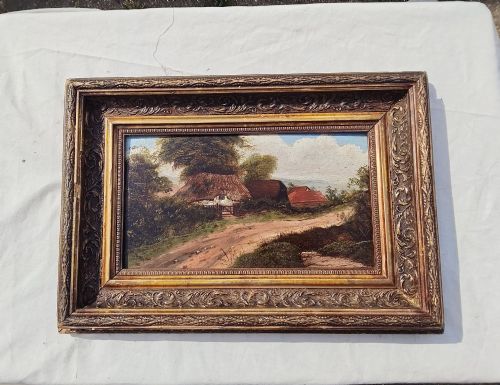
Prized shorthorn bulls and racehorses shared gallery space with quiet country cottages in Victorian homes.
Factors influencing quality
The skill of the brushwork and the precision of perspective separate accomplished traditional English oil artwork from simpler decorative school pieces. Master painters demonstrated superior command over light, atmosphere and anatomical detail in both figures and animals.
The preservation of the original paint surface and the integrity of the underlying canvas or wooden board also determine the standing of a piece. Original framing adds historical context and physical completeness to the artwork.
William Howard Hardy·John Horace Hooper·David Bates·Walter Heath Williams·Albert Clark·Edward Ladell·Thomas Sidney Cooper·Henry Yeen King·T C Hofland·George Morland·Walter Goodin·Hubert Wellington·Charles Walter Simpson·William Edward Webb·John Arthur Lomax
The Traditional English Oil Artwork Glossary
- Oil on Canvas
- A painting technique where oil paint is applied to a woven fabric support stretched across a wooden frame. This method allows for subtle blending of tones and rich texture.
- Gesso
- A plaster-like mixture applied to wooden frames before gilding or painting. It provides a smooth surface for intricate moulded decorative details.
- Panel
- A rigid wooden support used by artists instead of canvas. Wooden boards offered a stable surface favoured for smaller or earlier works.
- British Impressionism
- A late nineteenth and early twentieth-century painting style focusing on light and transient moments. Artists working in this manner captured outdoor scenes with looser brushstrokes.
- Pastoral
- A genre of art depicting idealized rural life, shepherds, agricultural labour and peaceful country landscapes. These subjects dominated British painting throughout the Victorian era.
Traditional English Oil Artwork: Frequently Asked Questions
How do I date an old oil painting?
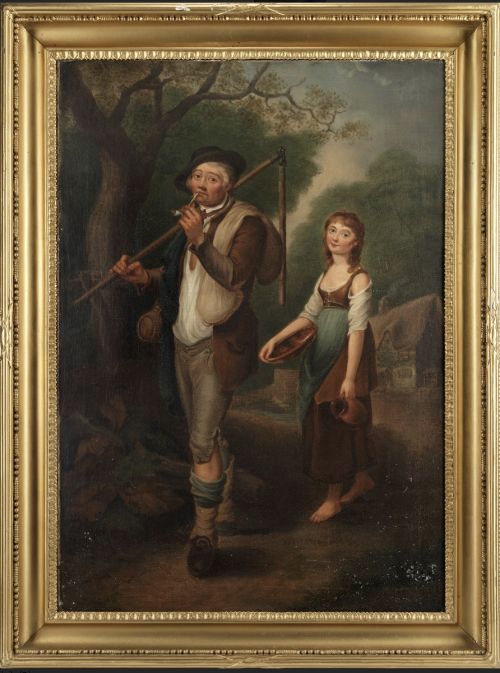
Dating traditional English oil artwork relies on examining the canvas preparation, stretcher construction and framing materials used by the maker. Stylistic clues within the clothing of depicted figures or the architectural details of landscapes also offer reliable chronological markers.
Signatures, inscriptions on the reverse of the canvas, and labels attached to the wooden frame frequently record the exact year or active period of the artist.
Where should I hang these paintings?
These works suit dining rooms, libraries and drawing rooms where traditional furniture and period decor complement the historical subject matter. Placing them away from direct sunlight protects the oil pigments and sensitive wooden frames from fading.
Ensuring stable room humidity prevents the canvas from slackening or the wooden panel from warping over time.
How were these artworks displayed originally?
Historical interiors featured oil paintings hung at eye level on panelled or papered walls, often illuminated by natural daylight from large windows. Heavy giltwood frames were designed to project the artwork forward from the wall surface.
In grand houses, large landscape and hunting canvases occupied central positions above mantelpieces or within dedicated picture galleries.
What subjects are most common?
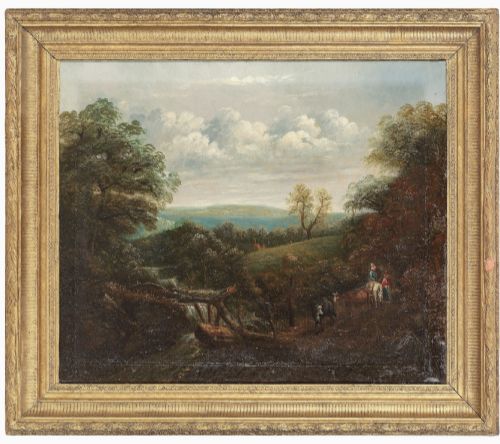
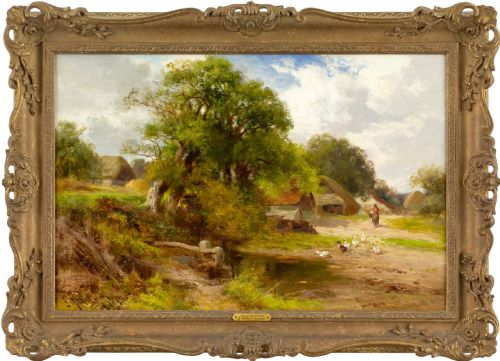
British landscape views featuring rivers, cottages, and harvest fields appear frequently across these historical listings. Animal portraits, particularly prize livestock, horses and working dogs, also form a significant portion of traditional English oil artwork.
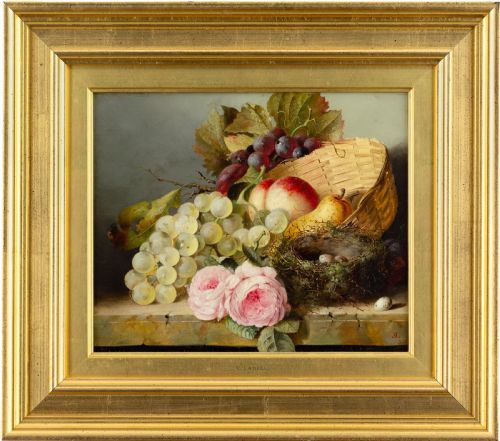
Still life compositions involving fruit and game birds represent another well-established genre from the nineteenth century.