

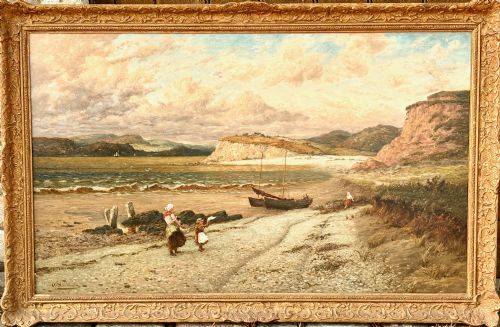
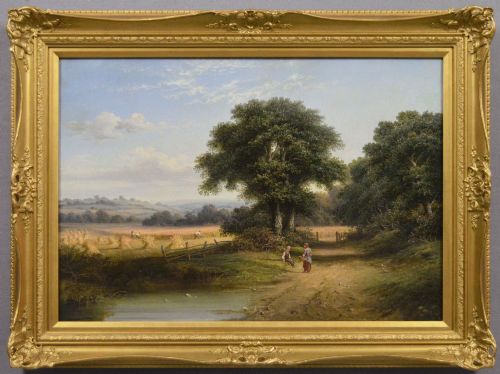
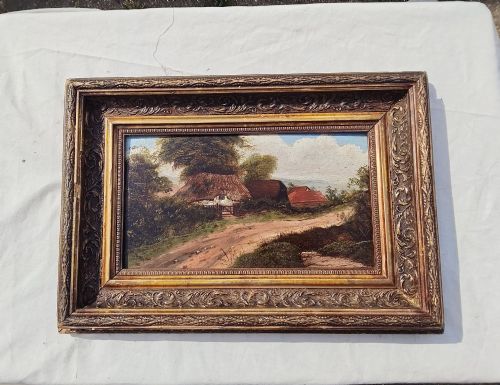
Antique English Oil Landscape
These antique English oil landscapes capture rural views, rivers, and country life through centuries of British brushwork.
Antique English Oil Landscape
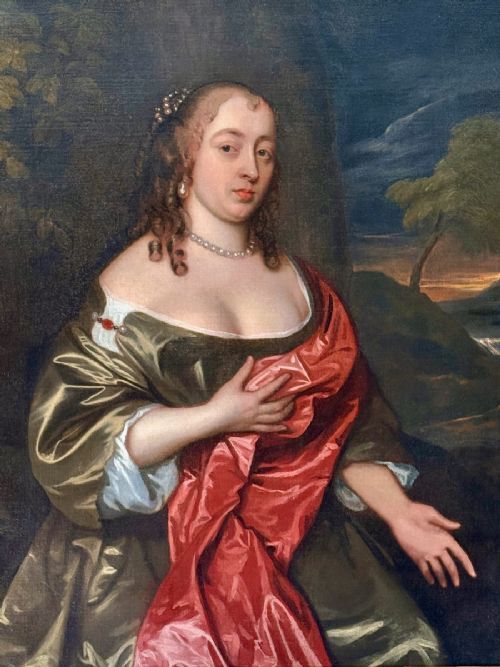
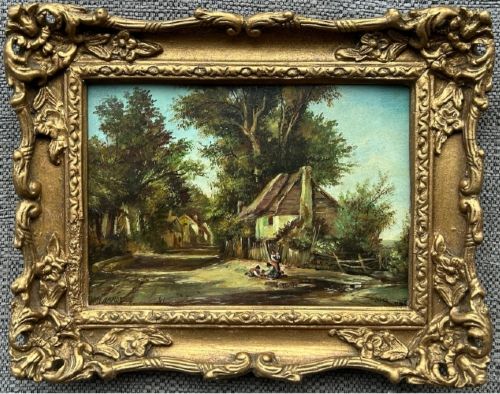
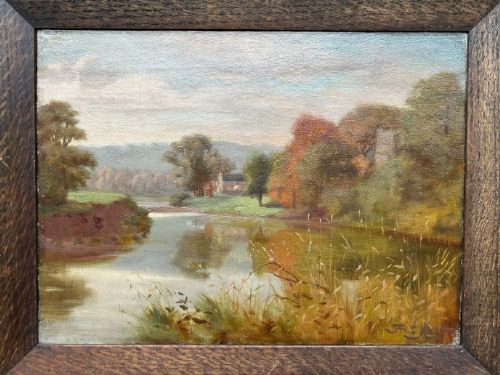
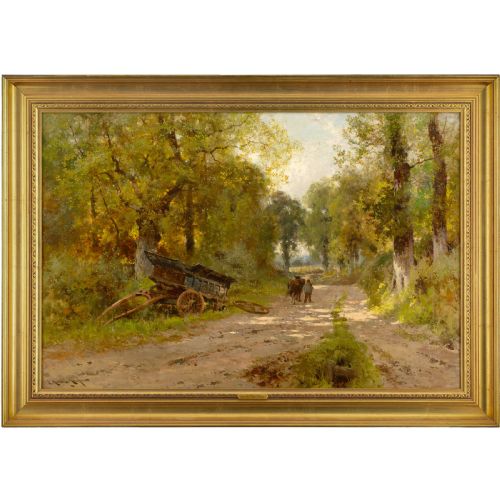
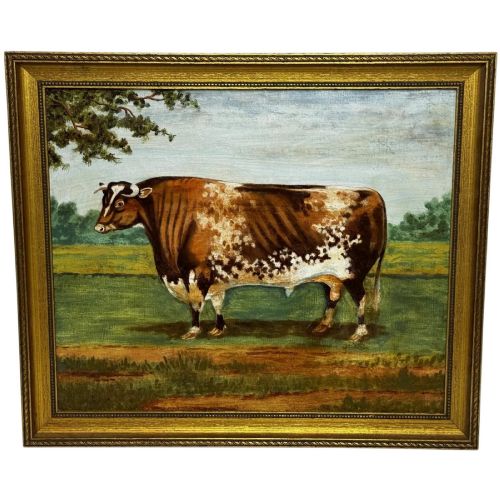
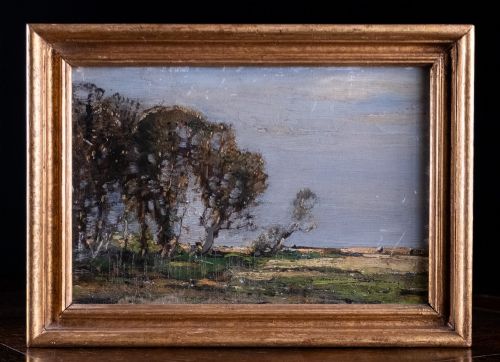
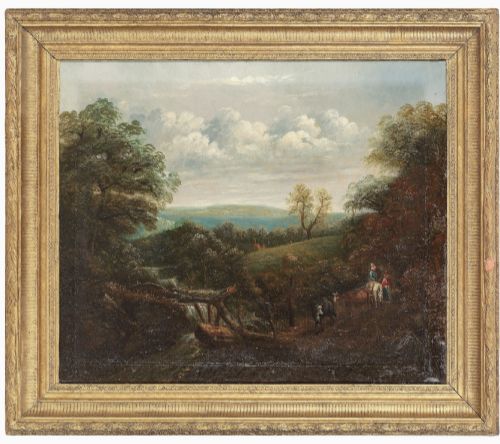
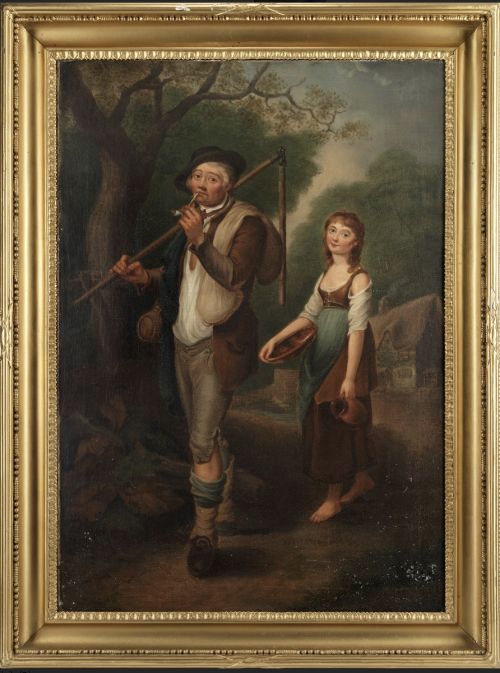
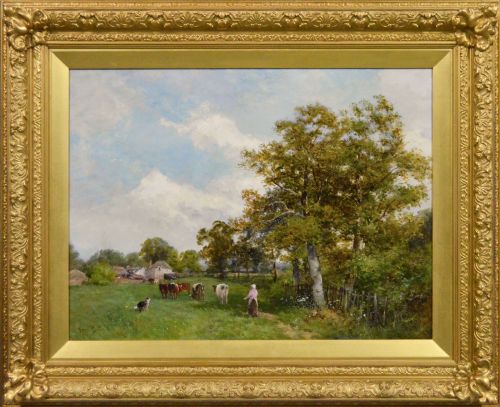
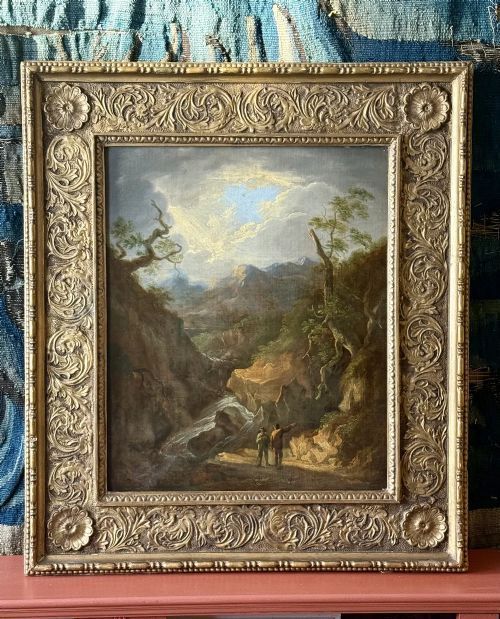
When you search for an antique English oil landscape, you encounter framed canvases, wood panels, and boards depicting rural scenes, waterways, and pastoral life. These paintings range from expansive 17th-century aristocratic portraits set against distant scenery to intimate 19th-century Victorian views of cottages and rivers.
The selections available lean heavily towards the nineteenth and early twentieth centuries, reflecting the prolific output of the British School during those decades. You will frequently find works signed by regional artists or attributed to familiar Victorian pastoral traditions, often framed in period giltwood.
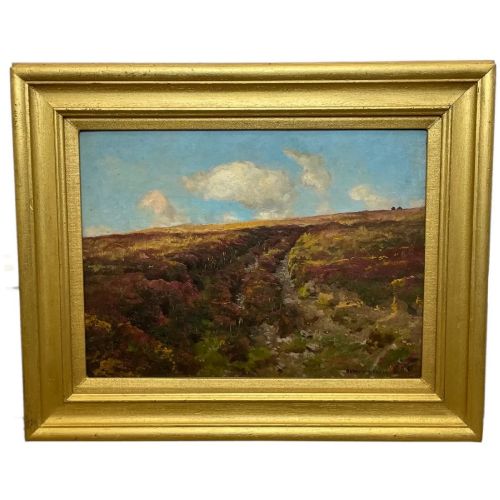
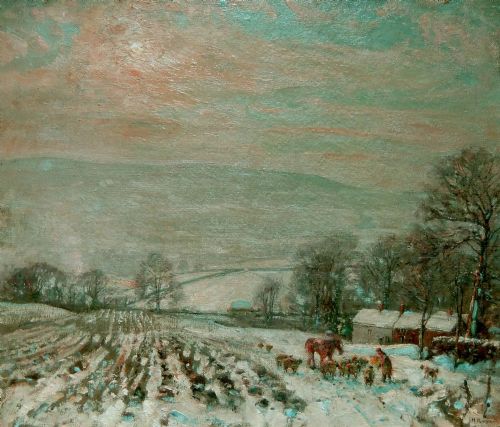
Subjects span from tranquil riverbanks and harvested fields to moody winter lanes and coastal vistas. Whether executed by recognised nineteenth-century painters or anonymous provincial hands, these works provide a direct window into historical British countryside aesthetics.
How They Were Made
Artists painted primarily with oil pigments applied to stretched canvas, wooden panels, mahogany boards, or thick card supports. Ground preparation varied, with many nineteenth-century works utilising a primed white or tinted base to reflect light back through translucent layers of oil paint.
Brushwork ranges from tightly controlled realist detail to looser, impressionistic strokes depending on the period and school. Finished paintings were commonly housed in heavy decorative gilt wood frames designed to complement the warm tones and spatial depth of the composition.
Listings feature canvases, wooden panels, and boards spanning the eighteenth, nineteenth, and early twentieth centuries.
What Varies in Quality
Quality rests in the confidence of the draftsmanship, the handling of atmospheric light, and the preservation of the original paint surface. Superior works demonstrate a precise command of perspective and natural colour harmony that draws the viewer into the depicted topography.
The integrity of the physical support and the originality of the frame also dictate the standing of a piece. Works retaining their untouched historic surface and period-appropriate framing command greater consideration than those compromised by heavy modern overpainting or mismatched housing.
John Hayls·George Graham·William Howard Hardy·Frederick Marriott·Arthur Wardle·John Horace Hooper·Kershaw Schofield·Herbert Royle·Thomas Barker of Bath·David Bates·Benjamin Barker of Bath·Walter Heath Williams·Thomas Sidney Cooper·Frederick Walker·Eric Brown·Richard Redgrave·John Sargent Noble·Charles Hunt·Adriana Verelst·Henry Yeen King·C R Breytle·Florence Adelina Hess·Fred Yates·T C Hofland·William Greaves
The Antique English Oil Landscape Glossary
- Canvas
- A heavy woven fabric stretched across a wooden stretcher bar to serve as a flexible support for oil paint. It provides a slightly textured surface that catches the weave of the brush.
- Giltwood
- Timber carved and coated with a thin layer of gold leaf or metallic gilt finish. These ornate frames define the aesthetic boundary of nineteenth-century oil paintings.
- British School
- A term used to categorize artists working within Great Britain who shared stylistic approaches, academic training, or regional subject matter. It frequently denotes unsigned or provincial works of a specific era.
- Oil on Panel
- A painting executed on a rigid wooden board or panel rather than fabric. Panel paintings often preserve fine detail exceptionally well due to the stable nature of the rigid support.
Antique English Oil Landscape: Frequently Asked Questions
What defines an antique English oil landscape?
These paintings are original works executed in oil medium by British artists or painters working within the English landscape tradition. They depict rural vistas, architecture, waterways, and agricultural scenes created across past centuries.
Most surviving examples date from the Victorian era and the early twentieth century. They reflect changing attitudes toward nature, industry, and the idealized rural idyll throughout British history.
How were these paintings displayed originally?
Landscapes were framed in substantial wooden mouldings, often gilded with gold leaf to enhance the luminosity of the oil pigments. They hung in drawing rooms, parlours, and country houses as focal points of interior decoration.
The framing was considered an integral part of the presentation, designed to isolate the painted window from the surrounding wall and project the owner's taste.
How do I care for an oil painting?
Keep paintings away from direct sunlight, extreme temperature shifts, and high humidity to prevent the canvas or wooden panel from warping. Dust the surface gently with a soft, dry brush without applying pressure to the pigment.
Avoid using water, chemical cleaners, or modern cleaning cloths on the painted surface or the gilt frame. Professional conservation is recommended if the varnish yellows or the canvas requires tensioning.
How can I tell the period of a landscape?
Dating relies on stylistic clues within the clothing of any figures, architectural details of buildings or bridges, and the handling of the paint. Victorian works often display narrative pastoral themes, while later pieces show looser brushwork influenced by impressionism.
Examine the reverse of the canvas, panel, or frame for artist inscriptions, old gallery labels, or stamps. These secondary markers frequently record dates, exhibition locations, or the specific manufacturer of the artist's materials.