



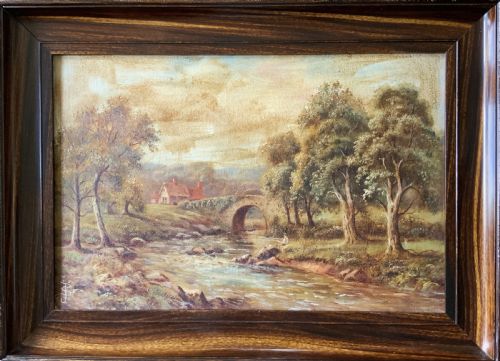
British School Landscape Oil
A british school landscape oil captures centuries of changing light across countryside, rivers, and coastal paths.
British School Landscape Oil
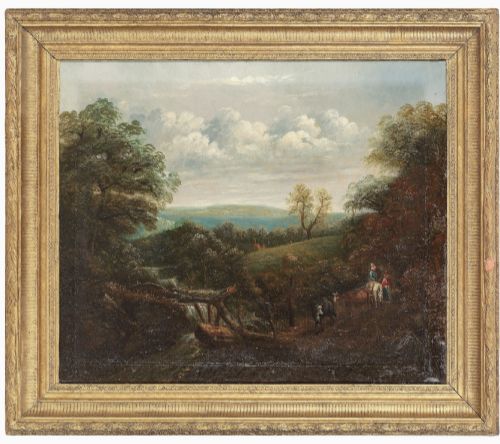
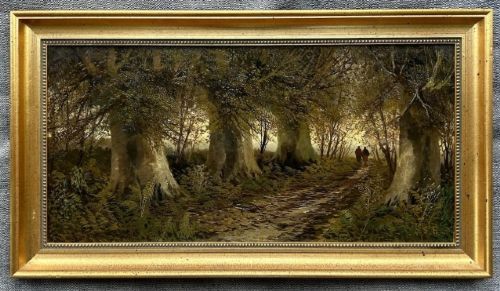
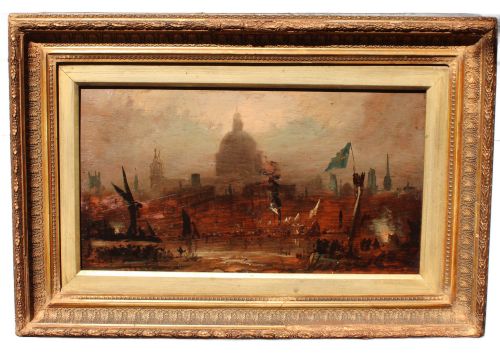
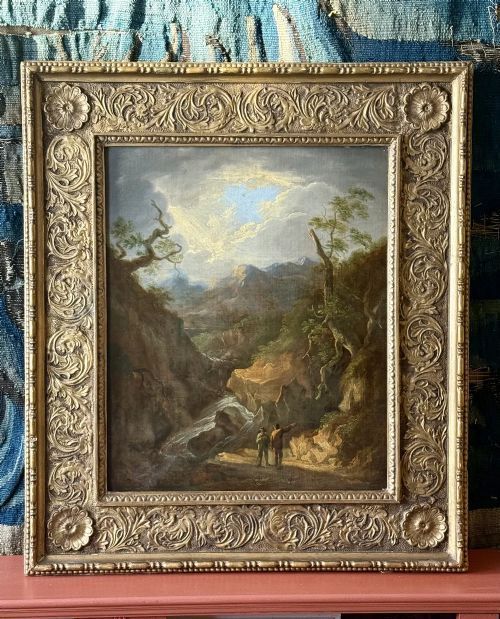
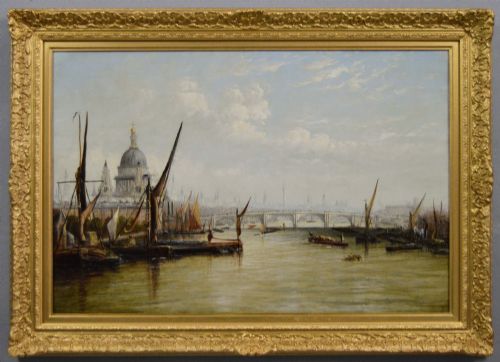
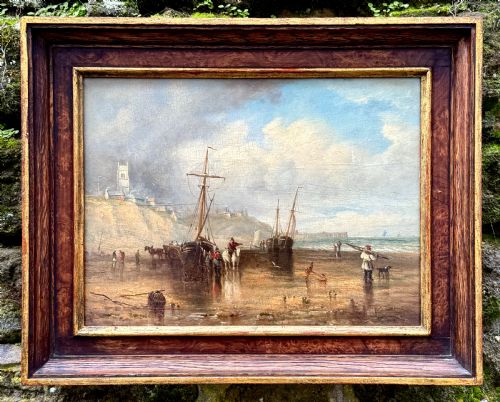
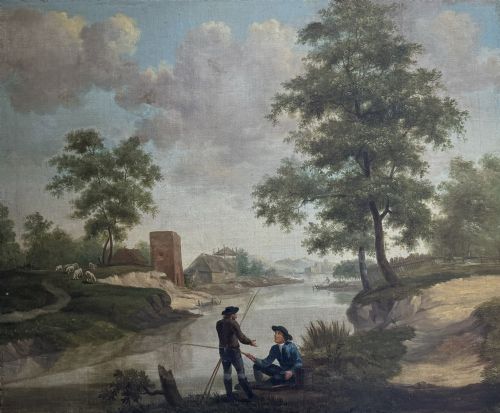
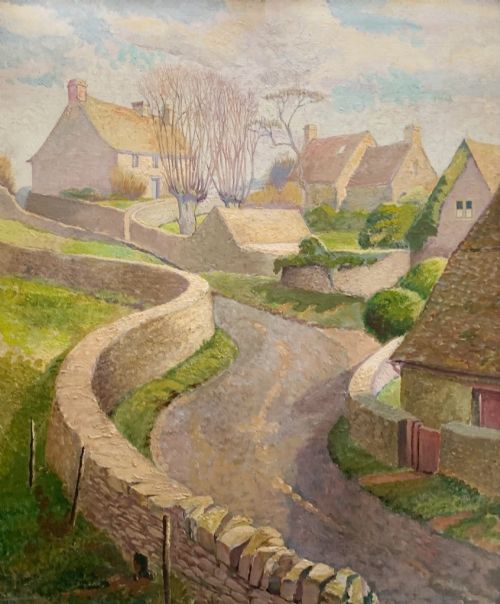
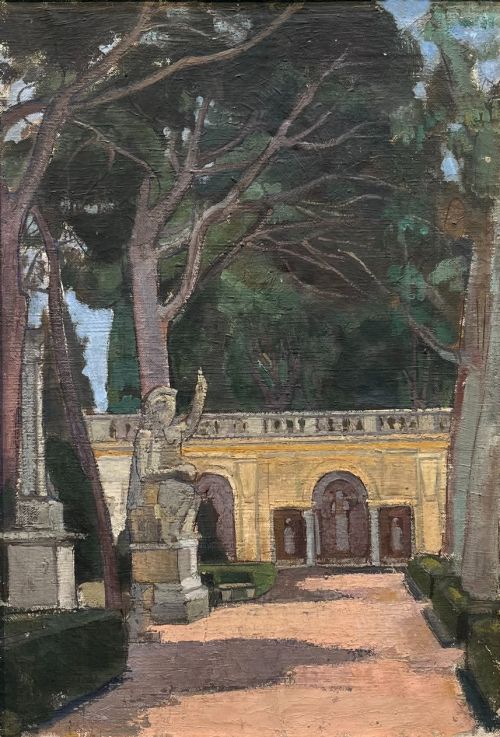
A british school landscape oil encompasses paintings created by artists working within British traditions from the eighteenth century through the mid-twentieth century. Buyers encounter rural views, coastal scenes, and townscapes rendered through regional movements such as the Norwich School, the St Ives School, and the Northern School.
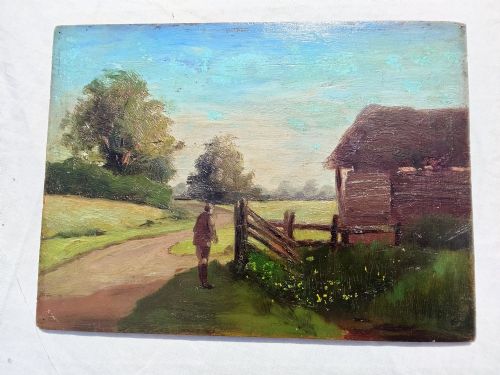
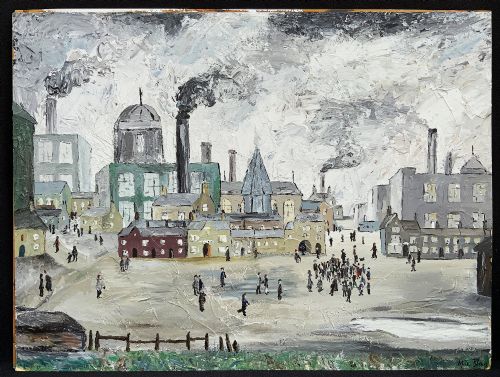
The subjects range from tranquil riverbanks with figures and Highland pastures with sheep to industrial townscapes and moody moonlit seascapes. Many pieces remain anonymous works by the broader British School, while others bear the signatures of recognised regional painters.
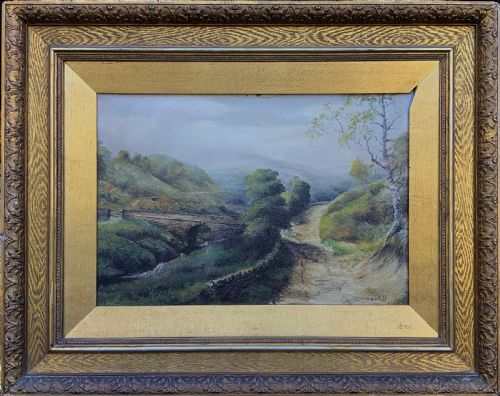
The physical formats vary from small wood panels and boards to expansive canvases, often retaining their original giltwood frames. These paintings record how successive generations observed rural labour, industrial expansion, and the changing British weather.
Materials and Construction
Artists painted primarily with oil on stretched canvas, wooden panels, or prepared cardboard boards, utilising the slow-drying medium to build depth and texture. Canvas supports often reveal the weave of the fabric beneath thin glazes or thick impasto strokes, depending on the period.
Wooden supports, including oak panels and wooden boards, provide rigid foundations for earlier and regional studies, sometimes showing visible grain or brushwork right to the edges. Frames constructed of gilt wood or giltwood frequently accompany these works, completing the presentation.
Several canvases quietly record forgotten cows, stray sheep, and distant railway viaducts that witnessed the changing British countryside.
Assessing the Works
The success of a british school landscape oil depends on the artist's command of light, atmosphere, and spatial depth within the composition. Stronger examples demonstrate confident brushwork and balanced tonal contrasts that draw the viewer into the scene.
Condition also plays a central role, distinguishing works that retain their original pigment vibrancy and stable surfaces from those affected by heavy past intervention or structural wear. The harmony between the painting and its period frame further contributes to the overall integrity of the piece.
Tom Campbell·Thomas W Lascelles·Benjamin Barker of Bath·Francis Moltino·Thomas Creswick·Sydney Yates Johnson·John Grenville Fennell·Joan Gillchrest·George Turland Goosey·Thomas Baker of Leamington·Reginald Grange Brundrit·Henry John Boddington·Frank Hider·George Hilditch·Robert Finley McIntyre·James Thomas Linnell·Peter Deakin·Frederick Waters Watts·John Wright Oakes·Florence Hess
The British School Landscape Oil Glossary
- British School
- A term applied to artists born or working in Britain, often used to classify unsigned or unattributed historic works.
- Impasto
- Paint applied thickly to a canvas or board, leaving prominent brush or knife marks that stand out from the surface.
- Giltwood
- Wood carved and coated with gold leaf or gold-coloured finish, commonly used for traditional picture frames.
- Norwich School
- The first provincial art movement in Britain, founded in the early nineteenth century and focused on local Norfolk scenery.
- St Ives School
- An art colony and grouping of artists associated with the town of Cornwall, known for modernist and coastal responses to landscape.
British School Landscape Oil: Frequently Asked Questions
What defines a british school landscape oil?
These paintings represent works produced by British artists or within British artistic traditions, spanning rural vistas, coastal views, and urban scenes from the eighteenth century onward.
They encompass both signed pieces by established regional artists and unsigned works attributed broadly to the British School.
How do I identify the period of a painting?
Dating relies on stylistic clues, subject matter, framing, and the physical support material, such as oak panels, canvas, or board.
Signatures, artist dates, and historical markers like clothing styles or architectural details further help narrow down the decade of creation.
Where were these paintings typically displayed?
Historically, these oil paintings hung in domestic parlours, country houses, and civic buildings across Britain to record familiar local scenery.
Today, collectors place them in both traditional and contemporary interiors to bring historic atmosphere and texture to a room.
How should I care for an antique oil painting?
Protect the canvas or panel from direct sunlight, extreme temperature fluctuations, and high humidity to prevent cracking of the oil paint.
Dust the surface and the accompanying giltwood frame gently with a dry, soft cloth without applying liquid cleaners.