



Vintage Landscape Picture
A vintage landscape picture brings rivers, valleys, and rural vistas indoors through oil, watercolour, and print.
Vintage Landscape Picture
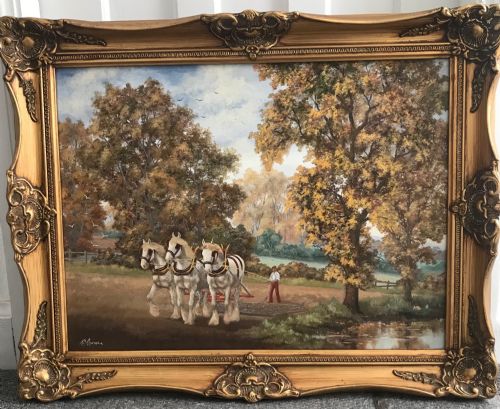
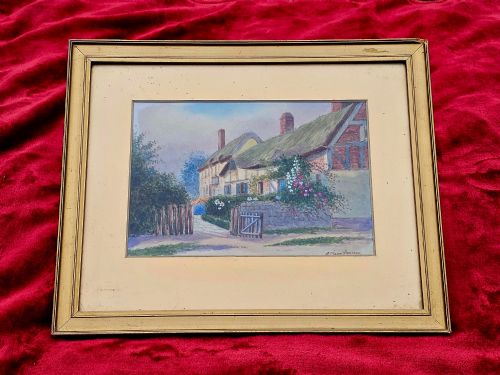
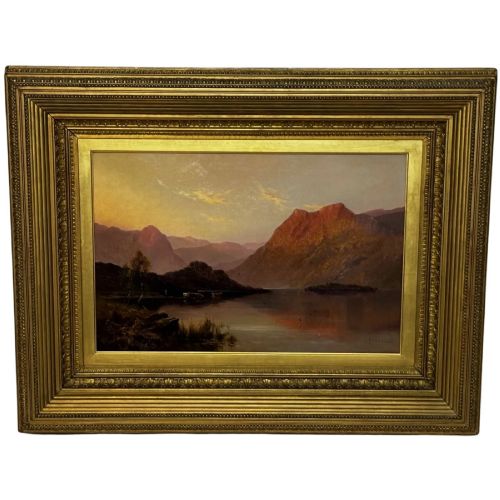
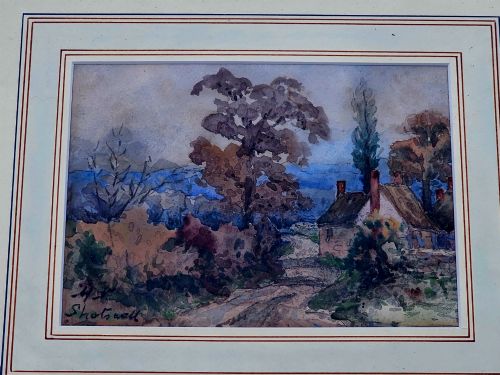
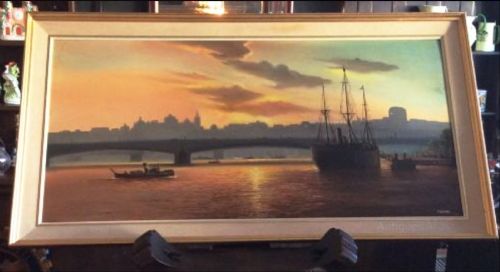
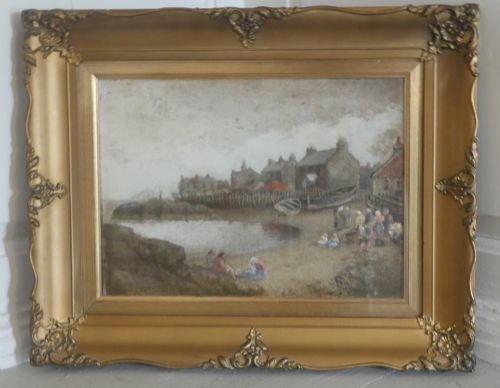
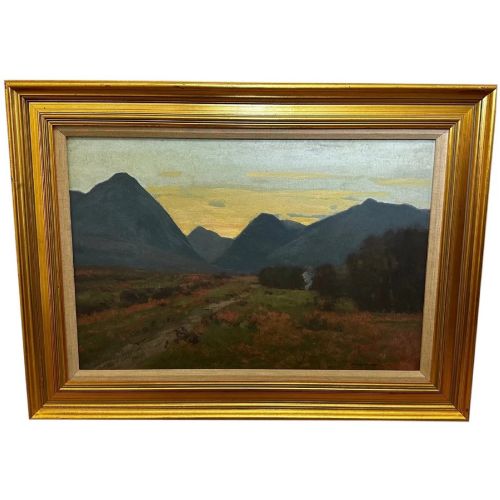
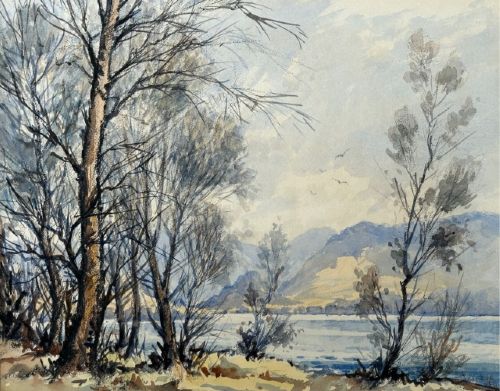
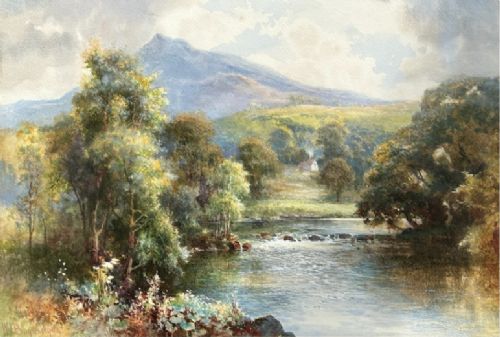
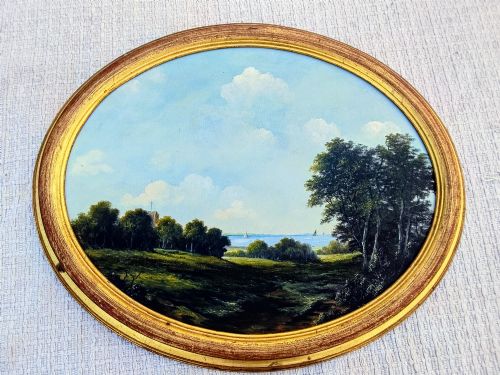
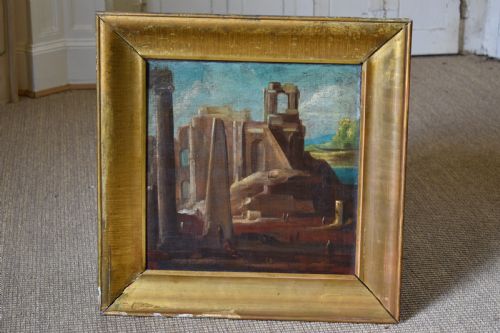
A vintage landscape picture encompasses framed artworks depicting natural scenery, countryside views, marine expanses, and architectural vistas. When exploring this selection, buyers encounter works spanning from the nineteenth century through the mid-twentieth century.
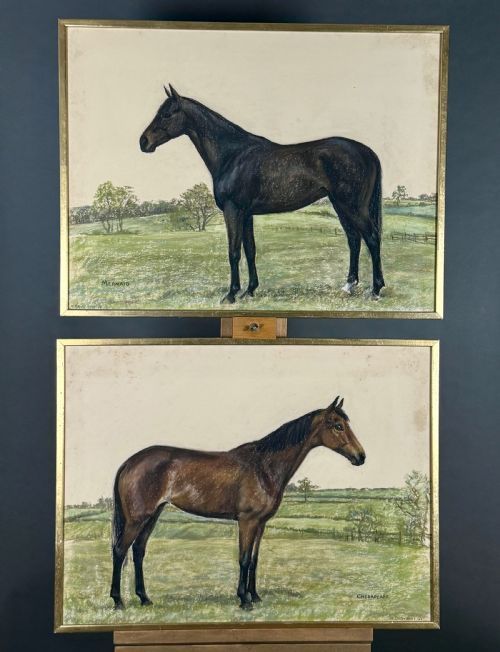
The assortment includes original oil paintings on canvas and board, delicate watercolours on paper, pastels, lithographs, and engravings. Artists capture subjects ranging from Cumbrian lakes and Welsh rivers to Venetian canals and African mountains.
The most frequent examples derive from British and European traditions, incorporating Impressionist, Post-Impressionist, and traditional country styles. These works range from intimate studies to large panoramic canvases housed in period gilt frames.
How they were made
Makers utilised traditional mediums including oil paint applied to stretched canvas, wooden panels, or card, alongside transparent watercolour washes on heavy paper. Artists built compositions using brushwork and pigment to capture light, shadow, and atmospheric depth.
Framing forms an integral part of the physical object, with many pieces presented in carved or moulded gilt wood frames that complement the visual weight of the artwork. Additional techniques represented in the record include lithography, engraving, and pastel application.
The listings feature works created across eight distinct decades, spanning from the nineteenth century through the 1960s.
What varies in quality
Quality separates through the artist's command of light, composition, and proportion, where confident brushwork creates convincing atmospheric depth rather than static depiction. The handling of medium matters greatly, whether through the rich impasto of an oil painting or the translucent control of a watercolour wash.
The preservation of the paper or canvas surface, the stability of the support, and the integrity of the original frame influence the standing of an individual piece. Works attributed to named artists or established regional schools command particular attention for their documentary and aesthetic merit.
Kenneth Cozens·William H Myers·Donald Grant·Alfred Young Nutt·A Marie Parsons·Alfred Fontville de Breanski Jr·George Houston·Robert Leslie Howey·William Joseph Boyes·Charles Houben·Richard Henry Wright·David Roberts·Frederick Walker·Eric Brown·Thomas Maidment·Frederick James Kerr·Maud Raphael Jones·Henry Yeen King·Percy Lancaster
The Vintage Landscape Picture Glossary
- Oil on Canvas
- Pigment mixed with drying oil applied to a woven fabric support stretched over a wooden frame. This medium allows for rich texture and deep colour saturation.
- Watercolour
- A painting method where fine pigment is suspended in a water-soluble binder, traditionally applied to absorbent paper. It relies on the white of the paper to provide luminosity.
- Lithograph
- A planographic printing process based on the repulsion of oil and water, used to create multiple graphic reproductions. Artists draw directly onto a limestone slab or metal plate.
- Impressionism
- A nineteenth-century painting style characterised by relatively small, thin yet visible brush strokes and an emphasis on accurate depiction of light. Practitioners sought to capture transient moments in nature.
- Gilt Wood
- Timber that has been decorated with a very thin layer of gold leaf or powder. This finish is commonly found on decorative picture frames from the Victorian and Edwardian periods.
Vintage Landscape Picture: Frequently Asked Questions
How do I hang a heavy oil painting safely?
Ensure your wall fixings are secured directly into wall studs or use appropriate heavy-duty cavity anchors suited to your wall type. Heavy gilt wood frames require robust picture wire and sturdy brass screw eyes affixed firmly to the wooden stretcher or frame back.
Distribute the weight evenly across two hanging points rather than a single hook to keep the artwork level and reduce strain on the cord. Check the security of the frame corners and backing boards periodically to ensure the canvas remains fully supported.
Can I display watercolours in direct sunlight?
Watercolour pigments on paper are particularly sensitive to ultraviolet light and can fade significantly over time if exposed to direct sun. Position these works away from south-facing windows and well out of the path of intense daily rays.
Using conservation-grade glass with UV-filtering properties during framing offers an extra layer of protection for delicate works on paper. Regular rotation of pieces away from bright walls helps preserve their original colour intensity.
How do I identify the period of a landscape?
Examine the materials, framing style, stretcher construction, and paper types used in the construction of the piece. Nineteenth-century and Victorian works often feature characteristic wooden wedged stretchers, handwritten artist inscriptions on the reverse, and heavy plaster-moulded gilt frames.
Subject matter and clothing styles of any figures depicted also provide clues, alongside signature formats and labels from historical framers. Comparing the painting technique to documented examples from specific decades helps narrow down the production era.
What is the difference between oil and watercolour?
Oil paint utilises a drying oil binder that sits on the surface of canvas, board, or card, allowing for thick impasto textures and gradual blending. Watercolour relies on water-soluble binders on paper, creating translucent washes where the white paper shines through the pigment.
Oils are generally heavier and require rigid supports like wood or stretched canvas, whereas watercolours require framing behind glass to protect the paper surface from moisture and dust.