


Traditional English Display Cabinet
Traditional English display cabinets bring warmth and character to a room, offering practical storage alongside timeless timber frames.
Traditional English Display Cabinet
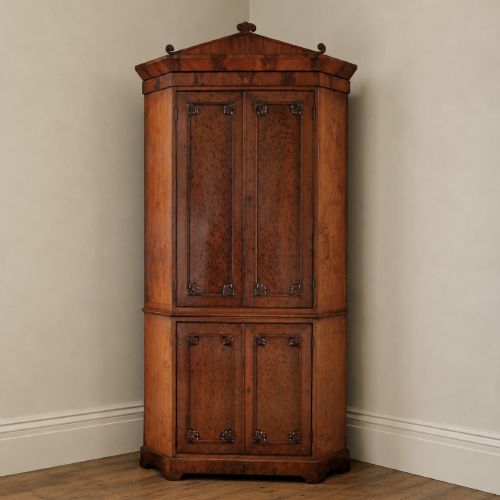
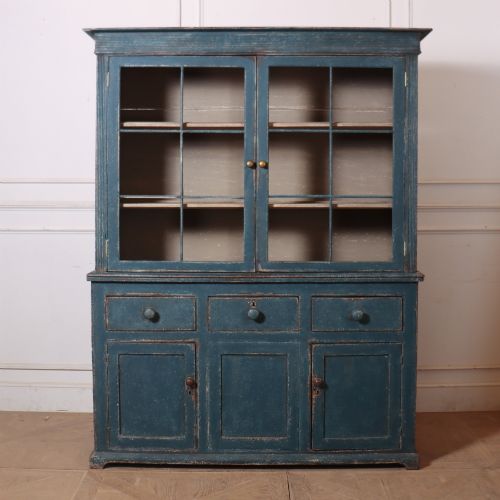
A traditional English display cabinet encompasses a variety of timber furniture forms designed to showcase and store prized possessions within domestic spaces. Buyers browsing this selection encounter bookcases, corner cabinets, dressers, and sideboards originating from different eras.
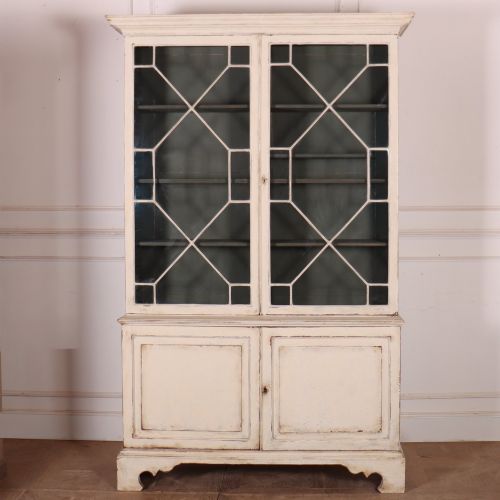
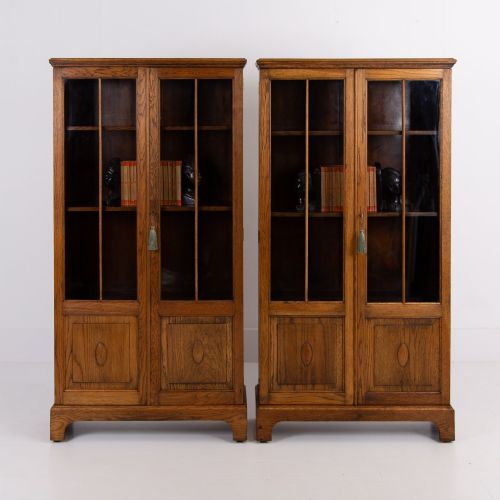
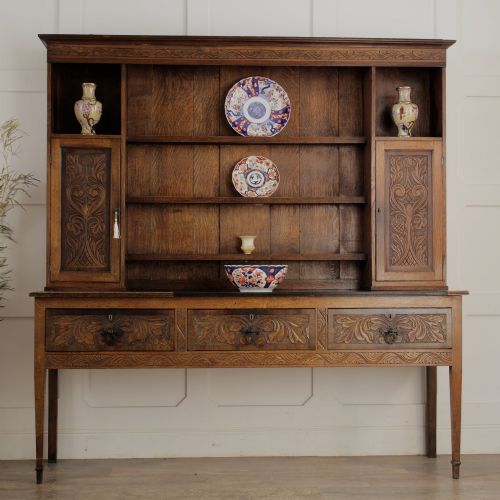
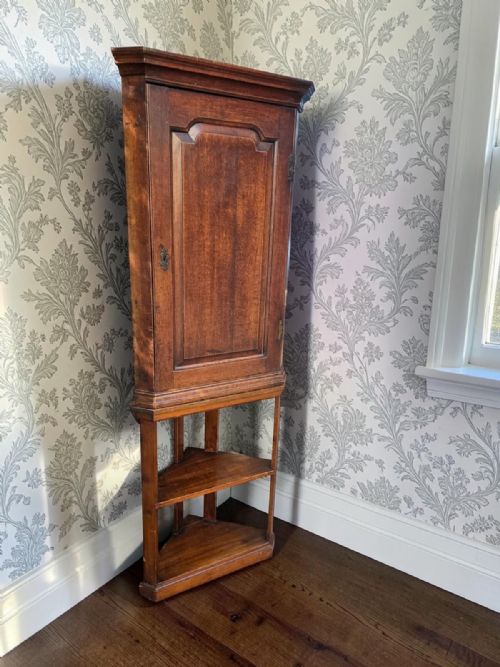
The most common formats on this page include sturdy oak corner cupboards, mahogany breakfront libraries, and painted country dressers. These pieces range from compact 18th-century Georgian designs to larger Victorian and 1930s interwar iterations.
Many items combine open or glazed upper shelving with enclosed lower cupboards or drawers, serving both display and functional storage needs. Their forms reflect regional English cabinet-making traditions, notably West Country workshops and country house interiors.
Materials and construction methods
Makers relied primarily on native and imported timbers, utilising solid oak, mahogany, walnut, and pine across different periods. Painted wood and timber finishes appear frequently, often applied to softer woods in regional country pieces.
Glazing and brass hardware are central to the construction of these cabinets, securing glass panes within wooden frames and providing functional locks with keys. Carved detailing and moulded cornices demonstrate traditional joinery techniques passed down through generations.
Listings feature oak, mahogany, walnut, pine, and painted timber across Georgian, Victorian, Regency, and 1930s periods.
Assessing quality in construction and finish
The distinction between standard examples and finer pieces lies in the selection of timber and the precision of the joinery. Plum pudding mahogany, finely figured walnut, and detailed oak carving elevate a cabinet well beyond utility furniture.
Original painted surfaces and intact period glass distinguish superior examples from heavily restored counterparts. The presence of original keys and harmonious proportions further separates exceptional library bookcases and corner cupboards from simpler regional work.
The Traditional English Display Cabinet Glossary
- Breakfront
- A cabinet or bookcase featuring a central section that projects forward from the flanking wings. This architectural arrangement creates depth and visual balance.
- Corner Cupboard
- A specialised cabinet constructed to fit neatly into the ninety-degree angle of a room. These pieces maximise corner space while displaying contents.
- Secrétaire Bookcase
- A tall cabinet incorporating a pull-down writing drawer with fitted pigeonholes and small drawers behind a fall front. It combines a desk with upper shelving.
- Chiffonier
- A low sideboard or cabinet developed during the Regency and Victorian periods, typically featuring shelves or a small back panel above enclosed cupboards.
Traditional English Display Cabinet: Frequently Asked Questions
Where should I place a corner cupboard?
These cabinets suit underutilised corners in dining rooms, living spaces, or hallways where wall space is at a premium. They draw the eye upward while keeping floor space open.
Ensure the door swing has adequate clearance from nearby furniture before positioning your cabinet into the corner angle.
How do I clean an antique painted bookcase?
Dust the timber gently with a dry, soft microfiber cloth to prevent surface scratching. Avoid harsh chemical sprays that can degrade historic painted finishes.
For glazed panels, use a mild glass cleaner applied to the cloth rather than directly onto the glass to protect surrounding wood.
What is a breakfront library bookcase?
A large bookcase featuring a projecting central section that provides a grand architectural presence. They were traditionally used in large country houses to house extensive book collections.
The stepped facade creates distinct visual sections for organising different subjects or display items.
How do I tell a Georgian cabinet from a Victorian one?
Georgian pieces often feature restrained classical proportions, understated oak or mahogany grain, and bracket feet. Victorian examples frequently display heavier carved oak details, walnut veneers, or painted country finishes.
Examining the construction of interior drawers and backboards helps confirm the likely period of manufacture.