
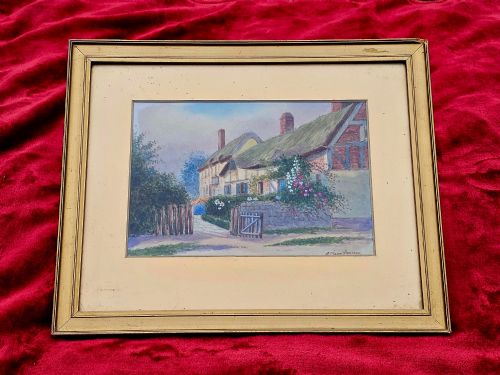
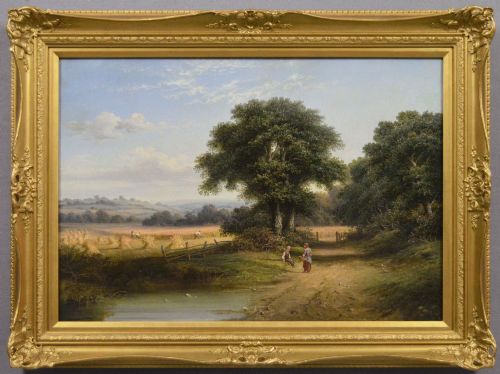
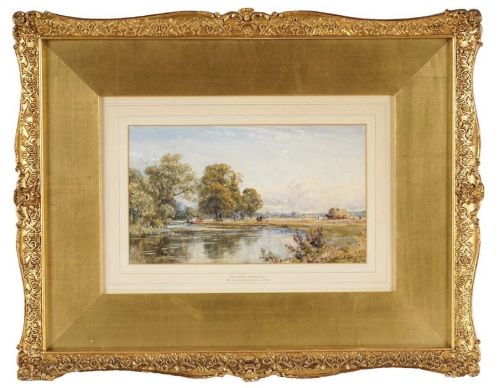
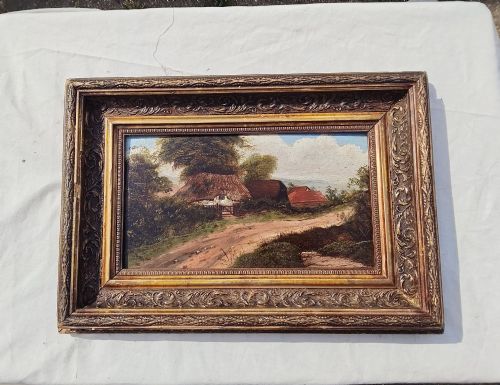
Traditional English Country Picture
A traditional english country picture brings home the quiet riverbanks, harvest fields and rural cottages recorded by generations of British painters.
Traditional English Country Picture
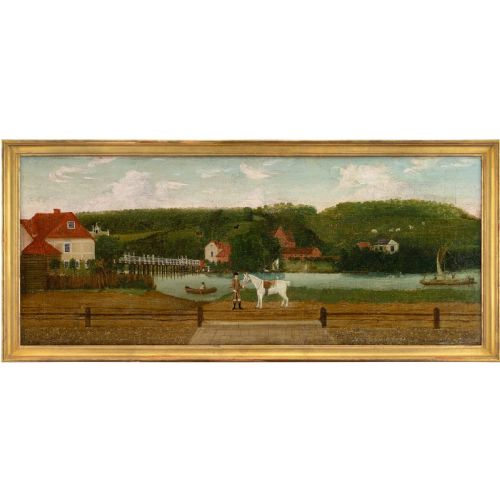
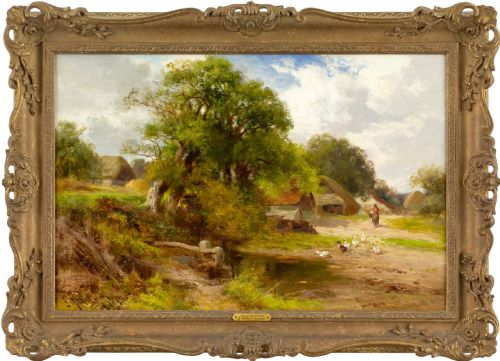
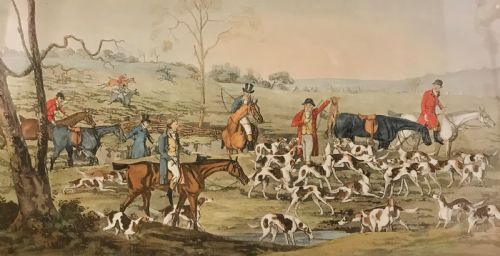
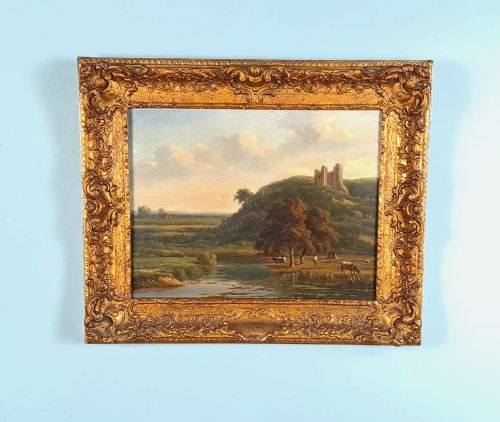
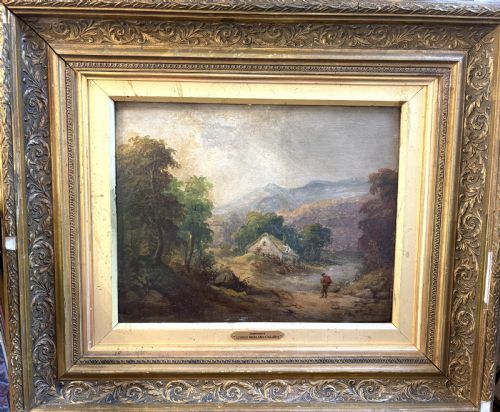
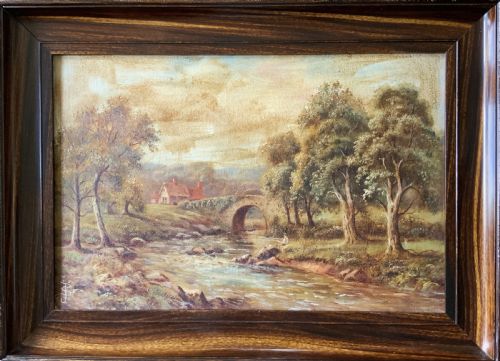
These works capture rural life, quiet rivers, harvest fields and country cottages across the British landscape. The pieces on this page span from the early nineteenth century through to the mid-twentieth century, recording changing rural scenes.
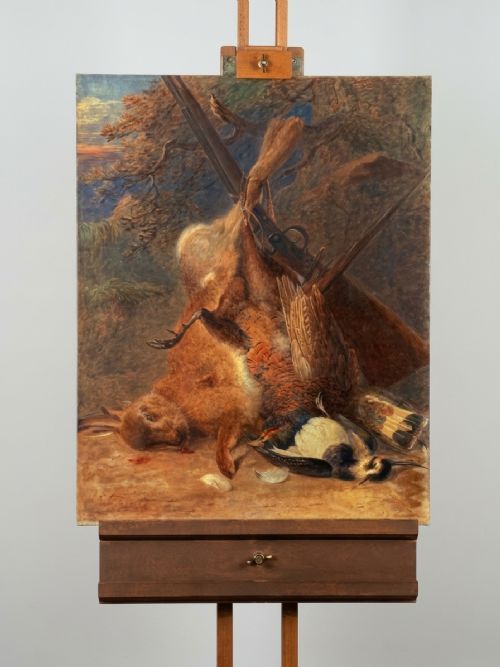
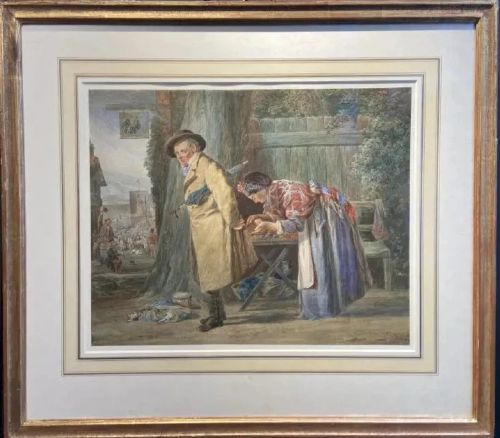
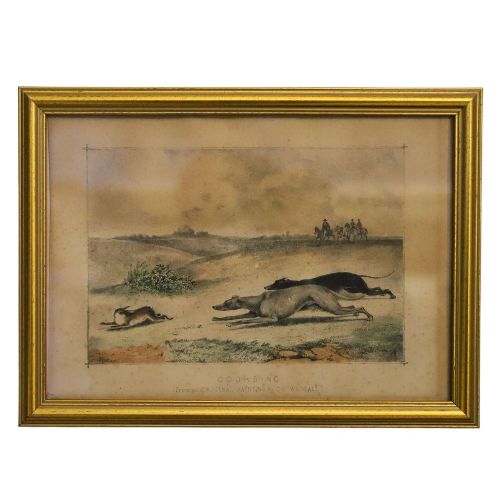
Most examples take the form of framed watercolours, oil paintings on canvas or board, and period lithographs. Subjects range from sporting dogs and hunting scenes to pastoral views and village streets.
How they were made
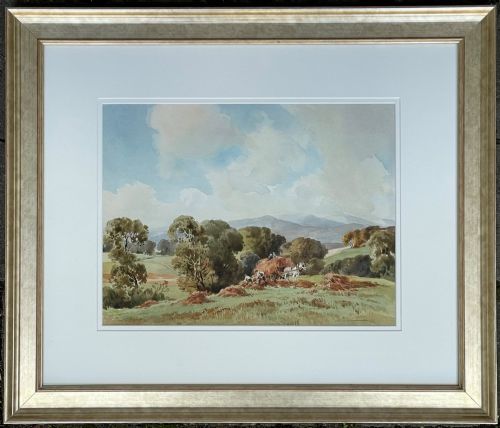
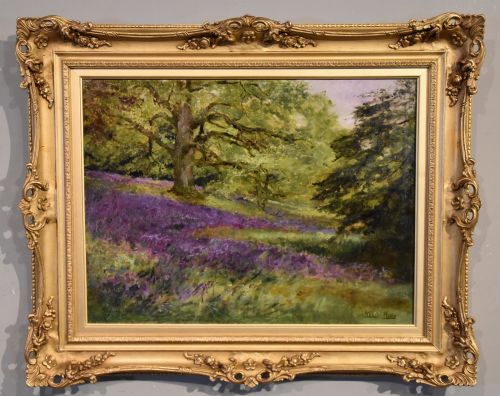
Painters used oil paint on canvas, panel or card to build rich textures and depth, often capturing changing light across fields and rivers. Watercolours on paper offered a lighter touch for delicate washes of skies and pastoral valleys.
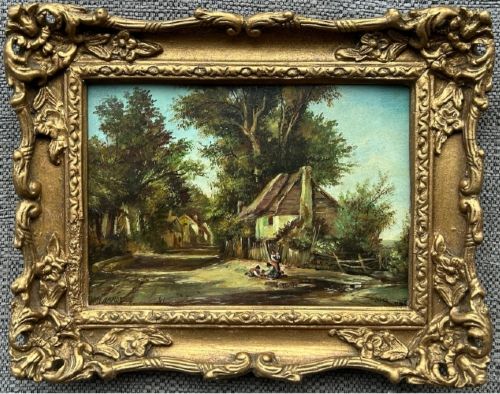
Framing played an essential role, with gilt wood and period mouldings completing the presentation of these traditional works. Lithographs and engravings provided a way to multiply popular sporting and genre scenes using ink on paper.
Listings include works from the nineteenth and twentieth centuries, using oil, watercolour, lithograph and pencil on paper.
What varies in quality
The strength of the composition and the confidence of the brushwork distinguish the finest paintings from simpler amateur records. A skilled hand captures the natural posture of figures, animals and livestock with a convincing sense of atmosphere.
The preservation of the paper or canvas surface, along with the retention of the original framing, affects the integrity of the piece. Works by named artists often demonstrate a more observant eye for local light and topography.
George Sydney Shepherd·Percy Lancaster·William Howard Hardy·Walter Heath Williams·Robert Thorne Waite·John Horace Hooper·Joseph H Barnes·Henry Yeen King·Sydney Yates Johnson·Hubert Wellington·Charles Walter Simpson·John Arthur Lomax·Robert Little·Henry John Yeend King·Frank Moss Bennett·Colin Graeme Roe·George Arthur Fripp·Thomas Baker of Leamington
The Traditional English Country Picture Glossary
- Watercolour
- A paint consisting of pigment suspended in a water-based solution, typically applied to paper to create translucent washes of colour.
- Oil on canvas
- A traditional medium where oil-based paints are applied to a stretched woven fabric support, allowing for rich blending and textured detail.
- Lithograph
- A printmaking technique where an image is drawn onto stone or metal and transferred to paper using ink and grease.
- Genre painting
- A work depicting scenes from everyday life, ordinary people, and familiar domestic or rural activities rather than grand historical events.
- Gilt wood
- Wood carved and coated with a thin layer of gold leaf or metallic gilt paint, frequently used for traditional picture frames.
Traditional English Country Picture: Frequently Asked Questions
What subjects appear in these pictures?
The subjects focus on rural life, including harvest landscapes, river views, thatched cottages and pastoral valleys. Sporting dogs, horses and hunting scenes also feature prominently.
Many works record specific regions across Britain, from West Country landscapes to northern rivers and village streets.
How should I hang an oil painting?
Oil paintings on canvas or panel benefit from stable indoor environments away from direct sunlight and damp walls. Secure picture hooks matched to the weight of the frame ensure safe wall placement.
Displaying them at eye level in rooms with moderate temperature variations helps preserve the paint surface and wood panels.
How do I identify watercolours?
Watercolours are painted on paper supports and typically displayed beneath glass to protect the delicate pigments from moisture and dust. They often show translucent washes of colour where the texture of the paper remains visible beneath.
Close inspection reveals fine brushwork and pencil guidelines beneath the pigment layers.
What periods do these works cover?
The pieces span the nineteenth and early twentieth centuries, encompassing Victorian, Edwardian and Georgian artistic traditions. Styles range from traditional British landscape painting to British impressionism and genre realism.
Earlier nineteenth-century works often reflect romantic and detailed topographical traditions, while later pieces show looser brushwork.