






Traditional English Country Dresser
A traditional english country dresser brings honest utility and vernacular warmth into a room, grounding modern spaces with centuries of domestic history.
Traditional English Country Dresser
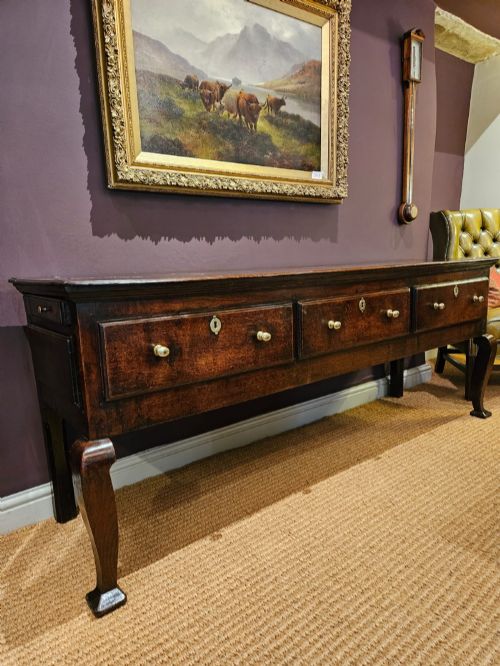
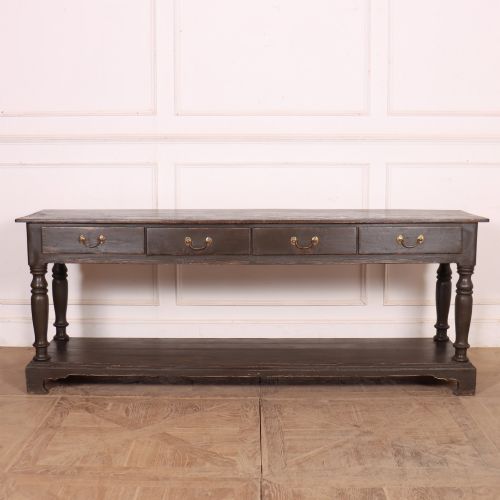
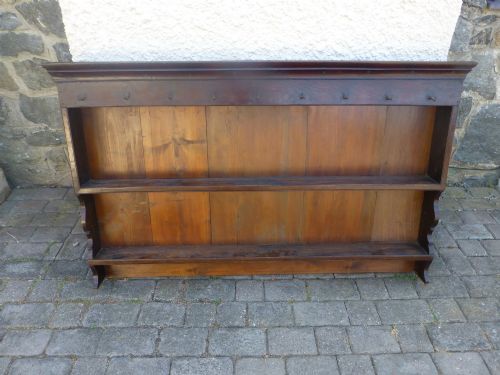
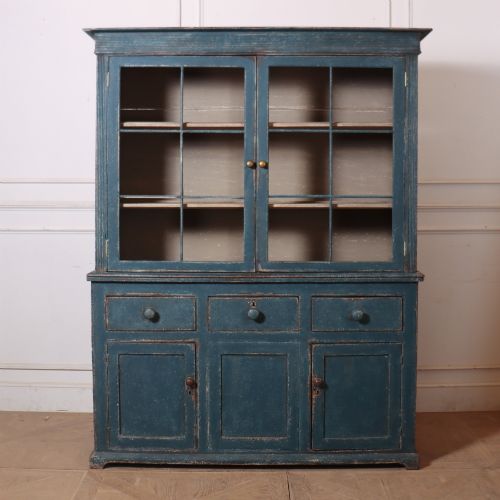
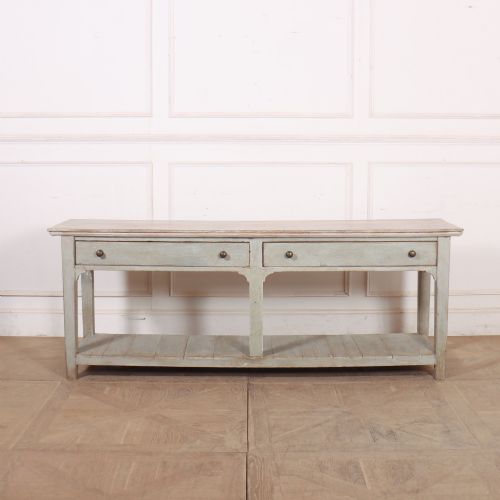
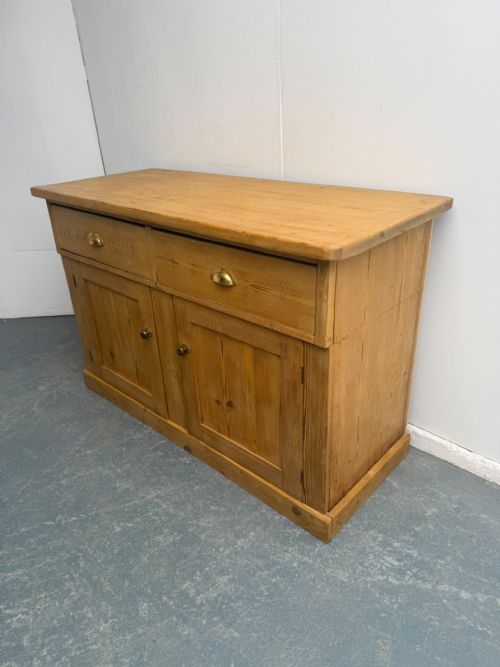
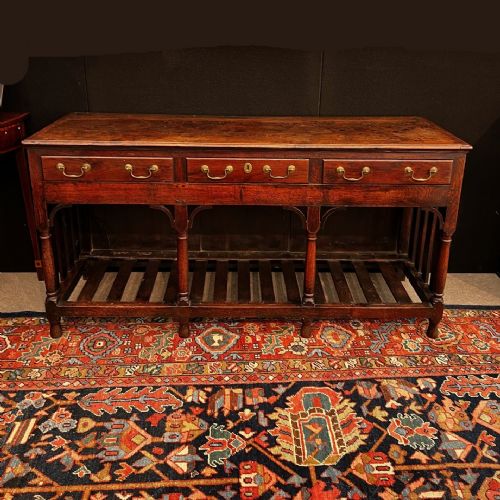
A traditional english country dresser combines utilitarian storage with practical display, serving as the central working surface of the domestic interior. The pieces gathered here span the eighteenth and nineteenth centuries, taking the form of low dresser bases, potboard tables, and full kitchen dressers with plate racks.
Most examples hail from regional traditions such as the West Country, reflecting local woodworking habits rather than metropolitan polish. Buyers find sturdy oak and elm constructions alongside pine and painted finishes that show decades of honest service in provincial homes.
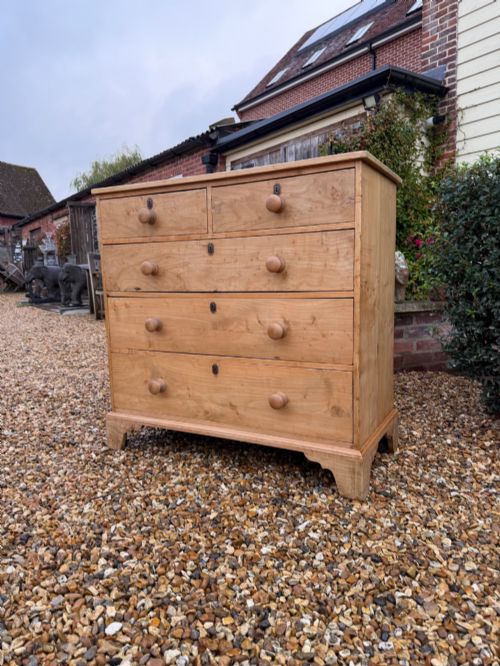
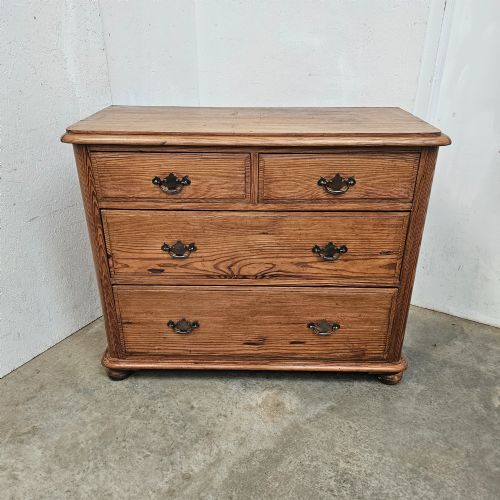
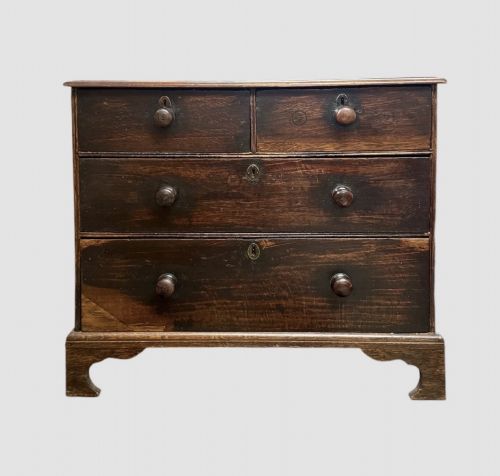
Alongside proper dressers, the selection includes related storage forms like chests of drawers, serving tables, and housekeepers cupboards. These pieces share the same unpretentious domestic utility, designed for heavy daily use in kitchens, pantries, and living quarters.
How they were made
Cabinetmakers relied heavily on native timbers, selecting durable oak and elm for eighteenth-century framework while later nineteenth-century pieces turned increasingly to pine and pitch pine. Surfaces frequently received a coat of paint, or remained waxed to protect the wood against kitchen moisture and daily wear.
Construction techniques prioritized strength and straightforward joinery, utilising dovetailed drawers, pegged frames, and solid timber boards. Potboard bases featured open lower shelves designed to hold heavy earthenware and pewter plates off the flagged floor.
Traditional English Country Dresser Retail Price Guide 2026
Typical asking prices for traditional english country dresser among the pieces listed under this phrase on Sellingantiques today, from the lower quarter to the upper quarter. They describe what is for sale here now, not the wider market.
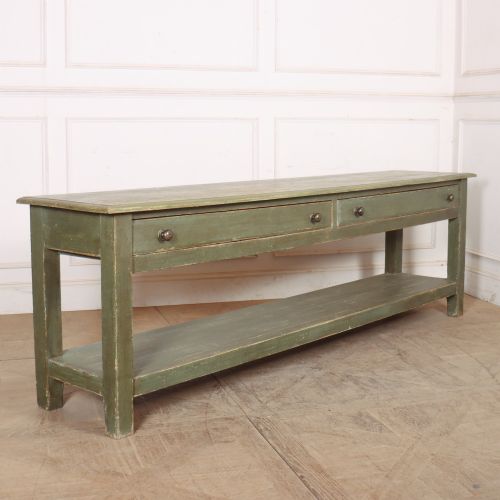
Several pieces preserve original paint finishes applied in West Country workshops over a century ago.
What varies in quality
Quality rests in the survival of original surface finishes, from early layers of paint to the warm patination built up on unpainted oak through generations of handling. Pieces retaining their structural integrity and unaltered proportions command greater regard among collectors.
Proportion and regional character also set examples apart, with well-balanced proportions and distinctive West Country or farmhouse detailing marking out the finer specimens. The presence of original brass hardware or untouched potboards adds notable distinction to an honest working piece.
The Traditional English Country Dresser Glossary
- Potboard dresser base
- A low sideboard form featuring an open lower shelf, known as a potboard, positioned just above the floor for storing heavy kitchen utensils.
- Delft rack
- A wooden plate rack designed to mount on the wall above a dresser base or integrate into a full kitchen dresser, featuring narrow plate grooves.
- Pitch pine
- A resinous native timber utilised widely during the nineteenth century for sturdy furniture construction, valued for its prominent grain patterns.
- Housekeepers cupboard
- A large vernacular storage cabinet designed for domestic linens and dry goods, sharing the robust build of the traditional country kitchen dresser.
- Elm
- A tough, interlocking timber frequently paired with oak in regional country furniture for seats, drawer linings, and structural frames.
Traditional English Country Dresser: Frequently Asked Questions
How do I care for a painted pine dresser?
Keep painted pine furniture away from direct heat sources and excessive moisture to protect both the timber and historic paint layers. Dust gently with a dry cloth and avoid modern chemical polishes.
Allow the wood to breathe and let natural wax finishes settle over time without aggressive cleaning.
Are these dressers suitable for modern kitchens?
These pieces fit naturally into contemporary kitchens, offering generous surface space and practical storage for everyday items. Their robust construction handles daily use just as it did centuries ago.
Measuring the available wall space and ceiling height ensures the chosen dresser base or full unit proportions suit the room.
How can I tell eighteenth-century oak from nineteenth-century pine?
Eighteenth-century examples generally feature dense, figured oak or elm with hand-pegged joinery and deep patination. Nineteenth-century pieces more commonly employ softer pine or pitch pine with machine-sawn elements.
Examining the drawer linings and backboards reveals the tool marks and construction methods characteristic of each specific period.