

Traditional Elm Armchair
A traditional elm armchair brings sturdy vernacular comfort to a room, built by regional makers to last for centuries.
Traditional Elm Armchair
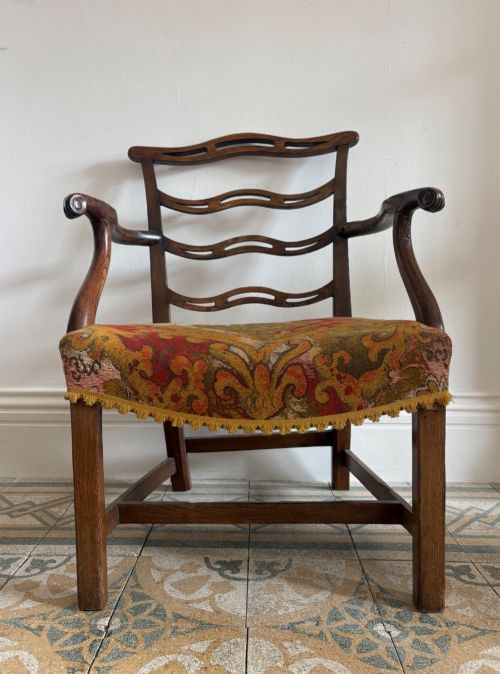
When you search for a traditional elm armchair, you enter the world of English country seating, where utility dictated design. These robust chairs span the eighteenth, nineteenth, and early twentieth centuries, encompassing Georgian vernacular pieces and later Victorian farmhouse iterations.
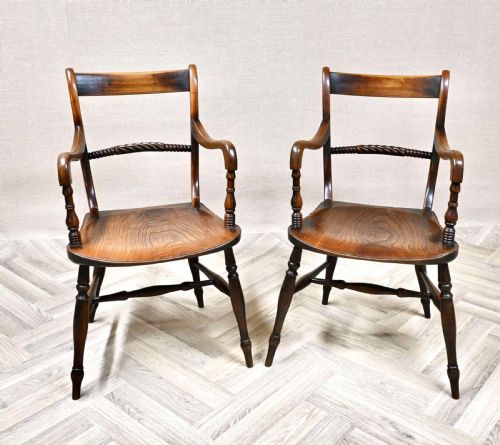
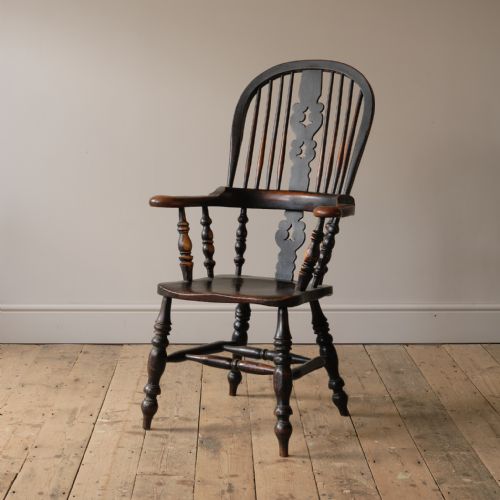
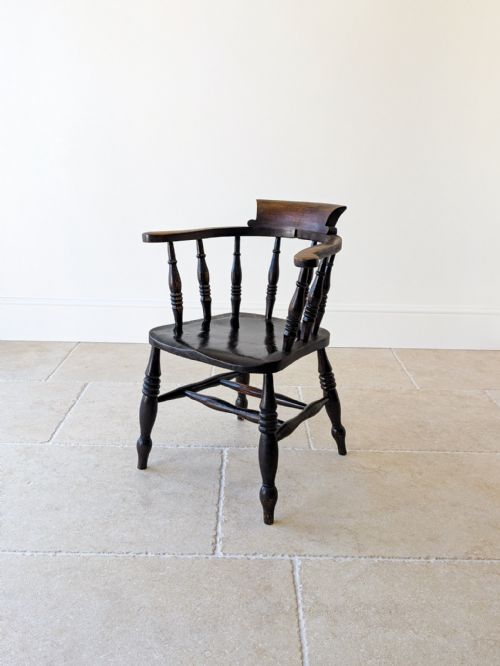
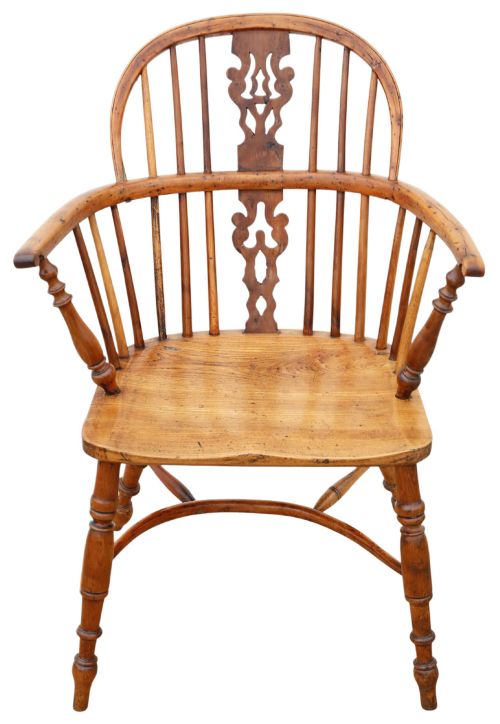
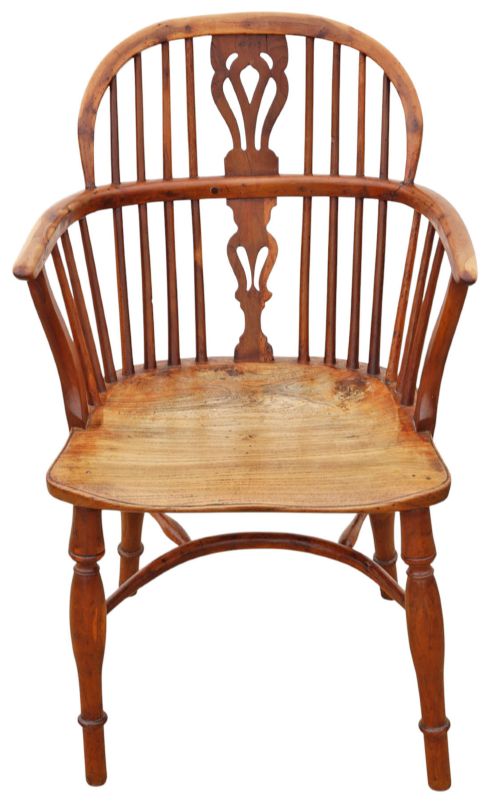
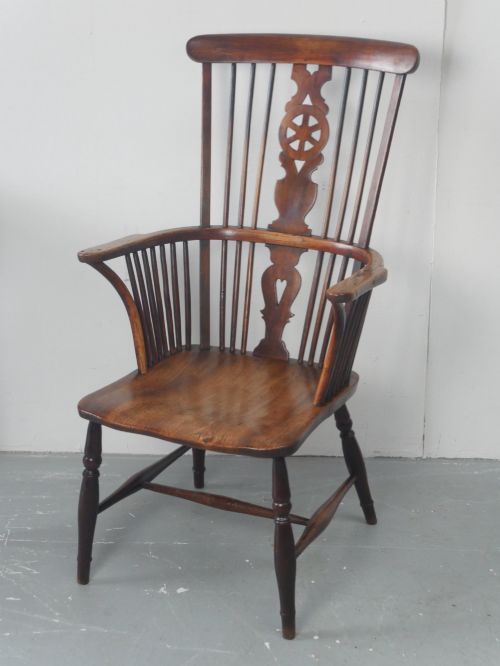
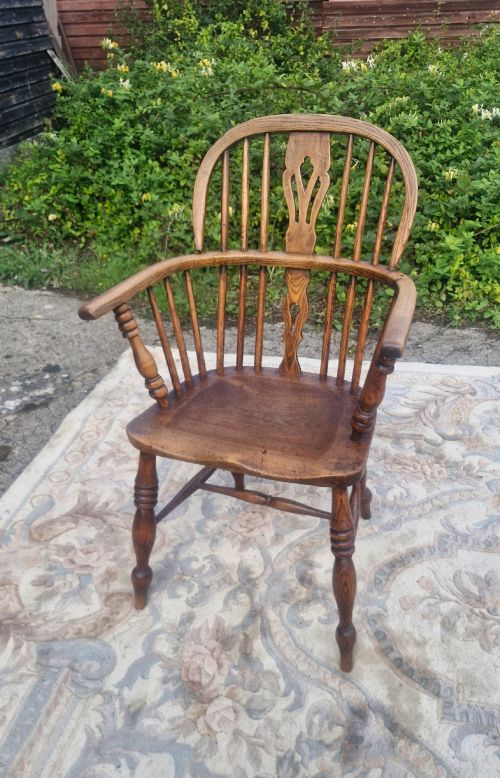
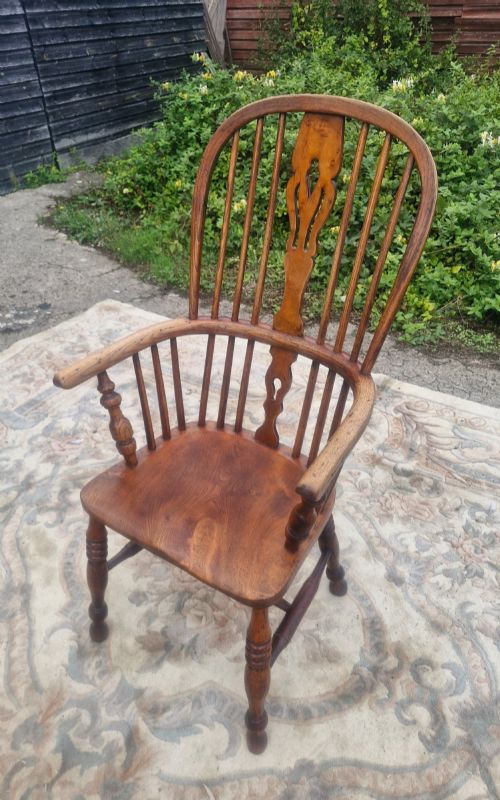
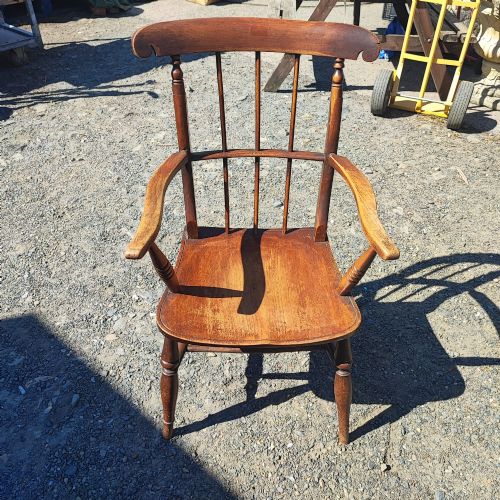
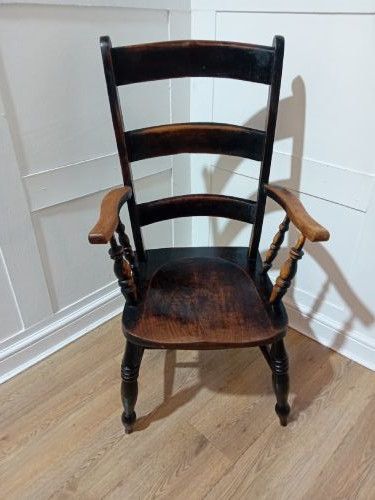
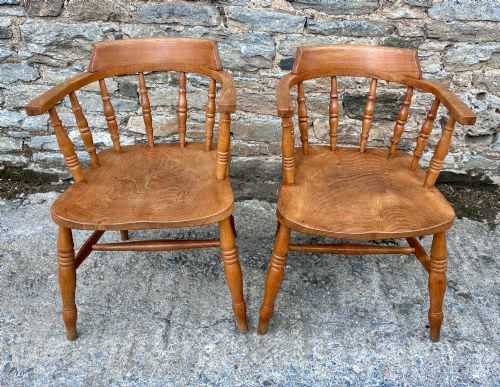
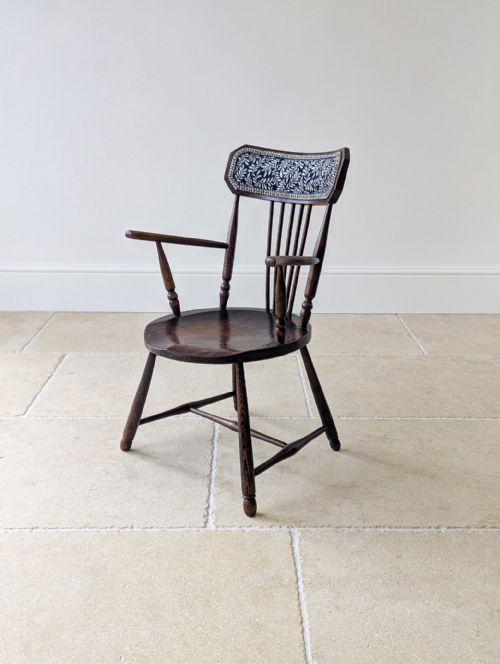
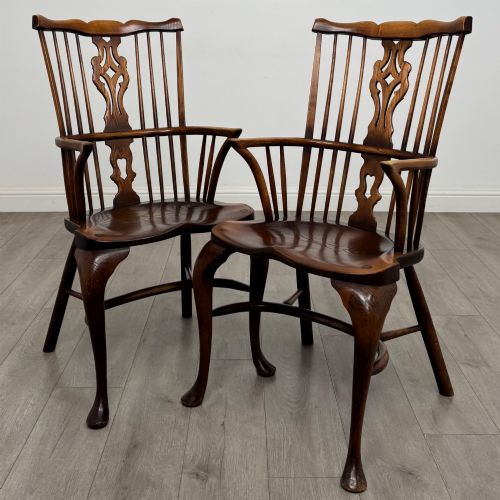
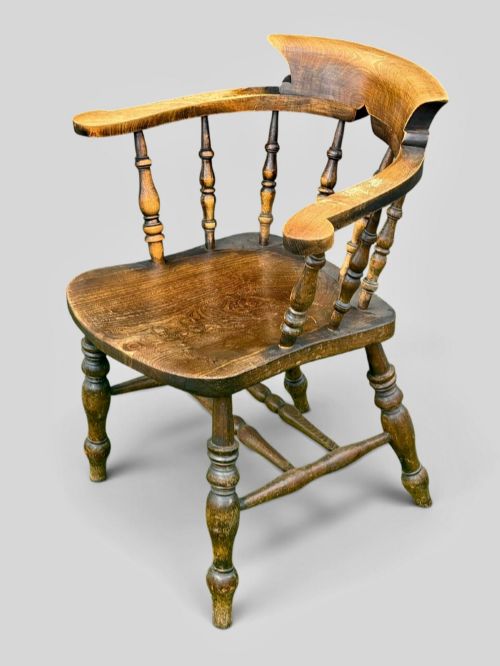
The most common forms you will encounter on this page are Windsor chairs, including high-back, comb-back, and stick-back variants, alongside low-back smoker's bows and captain's chairs. They often pair elm seats with ash or beech spindles and legs, reflecting the practical timber choices of regional makers.
Originating from workshops across the Thames Valley, West Country, and other rural English regions, these chairs served daily use in kitchens, farmhouses, and studies. Their enduring appeal lies in the way time softens their timber while preserving their structural integrity.
How they were made
Traditional chairs rely on a combination of solid elm for the saddle-shaped seats, chosen for its interlocking grain that resists splitting when pegged. Ash and beech provide the flexible strength needed for steam-bent hoops, arms, and slender spindles.
Constructed using traditional Windsor joinery, the legs and back spindles are tenoned directly into the thick solid seat plank, often secured with wedges from above. This pegged peg-and-socket technique creates a rigid frame without relying on metal fixings.
Traditional Elm Armchair Retail Price Guide 2026
Typical asking prices for traditional elm armchair among the pieces listed under this phrase on Sellingantiques today, from the lower quarter to the upper quarter. They describe what is for sale here now, not the wider market.
Some nineteenth-century makers stamped their surnames straight into the thick elm seat underside, leaving a quiet maker's mark for future generations to spot.
What varies in quality
The distinction between a standard workshop chair and a superior example often rests on the sculptural depth of the elm seat and the grace of the bentwood arms. Thicker, deeply dished seats and well-turned crinoline stretchers indicate careful handcrafting by skilled regional artisans rather than mass production.
Original surface finishes and honest patination separate untouched pieces from those stripped or heavily restored. A rich, deep colour acquired through generations of use elevates the standing of any chair.
The Traditional Elm Armchair Glossary
- Windsor chair
- A chair built with a solid wooden seat into which the legs and back members are driven directly. This construction method creates a durable form unique to vernacular furniture making.
- Smoker's bow
- A low-back Windsor armchair, also known as a captain's chair, featuring a continuous curved arm rail supported by turned spindles. These were common in nineteenth-century parlours and public houses.
- Crinoline stretcher
- An arched wooden brace connecting the legs of a Windsor chair to provide lateral stability. It often curves outward from the centre beneath the seat.
- Comb back
- A Windsor chair back where the vertical spindles rise to support a horizontal headpiece resembling a hair comb. This style provides solid upper back support.
- Yew and elm
- A pairing where figured yew wood is used for the prominent parts of the back while elm forms the seat. This combination denotes higher quality country seating.
Traditional Elm Armchair: Frequently Asked Questions
How do I date a traditional elm armchair?
Dating relies on observing construction methods, wood combinations, and stylistic evolution from Georgian vernacular forms to Victorian farmhouse adaptations. Changes in spindle turning, seat shaping, and stretcher design help place a chair within a specific century.
Evidence from surviving pieces shows that earlier examples often feature yew wood components and crinoline stretchers, while later nineteenth-century versions frequently incorporate beech and heavier proportions.
Were these chairs made in specific regions?
Yes, distinct regional styles developed across England, with the Thames Valley and the West Country producing notable variations in Windsor chairs. Makers utilised local timber availability, which explains why certain counties favoured ash and elm combinations.
Examining the turning of the legs and the profile of the comb back often reveals the hand of specific regional traditions rather than urban workshops.
How should I care for an antique elm seat?
Maintain the timber by keeping the chair away from direct heat sources and sudden humidity changes that can cause old wood to split. Applying a traditional beeswax polish occasionally preserves the depth of the original finish without building up heavy residue.
Avoid commercial liquid cleaners which can strip the dry, aged surface character built up over centuries of daily use.
Can I use an elm armchair at a desk?
Many low-back styles, such as captain's chairs and smoker's bows, function well at modern desks due to their supportive arms and comfortable saddle seats. Their sturdy construction handles daily sitting while offering firm lumbar support.
Checking the seat height against your desk clearance ensures a comfortable fit for everyday working or reading.